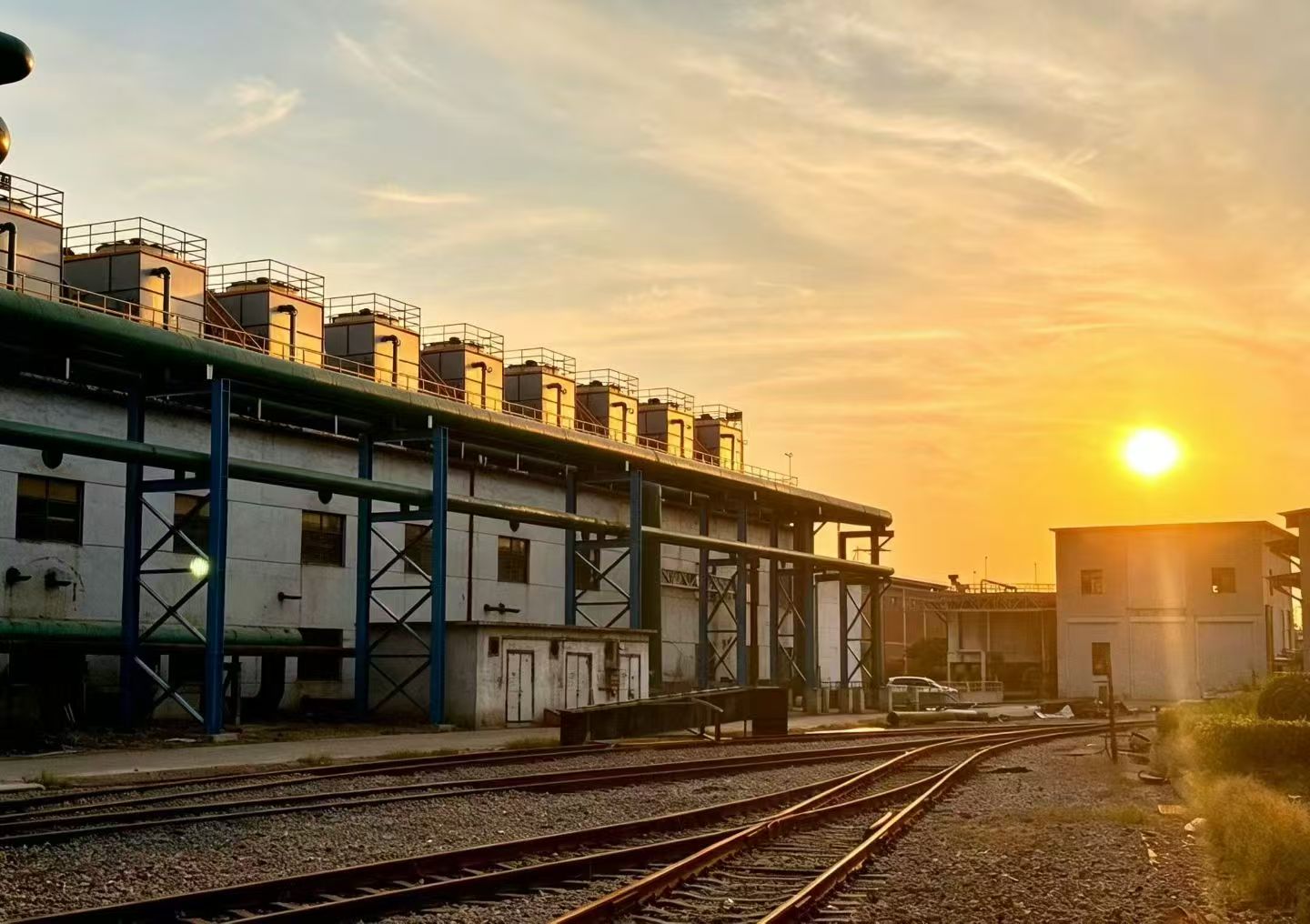
PVC cooling tower fill is a critical component in industrial cooling towers, HVAC systems, and many commercial cooling installations. It increases the contact area between circulating water and air, helping the system transfer heat and achieve the required cooling temperature. However, continuous exposure to heat, water treatment chemicals, mineral deposits, and mechanical stress can gradually affect its performance and service life.
As PVC cooling tower fill ages, it may become brittle, develop cracks, deform, or accumulate deposits that restrict water and airflow. If these problems are ignored, cooling efficiency may decline, maintenance requirements may increase, and unexpected equipment downtime may become more likely.
So, what causes PVC cooling tower fill to age? Can proper maintenance slow deterioration? And how do you know when cleaning is no longer enough?
In this guide, Power Tower Cooling Technology (Shaoxing) Co.,Ltd, featured through www.coolingtowerpart.com, explains the main causes of PVC cooling tower fill aging, practical maintenance methods, inspection procedures, and replacement considerations to help cooling tower operators make informed decisions.
1. What Is PVC Cooling Tower Fill?
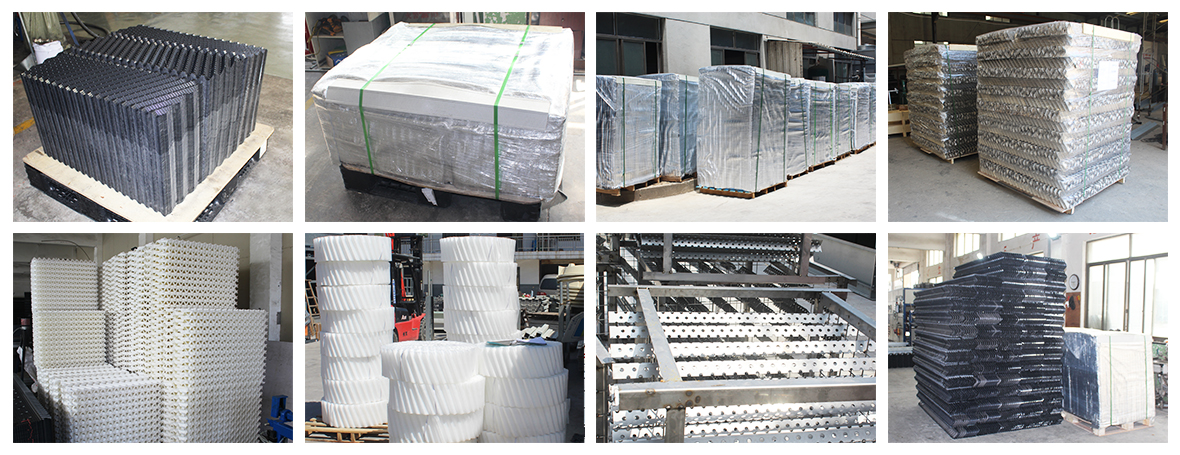
PVC cooling tower fill, also called PVC cooling tower filler or PVC fill media, is an internal component designed to improve heat exchange between circulating water and air. It is commonly manufactured from polyvinyl chloride (PVC) and formed into structured sheets that guide water across an extended surface.
When hot water enters a cooling tower, it flows over or through the fill while air moves through the same area. The fill spreads water into thin films, increasing the opportunity for heat transfer and evaporation. The cooled water then collects in the basin and returns to the cooling system.
Why Does PVC Cooling Tower Fill Matter?
The fill has a direct influence on how effectively a cooling tower uses its available space for heat exchange. Properly selected and maintained fill helps distribute water, support airflow, and maintain the tower's intended cooling performance.
When the fill becomes fouled or deteriorates, the contact between water and air may become less effective. Blocked passages can restrict airflow, while damaged sheets can disrupt water distribution.
That is why cooling tower fill maintenance is more than a cleaning task. It is part of keeping the entire cooling system operating reliably.
2. What Does Aging Look Like in PVC Cooling Tower Fill?
PVC fill does not necessarily fail overnight. In many cases, deterioration develops gradually, beginning with minor surface changes before progressing to physical damage.
Recognizing these signs early helps maintenance teams determine whether the problem can be corrected through cleaning or whether replacement is necessary.
Color Changes and Surface Deterioration
Discoloration can be an early sign of prolonged exposure to heat, chemicals, or outdoor conditions. The fill may appear dull, stained, or uneven.
However, color changes alone do not prove that PVC has aged. Mineral deposits, algae, and water-treatment residues can also alter its appearance.
Inspect the material's flexibility, surface condition, and structural integrity before making a decision.
Brittleness, Cracks, and Deformation
As PVC material deteriorates, it may lose flexibility and become more vulnerable to cracking. Thin sheets can break during handling, while fill packs may sag or deform if their support system is inadequate.
These changes can affect water distribution and airflow. If the fill breaks apart during normal inspection or cleaning, avoid aggressive maintenance methods that could make the damage worse.
Widespread brittleness, severe cracking, and structural failure are strong reasons to evaluate replacement.
Scale, Fouling, and Blocked Passages
Not every problem that looks like aging is actually material deterioration.
Mineral scale, suspended solids, sludge, and biological growth can accumulate between fill sheets. These deposits may block passages and reduce effective heat transfer even when the PVC itself remains in reasonable condition.
If the material is structurally sound, suitable cleaning may restore some performance. If deposits return repeatedly, investigate the water-treatment program and the source of contamination.
3. Main Causes of PVC Cooling Tower Fill Aging
Several factors can accelerate PVC cooling tower fill deterioration. In most installations, the problem results from a combination of operating temperature, water chemistry, mechanical stress, environmental exposure, and maintenance practices.
Understanding the underlying causes is essential because replacing the fill without correcting the original problem may lead to the same failure again.
High Operating Temperatures
Temperature is one of the most important factors affecting plastic material performance.
If PVC fill operates continuously near or above its specified temperature limit, it may lose mechanical strength, deform, or deteriorate more rapidly. Unexpected exposure to excessively hot water can also be harmful.
The actual temperature limits depend on the product formulation and construction. Therefore, operators should compare real operating conditions with the manufacturer's specifications rather than relying on a general temperature assumption.
If the process regularly exceeds the fill's allowable range, consider a suitable alternative material after evaluating the cooling tower's overall design.
Ultraviolet Radiation and Outdoor Exposure
Cooling towers are often installed outdoors, where components may encounter sunlight, changing temperatures, and weather exposure.
Ultraviolet radiation can contribute to polymer degradation, particularly when materials lack adequate UV protection. Long periods of outdoor storage before installation may also increase exposure.
To reduce unnecessary damage, follow the manufacturer's storage recommendations and confirm whether the selected product is suitable for the intended environment.
Chemical Attack and Poor Water Treatment
Cooling tower water treatment helps control scale, corrosion, and biological growth. However, excessive chemical concentrations or incompatible cleaning agents may damage certain fill materials.
Uncontrolled water chemistry can also accelerate deposit formation, increasing the frequency of cleaning and the risk of mechanical damage.
To protect PVC cooling tower fill, follow an appropriate water-treatment program and verify the compatibility of treatment chemicals with the fill material and other cooling system components.
Mechanical Stress and Water Flow
PVC fill is designed to operate under specified structural and hydraulic conditions. Poor support, excessive loading, vibration, uneven water distribution, or improper handling can cause cracking and deformation.
Localized high-velocity water jets may also contribute to damage under unsuitable operating conditions.
Inspect the fill support structure and water distribution equipment regularly. During installation and maintenance, avoid placing unnecessary loads on the sheets or dragging fill packs across rough surfaces.
Biofouling and Mineral Deposits
Biological growth and mineral deposits can gradually obstruct the fill's narrow passages.
Algae, biofilm, suspended particles, and scale reduce the effective contact area between water and air. Although these deposits do not always damage the PVC directly, they can reduce cooling performance and make maintenance more difficult.
Effective filtration, water treatment, blowdown, and routine inspection help limit deposit accumulation.
Improper Installation and Cleaning
Incorrect installation may leave fill packs misaligned, compressed, or inadequately supported. Such problems can affect water distribution and create unnecessary mechanical stress.
Cleaning can also cause premature damage if operators use excessive water pressure, aggressive scraping, or unsuitable chemicals.
Always follow the product-specific installation and cleaning instructions. A careful maintenance procedure helps preserve the fill's condition and reduces avoidable replacement costs.
4. How Aging PVC Fill Affects Cooling Tower Performance
Aging and fouled fill can influence more than the appearance of the cooling tower's internal components. Depending on the severity of the problem, the effects may extend to cooling capacity, airflow, maintenance requirements, and operating costs.
Reduced Heat Transfer Efficiency
Damaged or heavily fouled fill may no longer distribute water across the intended surface area. Some areas may receive too much water, while other areas contribute less effectively to heat exchange.
The cooling tower may then struggle to achieve its required leaving-water temperature.
However, fill deterioration is only one possible cause. Fan problems, clogged nozzles, changing ambient conditions, insufficient water flow, and increased heat load can produce similar symptoms.
Increased Airflow Resistance
Deposits and blocked passages can restrict air movement through the fill. Excessive resistance may reduce airflow and weaken cooling performance.
Depending on the fan and system design, the additional resistance may also affect fan operating conditions and energy consumption.
Regular inspection and appropriate cleaning can help identify blockage before it becomes severe.
Higher Maintenance and Operating Costs
Fouled or deteriorated fill may require repeated cleaning, repairs, and inspections. If cooling performance declines, the facility may also face higher operating costs or production disruptions.
Repeated cleaning is not always economical when the fill has already become brittle or structurally unstable.
A planned replacement, combined with corrective action to address the original cause of deterioration, may offer better long-term value.
5. How to Inspect PVC Cooling Tower Fill
A practical inspection program combines visual checks, operating data, and maintenance records. The inspection frequency should reflect the tower's operating conditions, water quality, environmental exposure, and the manufacturer's recommendations.
Visual Inspection
Look for cracks, brittle edges, sagging sheets, displaced fill packs, discoloration, mineral deposits, and biological growth.
Check whether the fill remains correctly positioned and whether the support structure shows signs of damage.
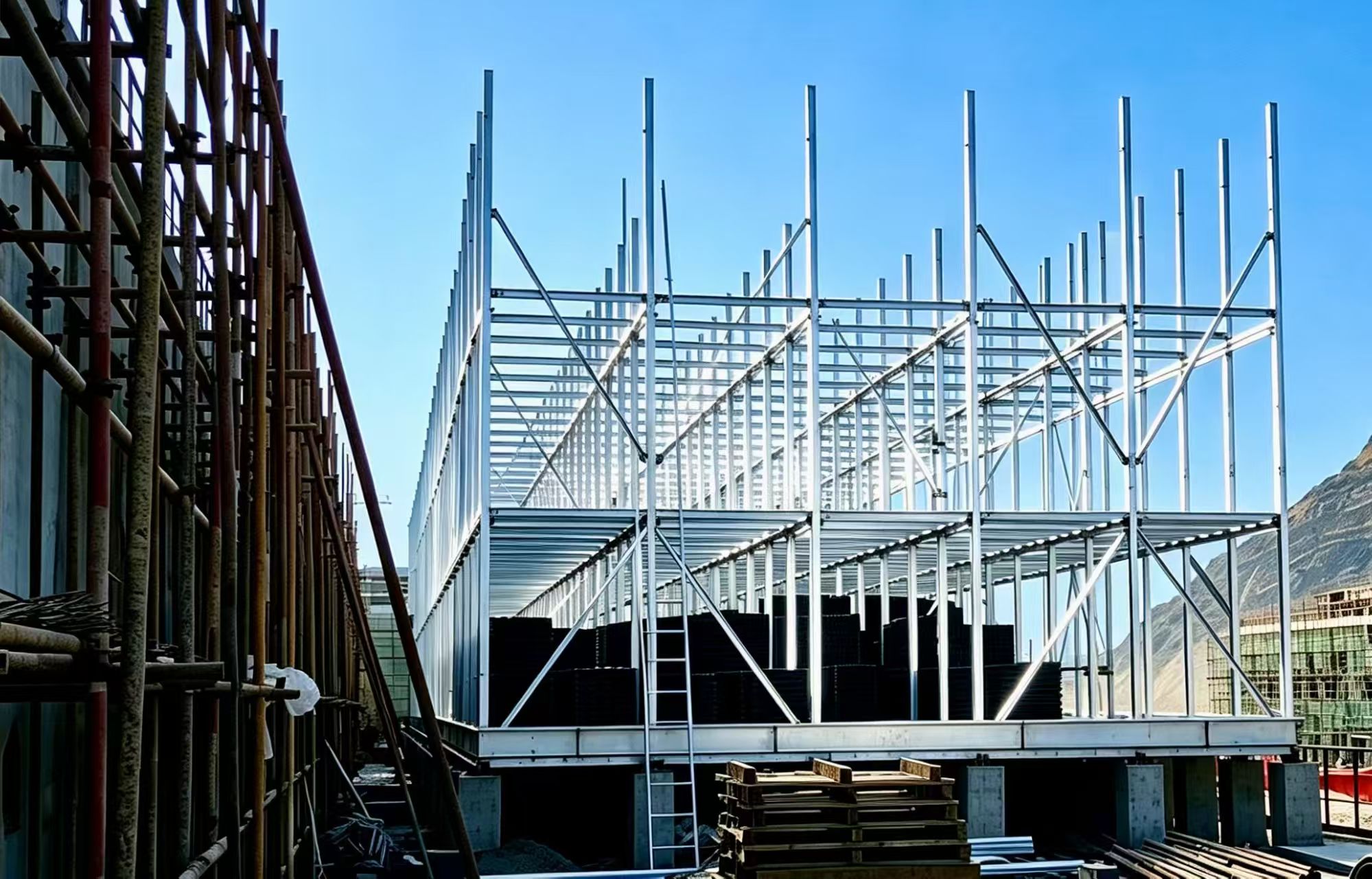
Inspect representative areas carefully rather than assuming that every section has the same condition. Follow site safety procedures, isolate equipment as required, and use appropriate protective equipment before carrying out maintenance.
Check Water Distribution and Airflow
Observe whether the water distribution system delivers water evenly across the fill.
Blocked nozzles, damaged pipes, or uneven flow can cause localized fouling and reduce the effective use of the fill surface.
Where suitable measurements are available, compare airflow and pressure-drop readings with established operating baselines. These checks help distinguish fill problems from issues elsewhere in the cooling system.
Evaluate Cooling Performance
Monitor entering- and leaving-water temperatures, water flow, heat load, and ambient wet-bulb conditions where available.
A change in leaving-water temperature does not automatically mean the fill has failed. Instead, use the available data to determine whether fouling, physical damage, fan problems, or another operating issue is responsible.
Keep Inspection Records
Record inspection dates, observed damage, cleaning activities, water-treatment results, and relevant operating measurements.
Photographs can help track changes over time. These records also make it easier to identify recurring problems and plan replacement before severe deterioration interrupts cooling operations.
6. Maintenance Methods for Aging PVC Cooling Tower Fill
The right maintenance method depends on the cause and severity of the problem. Removable deposits may be treated through cleaning, but cleaning cannot reverse polymer aging or restore severely damaged sheets.
Routine Cleaning
Remove loose dirt and deposits using a method approved for the specific fill product.
Avoid excessive water pressure, hard scraping tools, and aggressive mechanical cleaning that could tear or deform thin PVC sheets.
Before cleaning, identify the type of deposit so the correct treatment can be selected. Follow the manufacturer's instructions and applicable site safety requirements throughout the process.
Removing Scale and Mineral Deposits
Mineral scale may require a compatible descaling procedure. However, a chemical that dissolves scale may also damage PVC or other cooling tower materials.
Before applying any cleaning chemical, verify its compatibility with the fill, confirm the approved concentration and contact time, and follow the required rinsing and disposal procedures.
If scale repeatedly returns, investigate water chemistry and treatment controls instead of relying on repeated cleaning alone.
Controlling Biological Growth
Biological deposits can obstruct fill passages and interfere with water distribution.
Use a water-treatment program designed for the cooling system and appropriate for its operating conditions. Monitor treatment performance and clean affected areas according to the approved procedure.
Cooling tower water and deposits may present biological hazards. Maintenance teams should follow applicable occupational and public-health requirements when handling contaminated materials or cleaning the system.
Correcting Water Distribution Problems
If water repeatedly accumulates in certain areas, inspect spray nozzles, distribution pipes, and related components.
Replace blocked or damaged nozzles and correct distribution problems where necessary. Uniform water distribution helps the fill perform consistently and reduces the risk of localized fouling.
Preventing Further Material Damage
Avoid operating PVC fill outside its specified temperature and chemical limits. Maintain the support structure and use compatible cleaning procedures.
During maintenance, handle the fill carefully and avoid unnecessary mechanical loads.
If the material has already become severely brittle, limit handling and assess whether replacement is safer and more economical than continued cleaning.
7. How to Extend the Service Life of PVC Cooling Tower Fill
Although no cooling tower fill lasts forever, good operating practices can reduce premature deterioration.
The objective is straightforward: keep the material within its design limits, control deposits, and avoid unnecessary mechanical stress.
Maintain Suitable Water Chemistry
Monitor water quality and follow an appropriate treatment program for scale, corrosion, and biological control.
Maintain suitable filtration and blowdown practices where required. Effective water treatment reduces fouling and helps protect other cooling tower components as well as the fill.
Control Operating Temperature
Compare actual water temperatures with the manufacturer's recommended operating range.
Investigate repeated temperature excursions instead of assuming that the material will tolerate them indefinitely.
If the process requires temperatures beyond the capabilities of the existing fill, consult a qualified supplier about an appropriate alternative and verify that the proposed product suits the overall cooling tower design.
Follow a Preventive Maintenance Schedule
Do not wait for visible failure before inspecting the fill.
Establish a schedule based on water quality, operating hours, environmental conditions, and the manufacturer's recommendations. Inspect the fill, support structure, and water distribution system at suitable intervals.
Tracking recurring deposits and cooling performance helps maintenance teams respond before small problems become costly failures.
Use Compatible Cleaning Procedures
Match the cleaning method to the fill material and the type of deposit.
Avoid unapproved chemical mixtures, excessive water pressure, and harsh mechanical treatment. When uncertain, request guidance from the manufacturer or a qualified water-treatment specialist.
A documented and carefully controlled cleaning procedure is generally preferable to an aggressive approach that removes deposits but shortens the fill's service life.
8. When Should PVC Cooling Tower Fill Be Replaced?
Cleaning is appropriate when the fill remains structurally sound and deposits can be removed safely. Replacement becomes more attractive when deterioration is widespread or when cleaning no longer restores reliable performance.
Signs That Cleaning Is No Longer Enough
Consider replacement when you observe:
Extensive cracking or severe brittleness.
Deformed or sagging fill packs.
Material that breaks apart during normal handling.
Persistent blockage that cannot be removed safely.
Structural damage that compromises support or water distribution.
Repeated performance problems associated with deteriorated fill.
Before making the final decision, check whether other components, such as fans and spray nozzles, are contributing to the cooling problem.
Factors to Consider Before Replacement
Review the extent of deterioration, cleaning and repair costs, potential downtime, and availability of a suitable replacement.
Inspect the fill supports and water distribution components at the same time. If the original fill aged prematurely, identify the underlying cause before installing new media.
Replacing the fill without correcting excessive temperatures, incompatible chemical exposure, or persistent fouling may simply repeat the original problem.
9. How to Choose Replacement PVC Cooling Tower Fill
Selecting replacement fill involves more than matching the external dimensions. The product must suit the cooling tower's thermal requirements, operating conditions, and internal configuration.
Check Material and Temperature Compatibility
Confirm the material specification, allowable operating temperature, and compatibility with the cooling water and cleaning chemicals.
If the existing fill deteriorated unusually quickly, investigate the reason before ordering the same specification again.
Correcting the original operating problem may be just as important as choosing a suitable replacement.
Confirm Dimensions and Tower Design
Verify the fill pack's length, width, height, configuration, support arrangement, and installation requirements.
Determine whether the tower uses crossflow or counterflow construction. Changes in fill geometry may affect airflow resistance and thermal performance, so proposed alternatives should be checked against the tower's original design requirements.
Providing photographs, drawings, and existing product details can help the supplier assess compatibility.
Evaluate Total Lifecycle Cost
Do not compare products based only on the initial purchase price.
Consider expected service life, cleaning requirements, installation labor, replacement frequency, and the potential cost of downtime.
A product with a higher initial cost may offer better overall value if it is more suitable for the actual operating environment and requires less frequent intervention.
10. Why Choose an Experienced Cooling Tower Fill Manufacturer?
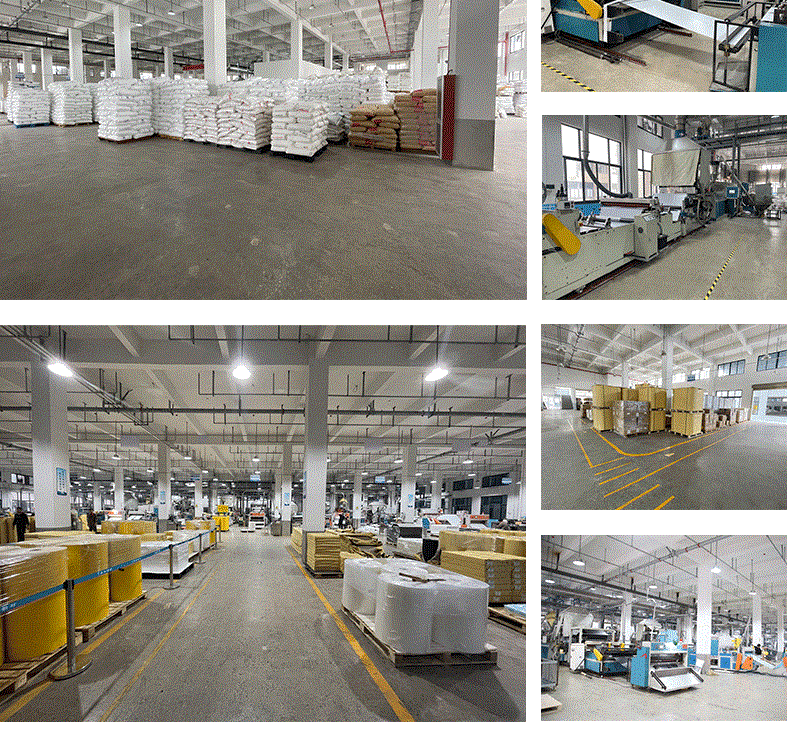
An experienced supplier can help buyers identify appropriate products and avoid compatibility problems. This is particularly important when replacing aging fill or changing materials because differences in geometry and operating limits can influence the cooling tower's performance.
Product Selection and Technical Support
Power Tower Cooling Technology (Shaoxing) Co.,Ltd is the manufacturer featured in this article, with its website at www.coolingtowerpart.com.
When discussing a PVC cooling tower fill replacement project, provide the tower model, existing fill dimensions, operating temperature, water conditions, and required quantity.
Request the relevant product specifications and confirm that the proposed fill suits the application before purchasing.
Replacement Planning with Power Tower Cooling Technology
For businesses sourcing cooling tower fill and related components, accurate technical information helps make the purchasing process more efficient.
Share photographs, drawings, and details about the existing installation when requesting product information. These details can help clarify the required configuration and reduce the risk of ordering an unsuitable product.
Visit coolingtowerpart.com to explore available product information and discuss your cooling tower requirements with the company.
11. Frequently Asked Questions About PVC Cooling Tower Fill Aging
How Long Does PVC Cooling Tower Fill Last?
There is no fixed service life for every PVC fill product. Lifespan depends on material formulation, operating temperature, water chemistry, environmental exposure, fouling, and maintenance practices.
Follow the manufacturer's recommendations and base replacement decisions on the actual condition of the fill and the cooling tower's performance.
Can Aging PVC Fill Be Repaired?
Minor fouling can often be addressed through appropriate cleaning, and certain installation problems may be corrected if the fill remains structurally sound.
However, severely brittle, cracked, or deformed fill generally cannot be restored to its original condition through cleaning. In these cases, replacement is usually the more reliable option.
Does Cleaning Restore Aged PVC Fill?
Cleaning can remove deposits and improve performance when fouling is the main problem. It cannot reverse polymer aging, restore lost flexibility, or repair widespread structural damage.
Inspect the fill after cleaning to determine whether it remains suitable for continued operation.
How Often Should Cooling Tower Fill Be Inspected?
Inspection frequency depends on water quality, operating conditions, environmental exposure, and the manufacturer's recommendations.
Systems with challenging water conditions may require more frequent checks. Establish a documented schedule and increase inspection frequency when cooling performance changes or fouling repeatedly occurs.
12. Conclusion: Prevent PVC Cooling Tower Fill Aging Through Proper Maintenance
PVC cooling tower fill is essential for effective heat exchange, but it can deteriorate because of excessive temperatures, chemical incompatibility, environmental exposure, mechanical stress, and poor maintenance. Scale and biological growth can create additional problems, even when the underlying PVC remains structurally sound.
The most effective approach combines regular inspection, suitable water treatment, compatible cleaning procedures, and timely replacement. Before ordering new fill, identify the cause of the existing problem and confirm that the replacement meets the cooling tower's design and operating requirements.
Power Tower Cooling Technology (Shaoxing) Co.,Ltd, through www.coolingtowerpart.com, is the manufacturer featured in this guide for businesses researching cooling tower fill and replacement components.
With careful product selection and preventive maintenance, cooling tower operators can reduce avoidable deterioration, manage maintenance costs, and support reliable system performance over the long term.


