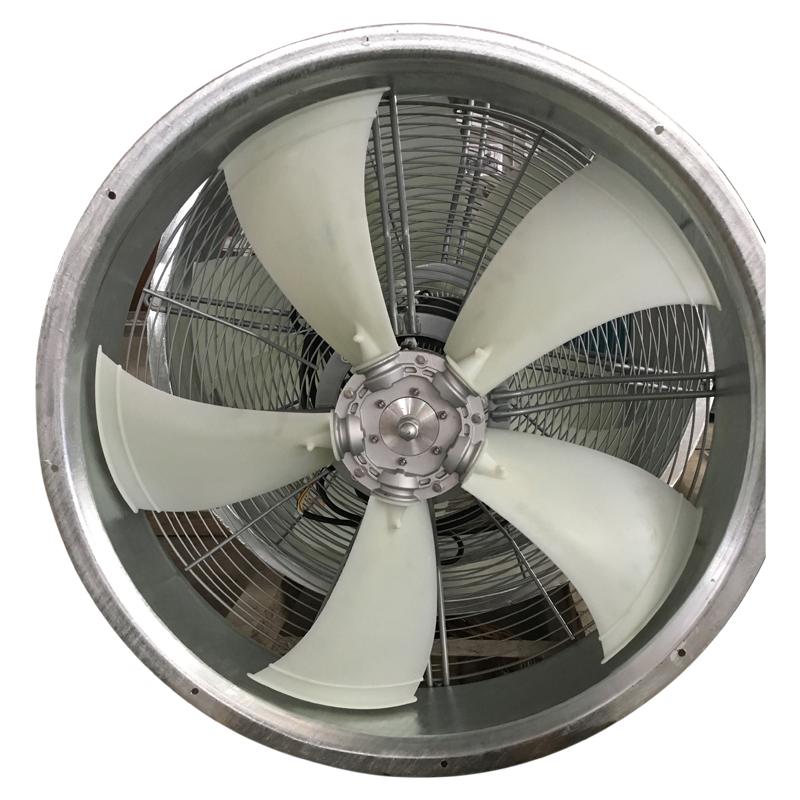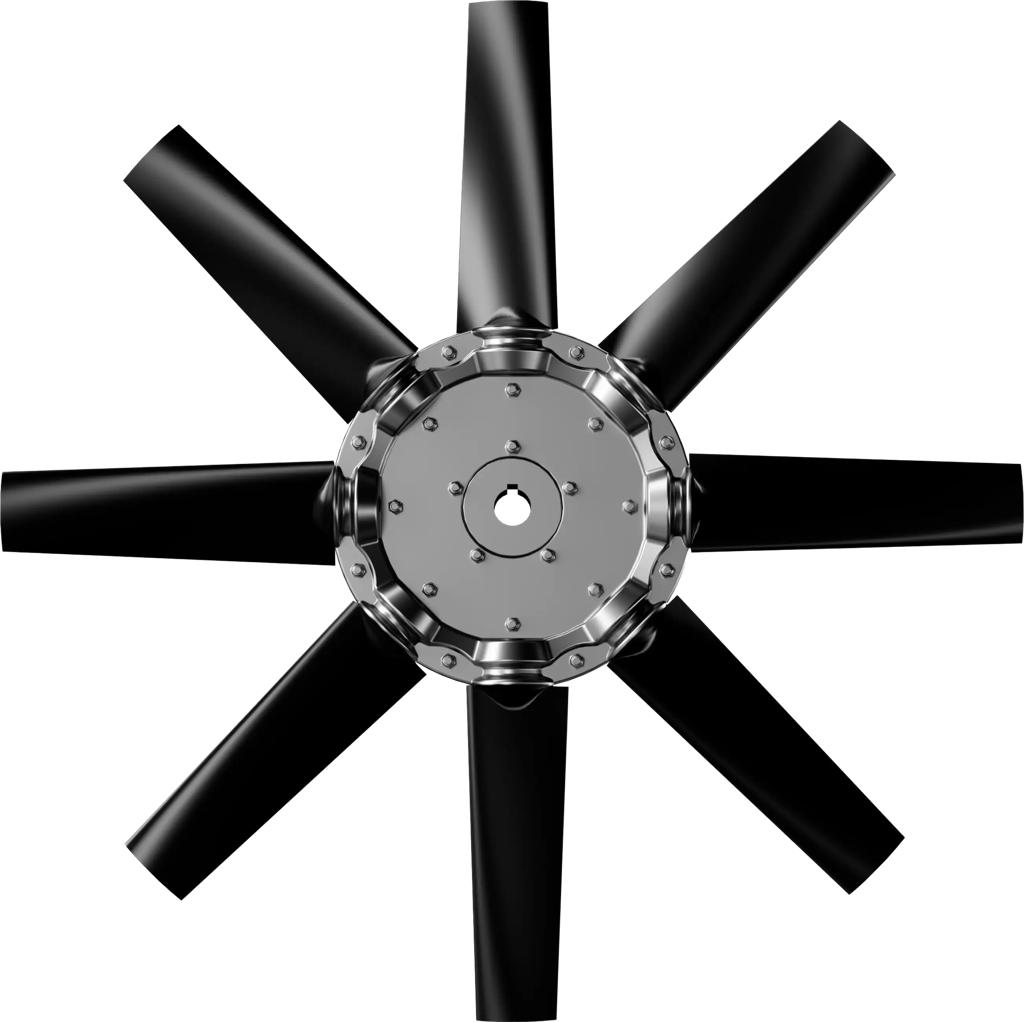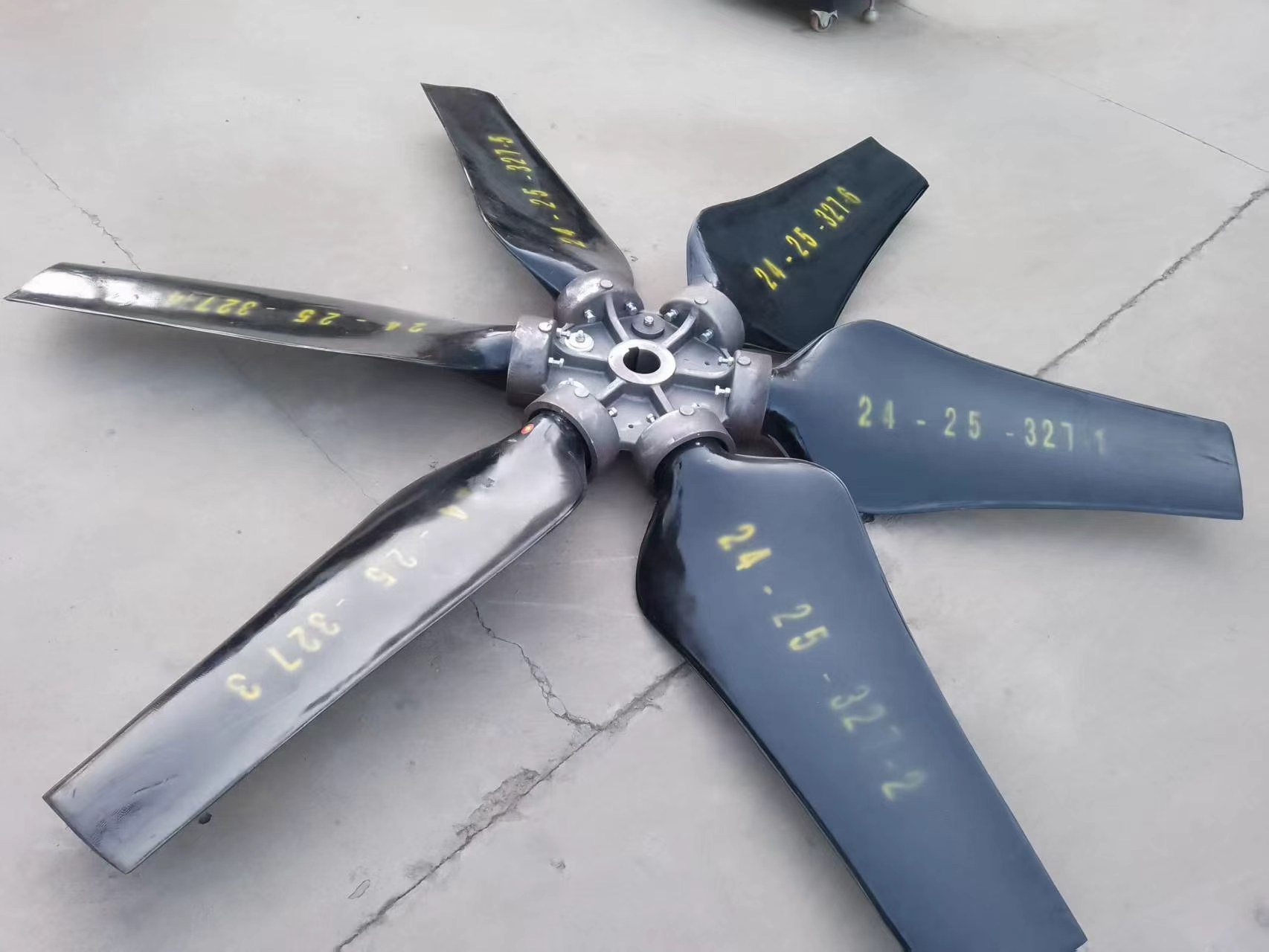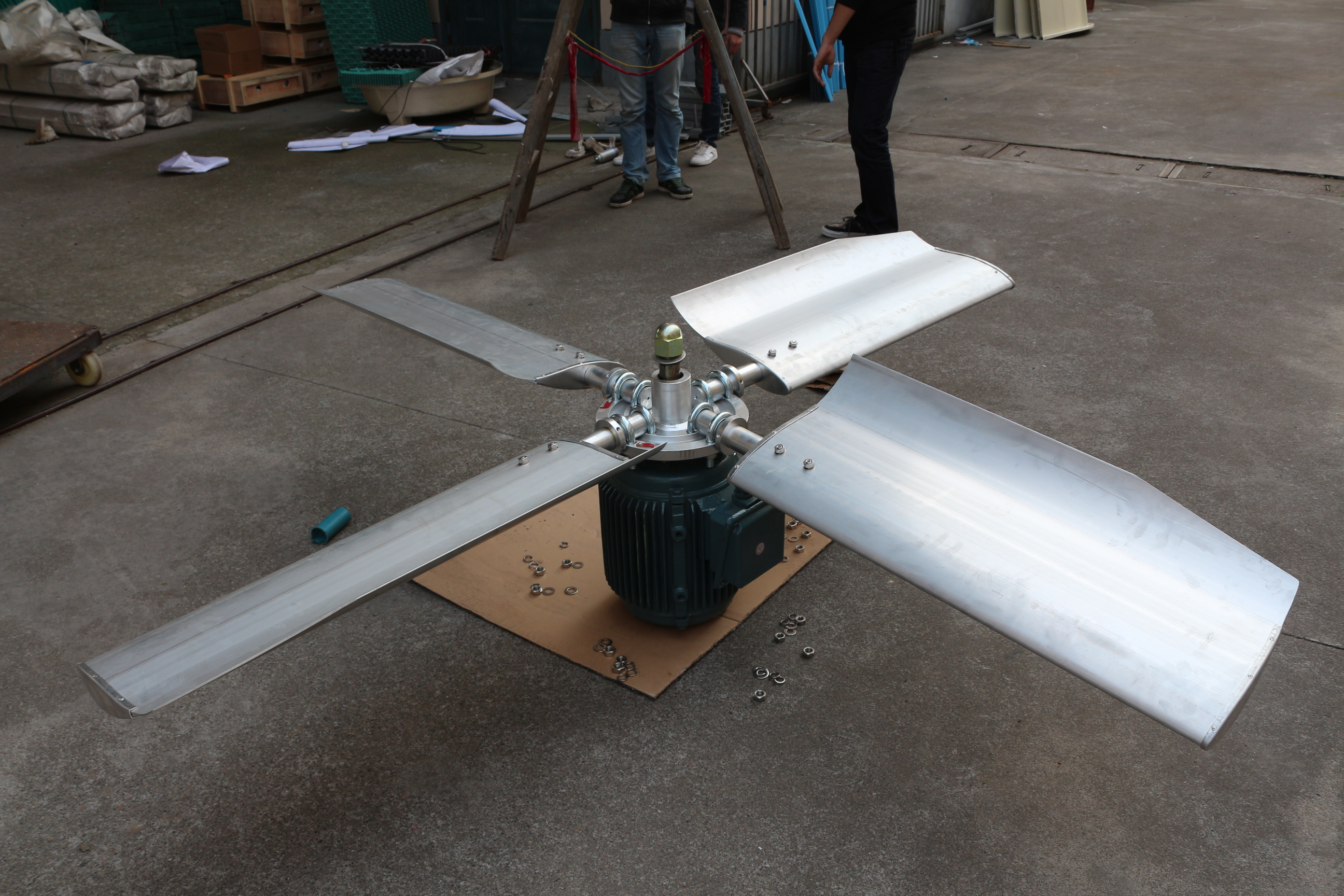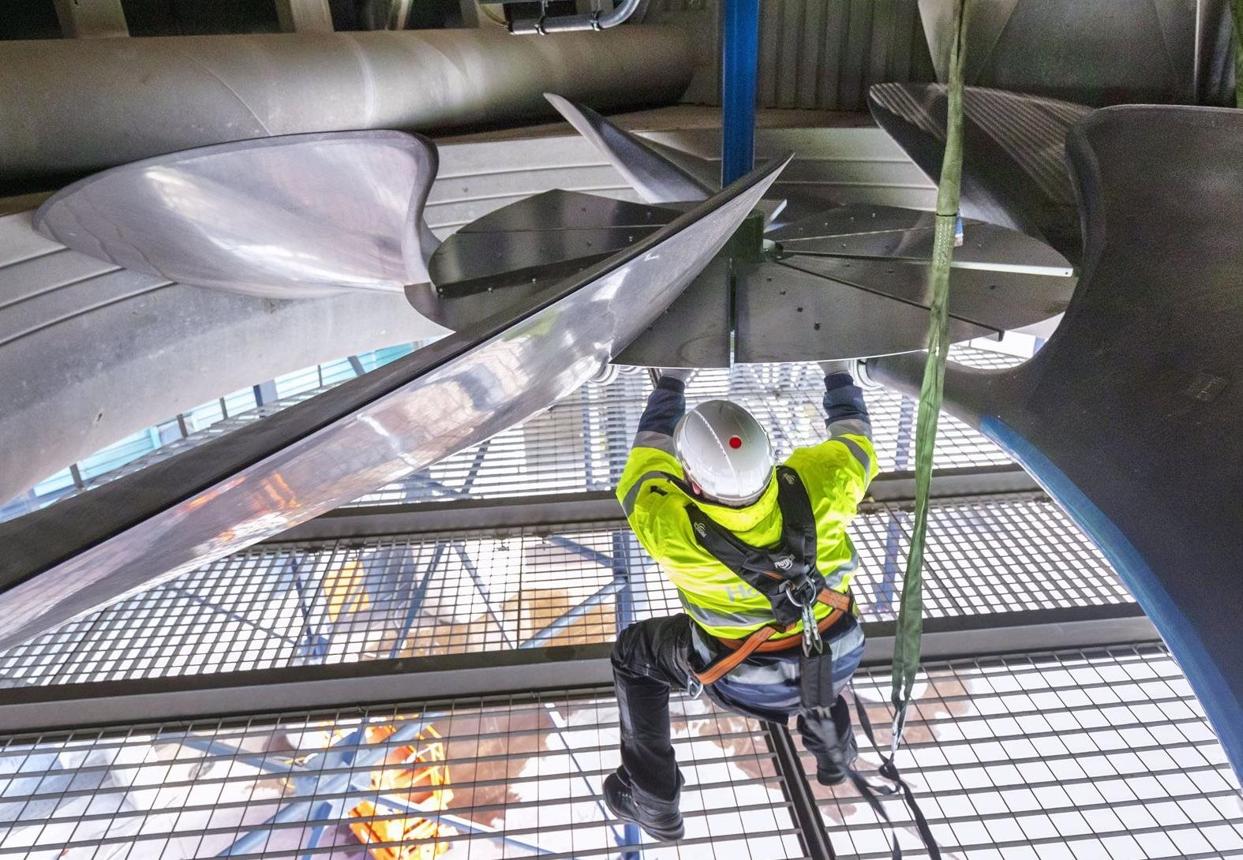
Industrial cooling tower fan blades are critical components of mechanical draft cooling towers. They generate the airflow required to transfer heat from circulating water to the atmosphere, directly influencing cooling efficiency, energy consumption, and operating reliability.
For industrial plant operators, maintenance engineers, and equipment purchasers, selecting the right cooling tower fan blades is important. Incorrect blade dimensions, materials, pitch angles, or mounting configurations can result in insufficient airflow, excessive motor loads, vibration, and premature equipment failure.
This complete buyer's guide explains the main types of industrial cooling tower fan blades, available materials, technical specifications, selection criteria, replacement considerations, and supplier evaluation methods.
Types of Industrial Cooling Tower Fan Blades
Before purchasing replacement blades, buyers should understand the different fan blade designs.
Axial Cooling Tower Fan Blades
Axial fan blades move air parallel to the fan shaft. They are widely used in industrial cooling towers because they can generate large airflow volumes at relatively low pressure.
Advantages include:
High airflow capacity.
Good aerodynamic efficiency.
Suitable for large cooling tower applications.
Relatively straightforward maintenance.
Adjustable-Pitch Fan Blades
Adjustable-pitch fan blades allow technicians to change the blade installation angle to achieve the required airflow and motor load.
They are suitable for cooling towers with changing operating conditions or seasonal cooling requirements.
Fixed-Pitch Fan Blades
Fixed-pitch blades have a predetermined blade angle. They offer a relatively simple structure and are suitable for applications with stable operating requirements.
Cooling Tower Fan Blade Materials: FRP vs. Aluminum
Material selection is one of the most important purchasing decisions.
Material | Advantages | Limitations |
FRP / Fiberglass | Lightweight, corrosion-resistant, good strength-to-weight ratio | Requires inspection for cracking and delamination |
Aluminum Alloy | Lightweight, good mechanical strength, recyclable | May be vulnerable to corrosion in aggressive environments |
Composite Materials | High stiffness, corrosion resistance, flexible aerodynamic design | Quality and cost vary by construction |
Steel | High structural strength | Heavier and requires corrosion protection |
Why Choose FRP Cooling Tower Fan Blades?
FRP (fiber-reinforced plastic) fan blades are popular in industrial cooling tower applications because they combine relatively low weight with good corrosion resistance.
They are particularly suitable for:
Chemical and petrochemical plants.
Power generation facilities.
Steel manufacturing plants.
Industrial wastewater treatment facilities.
Cooling towers operating in humid or corrosive environments.
For many replacement projects, FRP blades offer a practical balance between durability, weight, and maintenance requirements.
Key Technical Specifications to Check Before Buying
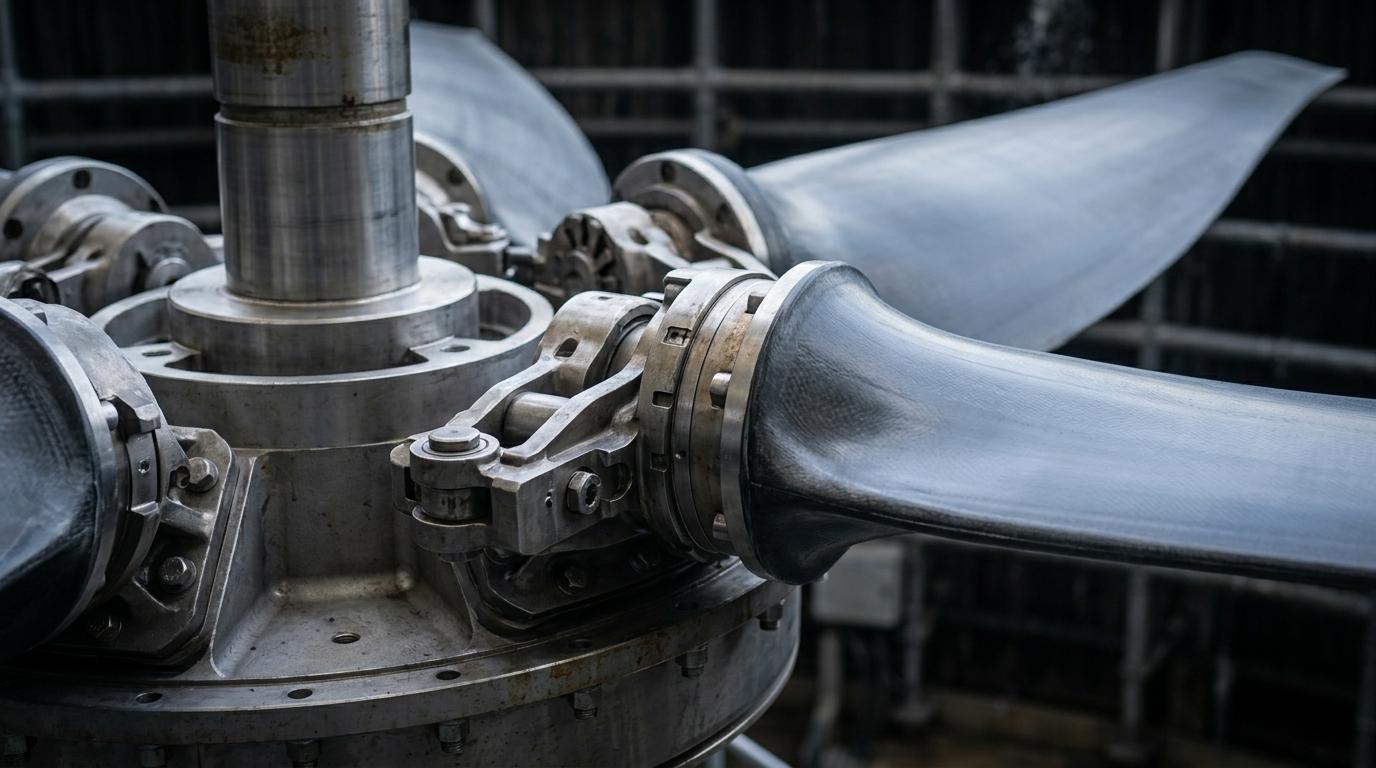
Buyers should verify the following technical parameters before requesting a quotation.
Specification | What to Check |
Fan diameter | Overall fan diameter |
Blade quantity | Number of blades per fan |
Blade length | Root-to-tip dimensions |
Blade material | FRP, aluminum, or composite |
Blade pitch | Fixed or adjustable installation angle |
Rotational speed | Operating RPM |
Hub dimensions | Hub diameter and mounting configuration |
Bolt pattern | Number, diameter, and spacing of mounting holes |
Motor power | Available motor capacity |
Operating conditions | Temperature, humidity, and chemical exposure |
Important: Fan diameter and blade length alone are not sufficient to determine compatibility. Buyers should also confirm aerodynamic performance, hub configuration, rotational speed, motor load, fan stack clearance, and structural loading.
How to Choose the Right Industrial Cooling Tower Fan Blades
Selecting suitable replacement fan blades requires more than matching the original appearance.
Confirm the Cooling Tower Brand and Model
Identify the cooling tower manufacturer, model, and fan assembly. Common industrial cooling tower brands include BAC, Marley, EVAPCO, SPX, and Hamon.
Match the Original Fan Specifications
Provide the original fan diameter, blade quantity, blade material, pitch angle, rotational speed, and hub dimensions.
Consider Operating Conditions
Evaluate water quality, ambient temperature, humidity, chemical exposure, operating hours, and expected cooling load.
Check Aerodynamic Performance
The replacement blades should meet the required airflow and static pressure conditions without exceeding the allowable motor power or mechanical loads.
Evaluate Service Life and Maintenance
Consider corrosion resistance, structural strength, inspection requirements, spare-part availability, and maintenance costs.
When Should You Replace Cooling Tower Fan Blades?
Cooling tower fan blades operate continuously under aerodynamic and centrifugal loads. Over time, damage may affect their performance and safety.
Common warning signs include:
Visible cracks in the blade surface or root.
Severe corrosion or material deterioration.
Blade deformation or permanent changes in geometry.
Abnormal vibration during operation.
Loose mounting bolts or damaged connections.
Reduced airflow and cooling performance.
Persistent imbalance that cannot be safely corrected.
Damaged blades should be inspected by qualified personnel. Do not continue operating a fan with suspected structural damage.
OEM vs. Aftermarket Cooling Tower Fan Blades
Industrial buyers can generally choose between original equipment manufacturer (OEM) replacement blades and aftermarket alternatives.
Comparison | OEM Blades | Aftermarket Blades |
Manufacturer | Original cooling tower brand | Independent manufacturer |
Compatibility | Designed for specified equipment | Depends on engineering verification |
Customization | Depends on OEM options | Often offers custom specifications |
Purchasing cost | Depends on brand and model | Varies by supplier and design |
Supply options | Original brand distribution | Multiple manufacturers and exporters |
Aftermarket cooling tower fan blades can provide a cost-effective alternative when the supplier can verify dimensions, materials, aerodynamic performance, structural strength, and mounting compatibility.
However, buyers should never select replacement blades based on price alone.
How Much Do Industrial Cooling Tower Fan Blades Cost?
The price of industrial cooling tower fan blades varies depending on several factors:
Fan diameter and blade dimensions.
Material, such as FRP or aluminum alloy.
Number of blades required.
Aerodynamic design and manufacturing process.
Hub and mounting requirements.
Customization and balancing requirements.
Packaging, transportation, and delivery destination.
For accurate quotations, buyers should provide technical drawings, equipment model information, photographs, and required quantities.
For large industrial projects, it is also useful to compare the total purchasing cost, expected service life, installation expenses, and maintenance requirements.
How to Find a Reliable Cooling Tower Fan Blade Manufacturer or Supplier
Choosing a qualified manufacturer is essential for replacement and retrofit projects.
Consider the following purchasing criteria:
Manufacturing capability: Check whether the supplier produces FRP, aluminum, or composite fan blades.
Technical expertise: Confirm experience with industrial axial fan design and cooling tower applications.
Quality control: Ask about material testing, dimensional inspection, and blade balancing.
Customization: Check whether custom diameters, blade profiles, and mounting configurations are available.
Replacement experience: Look for experience supplying aftermarket parts compatible with BAC, Marley, EVAPCO, SPX, and other cooling tower systems.
Export experience: Confirm packaging standards, delivery schedules, and international shipping capabilities.
Why Source Industrial Cooling Tower Fan Blades from CoolingTowerPart.com?
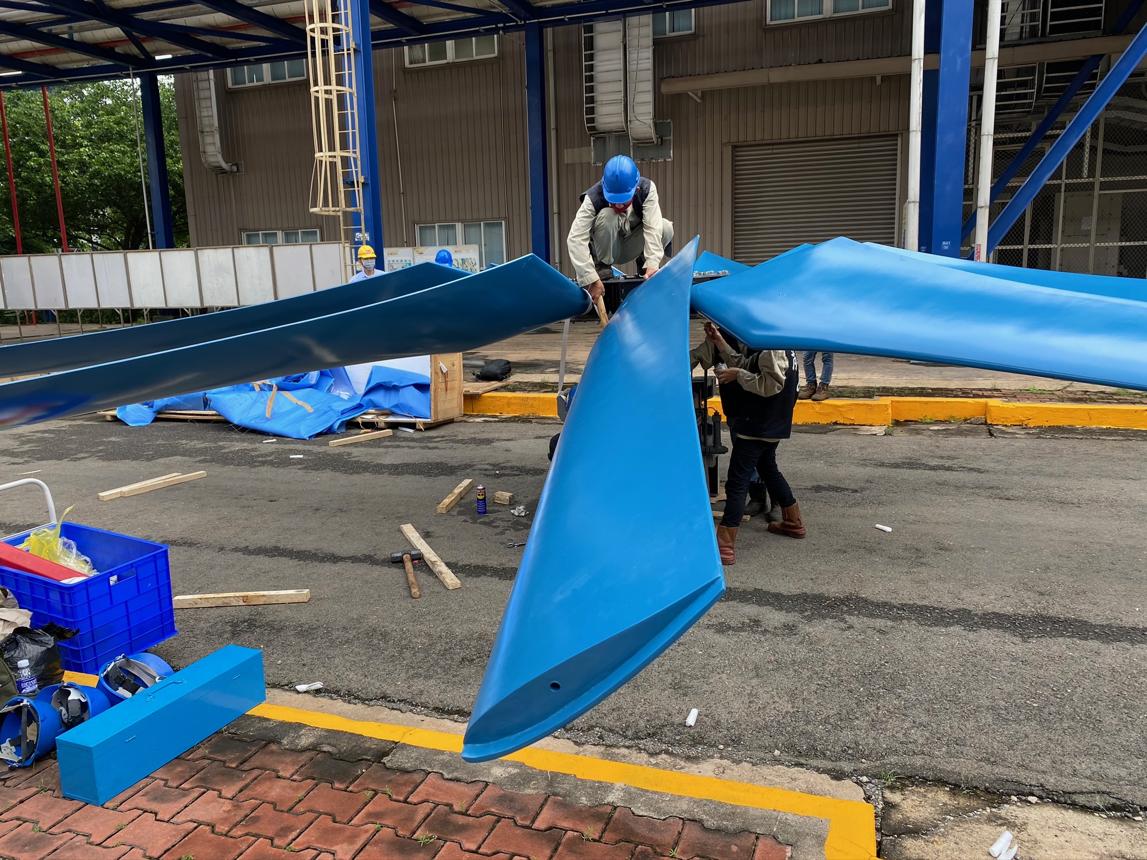
CoolingTowerPart.com provides industrial cooling tower replacement parts for maintenance, repair, and retrofit projects.
Our product sourcing focuses on:
FRP and industrial cooling tower fan blades.
OEM-compatible and aftermarket replacement solutions.
Custom blade dimensions and mounting configurations.
Replacement components for BAC, Marley, EVAPCO, SPX, and other cooling tower systems.
Support for international industrial buyers and wholesale orders.
Contact CoolingTowerPart.com with your original fan specifications, drawings, or photographs to request a suitable replacement solution and quotation.
Frequently Asked Questions
Q1: What is the best material for industrial cooling tower fan blades?
FRP is a popular choice because of its lightweight structure and corrosion resistance. Aluminum and other composites may also be suitable depending on operating conditions.
Q2: Can aftermarket cooling tower fan blades replace OEM blades?
Yes, provided the replacement has been properly engineered and verified for dimensions, aerodynamic performance, structural loading, rotational speed, and mounting compatibility.
Q3: How long do cooling tower fan blades last?
Service life depends on material quality, operating conditions, maintenance, vibration, and environmental exposure. Regular inspection is essential.
Q4: What information is required for a replacement quotation?
Provide the cooling tower model, fan diameter, blade quantity, material, pitch angle, rotational speed, hub dimensions, and photographs or technical drawings.
Q5: Can cooling tower fan blades be customized?
Yes. Qualified manufacturers may offer customized blade lengths, profiles, materials, pitch configurations, and mounting dimensions according to project requirements.
Conclusion
Choosing the right industrial cooling tower fan blades is essential for maintaining reliable airflow, cooling efficiency, and safe equipment operation.
Before purchasing, carefully compare blade materials, aerodynamic design, technical specifications, mounting compatibility, and supplier manufacturing capabilities.
For industrial maintenance teams, distributors, and engineering contractors, working with an experienced cooling tower fan blade supplier can help reduce replacement risks and improve long-term operating performance.
Recommended internal links for CoolingTowerPart.com: