You are here: Home » Blog » Technical Articles » Industrial Cooling Tower Fan Blade Materials: FRP, Aluminum,Stainless Steel
Industrial Cooling Tower Fan Blade Materials: FRP, Aluminum,Stainless Steel
Views: 0 Author: Lisa Publish Time: 2026-11-21 Origin: Site
The material of your cooling tower fan blade directly impacts corrosion resistance, operating weight, vibration, noise, energy consumption, maintenance frequency and service life. For induced-draft and forced-draft industrial cooling towers, three materials dominate the market: FRP (fiberglass reinforced plastic), aluminum alloy, and stainless steel.
Many plant managers and procurement teams make the mistake of selecting blades based only on upfront price. Humid air, chlorine, salt spray, acid mist and continuous cyclic loading can quickly cause premature failure if the material is mismatched to site conditions. This guide breaks down the core properties, pros and cons, failure risks and ideal use cases for each material.
FRP (Fiberglass Reinforced Plastic / GRP) Fan Blades
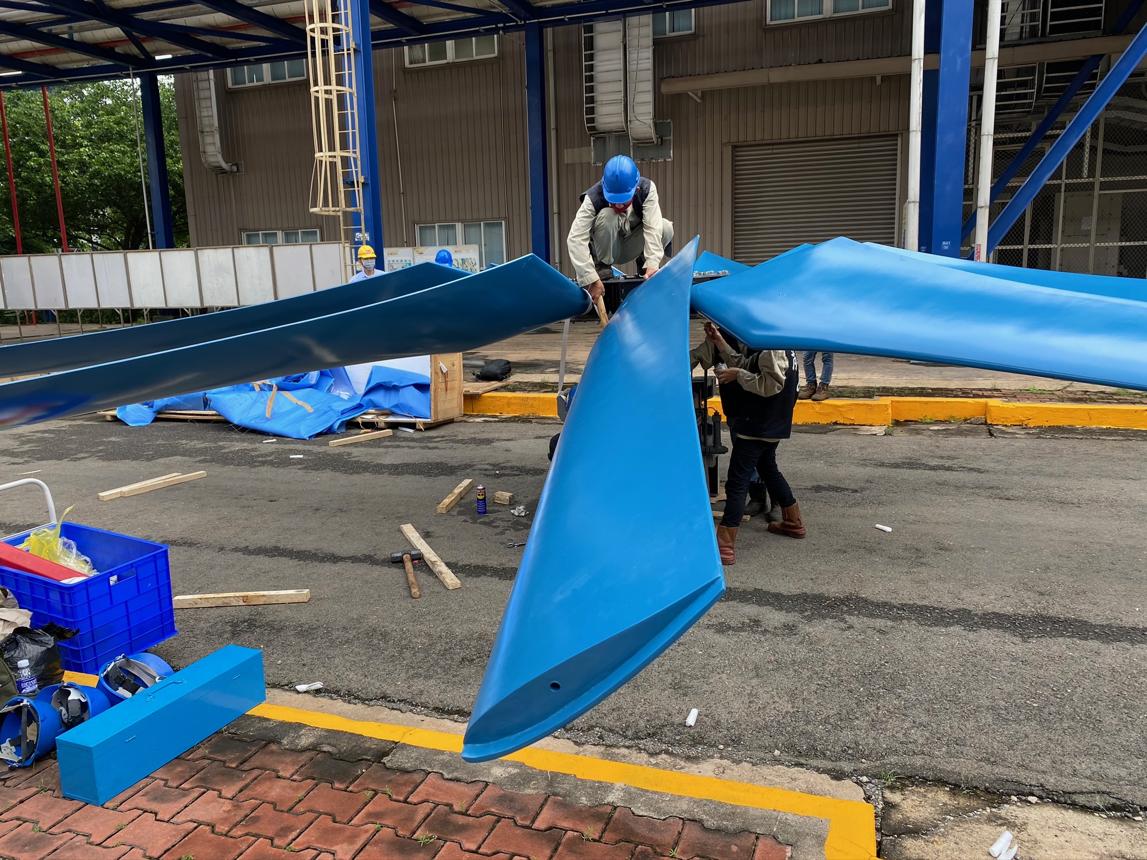
FRP is the most widely adopted blade material for modern wet industrial cooling towers. It is a composite material made of glass fiber reinforcement embedded in resin matrix. Different resin grades — general polyester, vinyl ester and epoxy — are available to match different corrosive environments.
Advantages of FRP cooling tower fan blades
Lightweight, excellent strength-to-weight ratio, reducing static load on bearings, gearboxes, drive shafts and motor assemblies
Outstanding corrosion resistance against moisture, chlorinated water vapor, salt spray and mild chemical fumes
Lower vibration and quieter operation than metal blades of the same size
Flexible molding to create optimized aerodynamic airfoils for high airflow efficiency
Customizable for large fan diameters common in power, chemical and data center cooling towers
Disadvantages of FRP cooling tower fan blades
Susceptible to delamination, blistering and structural cracking from heavy impact or long-term UV exposure
Structural damage requires specialized FRP repair procedures; simple welding is not possible
Low-grade polyester FRP may degrade quickly in strong chemical vapors
Best Applications of FRP cooling tower fan blades
General wet industrial cooling towers
Power generation plants
Coastal facilities with salt-laden air
Wastewater treatment cooling systems
Chemical plants with mild to moderate corrosive atmospheres
Data center and hospital HVAC cooling towers
Tip: Choose vinyl ester resin FRP for harsh chemical environments; epoxy FRP for the most aggressive fume conditions.
Aluminum Alloy Fan Blades
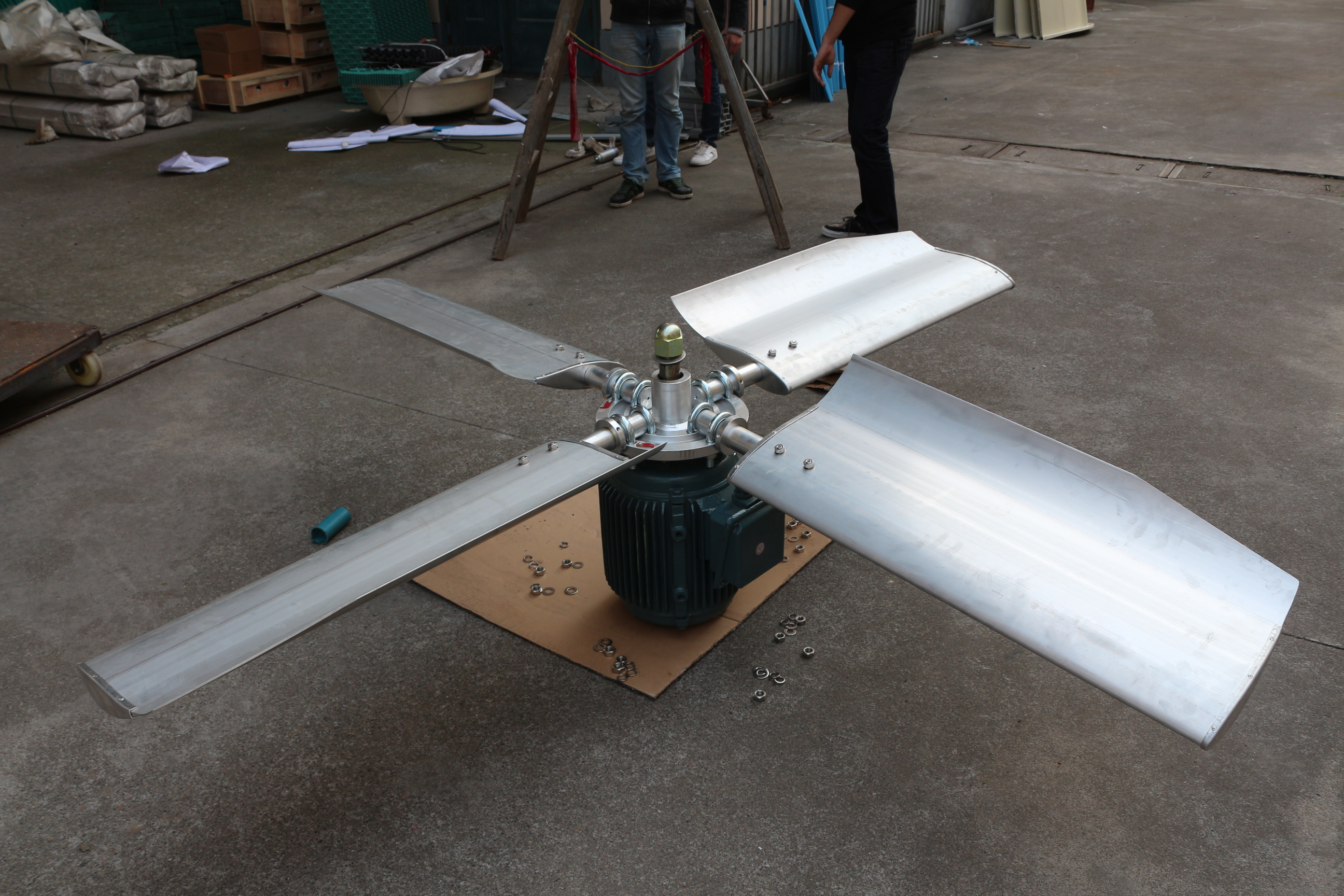
Aluminum alloy blades have been used in cooling towers for decades. They are machined or cast metal blades with rigid, stable airfoil profiles. Anodized or coated versions are available to improve surface protection.
Advantages of aluminum cooling tower fan blades
High rigidity, resistant to deformation under high temperature airflow
Precise aerodynamic profile, easy to inspect for cracks and fatigue
Stable performance in dry cooling tower and low-humidity environments
Straightforward balancing and repair for minor metal damage
Disadvantages of aluminum cooling tower fan blades
Heavier than FRP, which increases bearing and gearbox fatigue
Vulnerable to pitting corrosion when exposed to chlorine, acid mist and saltwater vapor
Higher noise and vibration risk on large-diameter fans
Anodized coatings will eventually wear through in wet cooling tower service
Best Applications of aluminum cooling tower fan blades
Dry cooling towers
Indoor cooling towers with low humidity and non-corrosive air
Temporary rental cooling systems
Medium-duty process cooling with well-controlled water chemistry
Stainless Steel Fan Blades
Stainless steel fan blades are the heavy-duty premium option for extreme industrial environments. Common grades include 304 and 316L stainless steel.
Advantages stainless steel cooling tower fan blades
Superior corrosion resistance for strong acid, alkali and high chloride vapors
Excellent mechanical strength, impact resistance and high-temperature tolerance
Long service life in severe environments where FRP and aluminum cannot survive
Fully weldable for on-site repair
Disadvantages stainless steel cooling tower fan blades
Significantly heavier than FRP and aluminum, raising mechanical load on the entire fan drive train
Much higher material and manufacturing cost
Greater inertia, higher starting torque and higher energy consumption
Higher noise level during operation
Best Applications stainless steel cooling tower fan blades
Special chemical process cooling with strong corrosive vapors
High-temperature industrial exhaust cooling
Heavy-duty process sites where composite materials degrade rapidly
Plants requiring washdown with aggressive chemical cleaners
Side-by-Side Comparison Table
Material
Corrosion Resistance
Weight
Noise
Typical Service Life
Main Limitation
FRP
Excellent
Light
Low
8–15 years
Risk of delamination / impact damage
Aluminum Alloy
Moderate (with coating)
Medium
Medium
5–10 years
Corrodes in wet, chlorinated air
Stainless Steel
Outstanding
Heavy
High
10–20 years
High cost, heavy load on drive parts
Key Selection Checklist Before Buying or Replacing Blades
Identify tower type: wet cooling tower or dry cooling tower
Analyze site atmosphere: salt spray, chlorine, acid mist, solvent vapors
Confirm fan diameter, blade pitch, RPM, hub interface and dynamic balance requirements
Check existing gearbox, bearing and motor load limits — switching from FRP to stainless steel may overload drive components
Review noise limits for occupied areas such as data centers and hospitals
Compare total cost of ownership: not just blade price, but maintenance, downtime and spare parts cost
Common Mistakes to Avoid
Replacing original FRP blades with uncoated aluminum blades on open wet cooling towers
Using standard polyester FRP blades in strong chemical vapor environments
Upgrading to stainless steel without verifying bearing, gearbox and motor load capacity
Mixing blade materials on one fan hub, which creates imbalance and uneven weight distribution
Frequently Asked Questions
Q: Which material is the most popular for industrial wet cooling towers?
A: FRP (fiberglass) is the industry standard for wet cooling towers because of its light weight and corrosion resistance.
Q: Can I replace aluminum blades with FRP blades directly?
A: It is possible, but you need engineering review for hub compatibility, tip clearance, dynamic balancing and motor load.
Q: Is stainless steel always better for corrosion?
A: Stainless steel resists corrosion better, but its heavy weight accelerates wear on bearings and gearboxes. It is overkill for most standard cooling towers.
Q: What resin type should I pick for FRP blades in chemical plants?
A: Vinyl ester FRP is the common choice for moderate chemical exposure; epoxy FRP is used for highly corrosive service.
Conclusion
FRP, aluminum alloy and stainless steel each fill a distinct role in cooling tower fan blade design. FRP delivers the best balance of corrosion resistance, light weight and low noise for most wet cooling towers. Aluminum works well for dry and low-corrosion applications. Stainless steel is reserved for extreme corrosive and high-temperature industrial conditions.
Matching the blade material to your site conditions is the best way to reduce unplanned downtime, cut maintenance expense and extend the service life of your fan, gearbox and motor.
Recommended internal links for CoolingTowerPart.com: