You are here: Home » Blog » Technical Articles » How To Choose The Right Industrial Cooling Tower Fan Blades for Your System
How To Choose The Right Industrial Cooling Tower Fan Blades for Your System
Views: 0 Author: Lisa Publish Time: 2026-11-21 Origin: Site
How to Choose the Right Industrial Cooling Tower Fan Blades for Your System
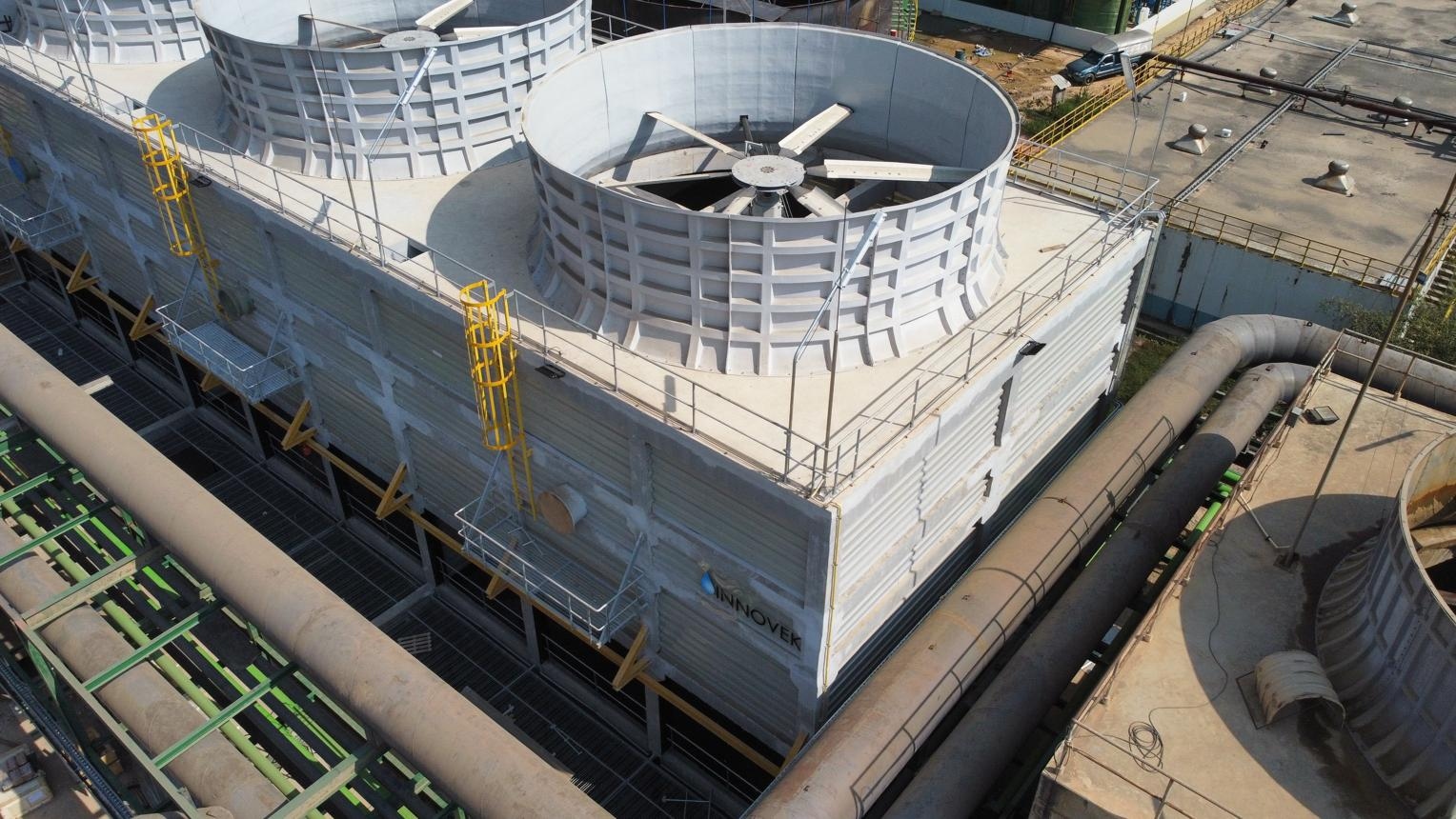
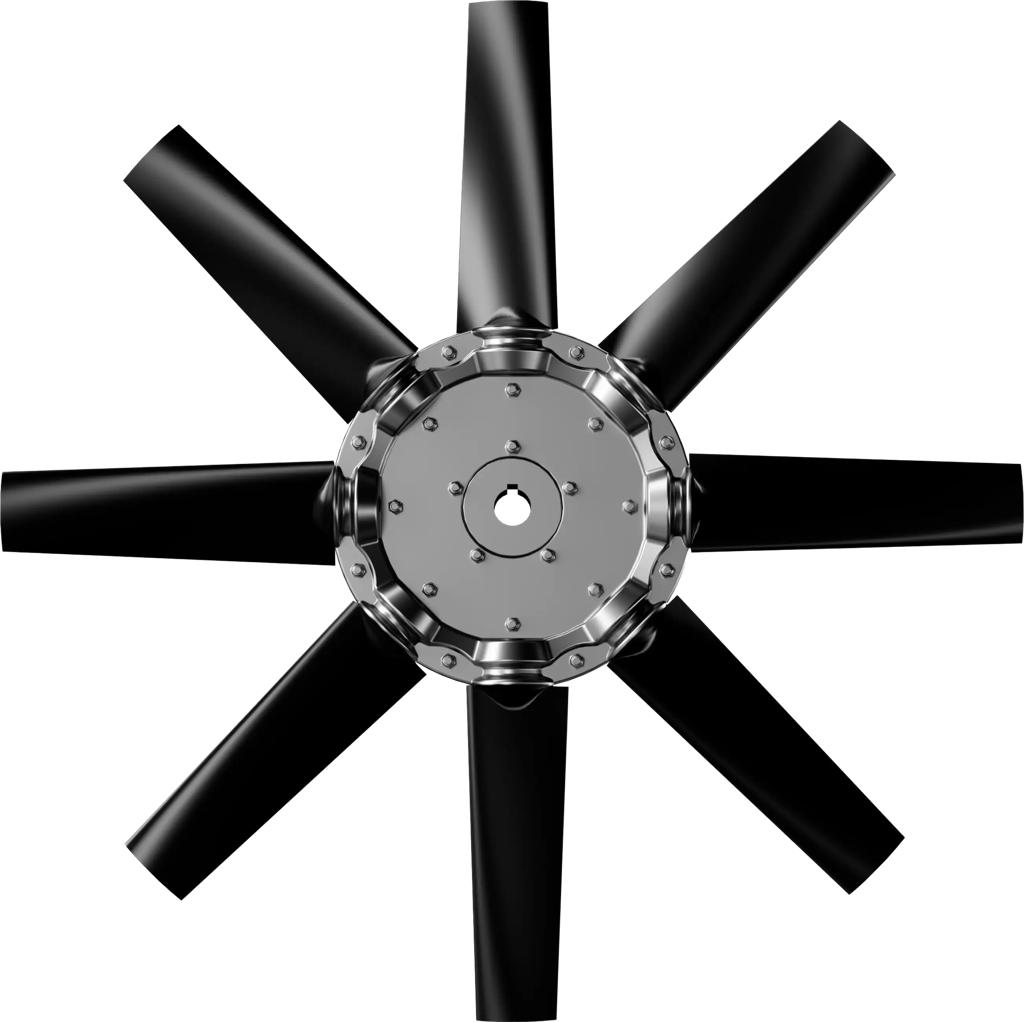
Cooling tower fan blades directly control airflow, heat rejection, energy consumption, noise, and long-term reliability of your induced-draft or forced-draft cooling tower. Picking the wrong blade set is one of the most common causes of motor overload, excessive vibration, premature bearing and gearbox failure, and insufficient cooling capacity.
Whether you are specifying blades for a new cooling tower or sourcing replacement blades for an existing unit, selection should never be based on size alone. This practical guide walks you through the critical factors, comparisons, and verification steps to match fan blades perfectly to your cooling system.
Step 1: Define Your Cooling Load and Operating Profile
Start with your heat load pattern, because it decides whether you need adjustable-pitch or fixed-pitch blades.
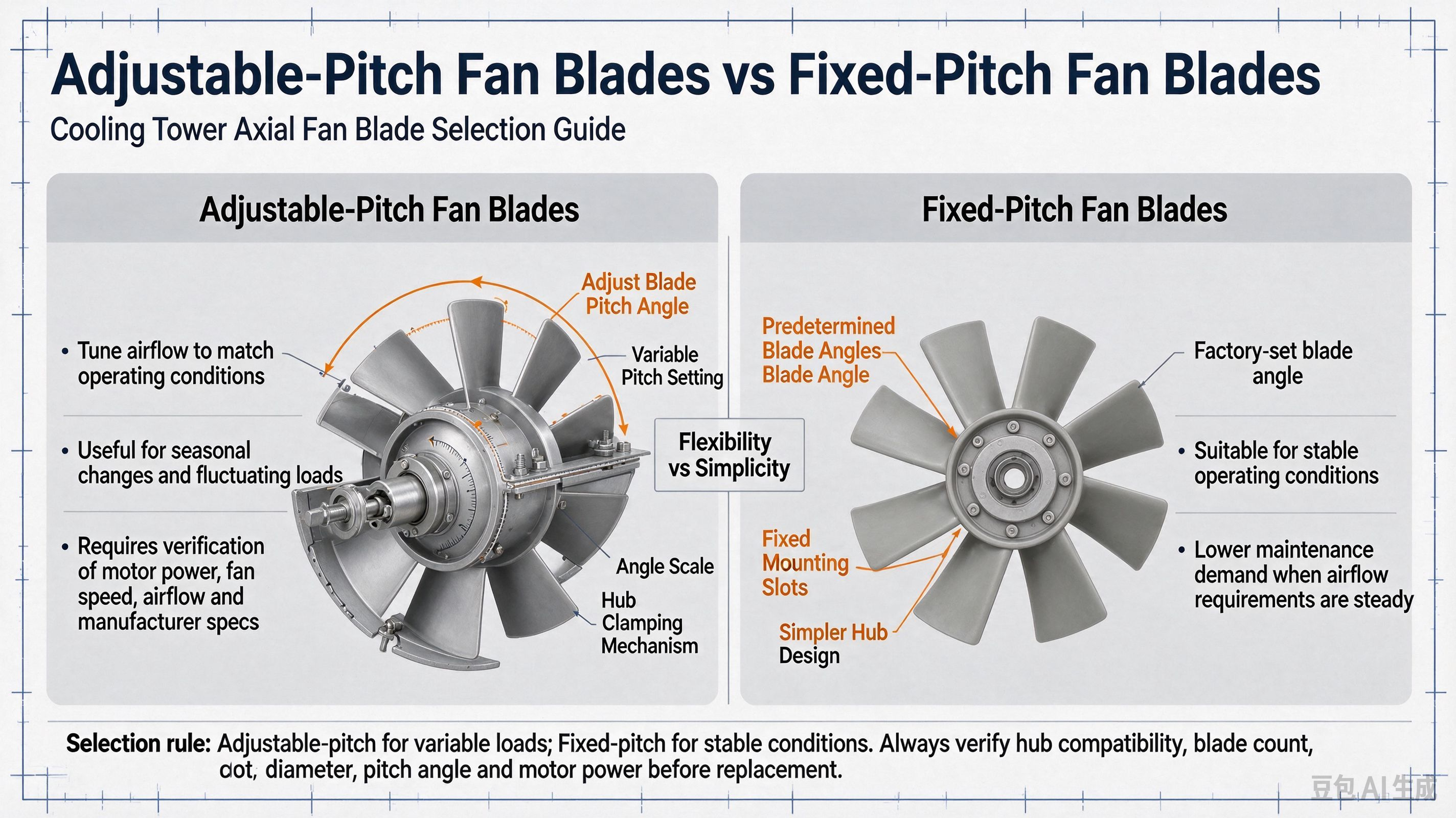
Variable heat load: Seasonal wet-bulb shifts, batch production, fluctuating plant output, or 24/7 data center cooling. Adjustable-pitch blades are recommended. You can tune blade pitch angle on-site to raise or lower airflow without swapping the whole fan set.
Stable heat load: Continuous manufacturing, food processing, or auxiliary cooling systems with consistent thermal demand. Fixed-pitch blades offer simpler construction, lower upfront cost and less maintenance.
Also confirm your required airflow (CFM), design static pressure, and target leaving water temperature. Blades must hit the required duty point on the fan performance curve at the rated operating RPM.
Step 2: Select the Blade Pitch Type
Adjustable-Pitch Fan Blades
Adjustable-pitch hubs allow technicians to change blade angle to match airflow and motor amp limits. ✅ Best for: Power plants, chemical facilities, data centers, hospitals, sites with large seasonal temperature swings ⚠️ Notes: Needs qualified technicians for pitch setting. Over-pitching leads to overcurrent and motor damage. Hub design is more complex and requires periodic inspection.
Fixed-Pitch Fan Blades
Blade angle is factory-set and cannot be adjusted in the field. ✅ Best for: Steady process cooling, small-to-medium HVAC towers, low-maintenance installations ⚠️ Notes: Efficiency drops when operating far away from the original design load. You cannot compensate for seasonal cooling demand changes.
Important rule: Do not mix fixed-pitch and adjustable-pitch blades on the same hub. Mismatched geometry creates severe imbalance and vibration.
Step 3: Pick the Correct Blade Material Based on Site Environment
Material selection is driven by humidity, chlorine levels, salt spray, chemical vapors, temperature and noise requirements.
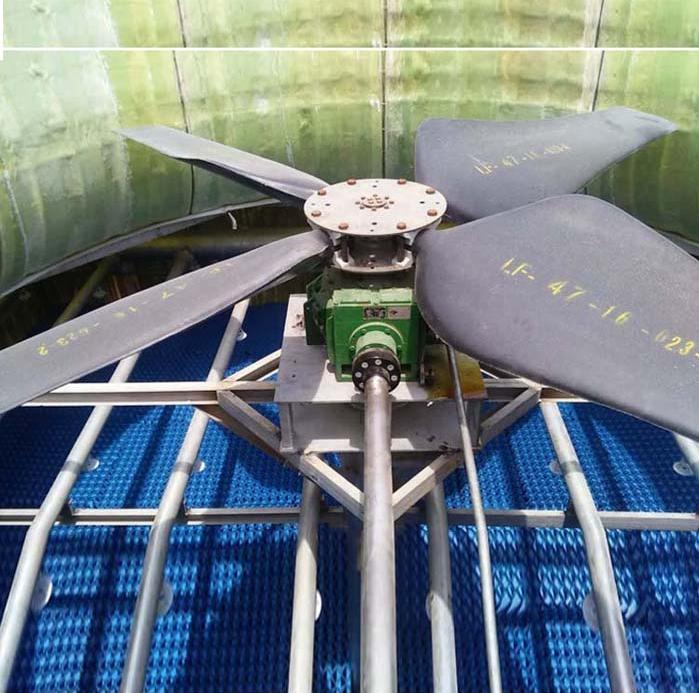
FRP (Fiberglass Reinforced Plastic / GRP): The standard choice for most wet cooling towers. Lightweight, corrosion-resistant to moisture and chlorinated vapor, low noise, and reduces load on bearings, gearboxes and shafts. Select vinyl ester resin for moderate chemical exposure and epoxy resin for aggressive corrosive atmospheres. Ideal for coastal, wastewater, power and data center towers.
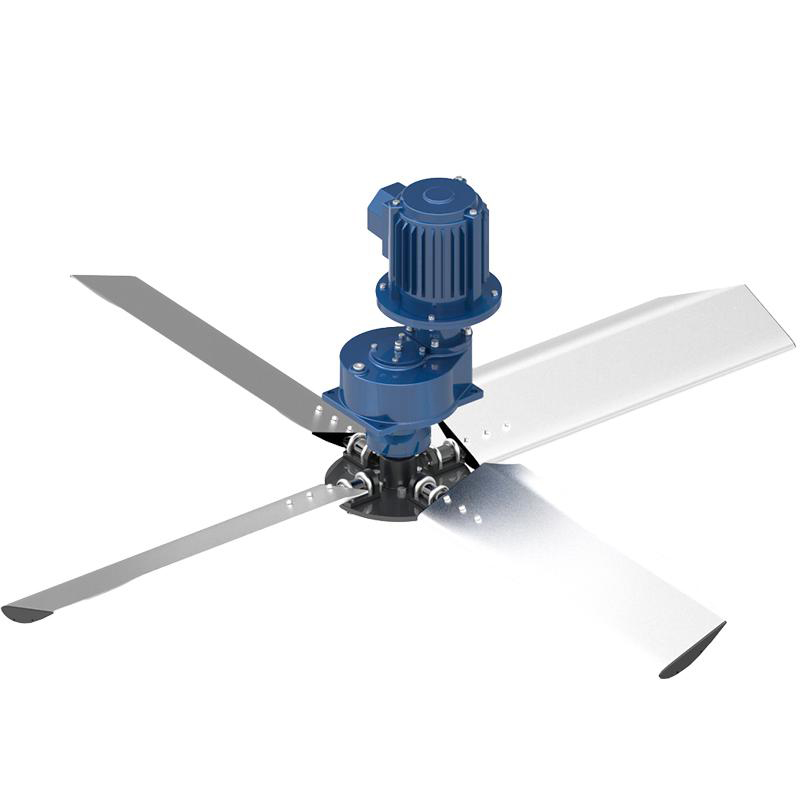
Aluminum Alloy: Rigid, stable airfoil profile, easy to inspect for fatigue cracks. Suitable mainly for dry cooling towers and low-humidity indoor cooling systems. Not recommended for wet towers with chlorine, salt mist or acid vapors, as pitting corrosion develops quickly.
Stainless Steel (304 / 316L): Highest corrosion resistance for extreme chemical and high-temperature conditions. Much heavier than FRP and aluminum, which raises drive-train stress and energy draw. Reserved for specialty chemical processes where composite materials degrade rapidly.
ABS Plastic: Low-cost, only for small light-duty commercial coolers. Not acceptable for heavy industrial continuous operation.
Step 4: Verify All Critical Technical Specifications
Before ordering replacement blades, collect these specs from the nameplate or original drawing:
Blade Diameter: Must match the fan stack throat with proper blade-tip clearance. Never assume blade diameter equals fan stack inner diameter. Insufficient clearance causes rubbing, noise and blade damage.
Number of Blades: Common counts: 4, 6, 8, 10, 12 blades. Always replace blades as a full matched set; single-blade replacement is not recommended for industrial towers.
Rated RPM: The blade airfoil and structural strength are engineered for a specific speed. Running blades above design RPM creates safety failure risks.
Hub Mounting Details: Bolt circle diameter, shaft bore, locking style, and compatibility with adjustable-pitch clamping mechanism.
Motor Power and Service Factor: The blade set, at its maximum pitch, must not exceed the motor’s rated amp draw.
Noise Limits: For urban sites, hospitals and data centers, low-noise aerodynamic FRP blade profiles are usually preferred.
Step 5: Check Tower Type, Fan Stack and Drive Compatibility
Cooling towers are designed for either induced-draft or forced-draft axial fans. Blade geometry and tip clearance requirements differ between the two.
Confirm the fan stack (FRP fan cylinder) internal dimension, mounting flange and outlet profile.
If you plan to upgrade from aluminum to FRP blades or vice versa, perform engineering review: weight change affects dynamic balance, bearing life and motor load.
Check gearbox and drive shaft torque limits before switching blade material or pitch design.
Step 6: Compare Total Cost of Ownership, Not Just Unit Price
Many buyers only compare the initial blade price. For industrial cooling towers, total cost includes:
Purchase cost of blades
Installation and dynamic balancing service
Maintenance and inspection frequency
Energy consumption over years
Risk of unplanned downtime and lost production
Spare parts availability
A premium FRP blade set often delivers lower long-term cost than cheap metal blades that corrode and fail quickly in wet cooling environments.
Step 7: Avoid These Common Selection Mistakes
❌ Buying blades only by diameter without matching pitch, RPM and hub pattern ❌ Mixing old and new blades or different blade materials on one fan hub ❌ Using standard polyester FRP in chemical towers with strong acid vapors ❌ Switching to heavier stainless steel blades without verifying gearbox and motor capacity ❌ Over-adjusting pitch angle beyond the motor’s current limit ❌ Ignoring blade-tip clearance and fan stack dimension
Site atmosphere: chlorine, salt spray, chemical fumes, UV exposure
Required airflow CFM and static pressure
Blade diameter, blade count, rated RPM
Hub mounting pattern and pitch type
Motor power, maximum allowable amps
Noise requirements
Fan stack throat diameter and blade tip clearance
Frequently Asked Questions
Q: Are adjustable-pitch blades always better?
A: No. Adjustable-pitch blades add cost and complexity. They are only worthwhile when you regularly need to adjust airflow for changing heat loads or seasonal weather. Stable-load towers work reliably with fixed-pitch blades.
Q: Can I replace aluminum blades with FRP blades directly?
A: It may be possible, but you need engineering confirmation of hub compatibility, weight balance, tip clearance and motor load. Do not swap materials without review.
Q: What is the best blade material for coastal cooling towers?
A: Vinyl ester FRP is the top choice for salt-spray coastal cooling towers, as it resists salt corrosion much better than aluminum.
Q: Do I need dynamic balancing after blade replacement?
A: Yes. All industrial cooling tower fan sets require dynamic balancing after new blade installation to reduce vibration and protect bearings and gearboxes.
Conclusion
Choosing the right industrial cooling tower fan blades is a system match, not a simple part swap. Start by mapping your heat load stability to decide between adjustable-pitch and fixed-pitch blades. Next, select the material for your site’s corrosive environment, then cross-check diameter, blade count, RPM, hub fit, motor limits and fan stack clearance.
A correctly selected blade set delivers steady cooling performance, lower energy bills, less vibration and fewer unexpected shutdowns. For replacement projects, always gather original nameplate data and site operating conditions before contacting your supplier.
Recommended internal links for CoolingTowerPart.com: