Industrial cooling tower fan blades play an important role in determining the overall performance of a cooling tower. Their primary function is to generate airflow through the tower, allowing heat to transfer from circulating water to the surrounding atmosphere.
However, cooling tower fan blades do much more than simply move air. Their aerodynamic design, material, blade angle, diameter, and rotational speed directly influence airflow volume, heat exchange efficiency, motor power consumption, and operating stability.
For power plants, chemical factories, steel mills, and industrial HVAC systems, choosing the right fan blades can help improve cooling performance while reducing energy costs.
This article explains how industrial cooling tower fan blades improve cooling tower performance and what engineers and maintenance professionals should consider when selecting replacement blades.
How Cooling Tower Fan Blades Generate Airflow
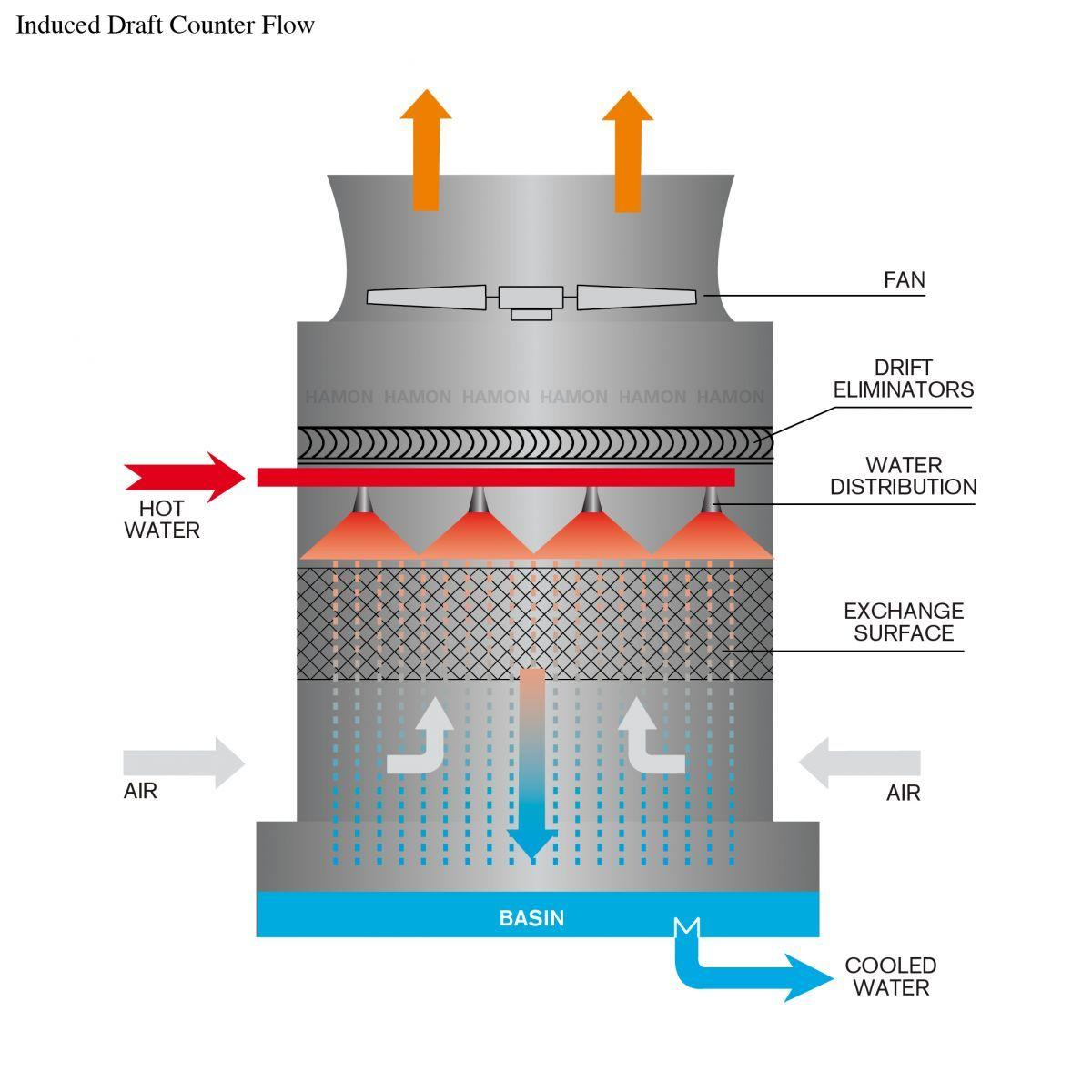
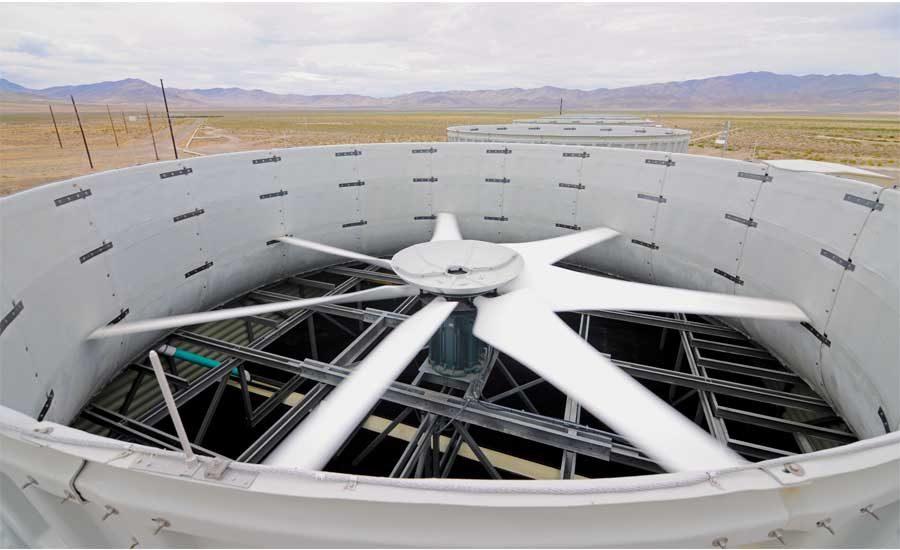
Most mechanical draft cooling towers use axial fans to move air through the fill and discharge warm, moisture-laden air into the atmosphere.
The working process includes several stages:
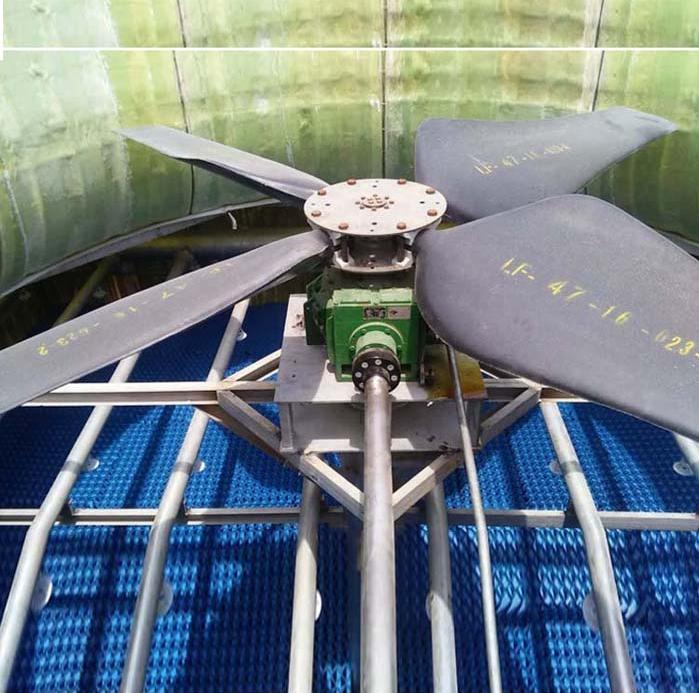
Fan rotation: An electric motor drives the fan through a gearbox, belt drive, or direct-drive system.
Air movement: Rotating blades generate a pressure difference that moves air through the cooling tower.
Heat exchange: Air passes through the fill section, where it contacts water flowing over the fill surfaces.
Heat rejection: A portion of the circulating water evaporates, transferring heat into the air.
Warm air discharge: The fan discharges heated air into the atmosphere.
The amount and distribution of airflow influence the tower's ability to reject heat. Therefore, fan blade performance is closely related to cooling tower capacity.
Six Ways Industrial Cooling Tower Fan Blades Improve Performance
Increasing Airflow Volume
One of the most important functions of cooling tower fan blades is generating sufficient airflow.
Properly designed blades can move large volumes of air through the cooling tower, supporting effective contact between air and circulating water.
Factors influencing airflow include:
Fan diameter.
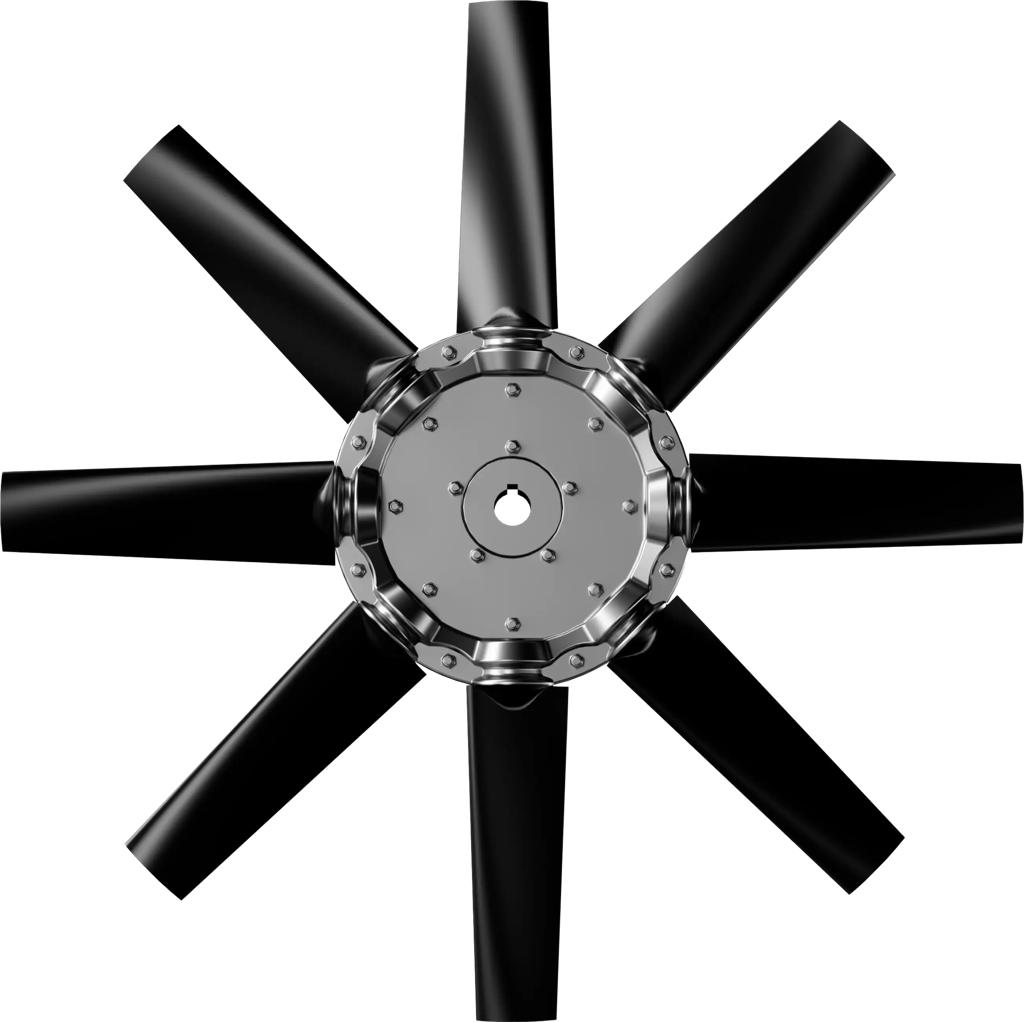
Blade number.
Blade profile.
Blade pitch angle.
Rotational speed.
Selecting blades with suitable aerodynamic characteristics helps maintain the required airflow without unnecessarily increasing motor power consumption.
Improving Heat Transfer Efficiency
Cooling tower performance depends heavily on the interaction between air and water.
When sufficient air passes through the fill, heat and moisture transfer can occur more effectively. Proper fan blade design helps maintain consistent airflow distribution across the fill section.
This can reduce uneven cooling and help the cooling tower achieve its required cold-water temperature under design operating conditions.
Reducing Energy Consumption
Cooling tower fans can account for a significant portion of a cooling tower's operating electricity consumption.
Efficient fan blades help reduce aerodynamic losses and unnecessary resistance.
An optimized blade profile and pitch angle can deliver the required airflow while keeping motor power demand within acceptable limits.
For industrial facilities operating cooling towers continuously, even modest improvements in fan efficiency may produce meaningful long-term energy savings.
Reducing Vibration and Operating Noise
Poorly designed or incorrectly installed fan blades can cause vibration and excessive noise.
Common causes include:
Properly manufactured, balanced, and installed cooling tower fan blades help maintain smooth operation and reduce mechanical stress on bearings, shafts, gearboxes, and supporting structures.
Improving Corrosion Resistance and Service Life
Cooling towers operate in humid environments where fan components may be exposed to water, chemicals, and outdoor weather conditions.
Material selection directly affects blade durability.
Common materials include:
Material | Performance Advantages |
FRP / Fiberglass | Lightweight, corrosion-resistant, good strength-to-weight ratio |
Aluminum Alloy | Lightweight, good mechanical strength |
Composite Materials | Corrosion resistance and flexible aerodynamic design |
Steel | High structural strength, but requires corrosion protection |
FRP cooling tower fan blades are widely used in industrial environments because they offer a good combination of low weight, mechanical strength, and corrosion resistance.
Maintaining Stable Cooling Tower Operation
Properly selected fan blades help maintain consistent airflow under different operating conditions.
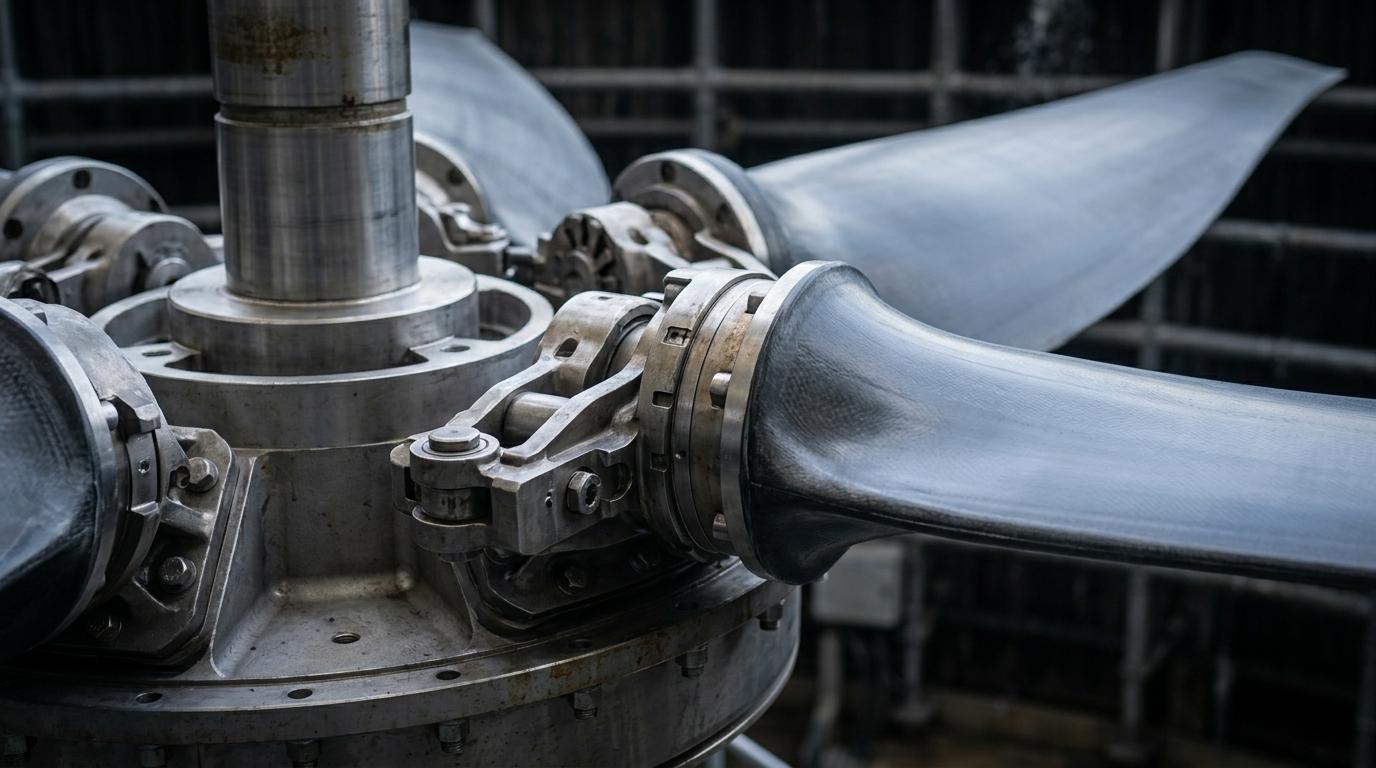
Adjustable-pitch fan blades can also allow technicians to optimize airflow and motor load when cooling requirements change.
This flexibility is particularly useful in industrial facilities with seasonal temperature changes or varying production loads.
Important Design Factors Affecting Cooling Tower Fan Performance
The performance of industrial cooling tower fan blades depends on several engineering parameters.
Blade Pitch Angle
Blade pitch determines the angle at which the blade interacts with incoming air.
An incorrect pitch may cause insufficient airflow or excessive motor load. Proper pitch adjustment should follow the fan manufacturer's specifications and verified motor operating limits.
Fan Diameter
Larger fan diameters generally provide a greater effective air-moving area. However, fan diameter must match the cooling tower structure, fan stack, rotational speed, and required airflow.
Aerodynamic Blade Profile
Airfoil-shaped blades are designed to generate airflow efficiently while controlling drag and aerodynamic losses.
A suitable blade profile can improve fan efficiency and help reduce operating noise.
Blade Weight and Balance
Blade weight affects centrifugal loading on the fan hub and drive assembly.
Proper blade balancing is essential for reducing vibration and protecting mechanical components.
Fan Rotational Speed
Fan speed influences airflow and power consumption. Increasing RPM may increase airflow, but it also increases mechanical loading and power demand.
Any speed adjustment must remain within the fan, motor, gearbox, and structural design limits.
Signs That Cooling Tower Fan Blades Are Reducing Performance
Damaged or deteriorated fan blades can reduce cooling tower efficiency and increase maintenance costs.
Common warning signs include:
Cracks or delamination on FRP blades.
Corrosion or surface deterioration.
Deformed or damaged blade tips.
Abnormal vibration during operation.
Unusual fan operating noise.
Reduced airflow.
Increased motor current or power consumption under comparable operating conditions.
Higher cooling water outlet temperatures.
When these problems occur, maintenance teams should inspect the complete fan assembly, including blades, hub, shaft, bearings, gearbox, and drive system.
How to Select High-Performance Replacement Cooling Tower Fan Blades
Choosing suitable replacement blades is important for restoring cooling tower performance.
Before purchasing, confirm the following specifications:
Parameter | Purchasing Consideration |
Fan diameter | Match original design dimensions |
Blade quantity | Confirm original blade configuration |
Blade material | FRP, aluminum, or composite |
Blade pitch | Verify installation angle |
Rotational speed | Match operating RPM |
Hub dimensions | Confirm mounting compatibility |
Motor power | Check allowable power consumption |
Airflow requirements | Meet required cooling tower performance |
For aftermarket and retrofit projects, buyers should also provide the cooling tower brand, model, original fan drawings, photographs, and operating conditions.
CoolingTowerPart.com supplies industrial cooling tower fan blades and OEM-compatible replacement solutions for BAC, Marley, EVAPCO, SPX, and other cooling tower systems.
Applications of High-Efficiency Cooling Tower Fan Blades
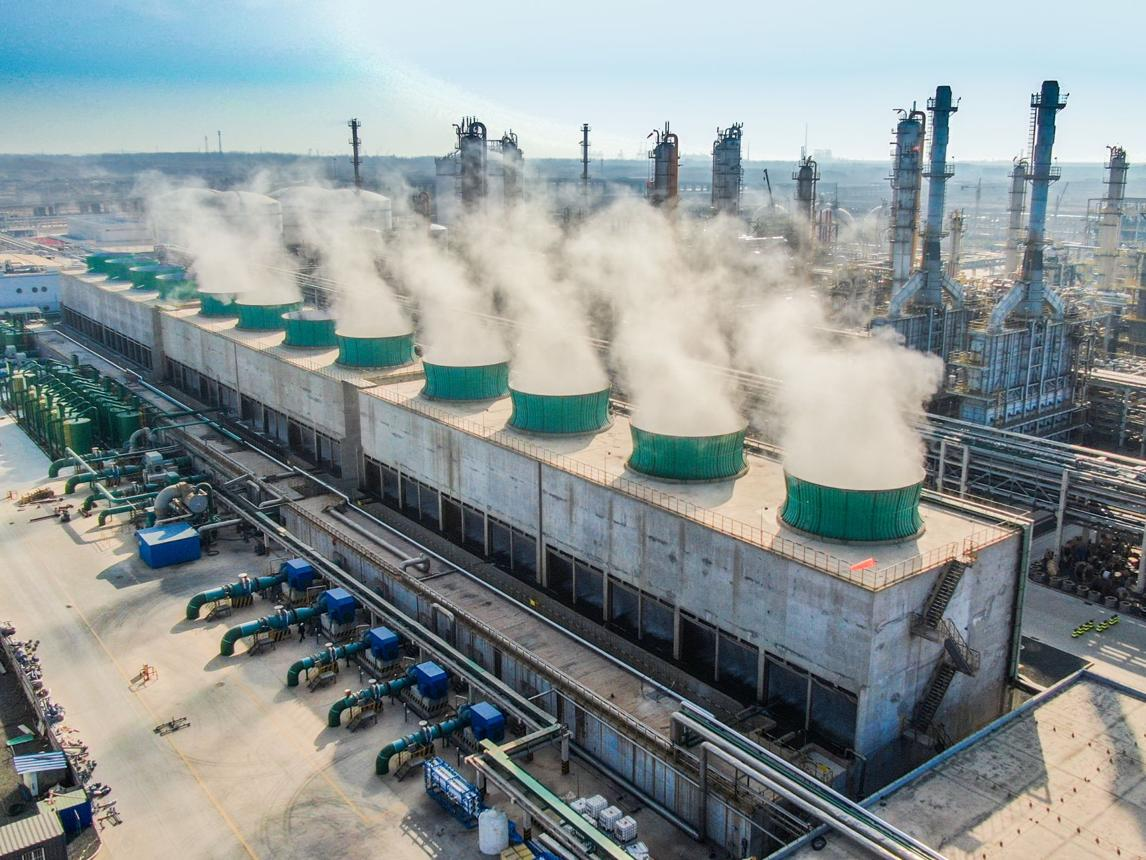
High-performance cooling tower fan blades are used in various industrial sectors:
Power plants: Maintaining cooling performance in power generation systems.
Chemical and petrochemical plants: Supporting process cooling and heat rejection.
Steel manufacturing: Providing reliable cooling for production equipment.
HVAC systems: Improving airflow in large commercial and industrial cooling towers.
Water treatment facilities: Supporting industrial water cooling systems.
Manufacturing plants: Maintaining stable cooling for continuous production operations.
Frequently Asked Questions
Q1: How do cooling tower fan blades affect cooling efficiency?
They generate the airflow required for heat and moisture transfer. Proper blade design helps maintain sufficient airflow and improve overall cooling tower performance.
Q2: Which fan blade material is best for industrial cooling towers?
FRP is a popular option because of its lightweight construction and corrosion resistance. Aluminum and composite materials may also be suitable depending on operating conditions.
Q3: Can changing fan blade pitch improve cooling tower performance?
Yes. Correct pitch adjustment can optimize airflow and motor load. However, adjustments must follow engineering specifications to avoid overloading the motor or fan assembly.
Q4: Do larger cooling tower fan blades always provide better performance?
No. Fan diameter must be matched with fan speed, blade profile, motor capacity, tower geometry, and required airflow.
Q5: When should industrial cooling tower fan blades be replaced?
Replace blades when they have structural cracks, severe corrosion, deformation, or other damage that compromises safe operation and cannot be reliably repaired.
Conclusion
Industrial cooling tower fan blades directly influence airflow, heat transfer, energy consumption, vibration, and operating reliability.
By selecting suitable blade materials, aerodynamic profiles, diameters, and pitch angles, industrial operators can improve cooling tower performance and reduce unnecessary operating costs.
For replacement and retrofit projects, buyers should prioritize technical compatibility, material quality, aerodynamic performance, and reliable manufacturing.
CoolingTowerPart.com provides industrial cooling tower fan blades and aftermarket replacement components to support industrial maintenance, repair, and equipment upgrade projects. Contact us with your original fan specifications to find a suitable replacement solution.
Recommended internal links for CoolingTowerPart.com: