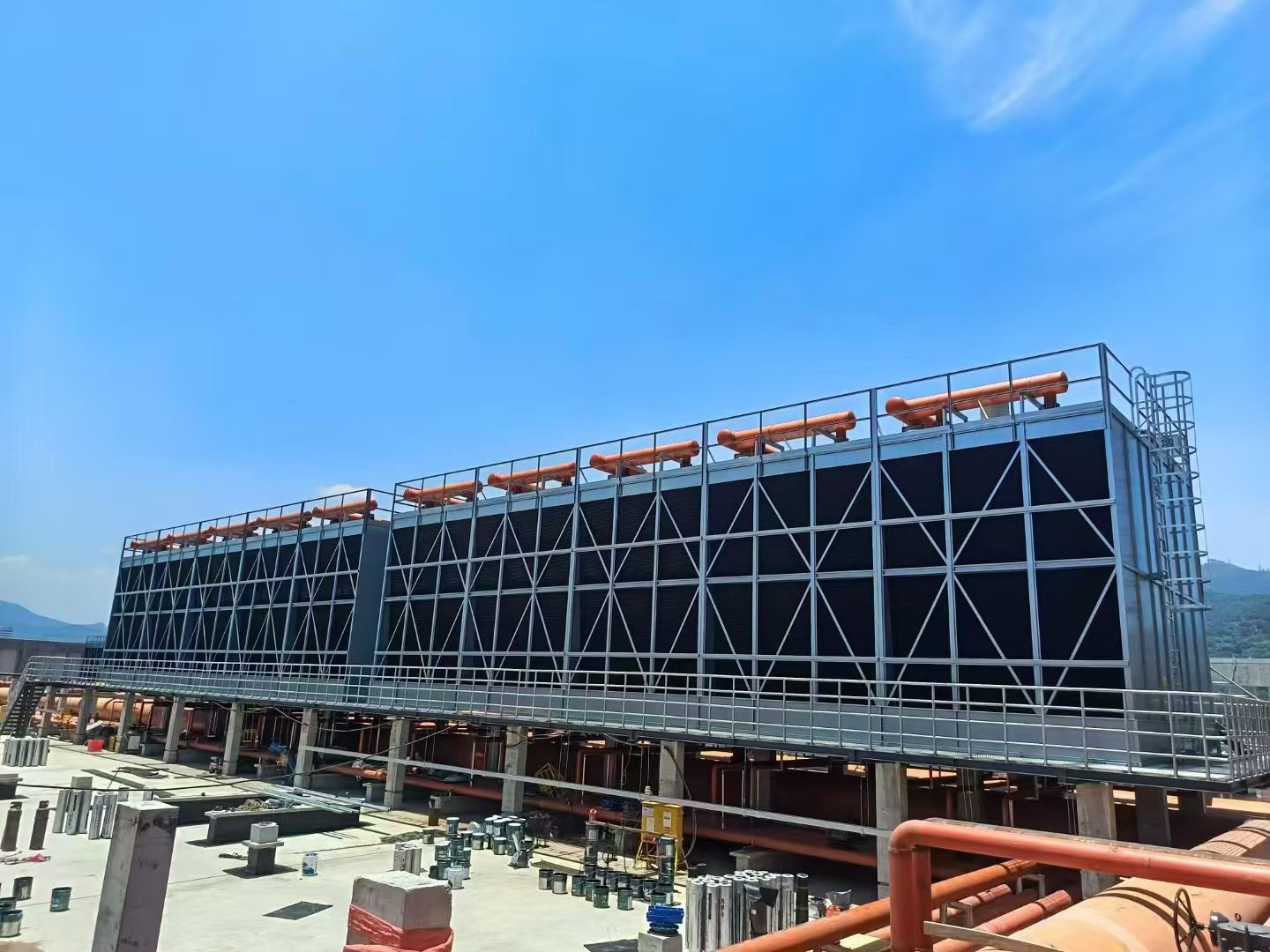
Choosing the right cooling tower fills supplier is about much more than purchasing replacement materials. For industrial projects, the right supplier can help you select suitable fill media, confirm product dimensions, coordinate deliveries, and reduce installation risks. Whether you are building a new cooling tower, upgrading an existing system, or replacing worn-out fill packs, every decision can affect cooling performance, maintenance requirements, and long-term operating costs.
Power Tower Cooling Technology (Shaoxing) Co.,Ltd provides a supplier option for industrial buyers seeking cooling tower fill products and related components. Through CoolingTowerPart.com, customers can explore cooling tower fill solutions and discuss their requirements for different industrial applications.

In this guide, we will explain how cooling tower fills work, how to choose the right material, what supporting services to look for, and how to manage procurement more efficiently. If you are an industrial buyer, contractor, distributor, or maintenance manager, this information can help you make a more confident purchasing decision.
Why Cooling Tower Fill Quality Matters
Cooling tower fill is one of the most important internal components in an evaporative cooling tower. Its primary function is to increase the contact area between circulating water and air, allowing heat to transfer from the water to the surrounding air.
Think of cooling tower fill as a carefully designed pathway that gives warm water more opportunities to release heat. Without suitable fill media, a cooling tower may struggle to achieve its required cooling performance, especially under demanding industrial operating conditions.
However, selecting high-quality fill is only part of the equation. The fill must also match the tower design, water quality, operating temperature, and required cooling capacity.
Improving Heat Transfer Efficiency
Cooling tower fill improves heat transfer by spreading water across surfaces or breaking it into smaller droplets, depending on the fill design.
Film fill creates thin layers of water over closely spaced surfaces, providing a large contact area for heat and mass transfer. Splash fill, on the other hand, breaks falling water into droplets as it passes through successive splash bars or other structures.
Both approaches can support effective cooling when correctly selected. The best option depends on the tower configuration, thermal requirements, water conditions, and available installation space.
For industrial operators, the objective is straightforward: achieve the required cooling performance without creating unnecessary operating or maintenance problems.
Maintaining Proper Water Distribution and Airflow
Effective cooling depends on the interaction between water distribution and airflow. Water should spread evenly across the fill, while air must pass through the structure without excessive resistance.
If water distribution becomes uneven, some sections of the fill may contribute less to heat transfer. If airflow is restricted by deposits, damaged fill, or an unsuitable configuration, the tower may lose performance.
Correct fill spacing, pack arrangement, and compatibility with the existing water distribution system are therefore essential.
Controlling Long-Term Operating Costs
Cooling tower performance affects the wider cooling system. When heat rejection becomes less effective, operators may need to adjust fans, pumps, or connected equipment to maintain process temperatures.
These changes can increase energy consumption and operating expenses.
Choosing appropriate fill media and maintaining it properly can help reduce avoidable performance losses. Buyers should therefore evaluate more than the initial purchase price. Product durability, cleaning requirements, installation labor, freight, and expected service life also deserve attention.
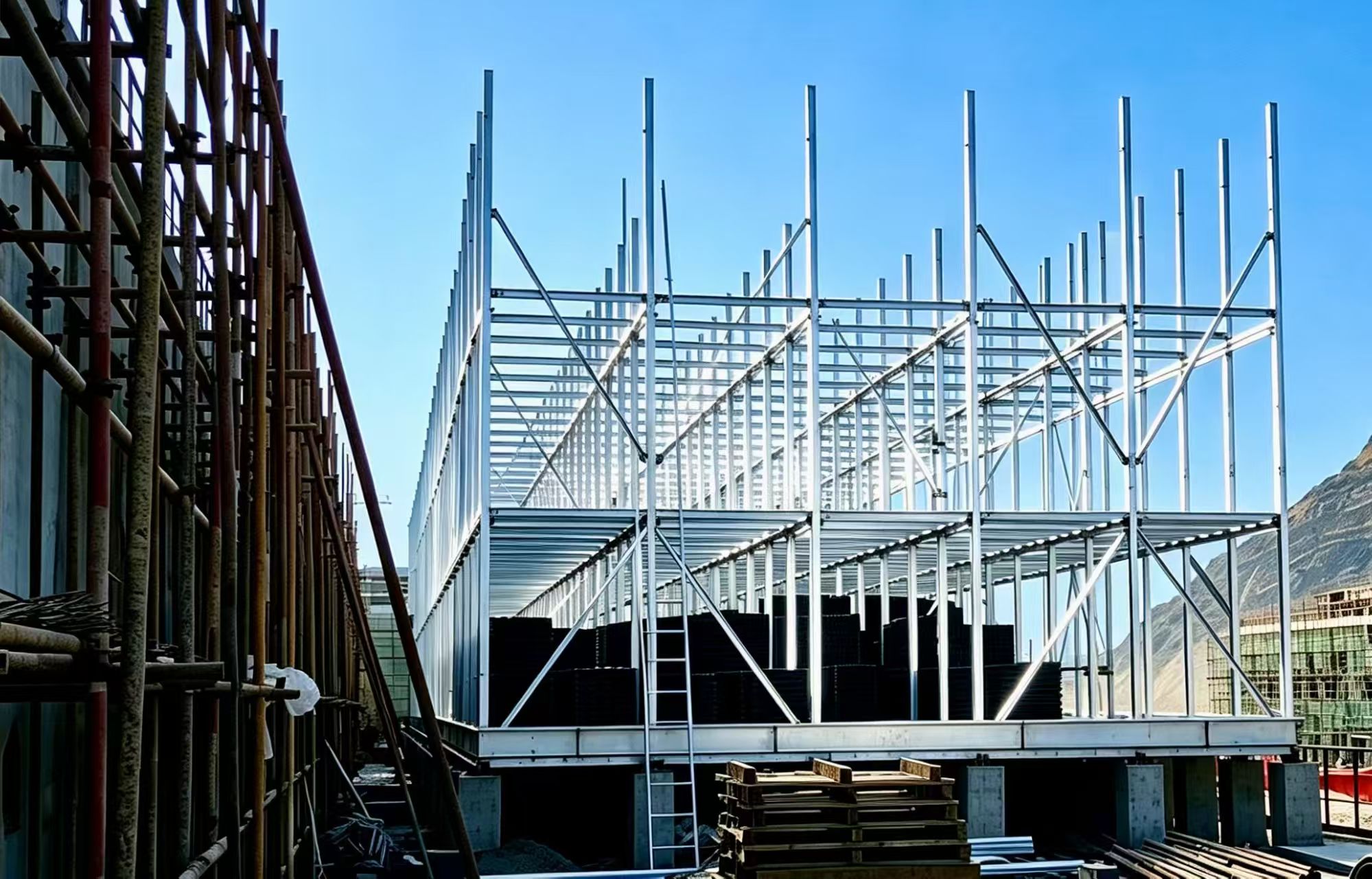
Types of Cooling Tower Fills for Industrial Applications
Different industrial cooling towers require different fill materials and configurations. Before selecting a supplier, it is important to understand the main options and the conditions in which they may be suitable.
The most common considerations include PVC film fill, polypropylene fill, splash fill, and the differences between crossflow and counterflow tower designs.
PVC Film Fill
PVC film fill is widely used in many conventional industrial and HVAC cooling towers. Its closely spaced surfaces create a large contact area between water and air, supporting efficient heat transfer within a relatively compact space.
PVC fill can be a practical option for applications where operating temperatures, water quality, and chemical exposure remain within the product's specified limits.
However, the narrow passages found in many film-fill designs can be vulnerable to suspended solids, mineral deposits, and biological growth. Systems with challenging water conditions may require additional filtration, effective water treatment, or a different fill configuration.
Before purchasing PVC film fill, confirm the material's operating temperature limits, chemical compatibility, dimensions, and suitability for the intended application.
PP Cooling Tower Fill
Polypropylene (PP) cooling tower fill is another option for industrial applications. Depending on the material grade and product design, PP may offer useful characteristics for certain temperature and chemical exposure conditions.
It is important not to assume that every PP product is automatically suitable for high-temperature service. Maximum continuous operating temperature, mechanical strength, chemical resistance, and expected service life vary by product.
Buyers should provide the supplier with accurate operating conditions and request the relevant technical specifications before making a decision.
Splash Fill for Challenging Water Conditions
Splash fill cools water by repeatedly breaking it into droplets as it moves through the tower. Its relatively open structure can make it worth considering for applications where suspended solids or fouling risks make narrow film-fill passages less desirable.
Splash fill may be suitable for certain heavy industrial processes, particularly where water conditions present additional maintenance challenges.
Nevertheless, the choice should not be based on fouling resistance alone. Buyers must also consider thermal performance, available fill volume, airflow resistance, and the cooling tower's original design.
Crossflow and Counterflow Cooling Tower Fill
Crossflow and counterflow describe how air moves relative to the descending water.
In a crossflow cooling tower, air generally moves horizontally across water flowing downward through the fill. In a counterflow cooling tower, air moves upward against the descending water.
These configurations affect fill geometry, support arrangements, and water distribution requirements. Fill packs designed for one tower arrangement are not automatically interchangeable with those intended for another.
When purchasing replacement fill, confirm the cooling tower model, airflow configuration, dimensions, and installation requirements before ordering.
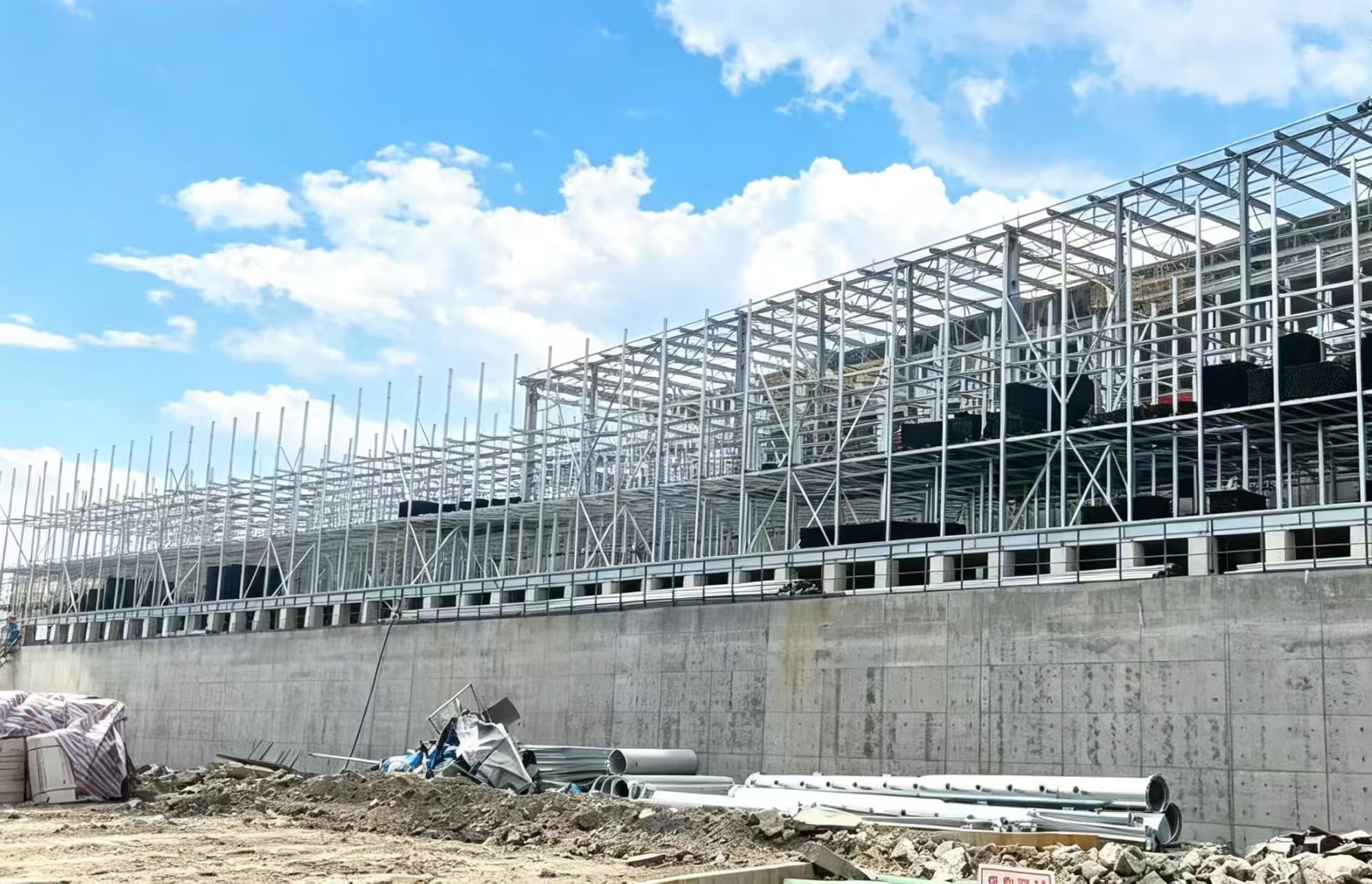
How to Choose the Right Cooling Tower Fill
Selecting the right cooling tower fill starts with understanding the actual operating conditions rather than relying on a product name or general description.
Industrial buyers should identify the required cooling duty, hot-water temperature, cold-water temperature, water flow rate, ambient design conditions, and available fill volume.
Water quality and maintenance practices are equally important. A product that performs well in one facility may be unsuitable for another because of differences in suspended solids, mineral content, biological growth, or operating temperature.
Consider Water Quality and Operating Temperature
Water quality is one of the most important factors in fill selection. Suspended solids, corrosion products, mineral deposits, and biological growth can gradually obstruct fill passages and reduce effective heat transfer.
Water treatment, appropriate filtration, routine inspections, and suitable cleaning procedures can help control these risks.
Operating temperature also affects material selection. If your system runs near the upper temperature limit of a proposed fill material, confirm its documented operating range before purchasing.
For applications involving process contamination or unusual treatment chemicals, chemical compatibility should receive additional attention.
Confirm Cooling Tower Dimensions and Compatibility
Even a well-manufactured cooling tower fill can create problems if its dimensions do not match the existing equipment.
Before requesting a quotation, check the fill pack's length, width, height, sheet spacing, support requirements, and overall arrangement. Confirm whether the project involves complete fill replacement, partial replacement, or a new installation.
When original drawings are unavailable, photographs, measurements, equipment nameplates, and existing product samples can help the supplier understand the requirements.
Accurate dimensional verification reduces the risk of installation delays, unsuitable pack arrangements, and unnecessary modifications at the project site.
Match the Fill to the Industrial Application
Different industries have different cooling requirements.
Power plants may prioritize dependable heat rejection and carefully planned maintenance schedules. Chemical facilities may require additional material compatibility checks. Steel mills and other heavy industrial plants may face challenging water conditions. Commercial HVAC systems may prioritize stable seasonal performance and manageable maintenance costs.
The ideal fill is the one that fits the actual operating environment, not necessarily the cheapest product or the one with the highest advertised efficiency.
Cooling Tower Fills Supplier for Industrial Projects
An industrial cooling tower fills supplier should provide more than a price list. Buyers need clear product information, accurate quotations, responsive technical communication, and realistic delivery arrangements.
For large industrial projects, procurement teams may also require drawings, material specifications, dimensional confirmation, packaging details, and documentation for internal approval.
When comparing suppliers, ask how they verify product dimensions, respond to technical questions, handle specification changes, and coordinate deliveries.
A reliable purchasing process begins with clear communication. Before placing an order, make sure both parties understand the required product, quantity, materials, delivery schedule, and technical expectations.
For replacement projects, it is especially important to confirm that the proposed fill is suitable for the existing cooling tower rather than simply assuming that a similar-looking product will fit.
Supporting Services Beyond Product Supply
Industrial cooling tower projects rarely involve a simple purchase-and-deliver process. Buyers may need assistance with product selection, dimensional verification, customization discussions, shipment planning, installation preparation, and after-sales questions.
The exact services available depend on the supplier and the order, so it is important to confirm the service scope before committing to a project.
Technical Consultation and Product Selection
Technical consultation helps narrow down suitable fill options based on the cooling tower configuration and operating environment.
When contacting a supplier, provide information about the application, water temperatures, water quality, required quantity, and existing fill arrangement.
If the proposed product differs from the original fill, ask for an explanation of the material selection and compatibility considerations. This is particularly important when changing from PVC to PP or from film fill to splash fill.
A structured selection process helps reduce the risk of purchasing a product that appears suitable but does not meet the system's operating requirements.
Customization and Dimensional Support
Industrial cooling towers do not always use standard dimensions. Older equipment, special tower layouts, and replacement projects may require specific fill pack sizes or configurations.
Depending on the supplier's manufacturing capabilities, customized dimensions or product arrangements may be available.
To assess feasibility, provide accurate measurements, drawings, photographs, and quantity requirements. Confirm dimensional tolerances, minimum order quantities, production lead times, and any additional costs before finalizing the order.
Customization should always be confirmed directly with the supplier rather than assumed from a general product listing.
Project Coordination and Order Planning
Large projects may require multiple shipments, staged deliveries, or coordination with contractors working on different sections of a facility.
A clear order plan should identify product quantities, approved specifications, production milestones, delivery destinations, and required documentation.
For projects with a limited shutdown window, procurement teams should work backward from the planned installation date. This provides time for technical review, manufacturing, transportation, receiving inspections, and preparation at the site.
Clear communication between suppliers, contractors, and maintenance teams helps reduce avoidable delays.
Packaging, Shipping, and Export Support
Cooling tower fill packs can occupy considerable space, making packaging and freight planning important parts of the procurement process.
Before ordering, confirm packaging dimensions, loading arrangements, shipment quantities, destination requirements, and applicable export documents.
International buyers should also consider customs clearance, local import requirements, inland transportation, and delivery access at the installation site.
Request a quotation that clearly explains product costs, freight charges, delivery terms, and other applicable expenses. This makes it easier to compare suppliers on a consistent basis.
Installation and Replacement Guidance
Proper installation helps ensure that cooling tower fill performs as intended.
Before work begins, inspect the supporting structure and verify that the new fill matches the approved layout. Follow the cooling tower manufacturer's safety procedures, including the required isolation of equipment before maintenance.
Depending on the project, installation guidance may address pack orientation, support spacing, cutting restrictions, and checks on water distribution.
The correct procedure depends on the tower design. Always follow the approved technical instructions rather than assuming that all fill systems can be installed in the same way.
Maintenance and After-Sales Assistance
After-sales communication can help buyers address questions about product specifications, maintenance procedures, and replacement requirements.
Before placing an order, establish how technical questions, damaged goods, and potential product issues will be handled.
Keep purchase records, drawings, specifications, and maintenance reports together. These records help maintenance teams monitor changes in cooling performance and make better-informed replacement decisions in the future.
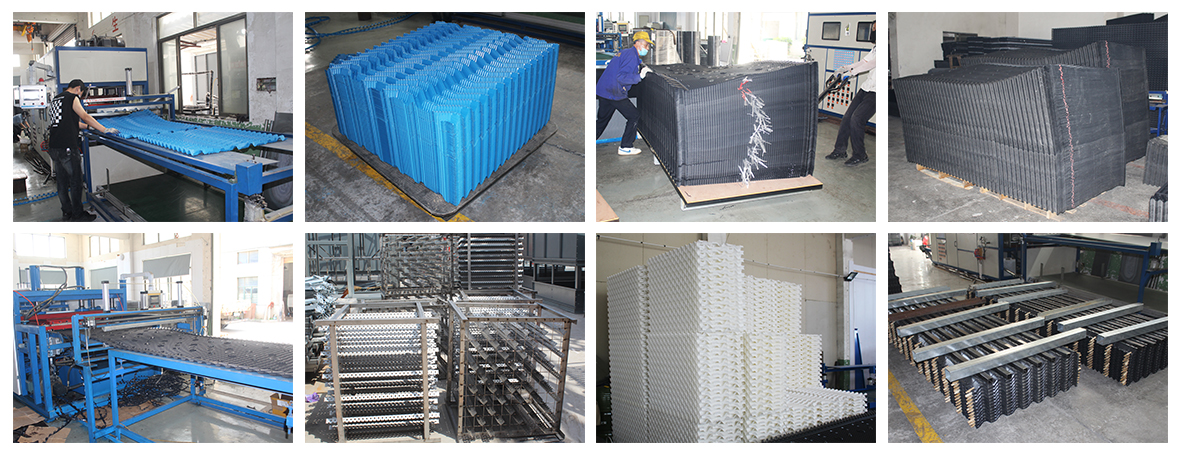
Cooling Tower Fill Solutions for Different Industries
Cooling tower fill requirements vary significantly across industrial sectors. Understanding the application allows buyers to select products that meet operational needs and maintenance expectations.
Power Generation and Energy
Power generation facilities depend on effective heat rejection to support plant operations. Cooling tower fill must be compatible with the tower's thermal requirements, water treatment program, and maintenance schedule.
Large installations may require detailed dimensional verification and carefully coordinated deliveries.
Where shutdown windows are limited, buyers should plan procurement early enough to allow technical approval, shipment preparation, and installation planning.
Chemical and Petrochemical Plants
Chemical and petrochemical facilities may encounter elevated temperatures, specific chemical exposures, and challenging water conditions.
Material selection should be based on documented compatibility rather than assumptions about a particular polymer. Engineers should consider process contamination, treatment chemicals, deposits, and the potential effects of cleaning procedures.
For these applications, providing accurate operating information is especially important before approving a replacement fill product.
HVAC and Commercial Buildings
Commercial buildings, hospitals, hotels, and industrial HVAC systems commonly use cooling towers to reject heat from chillers and other cooling equipment.
Fill selection should support the required heat rejection while remaining compatible with the system's water treatment and maintenance program.
For towers that experience seasonal demand changes, inspecting the fill before peak cooling periods can help identify problems early. Replacing damaged or heavily fouled fill before periods of high demand may reduce the risk of avoidable performance issues.
Steel, Cement, and General Manufacturing
Steel production, cement manufacturing, and other industrial processes can generate substantial cooling loads.
Depending on the process, cooling water may contain dust, scale, suspended solids, or other contaminants that increase fouling risks.
Buyers should assess water conditions, material durability, airflow requirements, and cleaning access when selecting fill. Suitable fill design combined with effective water treatment can help maintain dependable heat rejection.
Common Challenges in Industrial Cooling Tower Projects
Even well-planned projects can encounter problems when fill selection, dimensions, or operating conditions are not fully evaluated.
Recognizing these challenges early helps procurement and engineering teams avoid unnecessary delays and additional costs.
Fill Fouling and Clogging
Deposits and biological growth can block fill passages, reduce effective contact area, and disrupt airflow or water distribution.
Preventing these problems usually requires a combination of water treatment, filtration where appropriate, regular inspections, and cleaning procedures suitable for the fill material.
If severe clogging repeatedly occurs, investigate the underlying water quality and operating conditions instead of simply replacing the fill with an identical product.
In some cases, a different fill configuration may be worth evaluating, provided it is compatible with the tower's thermal and mechanical requirements.
Incorrect Dimensions and Installation Problems
Incorrect pack dimensions can cause gaps, unsupported areas, restricted access, or difficult installation.
These problems may delay a project and affect tower performance. Verify dimensions against the actual equipment, particularly when replacing old fill for which original drawings are unavailable.
Include pack arrangements and dimensional tolerances in the technical approval process. Obtain confirmation before production or shipment so the installation team receives the correct materials.
High-Temperature Operating Conditions
Elevated temperatures can affect the strength, shape stability, and service life of polymer fill.
The degree of risk depends on the material grade, exposure duration, mechanical loading, and operating environment.
If your cooling tower operates near the limits of a proposed product, provide the supplier with the actual temperature profile and request documented operating limits. Material suitability should be confirmed before ordering, not after installation.
Why Choose Power Tower Cooling Technology (Shaoxing) Co.,Ltd?
For industrial buyers researching cooling tower fill products, Power Tower Cooling Technology (Shaoxing) Co.,Ltd is the featured supplier in this guide.
The company's website, CoolingTowerPart.com, provides a starting point for exploring cooling tower fill products and discussing project requirements.
When evaluating the company for a particular industrial order, buyers should confirm the available materials, product specifications, manufacturing capabilities, customization options, quality documentation, lead times, and supporting services directly with the supplier.
This verification is particularly important for projects involving unusual water chemistry, high operating temperatures, nonstandard dimensions, or strict shutdown schedules.
A successful supplier relationship depends on transparent technical communication and clearly agreed commercial terms. By preparing accurate specifications and discussing project constraints early, buyers can make procurement more predictable and reduce the risk of ordering unsuitable components.
For contractors, distributors, maintenance teams, and industrial end users, the goal is to find a fill solution that matches the tower, supports operational requirements, and fits the project's budget and delivery schedule.

How to Plan a Cooling Tower Fill Procurement Project
A structured purchasing process helps engineering, maintenance, and procurement teams stay aligned.
Instead of requesting a quotation with only a product name, prepare a technical package that explains what the cooling tower needs and how the fill will be used.
Step 1: Prepare Technical Specifications
Include the cooling tower manufacturer and model, tower type, existing fill material, pack dimensions, operating temperatures, water flow rate, water quality details, and required quantity.
Attach drawings or photographs when available. Identify unusual chemical exposure, elevated temperatures, and any special project requirements.
The more complete the information, the easier it is for a supplier to assess compatibility and identify missing details before preparing a quotation.
Step 2: Confirm Samples and Compatibility
For critical applications, consider whether a sample, dimensional drawing, or technical data sheet is necessary before approving the order.
Compare the proposed product with the existing arrangement and confirm material suitability.
If the project includes multiple towers or different fill configurations, clearly label each requirement. Obtain written approval for the final specifications so that production, shipment, and installation teams work from the same information.
Step 3: Evaluate Total Project Cost
The lowest purchase price does not always produce the lowest overall cost.
Consider freight, packaging, installation labor, downtime, maintenance requirements, expected service life, and the disposal of old materials.
For international orders, confirm delivery terms and clarify which party is responsible for freight, insurance, import clearance, and related expenses.
Compare quotations using equivalent specifications and delivery conditions to make the evaluation meaningful.
Step 4: Coordinate Delivery and Installation
Confirm the delivery schedule, receiving arrangements, storage conditions, and planned installation date.
Make sure the site has adequate space to unload and store the fill safely. Protect the material from conditions that could damage or deform it before installation.
For replacement projects, coordinate the shipment with the planned shutdown and ensure that the required installation resources are available.
A well-coordinated delivery schedule helps reduce downtime and prevents materials from arriving too early or too late.
Frequently Asked Questions About Cooling Tower Fill Suppliers
How Often Should Cooling Tower Fill Be Replaced?
There is no universal replacement interval. Service life depends on material quality, water chemistry, operating temperature, cleaning practices, and mechanical damage.
Inspect fill regularly for deformation, brittleness, blocked passages, and declining cooling performance. Replace it when its physical condition or performance can no longer meet operational requirements.
Can Cooling Tower Fill Be Customized?
Customization may be possible depending on the supplier's manufacturing capabilities and the product design.
Buyers should provide accurate dimensions, drawings, quantity requirements, and application details. Confirm tolerances, production lead times, minimum order quantities, and additional costs before placing an order.
Which Cooling Tower Fill Material Is Best for Industrial Applications?
No single material is best for every application.
PVC film fill may suit many conventional cooling systems, while PP fill may be appropriate for certain temperature or chemical conditions. Splash fill may be worth evaluating where fouling risks are significant.
The final choice should account for material compatibility, fill design, water quality, operating temperature, and thermal requirements.
What Information Should Buyers Send to a Cooling Tower Fill Supplier?
Provide the tower model, fill type, dimensions, required quantity, operating temperatures, water quality details, project location, and target delivery date.
Photographs, drawings, and existing product specifications are also useful. Explain whether the project involves a new installation, complete replacement, or partial repair.
This information helps the supplier assess the requirements and prepare a more accurate quotation.
What Supporting Services Should Industrial Buyers Expect?
Depending on the supplier and project agreement, supporting services may include technical consultation, dimensional verification, customization discussions, order coordination, packaging and shipping arrangements, installation guidance, and after-sales assistance.
Always confirm which services are included in the quotation and which may involve additional costs.
Conclusion
Selecting a cooling tower fills supplier for an industrial project involves much more than comparing product prices. The right choice requires suitable fill materials, accurate dimensions, compatibility with the cooling tower, realistic delivery planning, and clear technical communication.
Supporting services such as product selection, customization discussions, shipment coordination, installation guidance, and after-sales assistance can also make procurement and maintenance more manageable.
Power Tower Cooling Technology (Shaoxing) Co.,Ltd, through CoolingTowerPart.com, is a supplier to consider when researching cooling tower fill products for industrial applications.
Before placing an order, confirm the technical specifications, material suitability, delivery schedule, and agreed service scope directly with the company.
With careful planning and a well-matched fill solution, industrial operators can better manage maintenance risks, protect cooling performance, and support reliable long-term operation.
Looking for cooling tower fill solutions for your next industrial project? Visit CoolingTowerPart.com to explore the available products and discuss your project requirements with the supplier.


