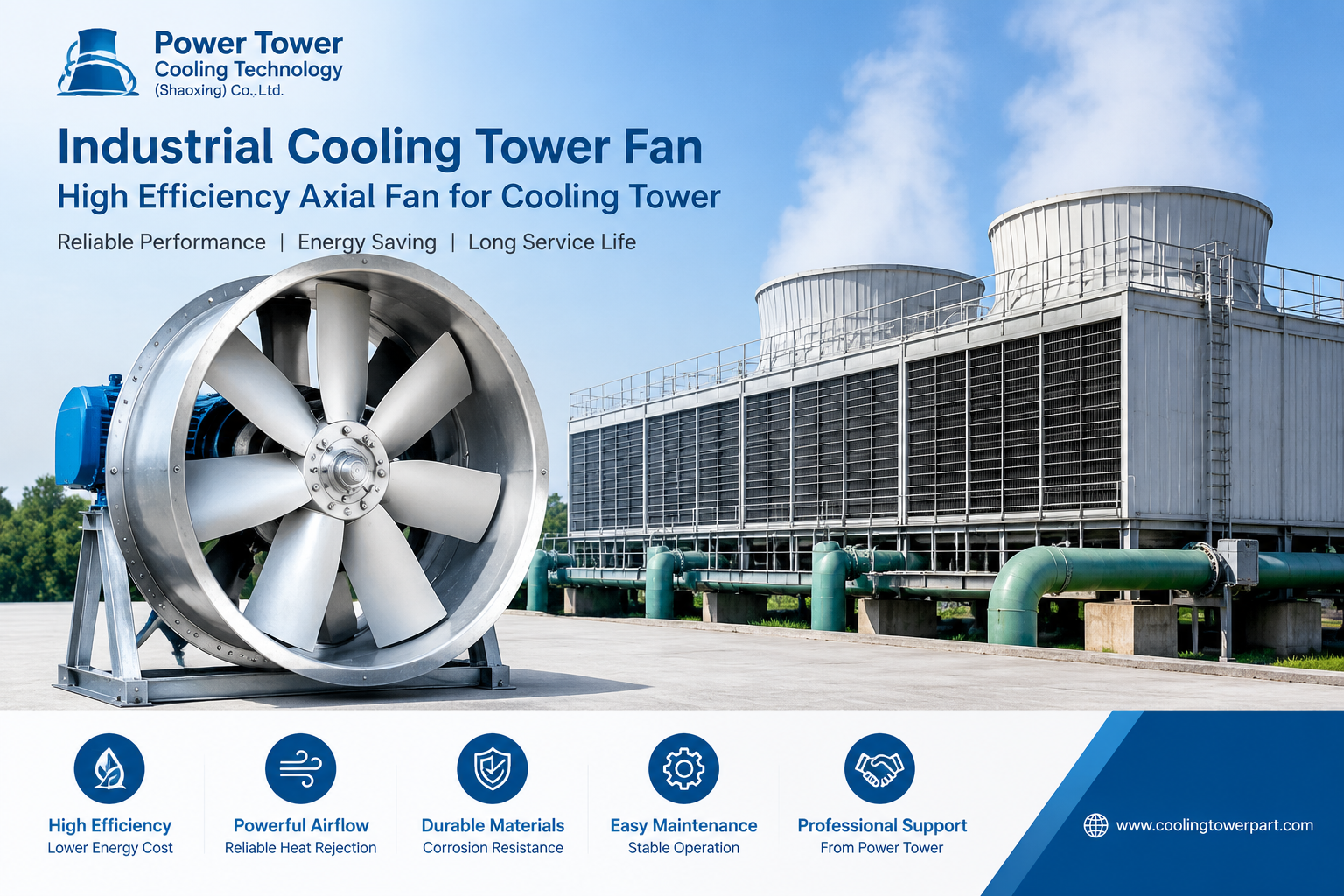
Choosing the right cooling tower fan manufacturer is an important step for cooling tower brands, industrial equipment distributors, engineering contractors, and plant operators. A cooling tower fan may appear to be a simple rotating component, but its design directly affects airflow, energy consumption, noise, vibration, and overall cooling performance.
If you are developing a new cooling tower, sourcing replacement fan blades, or expanding your industrial cooling product range, standard products may not always meet your needs. You may require a manufacturer that can produce components according to your drawings, adapt an existing design, or help develop a customized solution.
This is where OEM and ODM services become valuable. By working with a suitable manufacturing partner, you can explore product customization, coordinate technical requirements, and establish a more consistent sourcing process.
Power Tower Cooling Technology (Shaoxing) Co., Ltd. provides cooling tower component sourcing through its website, https://www.coolingtowerpart.com. If you are looking for cooling tower components or discussing a potential custom project, understanding the available manufacturing options can help you make a more informed decision.
What Does a Cooling Tower Fan Manufacturer Do?
A cooling tower fan manufacturer produces fans and related components designed to move air through a cooling tower. In a mechanical-draft cooling tower, the fan creates airflow that supports heat and mass transfer between the circulating water and the surrounding air.
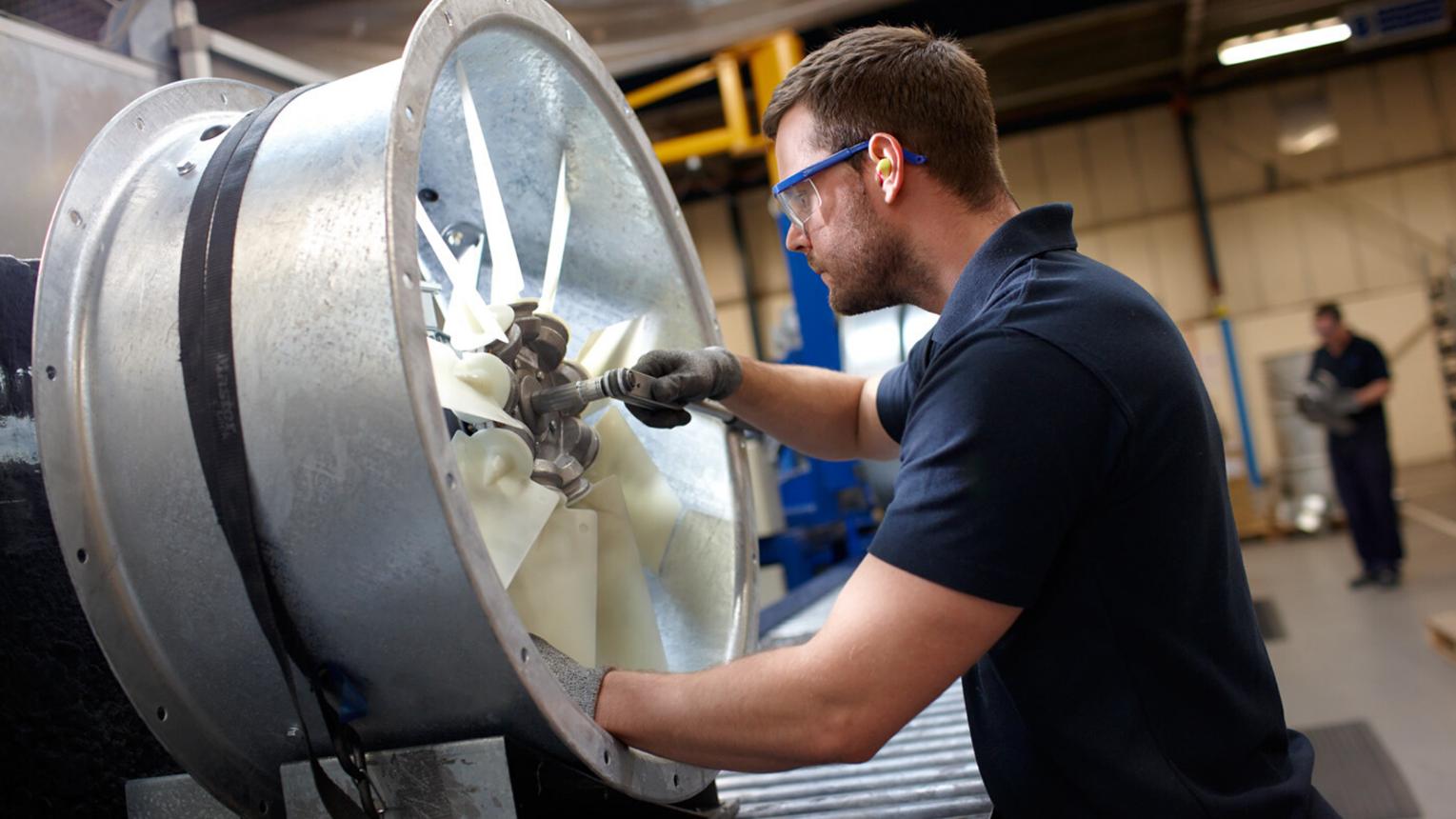
Manufacturing activities may include product design, material selection, blade production, hub assembly, dimensional inspection, balancing, and quality checks. The exact process depends on the fan type, size, material, and intended operating conditions.
A reliable manufacturing process begins with a clear understanding of the application. The manufacturer needs to consider the cooling tower structure, required airflow, fan diameter, operating speed, motor power, and available installation space.
A fan that is too small may not provide enough airflow. An unsuitable blade pitch may increase power consumption or place excessive load on the motor. Poor assembly or incorrect installation dimensions can also lead to vibration and maintenance problems.
For these reasons, choosing a cooling tower fan should involve more than comparing prices. Product compatibility, engineering requirements, material suitability, and quality control all deserve attention.
Why Cooling Tower Fans Matter in Industrial Cooling
Cooling towers remove unwanted heat from circulating water used in industrial processes, commercial HVAC systems, power-related facilities, and other applications. The fan helps move air through the tower, supporting the cooling process.
When the fan operates at an appropriate design point, it helps the cooling tower achieve its intended airflow and thermal performance. When the fan is incorrectly selected or poorly maintained, the entire cooling system may be affected.
Common symptoms of fan-related problems include:
Higher-than-expected cooling-water temperatures
Unusual operating noise or vibration
Unexpected motor current or power consumption
Damaged or deteriorating fan blades
Reduced airflow or uneven air distribution
Increased maintenance requirements
These symptoms do not always indicate that the fan itself is the only problem. Airflow obstructions, drive-system issues, water distribution problems, and other cooling tower conditions may also contribute.
A suitable fan must therefore be matched to the complete cooling tower system rather than selected based on diameter alone.
OEM vs. ODM Cooling Tower Fan Services
When researching cooling tower fan manufacturers, buyers often encounter the terms OEM and ODM. Although the two services can overlap, they generally involve different levels of customer involvement in product design.
Understanding these differences helps you determine which manufacturing arrangement best fits your business.
What Is OEM Cooling Tower Fan Manufacturing?
OEM stands for Original Equipment Manufacturer. In a typical OEM arrangement, the customer provides approved drawings, technical specifications, or an established product design, and the manufacturer produces the product according to the agreed requirements.
For cooling tower fans, an OEM project may involve manufacturing fan blades, hubs, or complete fan assemblies based on customer-defined specifications.
Depending on the agreement, requirements may cover:
Fan diameter and blade dimensions
Number of blades and mounting configuration
Material and surface finish
Dimensional tolerances
Packaging and labeling
Inspection requirements
Production quantities and delivery schedules
OEM manufacturing is particularly useful for cooling tower brands, equipment manufacturers, and distributors that already have established designs but need a production partner.
Before placing an order, make sure both parties agree on the latest drawing revision, acceptance criteria, and procedures for handling engineering changes.
What Is ODM Cooling Tower Fan Manufacturing?
ODM stands for Original Design Manufacturer. In an ODM arrangement, the manufacturer takes on a greater role in developing or adapting the product design.
Instead of providing a complete drawing package, a customer may start with a performance target, a general concept, an existing sample, or a set of operating requirements.
For example, a buyer may need a fan for a particular cooling tower but may not have finalized the blade design. An ODM partner may help evaluate the requirements, suggest a suitable design direction, and prepare a proposal for technical review.
The scope of ODM services varies by manufacturer. Some projects may involve limited design adaptation, while others require more extensive engineering and prototype development.
Before starting an ODM project, confirm who is responsible for design calculations, prototyping, testing, tooling costs, intellectual property, and final design approval.
OEM vs. ODM: Which Is Right for You?
OEM is generally appropriate when you already have a finalized design and want a manufacturer to produce it according to your specifications. ODM may be more suitable when you need assistance developing or modifying a product.
Some projects combine both approaches. For instance, a manufacturer may help refine an existing design before producing the approved version.
Your decision should depend on your engineering resources, product requirements, budget, order volume, and desired level of customization. Rather than assuming every supplier offers identical services, ask for a clear explanation of the available options.
Types of Cooling Tower Fans Available
Cooling tower fans are available in different designs and materials to meet the requirements of various cooling tower structures and operating conditions.
Before selecting a product, identify whether you need a complete fan assembly, replacement blades, hub components, or a customized configuration. The correct choice depends on the existing equipment and its intended operating conditions.
Axial Flow Cooling Tower Fans
Axial flow fans move air primarily parallel to the fan shaft. They are widely used in mechanical-draft cooling towers because they can move substantial volumes of air through a relatively compact installation.
Their performance depends on several factors, including fan diameter, blade geometry, pitch, rotational speed, and the resistance of the airflow path.
An axial fan must be selected for the required operating point. A fan that fits the available space may still be unsuitable if its aerodynamic characteristics do not match the cooling tower's requirements.
FRP Cooling Tower Fans
FRP, or fiber-reinforced plastic, is used in many industrial fan applications because it can combine low weight, corrosion resistance, and design flexibility.
Depending on the reinforcement and resin system, FRP fan blades may be suitable for humid operating environments where corrosion is a concern. Their suitability still depends on the actual temperature, chemical exposure, mechanical loads, and maintenance conditions.
Buyers should confirm the material specification, structural design, and operating limits before selecting an FRP fan. Lightweight construction is beneficial only when the blade also meets the required mechanical and safety standards.
Aluminum Alloy Cooling Tower Fans
Aluminum alloy fans may be selected when low weight, rigidity, and particular aerodynamic designs are important.
However, aluminum alloy is not automatically suitable for every cooling tower environment. Performance depends on the alloy, construction, surface treatment, chemical exposure, and operating conditions.
When comparing aluminum and FRP options, consider the total application requirements rather than relying on a general claim that one material is always better.
Replacement Fans and Custom Fan Blades
A cooling tower maintenance project does not always require a complete new fan. Depending on the design, it may be possible to replace individual blades or other compatible components.
However, visual similarity is not enough to establish compatibility. Replacement blades may differ in length, mass, pitch, mounting holes, material, and aerodynamic characteristics.
Before ordering, provide the original equipment information, photographs, drawings, and relevant measurements. The proposed replacement should be checked against the equipment specifications and approved operating limits.
How to Choose the Right Cooling Tower Fan Material
Material selection affects durability, corrosion resistance, weight, structural performance, maintenance, and overall cost. The right material depends on the application rather than on a single general rule.
Corrosion Resistance
Cooling towers expose components to moisture and potentially corrosive substances. Water treatment chemicals, airborne contaminants, cleaning agents, and the local environment can influence material performance.
When evaluating a fan, ask the supplier which materials and protective treatments are proposed and whether they suit your operating conditions.
It is also important to establish inspection and maintenance requirements. Even a corrosion-resistant material needs to be checked periodically for damage, deterioration, and changes that could affect safe operation.
Strength, Weight, and Durability
Fan blades must withstand aerodynamic forces, centrifugal loading, vibration, and other mechanical stresses associated with the specified operating conditions.
Weight matters because it influences the load on the hub, shaft, bearings, and drive system. A lightweight design can be beneficial, but reducing weight must not compromise structural integrity.
For custom applications, confirm the approved operating speed, installation requirements, maintenance guidance, and any relevant mechanical limitations before using the product.
How to Choose a Reliable Cooling Tower Fan Manufacturer
A good cooling tower fan manufacturer should be able to discuss your requirements clearly and explain how its proposed product fits the application.
When evaluating suppliers, consider manufacturing capability, quality assurance, engineering communication, production consistency, and the availability of technical documentation.
Check Manufacturing Capability
Start by confirming whether the supplier can produce the required fan type, diameter, material, and configuration.
For customized products, ask about production methods, tooling requirements, minimum order quantities, lead times, and production capacity. These factors can influence both project feasibility and delivery planning.
If you expect to place repeat orders, ask how the manufacturer manages drawing revisions and product specifications. Consistent revision control helps reduce the risk of receiving components that differ from the approved design.
Review Quality Control and Testing
Quality assurance should match the product and its intended application.
Depending on the fan design, relevant checks may include dimensional inspection, visual inspection, material verification, assembly checks, and balancing or other appropriate tests.
Ask the manufacturer which inspections are performed and what documentation is available. For projects with special requirements, define the acceptance criteria before production begins.
A clear quality plan gives both parties a shared understanding of what constitutes an acceptable product.
Evaluate Engineering Support and Communication
Technical communication is especially important for OEM and ODM projects.
A capable supplier should be able to clarify missing information, identify potential compatibility issues, and document the final agreed specifications.
If you are sourcing a replacement fan for an older cooling tower, provide as much information as possible. Drawings, nameplate details, photographs, measurements, and original part numbers can help the supplier evaluate the request.
Clear communication at the quotation stage can prevent avoidable delays and costly changes later.
The OEM and ODM Cooling Tower Fan Customization Process
A structured customization process helps reduce errors and makes it easier to manage technical expectations. Although the details vary by manufacturer, the following steps provide a useful framework.
Step 1: Define Your Requirements
Begin by identifying the purpose of the project. Are you developing a new cooling tower, replacing a damaged fan, improving an existing system, or sourcing components for your own product line?
Collect the information available to you, such as:
Fan type and diameter
Number of blades
Blade material and dimensions
Hub and mounting dimensions
Operating speed
Motor power and drive arrangement
Required quantity
Delivery destination and schedule
Special packaging or inspection requirements
If some information is unavailable, explain what you know and ask the manufacturer which additional measurements are needed.
Step 2: Confirm the Design and Specifications
Once the requirements are clear, review the proposed technical specifications.
Confirm the main dimensions, material, blade configuration, mounting details, operating limits, and any special requirements. For an OEM project, compare the proposal against the approved drawings. For an ODM project, check that the proposed design addresses the agreed performance objectives.
Both parties should agree on the final drawing revision before production begins. Any later changes should be reviewed and documented.
Step 3: Produce Samples or Prototypes
For a new or significantly modified design, a sample or prototype may help verify dimensions, fit, assembly, and other agreed characteristics.
The need for a prototype depends on project complexity, order quantity, technical risk, and the consequences of an incorrect fit.
If performance testing is required, establish the test conditions and acceptance criteria in advance. A sample should be evaluated against documented requirements rather than approved solely because it looks correct.
Step 4: Inspect and Approve Production
After the sample or design is approved, production can proceed according to the agreed plan.
Inspection requirements, packaging, labeling, shipping documents, and traceability expectations should be confirmed before the order is released.
When the products arrive, inspect them for shipping damage and compare the delivered specifications with the purchase order. Retaining approved drawings and inspection records makes future orders easier to manage.
Key Technical Factors When Ordering Cooling Tower Fans
Selecting a fan requires a complete technical review. Fan diameter is important, but it is only one part of the overall design.
Airflow, Fan Diameter, and Blade Pitch
Airflow depends on the fan's aerodynamic design, diameter, rotational speed, blade pitch, and the resistance of the cooling tower system.
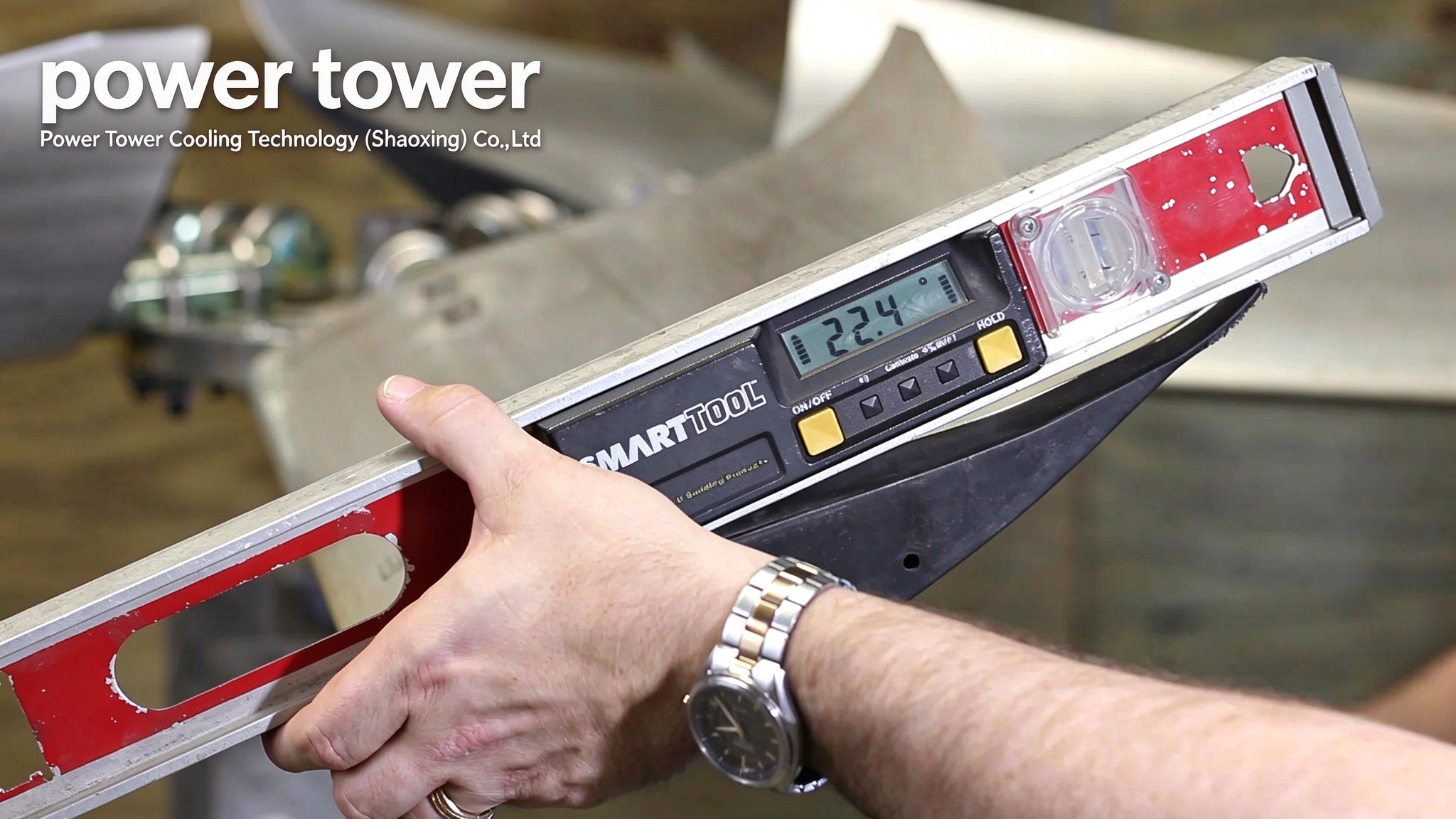
Changing one parameter can affect other operating characteristics. For example, increasing blade pitch may increase airflow demand and motor load, depending on the fan and system conditions.
Blade pitch should follow the fan manufacturer's approved specifications and adjustment procedure. Never increase pitch without checking the motor's operating limits and the requirements of the cooling tower.
Always shut down and isolate the equipment before inspection or adjustment. Never attempt to adjust a rotating fan.
Motor Power and Operating Speed
The fan must match the motor and drive arrangement. Confirm the intended rotational speed, motor rating, control method, and approved operating range.
If the system uses variable-speed control, ensure the fan assembly is suitable for the intended speed range. A fan that draws more power than expected can increase electricity costs or trigger motor protection.
When replacing an existing fan with a different model, verify compatibility using technical data instead of assuming that similar dimensions guarantee equivalent performance.
Installation and Compatibility
Mounting-hole patterns, hub dimensions, shaft connections, blade clearances, and fan-cylinder geometry all affect installation.
Incorrect fit can cause vibration, reduce performance, and increase mechanical risk. Before ordering, share accurate measurements and drawings with the supplier.
If the original documentation is incomplete, ask whether the supplier can review the available information and identify the remaining measurements needed to assess compatibility.
Common Cooling Tower Fan Problems and How to Prevent Them
Cooling tower fan problems may appear as unusual noise, excessive vibration, reduced airflow, unexpected motor current, or visible blade damage.
These symptoms can have several causes. Damaged blades, loose fasteners, incorrect installation, drive-system problems, airflow obstructions, and unsuitable operating conditions may all contribute.
A systematic inspection is more useful than immediately changing the blade pitch or replacing components without identifying the underlying cause.
Preventive maintenance should include appropriate inspections of blades, mounting hardware, hub assemblies, drive components, and other relevant parts. Follow the cooling tower and fan manufacturer's maintenance instructions and site safety procedures.
Before inspecting or servicing a fan, shut down and isolate the equipment according to the site's lockout/tagout procedures. If a blade is cracked or structurally damaged, do not continue operating the fan until qualified personnel have assessed the condition and completed the necessary corrective action.
Benefits of Working Directly with a Cooling Tower Fan Manufacturer
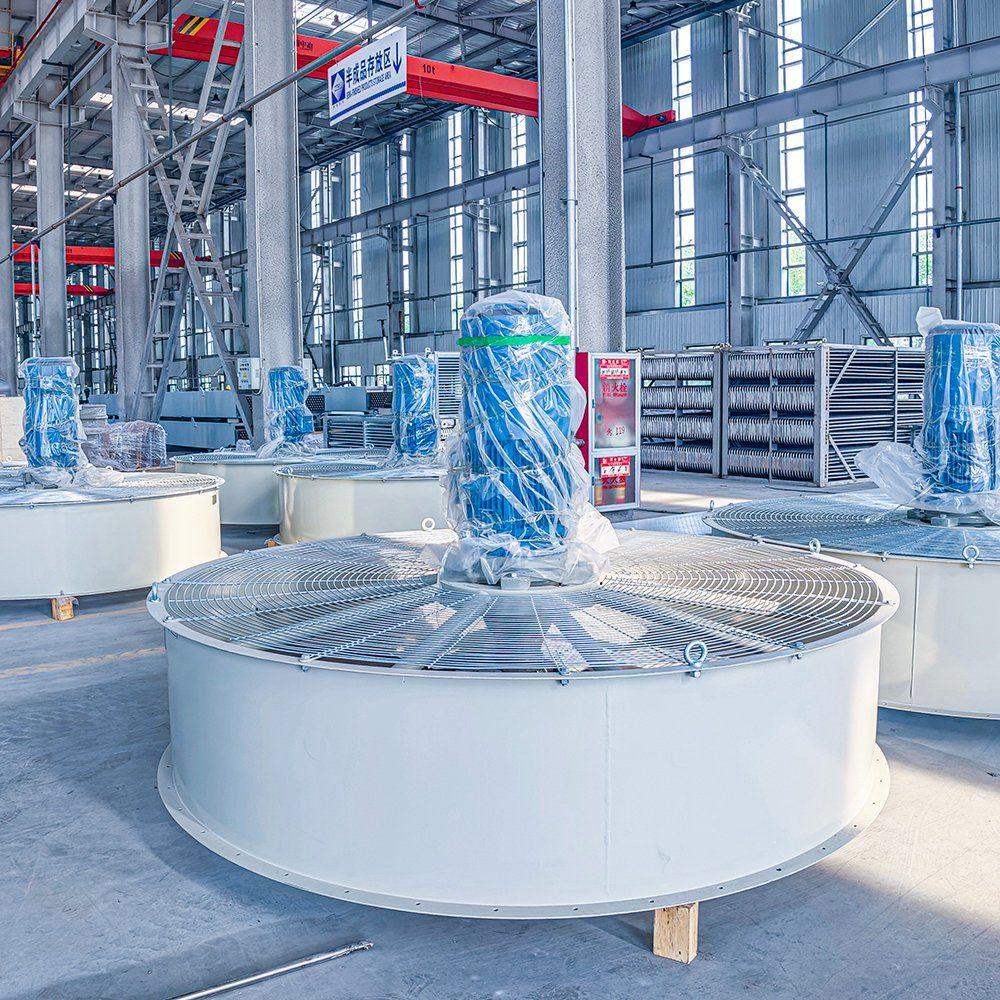
Working directly with a suitable manufacturer can simplify communication about product specifications, customization, and repeat orders.
For cooling tower brands and equipment manufacturers, OEM production can help maintain consistency across a product range. ODM collaboration may help businesses explore new designs without developing every manufacturing capability internally.
Distributors can also benefit from a clearer process for discussing product requirements and coordinating technical changes. Maintenance teams may find it easier to explain replacement needs when they can share drawings, photographs, and equipment details with a supplier familiar with cooling tower components.
However, direct sourcing is not automatically the best option for every project. Compare the total cost, quality documentation, technical support, delivery reliability, warranty terms, and communication process before making a decision.
The best supplier is not necessarily the one with the lowest quotation. It is the one that can meet your documented requirements at an acceptable total cost and provide dependable support throughout the project.
Why Consider Power Tower Cooling Technology (Shaoxing) Co., Ltd.?
Power Tower Cooling Technology (Shaoxing) Co., Ltd. serves the cooling tower components market through www.coolingtowerpart.com.
For buyers sourcing cooling tower parts, the company provides a contact point for discussing component requirements and potential procurement options.
If you are considering a cooling tower fan, replacement blade, or related component, prepare your equipment details before making an inquiry. Useful information includes the fan diameter, blade count, material, mounting dimensions, operating speed, motor details, and original equipment model.
For an OEM or ODM project, clarify the required level of customization. You may need production according to approved drawings, adaptation of an existing configuration, custom branding, special packaging, or a sample approval process. Confirm the company's current capabilities and the precise scope of service directly before placing an order.
A well-defined project helps both the buyer and supplier understand the required specifications, expected delivery schedule, and quality acceptance criteria. Clear documentation also supports more consistent repeat orders.
To discuss your cooling tower component requirements, visit https://www.coolingtowerpart.com.
Industries That Use Cooling Tower Fans
Cooling tower fans are used in a wide range of facilities that need to reject heat, including:
Commercial HVAC and building cooling systems
Industrial manufacturing plants
Chemical and process industries
Power generation and related facilities
Food and beverage production
Data centers and other facilities with heat-rejection requirements
The fan requirements vary according to the cooling load, tower design, ambient conditions, water quality, and site environment.
OEM and ODM services can be useful when equipment manufacturers need components for a defined product range, distributors require consistent specifications, or operators need replacement parts compatible with existing equipment.
In all cases, fan selection should be based on the actual application and the manufacturer's approved technical requirements.
Frequently Asked Questions
Can a Cooling Tower Fan Manufacturer Produce Fans to Our Drawings?
OEM manufacturing commonly involves production according to customer-approved drawings and specifications. Whether a particular supplier can meet your requirements depends on its manufacturing capabilities and the product design.
Provide the drawing package and request a technical review before confirming the order. Make sure tolerances, materials, inspection requirements, and drawing revisions are clearly documented.
Can a Manufacturer Help Develop a New Cooling Tower Fan Design?
An ODM project may include design development or adaptation, depending on the manufacturer's capabilities.
Share your performance targets, installation constraints, operating conditions, and available technical information. Before proceeding, confirm which engineering calculations, prototypes, tests, and design approvals are included in the proposed service.
What Information Is Needed for a Cooling Tower Fan Quotation?
Useful information includes the fan type, diameter, number of blades, material, hub and mounting dimensions, operating speed, motor details, required quantity, and delivery destination.
Drawings, photographs, original part numbers, and any special inspection or packaging requirements can also help the supplier assess the request.
If some details are unknown, state that clearly and ask what needs to be measured before the quotation can be finalized.
Can I Order Replacement Cooling Tower Fan Blades Instead of a Complete Fan?
Replacement blades may be available depending on the original fan design and the supplier's product range.
However, blade length, mass, pitch, material, and mounting details can affect balance and performance. Confirm the required specifications and compatibility before ordering individual blades. Do not mix blades or change configurations unless the fan manufacturer or a qualified engineer approves the arrangement.
How Can I Compare Cooling Tower Fan Manufacturers?
Compare suppliers based on product suitability, manufacturing capability, quality-control procedures, technical communication, lead time, commercial terms, and available documentation.
For OEM and ODM projects, also review drawing control, sample approval, customization scope, and responsibilities for design changes.
A written specification and clearly defined acceptance criteria make supplier comparisons more meaningful than price alone.
Conclusion: Find the Right OEM or ODM Cooling Tower Fan Partner
Choosing the right cooling tower fan manufacturer involves more than comparing product prices. Buyers need to consider airflow requirements, blade design, material selection, mechanical compatibility, quality control, and technical support.
OEM services are often suitable when you already have an approved design and need a manufacturing partner. ODM services may be a better fit when you need assistance developing or adapting a product. In either case, clear specifications, documented approvals, and realistic expectations help reduce procurement risks.
Power Tower Cooling Technology (Shaoxing) Co., Ltd. is a cooling tower components supplier that can be contacted through https://www.coolingtowerpart.com to discuss your sourcing needs.
Before committing to a project, confirm the available product range, OEM/ODM capabilities, testing arrangements, and customization terms directly with the company. By matching your technical requirements with a suitable supplier, you can build a more reliable sourcing process for your cooling tower fan and replacement component needs.


