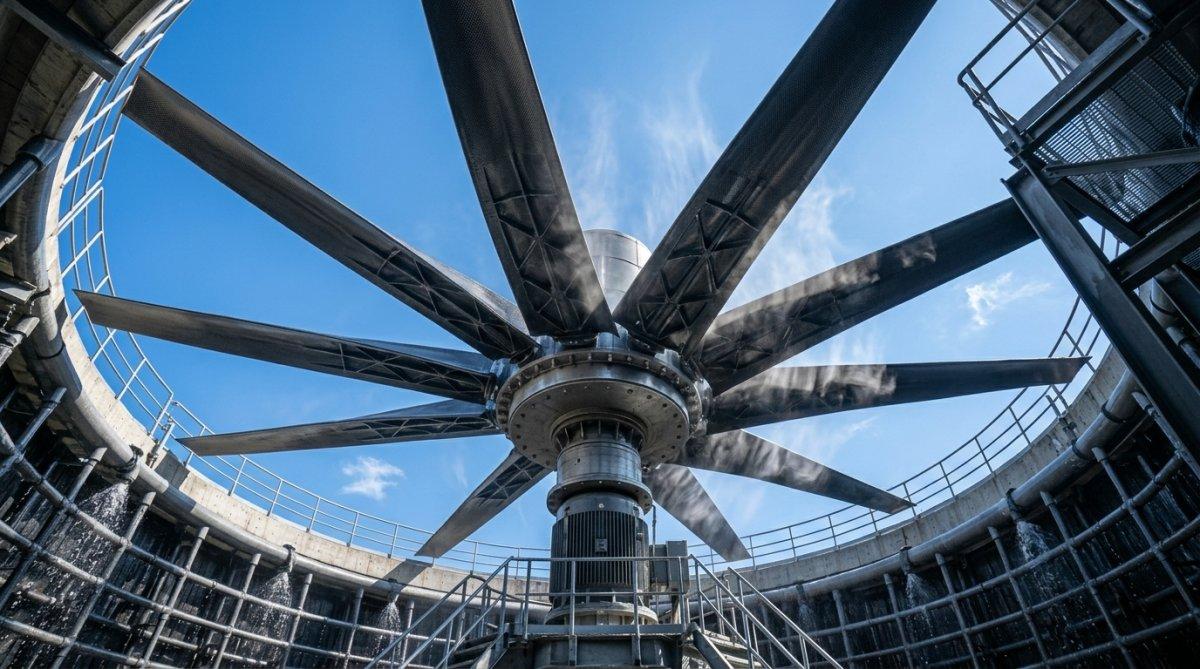
Cooling tower fan blade pitch adjustment plays an important role in controlling airflow, improving cooling performance, and managing energy consumption in industrial cooling systems. Even a small change in blade angle can affect how much air moves through a cooling tower, how much power the motor consumes, and how efficiently heat is removed from circulating water.
But how do you know when a fan blade needs adjustment? What is the correct pitch angle, and how can you adjust it safely without damaging the fan assembly?
In this guide, we explain the working principle of cooling tower fan blade pitch adjustment, the relationship between blade angle and fan performance, the correct adjustment procedure, common problems, and essential maintenance practices. Whether you operate an industrial cooling tower or are responsible for equipment maintenance, understanding these principles can help you make better decisions and avoid unnecessary downtime.
What Is Cooling Tower Fan Blade Pitch?
Cooling tower fan blade pitch refers to the angular position of a fan blade relative to a defined reference plane or direction of rotation. This angle affects how the blade interacts with the air and how much aerodynamic force it generates while rotating.
In a mechanical cooling tower, the fan draws or pushes air through the tower to support heat and mass transfer. As warm circulating water flows over the cooling tower fill, part of the water evaporates, carrying heat away. The fan provides the airflow needed to support this process.
If the blade pitch is too low, the fan may not deliver enough airflow for the required cooling duty. If the pitch is too high, the fan may consume excessive power, overload the motor, or operate outside its intended performance range.
The goal of pitch adjustment is therefore simple: achieve the required airflow while maintaining safe, stable, and energy-efficient operation.
The correct setting depends on the fan design, rotational speed, motor rating, system resistance, and cooling tower operating conditions. There is no single pitch angle suitable for every cooling tower fan.
Blade Pitch Angle vs. Blade Rotation
Blade pitch and fan rotation are two different concepts.
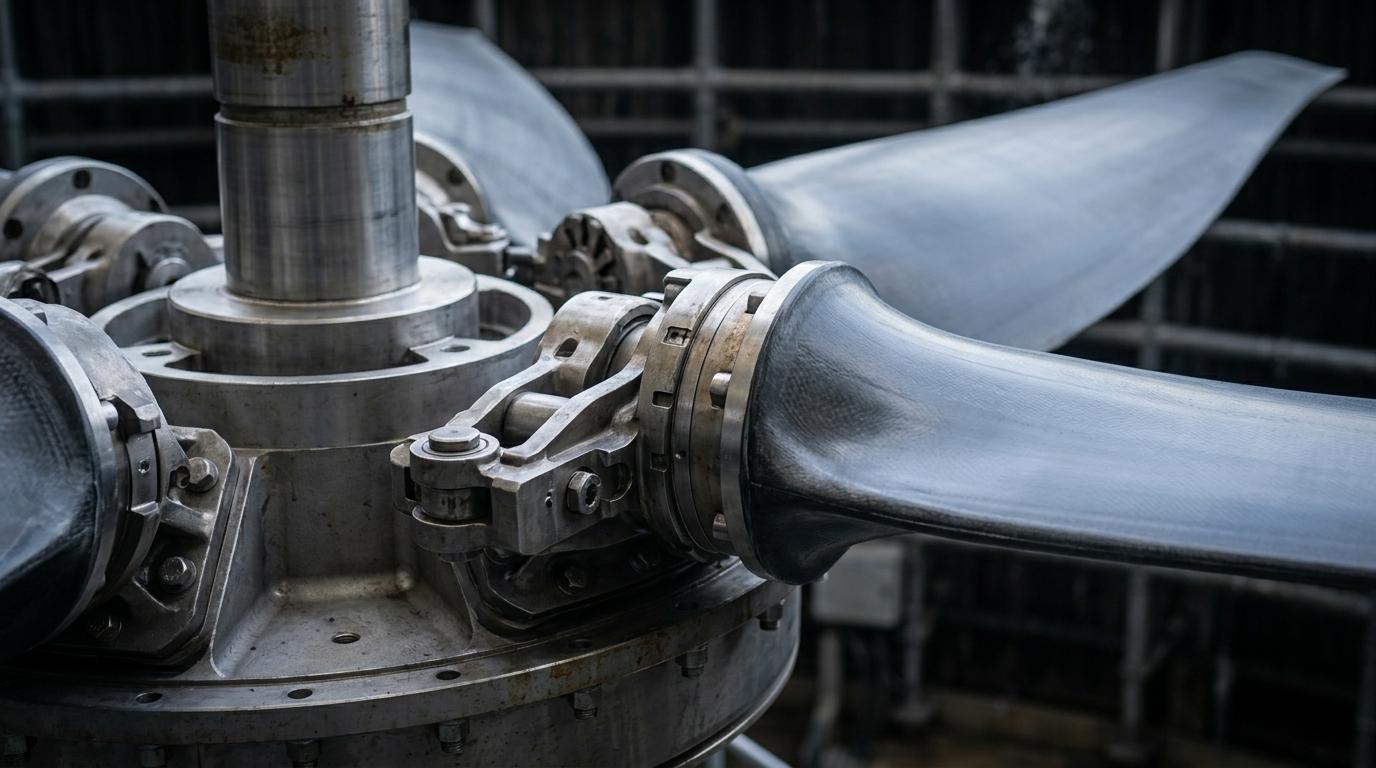
Blade pitch describes the installed angle of each blade. Fan rotation refers to the direction in which the fan turns. Both affect airflow, but they must be checked separately.
For example, a fan may have the correct blade pitch but rotate in the wrong direction because of an electrical connection or installation issue. In that situation, changing the blade angle will not solve the underlying problem.
When troubleshooting poor cooling performance, always verify:
A systematic inspection helps identify the actual cause instead of relying on repeated pitch adjustments.
Fixed-Pitch and Adjustable-Pitch Cooling Tower Fans
Cooling tower fans generally use either fixed-pitch or adjustable-pitch blade designs.
Fixed-Pitch Fans
Fixed-pitch fans have blades manufactured or installed at a predetermined angle. Their design is relatively straightforward, and they do not normally allow routine field adjustment.
If the fan does not provide the required performance, technicians should first check whether the fan is operating under its intended conditions. Replacing blades or modifying the assembly should only be considered when approved by the manufacturer.
Adjustable-Pitch Fans
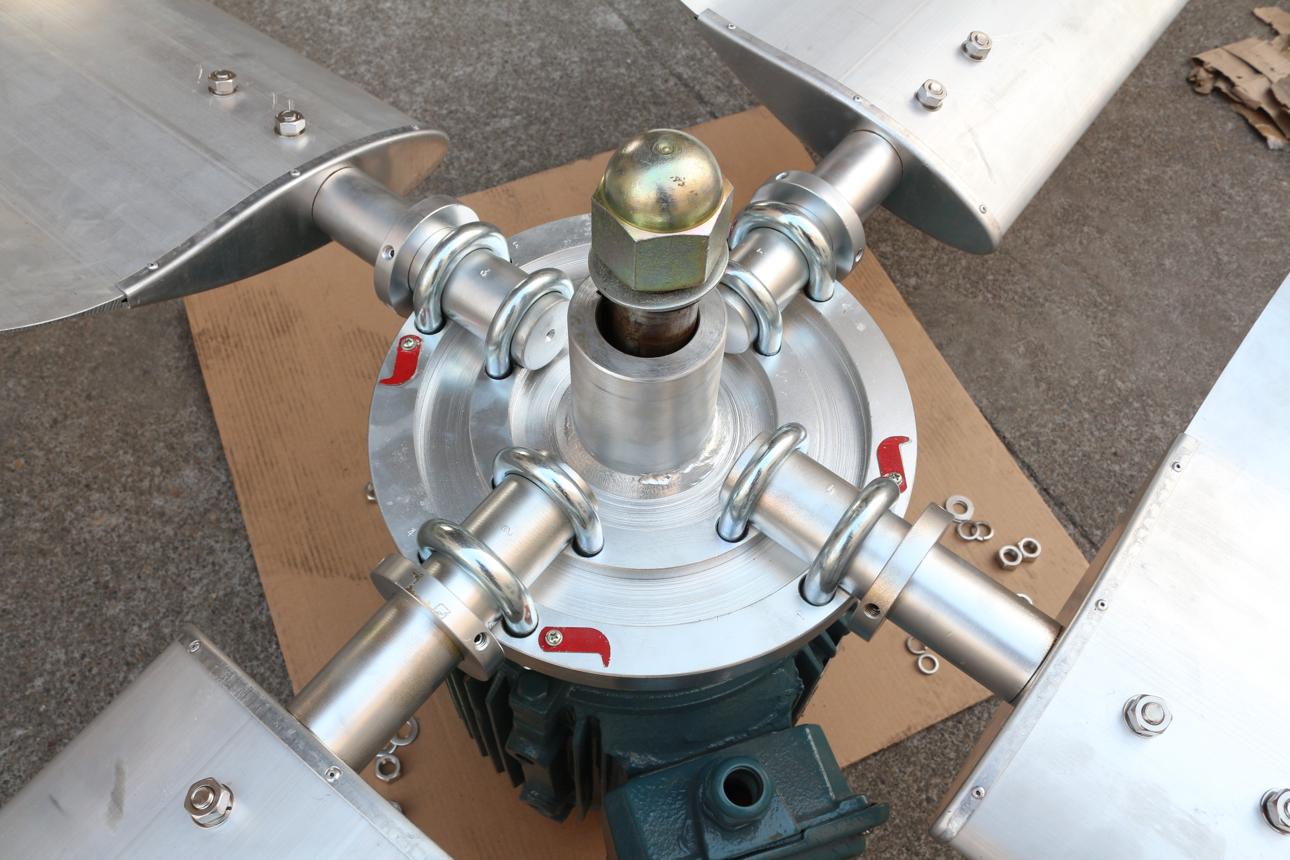
Adjustable-pitch fans allow the blade angle to be changed within a specified range. This flexibility can be useful during commissioning, maintenance, or when the actual operating requirements differ from the original design assumptions.
However, adjustable pitch does not mean that the blades can be set at any angle. Every fan has mechanical and aerodynamic limits.
The adjustment range, measurement method, fastening procedure, and required torque must follow the manufacturer's instructions. An incorrect setting can increase motor loading, cause vibration, or reduce cooling performance.
How Cooling Tower Fan Blade Pitch Adjustment Works
The principle of fan blade pitch adjustment is based on aerodynamics.
As a fan rotates, each blade interacts with the surrounding air. Its shape, angle, and rotational speed determine the aerodynamic forces generated by the blade. These forces create the pressure difference that moves air through the cooling tower.
Changing the blade pitch changes the blade's aerodynamic loading. Under comparable operating conditions, increasing the pitch often increases airflow and power demand. Reducing the pitch often decreases both.
However, the relationship is not identical for every fan. The actual result depends on the fan's design, the resistance of the cooling tower, air density, rotational speed, and the operating point on the fan performance curve.
The Relationship Between Pitch, Airflow, and Power
Three important factors should be considered when adjusting cooling tower fan blades.
Airflow: The fan must provide enough air to support the cooling tower's required heat rejection. Insufficient airflow may contribute to elevated outlet-water temperatures.
Motor power: Increasing aerodynamic load generally requires more power from the drive system. If the motor current or power exceeds the permitted limit, the adjustment may create an overload risk.
Operating stability: The fan should operate with acceptable vibration, noise, and mechanical loading. An aggressive pitch setting may produce higher energy consumption without delivering a worthwhile improvement in cooling performance.
For these reasons, blade pitch should be adjusted according to manufacturer specifications and verified through operating measurements.
Why Is Cooling Tower Fan Blade Pitch Adjustment Important?
Correct pitch adjustment helps match fan performance to the cooling tower's actual requirements. When the fan operates outside its intended range, the results may include insufficient cooling, excessive energy consumption, or unnecessary stress on mechanical components.
Improving Cooling Performance
A cooling tower depends on suitable airflow to remove heat from circulating water. If airflow is insufficient, the tower may struggle to achieve the required outlet-water temperature, especially during periods of high ambient temperature or increased process demand.
An appropriate pitch setting may help restore airflow if the existing blade angle is too low.
However, poor cooling is not always caused by the fan. Dirty fill, blocked air inlets, uneven water distribution, excessive heat load, and inadequate circulating-water flow can produce similar symptoms.
Before adjusting the blades, inspect the entire cooling tower system.
Reducing Energy Consumption
Cooling tower fans can consume a substantial amount of electricity during long operating hours. If a fan is configured to deliver more airflow than the system needs, it may use unnecessary energy.
Where the fan design permits adjustment, an engineering assessment may identify a more suitable operating point.
Variable-frequency drives can also help control fan speed in compatible systems. Pitch and speed should be evaluated together according to the manufacturer's recommendations.
The objective is not simply to reduce fan power. The system must still meet its cooling requirements under the relevant operating conditions.
Managing Noise and Vibration
Incorrect pitch settings, inconsistent blade angles, loose fasteners, damaged blades, and poor alignment can contribute to abnormal noise or vibration.
Correct pitch may improve operating consistency, but it cannot repair a cracked blade or worn bearing. If vibration increases after an adjustment, stop the fan and investigate the cause instead of making further changes without a clear diagnosis.
When Should You Adjust Cooling Tower Fan Blade Pitch?
Blade pitch should not be changed without a reason. Adjustment may be appropriate in the following situations:
During initial fan installation and commissioning
After replacing blades or the fan hub
When measurements indicate that the existing pitch is incorrect
When troubleshooting unexplained fan performance changes
When motor current differs significantly from expected values
When a qualified engineering assessment identifies a mismatch between fan performance and cooling demand
Seasonal changes in cooling demand may also justify reviewing fan operation. However, routine seasonal pitch changes are not necessary for every cooling tower.
Always confirm that the fan is designed for field adjustment and that the proposed setting falls within the manufacturer's approved range.
Tools and Preparations Before Adjustment
Preparation is essential for accurate and safe work.
Before starting, obtain the fan manufacturer's installation and maintenance manual. Identify the approved pitch range, measurement method, tightening sequence, and torque specifications.
Depending on the fan design, the required tools may include:
A suitable blade-angle gauge or pitch-measuring fixture
Calibrated torque wrench
Manufacturer-approved hand tools
Marking materials for recording blade positions
Instruments for checking motor current or power
Vibration measurement equipment, where required
Appropriate personal protective equipment
Record the existing pitch of every blade before making changes. Also record the fan speed, motor operating data, cooling-water temperatures, and any abnormal noise or vibration.
These measurements establish a baseline that can be used to evaluate the results after adjustment.
Step-by-Step Cooling Tower Fan Blade Pitch Adjustment
The following procedure provides a general overview. The actual process may differ depending on the fan model, hub design, blade material, and adjustment mechanism.
Important: Always follow the manufacturer's instructions. If the required pitch angle, torque value, or adjustment method is unknown, consult a qualified technician or the fan manufacturer before proceeding.
Step 1: Shut Down and Isolate the Equipment
Stop the fan and isolate all relevant power sources before accessing the fan blades or hub.
Follow the site's lockout/tagout procedure and verify that the equipment cannot restart unexpectedly. Pay particular attention to remote controls, automatic operating sequences, variable-frequency drives, and stored mechanical energy.
Wait until every rotating component has come to a complete stop.
Never attempt to adjust blade pitch while the fan is running or energized.
Step 2: Inspect the Fan Assembly
Before changing the angle, inspect the fan assembly for damage.
Check the blades, hub, fasteners, shaft, bearings, drive components, and supporting structure. Look for cracks, deformation, corrosion, looseness, wear, or evidence of contact between the blades and fan cylinder.
If a blade is damaged or the hub is defective, correct the problem before making any pitch adjustment. Changing the angle will not make a damaged component safe.
Step 3: Measure the Existing Blade Angles
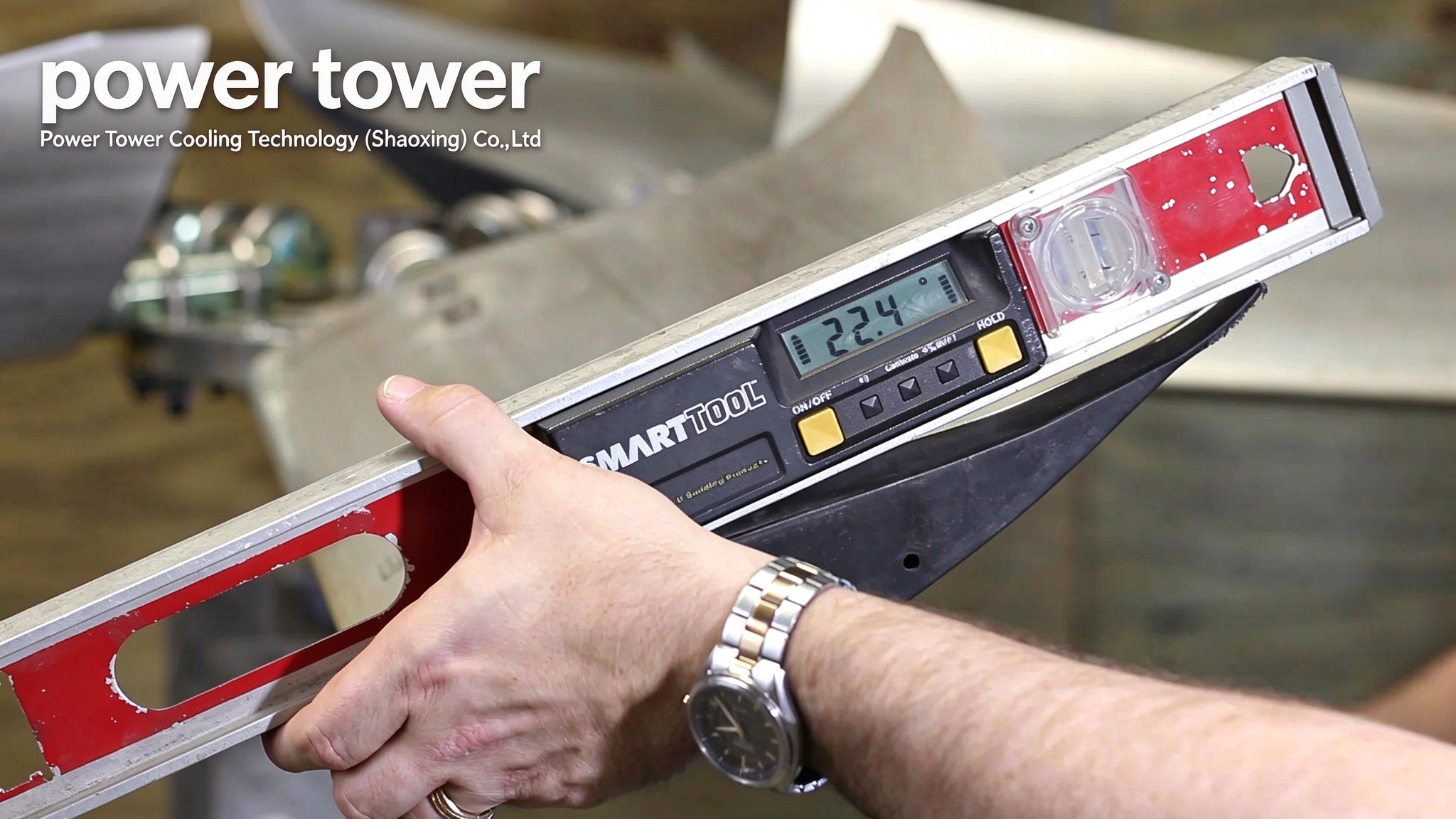
Identify the correct measurement location and reference plane from the fan manual.
Use the same measurement method for every blade. Record each reading and compare the results to identify any inconsistencies.
Do not measure blades at arbitrary locations, especially when the blades have curved or twisted profiles. Measurements taken at different positions may not be directly comparable.
If the manufacturer's specified measuring method is unavailable, obtain technical guidance before proceeding.
Step 4: Set the Required Pitch Angle
Determine the target angle using the approved manufacturer documentation or a qualified engineering assessment.
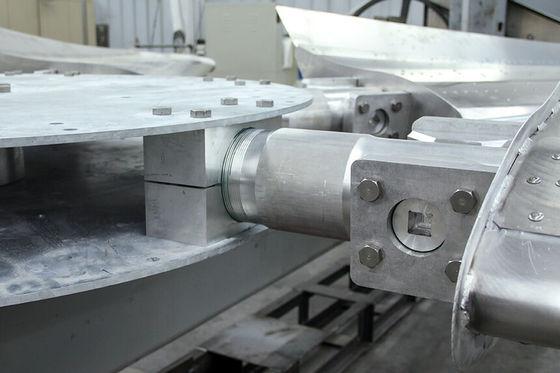
Adjust the blades using the mechanism designed for the specific fan model. Make changes carefully, ensuring that each blade remains correctly seated in the hub.
Do not exceed the permitted adjustment range. Never modify blade roots, add unapproved spacers, or improvise with fastening hardware.
If the objective is to reduce motor loading, confirm the minimum airflow required by the cooling system before lowering the pitch.
Step 5: Tighten Fasteners and Verify Alignment
After setting the pitch, tighten all fasteners to the specified torque and follow the required tightening sequence.
Check that every blade is securely installed and consistently positioned. Re-measure the pitch of all blades using the same method.
Inspect the clearance between the blades and the fan cylinder. Confirm that the assembly is properly secured and that no blade can contact surrounding components during operation.
Never rely on visual estimation when the manufacturer specifies an exact measurement or torque value.
Step 6: Conduct a Controlled Test Run
Before restarting the fan, remove tools and loose materials, reinstall guards, and make sure all personnel are clear of the equipment.
Restore power according to site procedures and conduct a controlled test run.
Observe the fan from a safe location. Check:
Direction of rotation
Motor current or power consumption
Vibration and abnormal noise
Airflow indicators, where available
Cooling-water inlet and outlet temperatures
Overall operating stability
Compare the results with the baseline readings and manufacturer limits.
If excessive current, abnormal vibration, rubbing, or unusual noise occurs, stop the fan and investigate before returning it to normal service.
How to Determine the Correct Blade Pitch Angle
There is no universal blade pitch angle for cooling tower fans. The correct setting depends on the equipment design and operating conditions.
Important factors include:
Fan diameter and blade design: Different blade profiles and diameters generate different aerodynamic forces at the same nominal pitch.
Rotational speed: Changes in fan speed affect airflow, pressure, and power requirements.
Motor rating: The fan must operate within the permitted motor loading and drive-system limits.
System resistance: Fill, louvers, drift eliminators, air inlets, and other components affect how easily air moves through the cooling tower.
Cooling demand: The fan must provide sufficient airflow to meet the required heat rejection under the expected operating conditions.
The fan manufacturer may provide pitch charts, performance curves, or installation settings based on defined operating conditions. Use these documents as the primary reference.
If the cooling tower cannot achieve the required performance at the approved setting, investigate the system as a whole rather than repeatedly increasing the pitch.
Common Problems Caused by Incorrect Blade Pitch
Incorrect pitch can contribute to several operating problems. Recognizing the symptoms helps technicians decide what to inspect next.
Insufficient Cooling
If the fan delivers insufficient airflow, the cooling tower may fail to reach the required outlet-water temperature.
However, before increasing pitch, inspect the fill, water distribution system, air inlets, and circulating-water flow. The actual problem may be elsewhere in the tower.
High Motor Current
Excessive blade loading may increase motor current. If the current exceeds the permitted operating range, the motor or drive system may be at risk.
Electrical faults, bearing problems, and mechanical resistance can also increase current. Check the complete drive system before attributing the problem to blade pitch alone.
Uneven Vibration
Unequal blade settings, damaged blades, hub imbalance, loose fasteners, and worn bearings may all cause vibration.
Measure and compare the blade angles, inspect the assembly, and follow the manufacturer's balancing requirements. Do not continue operating a fan with severe or unexplained vibration.
Excessive Noise
Unusual noise may result from excessive aerodynamic loading, incorrect rotation, blade damage, loose components, or structural resonance.
Stop and investigate any significant change in operating noise. Avoid using pitch adjustments as a substitute for mechanical inspection.
Safety Precautions During Pitch Adjustment
Cooling tower fan blade adjustment involves rotating machinery, electrical hazards, heavy components, and potentially elevated work areas. Safety must take priority over performance improvements.
Follow these precautions:
Allow only trained and authorized personnel to perform the work.
Isolate electrical power and follow lockout/tagout procedures.
Verify that the fan cannot start automatically or remotely.
Use appropriate personal protective equipment and approved tools.
Follow site-specific working-at-height procedures when required.
Never work beneath unsupported components or improperly secured blades.
Reinstall guards before operating the fan.
Stop the equipment immediately if abnormal vibration, rubbing, or excessive current occurs.
If the fan blade is cracked, severely corroded, or deformed, have it assessed and repaired or replaced according to the manufacturer's instructions before restarting the equipment.
Maintenance Tips for Cooling Tower Fan Blades
Regular inspection helps identify small problems before they cause major downtime.
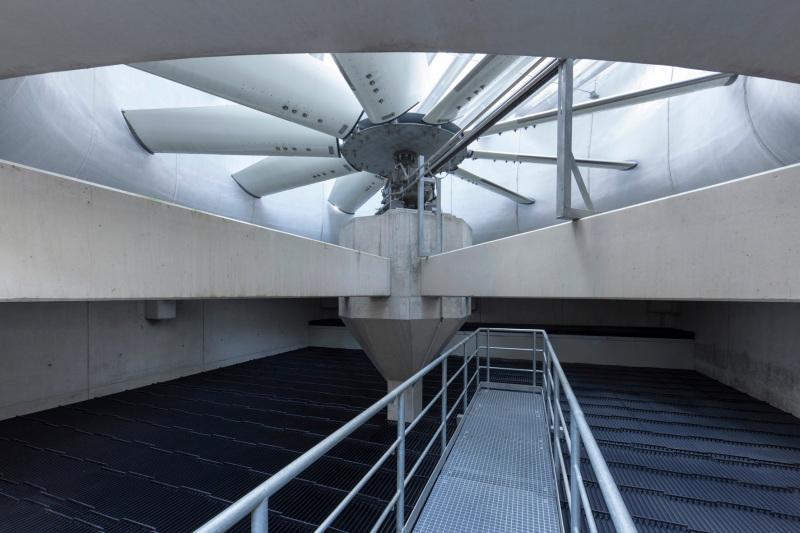
Inspect the blades for cracks, erosion, corrosion, deposits, and deformation. Check the hub, fasteners, shaft, bearings, motor mounting, and drive components for wear or looseness.
Monitor vibration and motor current over time. A gradual change in either measurement may indicate developing mechanical or aerodynamic problems.
Keep records of:
Blade pitch measurements
Inspection and maintenance dates
Fastener torque checks
Motor current or power readings
Vibration measurements
Cooling-water temperatures
Blade and hub replacements
Cleaning should follow the blade material manufacturer's recommendations. Unsuitable chemicals, excessive force, or abrasive tools may damage coatings or composite blade surfaces.
The inspection frequency should be based on the manufacturer's guidance, operating environment, and maintenance plan.
Can Blade Pitch Adjustment Solve Every Cooling Problem?
No. Pitch adjustment changes fan performance, but it cannot correct every cause of poor cooling.
Dirty or damaged cooling tower fill may restrict airflow or reduce heat transfer. Blocked louvers, obstructed air inlets, uneven water distribution, scale buildup, and insufficient water flow can also affect cooling performance.
Electrical faults, worn bearings, incorrect fan speed, and damaged drive components may create additional problems.
Before changing the blade angle, collect operating data and inspect the likely causes. A systematic diagnosis reduces unnecessary adjustments and helps prevent one problem from being replaced by another.
Choosing the Right Cooling Tower Fan and Replacement Parts
When replacing a cooling tower fan or its blades, compatibility is more important than appearance alone.
Review the following information:
Cooling tower model and application
Fan diameter and blade count
Blade profile and material
Hub design and mounting dimensions
Rotation direction and operating speed
Motor rating and required airflow
Environmental and operating conditions
The replacement assembly must match the original equipment requirements and intended operating duty. Mixing incompatible blades or hubs can create unsafe loading, vibration, and reduced performance.
When requesting replacement-part support, provide the equipment model, available drawings, motor nameplate information, dimensions, and photographs of the existing assembly. These details help suppliers assess compatibility more accurately.
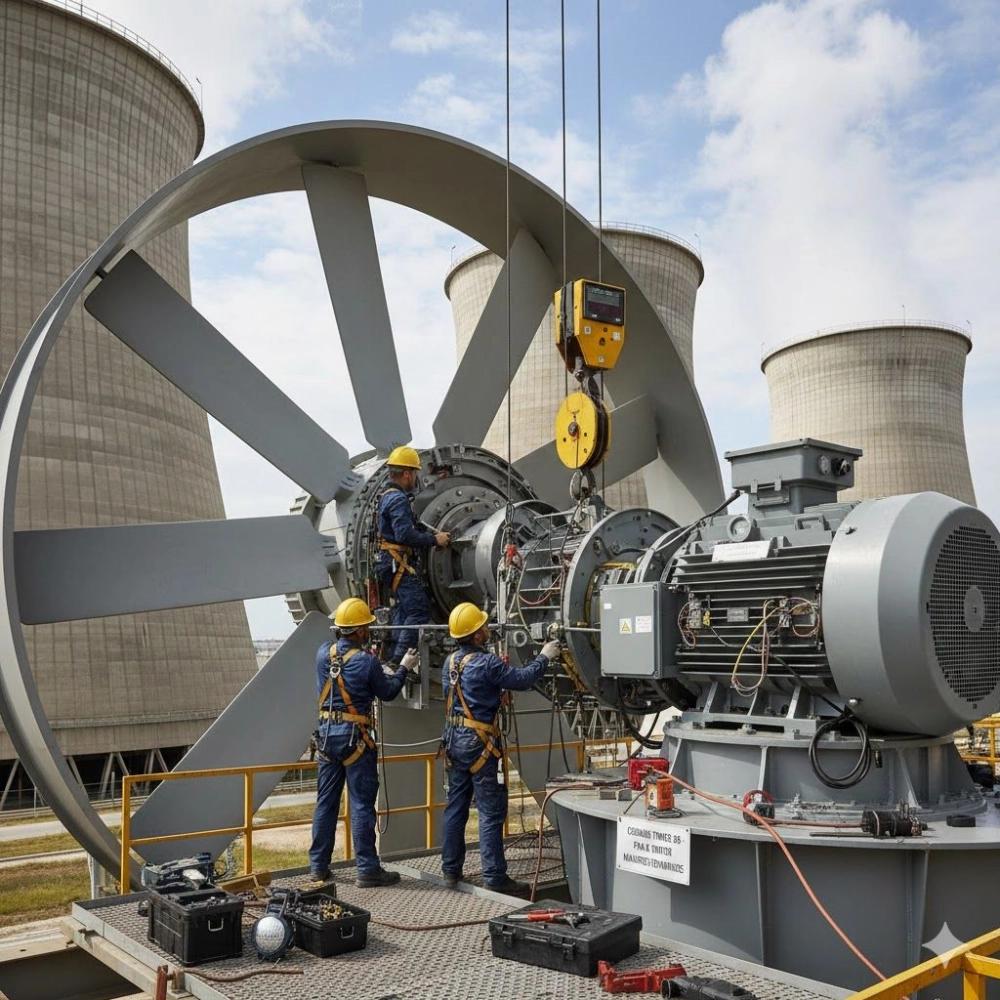
About Power Tower Cooling Technology (Shaoxing) Co.,Ltd
Power Tower Cooling Technology (Shaoxing) Co.,Ltd. serves the cooling tower market with cooling tower products and related replacement-part support.
Proper component selection, installation, and maintenance are essential for reliable cooling tower operation. When inspecting or upgrading a cooling tower, it is important to consider the equipment's operating conditions and verify that replacement parts are compatible with the existing system.
For product information and cooling tower-related inquiries, visit the official website:
Website: https://www.coolingtowerpart.com
When contacting the company about a replacement component, provide the cooling tower model, dimensions, operating requirements, and available technical documentation to help clarify your requirements.
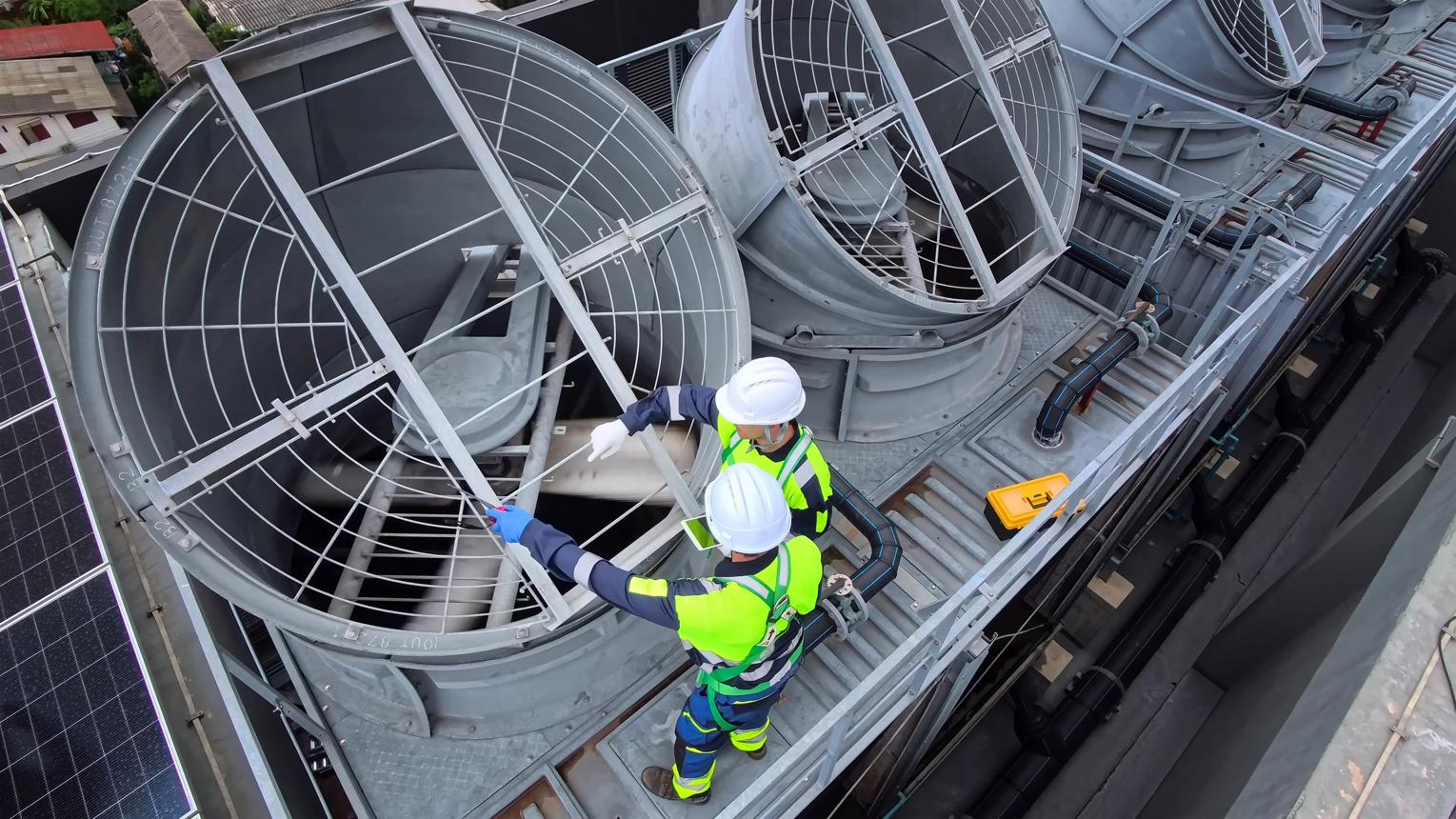
Frequently Asked Questions About Cooling Tower Fan Blade Pitch Adjustment
Does Increasing Blade Pitch Always Improve Cooling?
No. Increasing pitch may increase airflow under certain conditions, but it can also increase motor power demand and mechanical loading. If the fan exceeds its permitted operating limits, the adjustment may damage components or create an unsafe condition. Always verify the setting against the manufacturer's specifications.
Should Every Blade Have the Same Pitch Angle?
For a typical multi-blade fan, the blades should be set consistently according to the manufacturer's specified measurement method. Unequal settings can create uneven aerodynamic loading and contribute to vibration or reduced performance. Check every blade after adjustment.
How Often Should Cooling Tower Fan Blade Pitch Be Checked?
Check pitch during commissioning, after blade or hub replacement, following relevant maintenance, and whenever operating symptoms suggest a problem. Routine inspection intervals should follow manufacturer guidance and the site's maintenance plan.
Can I Adjust the Pitch While the Fan Is Running?
No. The fan must be shut down, isolated, and verified as unable to start before anyone accesses the blades or hub. Adjusting a rotating fan creates a serious risk of injury and equipment damage.
Does Lower Blade Pitch Always Reduce Energy Consumption?
A lower pitch often reduces aerodynamic loading and power demand under comparable conditions, but the actual result depends on the fan and system operating point. The fan must still deliver sufficient airflow to meet cooling requirements. Evaluate energy consumption together with cooling performance and motor operating limits.
Conclusion
Cooling tower fan blade pitch adjustment is an important part of maintaining airflow, cooling performance, and energy efficiency. A properly configured fan can meet the cooling system's requirements while avoiding unnecessary motor loading and mechanical stress.
However, the correct pitch depends on the fan's design, operating speed, system resistance, and required cooling duty. There is no universal angle that works for every application, and increasing pitch does not automatically improve overall performance.
For reliable results, follow the manufacturer's instructions, measure each blade consistently, verify fastener torque, and monitor motor current, vibration, noise, and cooling-water temperatures after adjustment. When cooling performance remains poor, investigate the entire cooling tower rather than relying on blade pitch alone.
For cooling tower products and related replacement-part inquiries, contact Power Tower Cooling Technology (Shaoxing) Co.,Ltd. through https://www.coolingtowerpart.com.


