You are here: Home » Blog » Types of Cooling Tower Fan Blades And Functions
Types of Cooling Tower Fan Blades And Functions
Views: 0 Author: Site Editor Publish Time: 2025-11-19 Origin: Site
What's a cooling tower fan blade?
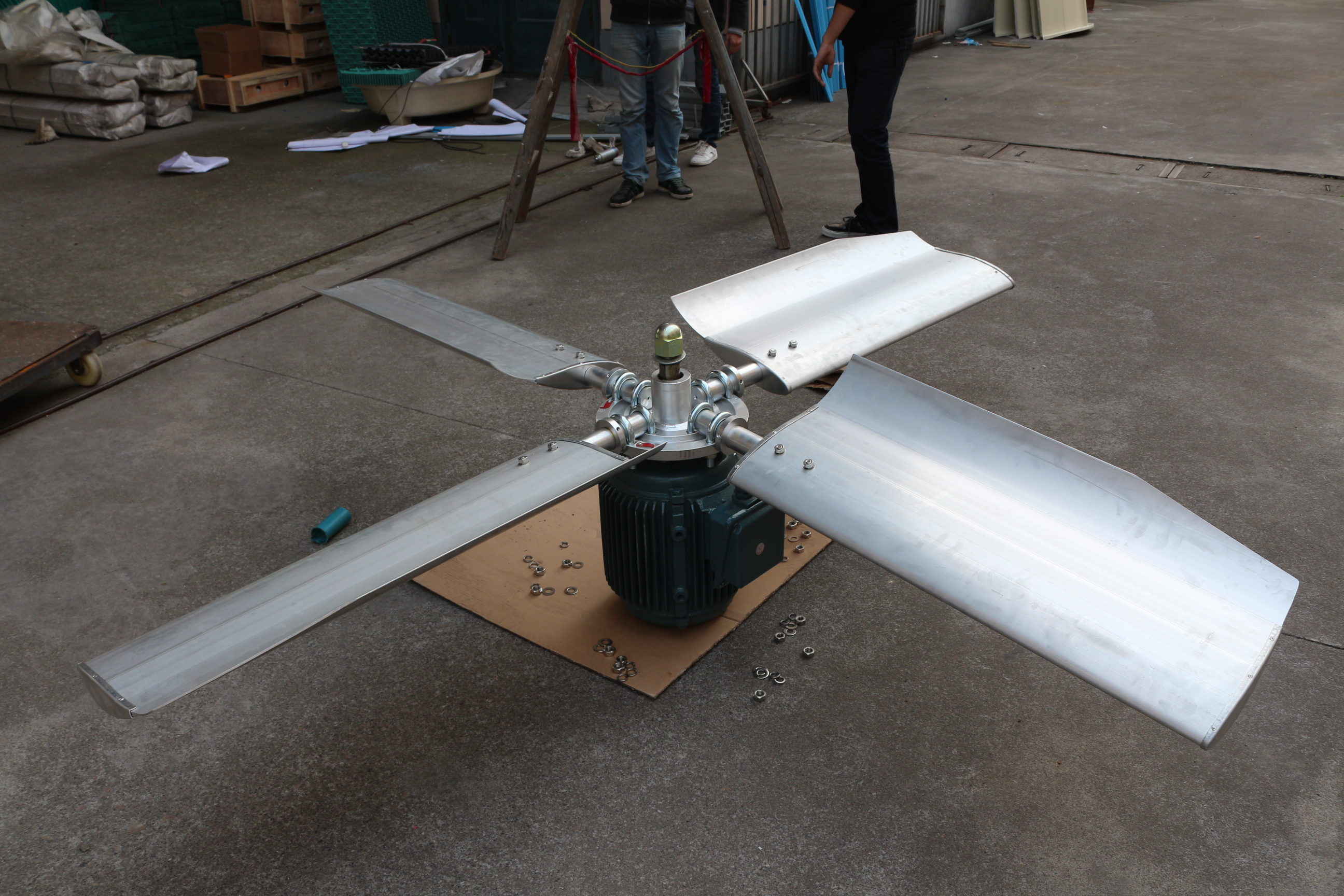
The cooling tower fan blade is a key component installed at the top or side of the cooling tower, which generates airflow through rotation, extracts hot air from the tower or presses air into the tower to complete the cooling process. It is the "power core" of the cooling tower.
Functions of cooling tower fan blades
1.Provide Airflow (Primary Function)
The fan blades create forced airflow through the cooling tower, ensuring continuous air circulation. Without the blades, the cooling tower cannot effectively remove heat.
2.Enhance Heat Exchange Efficiency
By driving air to interact with the hot water, the blades promote evaporation and heat dissipation, significantly improving the cooling performance.
3.Reduce Cooling Water Temperature
The airflow generated by the blades helps dissipate heat from the circulating water, allowing the cooling system and connected equipment to operate at optimal temperatures.
4.Improve Energy Efficiency and Reduce Power Consumption
Aerodynamically designed blades provide larger airflow with lower motor power, reducing the overall energy consumption of the cooling tower.
5.Reduce Noise (for optimized blade designs)
Modern aerodynamic blade profiles minimize turbulence and wind noise, making the operation quieter.
6.Maintain Stable Airflow Conditions Inside the Tower
The blades ensure uniform and consistent air movement, preventing dead zones and maintaining stable heat-moisture exchange within the tower.
Suitable for small round counter flow cooling towers
Installation and Maintenance of Cooling Tower Fan Blades
1. Fan Blade Installation
1.1.Inspect Components
Before installation, check all fan blades, hubs, bolts, and spacers for damage, deformation, or corrosion.
1.2.Mount the Hub
Secure the fan hub to the motor or gearbox shaft, ensuring it is aligned and tightened according to the manufacturer’s torque specifications.
1.3.Install Fan Blades
Attach each blade to the hub, making sure blade pitch angles are consistent. Incorrect pitch can cause vibration, reduced efficiency, and structural stress.
1.4.Tighten Fasteners
Use the specified torque to tighten all bolts. Uneven tightening may lead to imbalance or blade loosening during operation.
1.5.Check Blade Clearance
Ensure that all blades have equal tip clearance from the shroud or tower structure.
1.6.Perform Balance Check
After installation, conduct a static and dynamic balance test to minimize vibration.
2. Fan Blade Maintenance
2.1.Regular Inspection
Inspect fan blades at regular intervals for cracks, wear, erosion, or buildup of dirt and scale.
2.2.Cleaning
Remove debris, dust, algae, or scale deposits from the blade surfaces to maintain aerodynamic performance.
2.3.Tightening Hardware
Periodically re-check bolt and fastener torque to ensure they remain secure during long-term operation.
2.4Check Blade Pitch
Verify that the pitch angle has not shifted due to vibration or mechanical wear.
2.5.Lubrication (if applicable)
Lubricate bearings and mechanical components according to manufacturer recommendations.
2.6Replace Damaged Blades
Immediately replace any blade that shows cracks, severe corrosion, or structural deformation.