How to Do EVAPCO Cooling Tower Maintenance
Introduction
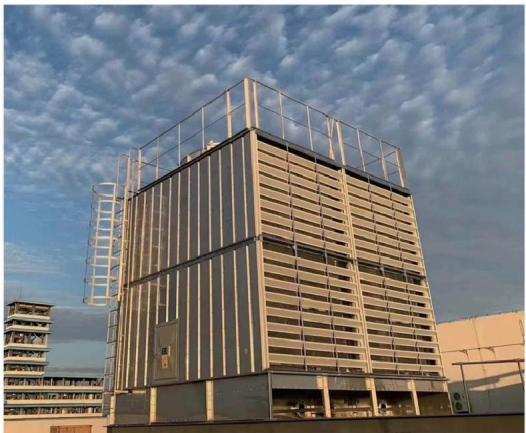
Proper EVAPCO cooling tower maintenance is essential for ensuring efficient heat rejection, reducing energy consumption, and extending the service life of your cooling equipment. Whether your facility uses an EVAPCO induced draft, forced draft, counterflow, or crossflow cooling tower, routine inspection and preventive maintenance help prevent unexpected downtime and costly repairs.
Cooling towers operate continuously in demanding industrial environments, exposing components to moisture, scale, corrosion, biological growth, and mechanical wear. Without regular maintenance, these issues can reduce cooling efficiency, increase operating costs, and shorten equipment life.
This guide explains the essential maintenance procedures, inspection schedules, cleaning methods, and replacement parts required to keep an EVAPCO cooling tower operating at peak performance.
Why Cooling Tower Maintenance Is Important
A well-maintained cooling tower offers several benefits:
Improves heat transfer efficiency
Reduces energy consumption
Extends equipment lifespan
Prevents unexpected shutdowns
Minimizes corrosion and scale formation
Improves water quality
Reduces operating costs
Enhances workplace safety
Routine maintenance also helps maintain consistent process temperatures in industrial manufacturing, HVAC systems, power plants, chemical processing, and commercial buildings.
Understanding EVAPCO Cooling Tower Components
Before performing maintenance, it's helpful to understand the major components of an EVAPCO cooling tower.
Typical components include:
Cooling tower fan
Electric motor
Gear reducer or belt drive
Drive shaft
Fan blades
Water distribution system
Spray nozzles
PVC fill media
Drift eliminators
Air inlet louvers
Cold water basin
Float valve and make-up water system
Structural framework
Bearings and couplings
Each component should be inspected regularly to ensure reliable operation.
Daily Cooling Tower Maintenance Checklist
Daily inspections help identify problems before they become major failures.
Check the following:
Observe Fan Operation
Inspect for:
Unusual vibration
Excessive noise
Fan imbalance
Loose hardware
Smooth fan operation indicates the drive system is functioning correctly.
Check Water Level
Ensure the cold water basin maintains the proper operating level.
Low water levels may indicate:
Monitor Water Temperature
Record:
Hot water temperature
Cold water temperature
Cooling range
Approach temperature
Unexpected temperature changes often indicate airflow or water distribution problems.
Listen for Mechanical Problems
Pay attention to sounds such as:
Bearing noise
Gearbox whining
Belt slipping
Motor humming
Early detection can prevent expensive repairs.
Weekly Maintenance Procedures
Weekly maintenance focuses on cleanliness and mechanical inspection.
Clean the Cold Water Basin
Remove:
Dirt
Leaves
Sludge
Debris
Biological growth
Keeping the basin clean prevents pump blockage and improves water quality.
Inspect Spray Nozzles
Spray nozzles should distribute water evenly across the fill.
Check for:
Clogging
Mineral deposits
Cracks
Uneven spray patterns
Blocked nozzles reduce cooling efficiency.
Inspect Drift Eliminators
Drift eliminators minimize water loss by capturing droplets before air exits the tower.
Inspect for:
Damage
Warping
Missing sections
Heavy dirt accumulation
Replace damaged eliminators promptly.
Monthly Cooling Tower Maintenance
Monthly inspections should be more detailed.
Inspect Cooling Tower Fill
The fill media provides maximum contact between air and water.
Look for:
Scale buildup
Biological fouling
Broken sheets
Clogging
Collapse
Dirty fill dramatically reduces cooling efficiency.
Check Air Inlet Louvers
Inspect louvers for:
Dirt accumulation
Physical damage
Airflow obstruction
Clean as needed to maintain unrestricted airflow.
Inspect Fan Blades
Check for:
Cracks
Corrosion
Loose bolts
Blade angle consistency
Surface damage
Even minor blade damage can increase vibration and reduce airflow.
Inspect Fan Hub
Ensure:
Bolts are tight
No corrosion exists
Hub is properly centered
No signs of fatigue
Motor Maintenance
The cooling tower motor requires regular inspection.
Check:
Voltage
Current draw
Insulation resistance
Temperature
Moisture ingress
Ventilation openings
Keep the motor clean and free of dust or debris.
Lubricate bearings according to the motor manufacturer's recommendations.
Gear Reducer Maintenance
Many large EVAPCO cooling towers use gear-driven fans.
Maintenance includes:
Check Oil Level
Maintain the correct lubricant level.
Low oil causes:
Gear wear
Bearing damage
Overheating
Inspect for Oil Leaks
Look around:
Oil seals
Housing
Drain plugs
Inspection covers
Repair leaks immediately.
Replace Gear Oil
Follow the gearbox manufacturer's recommended oil change intervals.
Fresh lubricant reduces:
Friction
Heat generation
Gear wear
Belt Drive Maintenance
If your cooling tower uses a belt drive system:
Inspect:
Belt tension
Belt wear
Pulley alignment
Belt cracking
Fraying
Replace worn belts before failure occurs.
Bearing Inspection
Cooling tower bearings support continuous fan operation.
Watch for:
Excessive heat
Noise
Grease leakage
Vibration
Proper lubrication significantly extends bearing life.
Water Treatment Maintenance
Water quality directly affects cooling tower performance.
Effective water treatment controls:
Scale Formation
Minerals such as calcium carbonate create deposits that reduce heat transfer.
Water treatment chemicals help prevent scaling.
Corrosion
Untreated water can corrode:
Steel
Copper
Aluminum
Galvanized components
Corrosion inhibitors protect equipment.
Biological Growth
Warm water promotes:
Algae
Bacteria
Mold
Biofilm
Proper biocide treatment reduces biological contamination.
Legionella Control
Legionella bacteria can grow in poorly maintained cooling towers.
Facilities should:
Implementing a comprehensive water management program is essential for safety.
Cooling Tower Cleaning Procedure
Cleaning frequency depends on operating conditions and water quality.
A typical cleaning procedure includes:
Step 1
Shut down the cooling tower safely.
Step 2
Drain the basin completely.
Step 3
Remove loose debris.
Step 4
Clean the basin using non-abrasive tools.
Step 5
Flush piping and distribution systems.
Step 6
Clean spray nozzles.
Step 7
Inspect and clean fill media.
Step 8
Clean drift eliminators.
Step 9
Inspect fan assembly.
Step 10
Refill with treated water and restart the system.
Seasonal Maintenance
Before peak cooling season:
Inspect the complete structure
Tighten bolts
Test motors
Lubricate bearings
Replace worn belts
Verify water treatment system
Check electrical controls
Before winter shutdown:
Common Cooling Tower Problems
Reduced Cooling Performance
Possible causes:
Dirty fill
Clogged nozzles
Low airflow
Fan damage
Scale buildup
Excessive Vibration
Potential causes:
Fan imbalance
Loose blades
Bearing wear
Shaft misalignment
Gearbox damage
High Motor Current
May result from:
Fan overload
Incorrect blade pitch
Bearing failure
Electrical issues
Water Loss
Possible reasons include:
Recommended Replacement Parts
Routine replacement of worn components improves reliability.
Common replacement parts include:
Cooling tower fill
PVC fill packs
Drift eliminators
Spray nozzles
FRP fan blades
Aluminum fan blades
Fan hubs
Electric motors
Gear reducers
Belt drives
Bearings
Drive shafts
Float valves
Louvers
Choosing high-quality compatible replacement parts helps maintain system efficiency and extends equipment life.
Best Practices for Preventive Maintenance
To maximize cooling tower performance:
Maintain a written inspection schedule
Record operating temperatures
Monitor vibration levels
Lubricate moving components regularly
Keep the tower clean
Maintain proper water chemistry
Replace damaged components promptly
Use quality replacement parts
Conduct annual comprehensive inspections
A preventive maintenance program reduces downtime and improves long-term reliability.
Frequently Asked Questions
How often should an EVAPCO cooling tower be cleaned?
Most cooling towers should be inspected monthly and thoroughly cleaned at least twice a year. Towers operating in dusty, contaminated, or high-load environments may require more frequent cleaning.
What causes poor cooling tower performance?
Common causes include dirty fill media, clogged spray nozzles, inadequate airflow, scaling, biological fouling, damaged fan blades, and poor water treatment.
How often should gearbox oil be changed?
The interval depends on the gearbox manufacturer, operating hours, and environmental conditions. Follow the manufacturer's maintenance recommendations and monitor oil condition during inspections.
Why is water treatment important?
Water treatment prevents scale, corrosion, and biological growth, helping maintain efficient heat transfer and extending the life of cooling tower components.
Which cooling tower parts require the most frequent replacement?
Common wear items include fill media, spray nozzles, drift eliminators, belts, bearings, fan blades, and float valves. The replacement interval depends on operating conditions and maintenance practices.
Conclusion
Proper EVAPCO cooling tower maintenance is the key to maximizing cooling efficiency, minimizing downtime, and extending equipment life. A structured preventive maintenance program—including regular inspections, cleaning, lubrication, water treatment, and timely replacement of worn components—helps ensure reliable performance in industrial and commercial applications.
Whether maintaining an EVAPCO system or another major cooling tower brand, following best practices and using high-quality replacement parts can significantly reduce operating costs and improve long-term system reliability. For facilities seeking dependable maintenance components, compatible cooling tower fills, spray nozzles, drift eliminators, fan assemblies, motors, gear reducers, and other replacement parts play a vital role in sustaining efficient operation.


