How Does a Water Source Heat Pump Work with a Cooling Tower? Complete System Guide
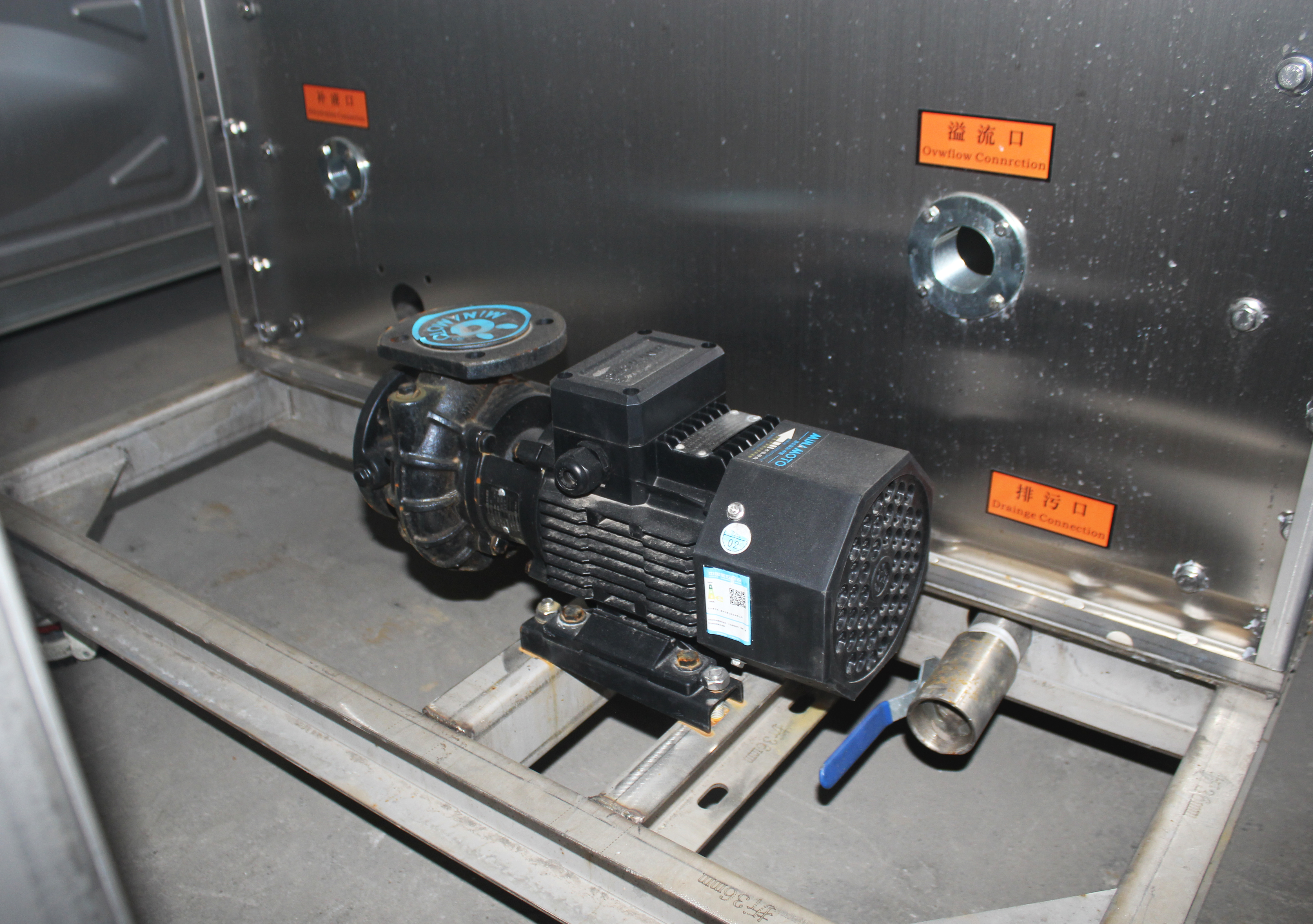
Introduction to Water Source Heat Pump Cooling Tower Systems
A water source heat pump cooling tower system is an energy-efficient HVAC solution that uses water as the heat transfer medium to provide heating and cooling for commercial, industrial, and large-scale building applications. Unlike traditional air-source heat pumps that exchange heat directly with outdoor air, water source heat pumps transfer heat through a circulating water loop connected to a cooling tower or other heat rejection equipment.Understanding how a water source heat pump works with a cooling tower is essential for engineers, HVAC contractors, building owners, and facility managers who want to improve energy efficiency, reduce operating costs, and select the right cooling equipment.
In a typical system, the water source heat pump absorbs heat from indoor spaces during cooling operation. This heat is transferred into the building water loop and then rejected to the atmosphere through a cooling tower. During heating operation, the process reverses, allowing the heat pump to extract heat from the water loop and deliver warm air into the building.
Professional cooling tower manufacturers and suppliers provide complete solutions, including cooling towers, cooling tower parts, water distribution systems, fill media, fans, motors, and replacement components for water source heat pump applications.
What Is a Water Source Heat Pump?
A water source heat pump (WSHP) is a heating and cooling system that uses water as the heat exchange source instead of outdoor air. It operates based on the refrigeration cycle, transferring heat between indoor air and a central water loop.
A typical water source heat pump consists of:
Compressor
Refrigerant circuit
Condenser
Evaporator
Expansion valve
Air handling fan
Water heat exchanger
Control system
The system connects multiple heat pump units throughout a building to a shared water loop. The loop maintains stable water temperatures by absorbing or rejecting heat through equipment such as cooling towers.
Main Characteristics of Water Source Heat Pumps
Water source heat pumps offer several advantages:
High energy efficiency
Stable heating and cooling performance
Lower operating costs
Flexible installation options
Long equipment service life
Reduced dependence on outdoor temperature conditions
They are widely used in:
Office buildings
Hotels
Hospitals
Shopping centers
Data centers
Industrial facilities
How Does a Water Source Heat Pump Work?
A water source heat pump works by transferring heat between indoor spaces and a circulating water loop.
The operating principle changes depending on whether the system is in cooling or heating mode.
Water Source Heat Pump Cooling Mode Operation
During cooling operation, the system removes heat from indoor spaces and releases it through the cooling tower.
The process includes the following steps:
Step 1: Indoor Heat Absorption
Warm indoor air passes through the heat pump unit. The evaporator absorbs heat from the room air and transfers it to the refrigerant.
Step 2: Refrigerant Heat Transfer
The refrigerant absorbs heat and changes from a low-pressure liquid into a vapor.
The compressor then increases refrigerant pressure and temperature.
Step 3: Heat Transfer to Water Loop
The condenser transfers heat from the refrigerant into the circulating water loop.
The water temperature increases as it absorbs heat.
Step 4: Cooling Tower Heat Rejection
The heated water flows to the cooling tower.
Inside the cooling tower:
Hot water is distributed over fill media
Air flows through the tower
Heat is transferred from water to air
Cooled water returns to the heat pump system
This continuous cycle maintains comfortable indoor temperatures.
Water Source Heat Pump Heating Mode Operation
During heating operation, the refrigeration cycle reverses.
The system extracts heat from the water loop and transfers it into the building.
The process includes:
Water loop provides heat energy
Heat pump refrigerant absorbs heat
Compressor increases refrigerant temperature
Heat exchanger transfers heat indoors
Warm air is distributed throughout the building
This allows a single system to provide both heating and cooling throughout the year.
Role of Cooling Tower in a Water Source Heat Pump System
The cooling tower is a critical component of many water source heat pump systems.
Its primary function is to remove excess heat from the condenser water loop.
Without an effective cooling tower, the water temperature would continue increasing, reducing heat pump efficiency and potentially causing system failure.
Cooling Tower Functions in Heat Pump Applications
A cooling tower provides:
Heat Rejection
The cooling tower releases unwanted heat from the circulating water into the atmosphere.
Water Temperature Control
Maintains suitable operating temperatures for heat pump equipment.
Improved System Efficiency
Stable water temperatures allow heat pumps to operate at higher efficiency.
Continuous Operation
Reliable cooling tower performance ensures uninterrupted HVAC operation.
Main Components of a Water Source Heat Pump Cooling Tower System
1. Water Source Heat Pump Units
The heat pump units provide heating and cooling for individual zones.
Important specifications include:
| Parameter | Typical Requirement |
| Heat source | Water loop |
| Operation mode | Heating and cooling |
| Refrigerant type | Environmentally friendly refrigerants |
| Control method | Digital thermostat/BMS control |
| Application | Commercial and industrial HVAC |
2. Cooling Tower
The cooling tower removes heat from the water loop.
Common cooling tower types include:
Open Circuit Cooling Tower
An open cooling tower directly exposes circulating water to airflow.
Advantages:
Applications:
Commercial HVAC systems
Large cooling plants
Industrial facilities
Closed Circuit Cooling Tower
A closed circuit cooling tower transfers heat through a coil without direct contact between process fluid and air.
Advantages:
Applications:
Cooling tower fill increases the contact area between air and water to improve heat transfer.
Common fill materials include:
Features:
Features:
Fill selection depends on:
Water quality
Operating temperature
Cooling capacity
Maintenance requirements
4. Cooling Tower Fan and Motor
The fan system creates airflow through the cooling tower.
Main components include:
Fan blades
Fan motor
Drive system
Fan stack
Important specifications:
| Component | Function |
| Fan blade | Generates airflow |
| Motor | Provides driving power |
| Gear reducer | Controls fan speed |
| Fan stack | Improves airflow efficiency |
Efficient fan operation directly affects cooling tower energy consumption.
The cooling tower water distribution system ensures uniform water flow across the fill media.
Main components include:
Spray nozzles
Distribution pipes
Headers
Valves
A properly designed distribution system prevents:
6. Cooling Tower Controls and Sensors
Modern systems use automatic controls to optimize operation.
Common control components:
These controls improve:
Energy efficiency
System reliability
Operating stability
Water Source Heat Pump Cooling Tower System Specifications
A typical commercial system includes:
| Item | Specification |
| System type | Water source heat pump HVAC system |
| Heat rejection equipment | Cooling tower |
| Water circulation | Pump-driven closed loop |
| Cooling medium | Water |
| Application temperature | Commercial/industrial HVAC |
| Control system | Automatic monitoring |
| Cooling tower materials | FRP, PVC, PP, galvanized steel |
Advantages of Water Source Heat Pump Cooling Tower Systems
High Energy Efficiency
Water transfers heat more efficiently than air, allowing water source heat pumps to achieve excellent performance.
Benefits include:
Year-Round Heating and Cooling
A single system can provide:
Stable Performance
Because water temperature changes more slowly than outdoor air temperature, the system maintains stable operation even during extreme weather.
Flexible Installation
Water source heat pump systems are suitable for:
Long Service Life
With proper maintenance, these systems can provide reliable operation for many years.
Water Source Heat Pump vs Air Source Heat Pump
| Feature | Water Source Heat Pump | Air Source Heat Pump |
| Heat transfer medium | Water | Air |
| Efficiency | Higher | Variable |
| Weather influence | Low | High |
| Heat rejection equipment | Cooling tower | Outdoor coil |
| Operating stability | Excellent | Moderate |
| Best application | Large buildings | Small buildings |
Applications of Cooling Tower Water Source Heat Pump Systems
Commercial Buildings
Used for:
Offices
Hotels
Shopping malls
Apartment complexes
Industrial Facilities
Applications include:
Data Centers
Advantages:
Healthcare Facilities
Hospitals require stable HVAC performance for:
Patient comfort
Equipment operation
Air quality control
Cooling Tower Maintenance for Heat Pump Systems
Regular maintenance ensures reliable operation.
Cooling Tower Inspection
Check:
Fan operation
Water distribution
Fill condition
Drift eliminators
Water quality
Water Treatment Maintenance
Monitor:
pH level
Scale formation
Corrosion
Biological growth
Mechanical Component Maintenance
Inspect:
Motors
Bearings
Gear reducers
Pumps
Choosing a Cooling Tower Supplier for Heat Pump Applications
Selecting the right supplier is essential for system performance.
A professional cooling tower manufacturer should provide:
Customized Engineering Solutions
Including:
OEM Replacement Parts
Available components include:
Global Export Capability
Experienced suppliers provide:
Technical documentation
Quality inspection
Export packaging
After-sales support
Frequently Asked Questions About Water Source Heat Pump Cooling Tower Systems
How does a water source heat pump work with a cooling tower?
A water source heat pump transfers heat between indoor spaces and a water loop. During cooling operation, the cooling tower removes heat from the water loop and releases it into the atmosphere.
Does a water source heat pump always require a cooling tower?
Many commercial water source heat pump systems use cooling towers for heat rejection, although some systems use geothermal loops or other heat rejection methods.
What type of cooling tower is best for a water source heat pump?
Closed circuit cooling towers are often preferred when clean water circulation and reduced maintenance are required. Open circuit cooling towers are also commonly used for large HVAC systems.
What cooling tower parts are important for heat pump systems?
Important components include:
How often should a cooling tower connected to a heat pump system be maintained?
Regular inspections should be performed according to operating conditions. Most systems require routine monthly inspections and scheduled annual maintenance.
Conclusion: Reliable Cooling Tower Solutions for Water Source Heat Pump Systems
A water source heat pump cooling tower system provides an efficient and reliable solution for modern HVAC applications. By combining heat pump technology with effective cooling tower heat rejection, these systems deliver stable temperature control, improved energy efficiency, and long-term operational savings.
Choosing high-quality cooling tower equipment and replacement parts is essential for maintaining system performance. Professional suppliers provide complete solutions, including cooling towers, fill media, fans, motors, nozzles, drift eliminators, and customized components for commercial and industrial applications.
For reliable cooling tower systems and OEM replacement parts, working with an experienced manufacturer ensures better compatibility, lower maintenance costs, and improved HVAC system efficiency.


