Cooling Tower Water Distribution Nozzles: The Key to Efficient Heat Exchange
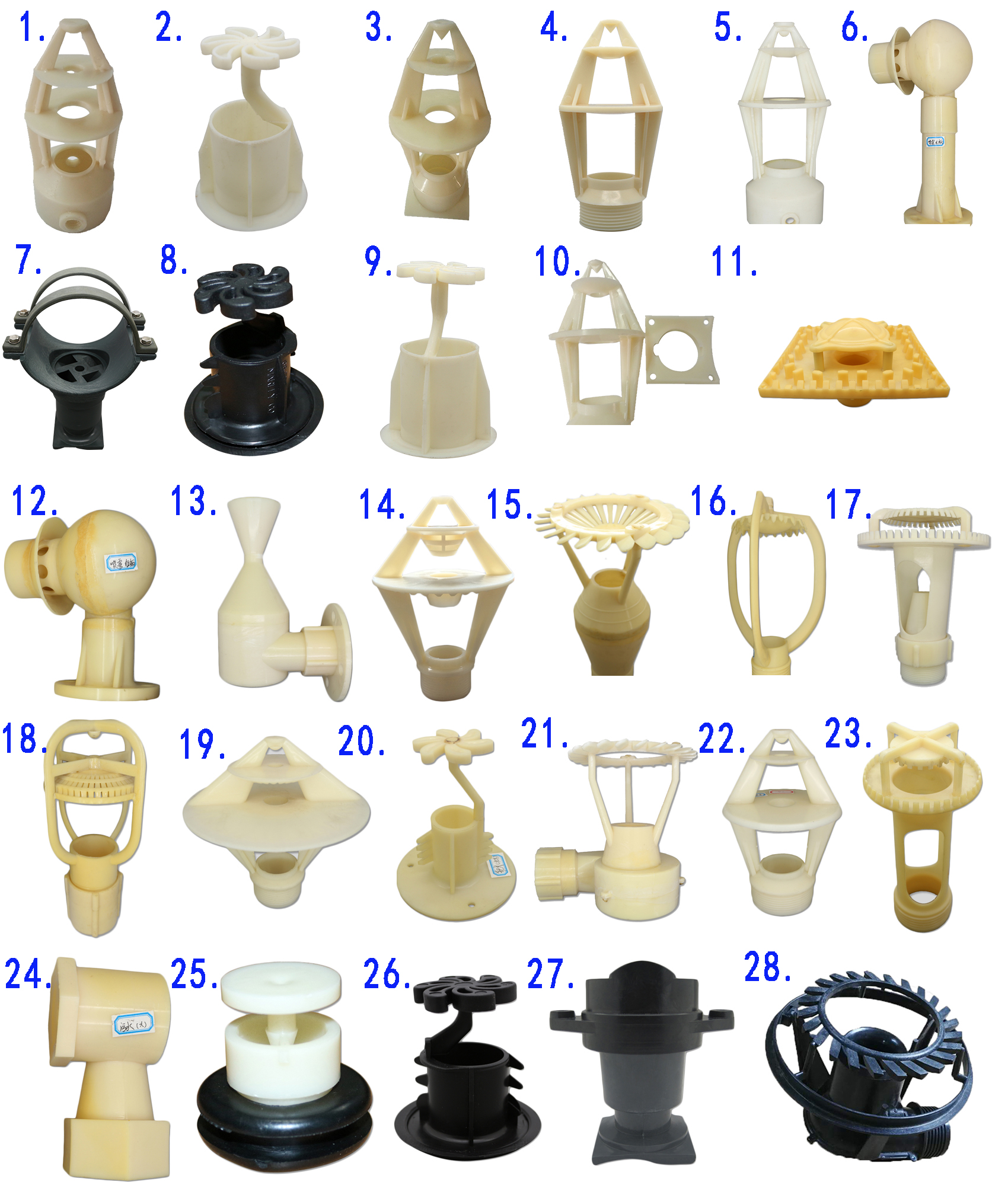
A cooling tower water distribution nozzle is one of the most important components of an evaporative cooling tower. Its primary function is to distribute hot circulating water evenly over the cooling tower fill, ensuring maximum contact between water and air for efficient heat transfer.
An efficient water distribution system directly affects cooling tower performance, water consumption, energy efficiency, and operating costs. Poor nozzle performance can lead to uneven water distribution, dry spots on the fill, reduced cooling capacity, scaling, and increased maintenance expenses.
Modern cooling tower nozzles are designed to provide uniform spray patterns, low clogging risk, and long-term durability in harsh industrial environments. This guide explains everything you need to know about cooling tower water distribution nozzles, including their working principles, types, materials, applications, maintenance, and selection tips.
What Is a Cooling Tower Water Distribution Nozzle?
A cooling tower water distribution nozzle is a precision-engineered component installed in the water distribution system of a cooling tower. It controls the flow of hot water entering the tower and disperses it into a uniform spray over the fill media.
By creating an even water film or spray pattern, the nozzle increases the contact area between water and airflow, allowing heat to dissipate efficiently through evaporation.
Cooling tower nozzles are used in:
Counterflow cooling towers
Crossflow cooling towers
Closed-circuit cooling towers
Industrial cooling towers
Commercial HVAC cooling towers
How Do Cooling Tower Nozzles Work?
The cooling process begins when heated water from industrial equipment or HVAC systems enters the cooling tower.
Step 1: Water Enters the Distribution System
Hot circulating water flows into headers or distribution pipes positioned above the fill.
Step 2: Water Passes Through the Nozzle
The nozzle regulates the flow rate and directs the water into a specific spray pattern, such as a full cone or target distribution.
Step 3: Uniform Water Coverage
The spray evenly wets the cooling tower fill, maximizing the surface area available for heat exchange.
Step 4: Air Removes Heat
As air passes through the fill, a portion of the water evaporates, carrying away heat and cooling the remaining water before it returns to the system.
Uniform water distribution is essential for maintaining consistent thermal performance across the entire fill pack.
Functions of Cooling Tower Water Distribution Nozzles
Ensure Uniform Water Distribution
The primary role of a nozzle is to evenly distribute water over the fill media. Uniform wetting prevents dry areas and ensures efficient heat transfer.
Improve Cooling Efficiency
Proper nozzle performance increases the contact time and surface area between water and air, helping the cooling tower achieve its designed thermal performance.
Reduce Water Waste
Efficient spray patterns minimize overspray and improve water utilization, reducing unnecessary water consumption.
Prevent Dry Spots
Uneven water distribution can cause sections of the fill to remain dry, reducing cooling efficiency and increasing the risk of scaling and fouling.
Lower Maintenance Requirements
Modern nozzles are designed to resist clogging and maintain consistent flow, reducing maintenance frequency and system downtime.
Types of Cooling Tower Water Distribution Nozzles
Spiral Spray Nozzles
Spiral nozzles create a uniform full-cone spray without internal vanes, making them resistant to clogging.
Advantages
Target Nozzles
Target nozzles direct water onto a deflector plate, creating a controlled spray pattern.
Features
Gravity Nozzles
Gravity nozzles rely on the natural flow of water rather than pressure.
Benefits
Pressure Spray Nozzles
Pressure nozzles use water pressure to generate a fine spray.
Advantages include:
Excellent atomization
Uniform water coverage
High cooling efficiency
Variable Flow Nozzles
Variable-flow nozzles maintain effective distribution across a range of operating conditions, making them suitable for systems with changing water flow rates.
Common Materials
ABS Plastic
ABS is widely used because it offers:
High impact resistance
Corrosion resistance
Lightweight construction
Cost-effectiveness
Polypropylene (PP)
PP nozzles provide:
Ideal for industrial cooling systems with aggressive water chemistry.
PVC
PVC nozzles are suitable for many standard cooling tower applications due to their corrosion resistance and affordability.
Nylon
Nylon offers excellent mechanical strength and wear resistance for demanding operating conditions.
Stainless Steel
For high-temperature or highly corrosive environments, stainless steel nozzles provide exceptional durability and structural integrity.
Key Features of High-Quality Cooling Tower Nozzles
Premium cooling tower water distribution nozzles are designed to deliver:
These features help maintain stable cooling tower performance over extended operating periods.
Applications
Cooling tower water distribution nozzles are widely used in:
Commercial HVAC systems
Industrial cooling towers
Power plants
Petrochemical facilities
Steel mills
Chemical processing plants
Pharmaceutical manufacturing
Food and beverage processing
Mining operations
Data centers
Paper mills
Water treatment facilities
Benefits of Efficient Water Distribution
An optimized water distribution system provides several operational advantages:
Higher Cooling Capacity
Uniform water coverage improves heat exchange across the entire fill pack.
Lower Energy Consumption
Efficient cooling reduces the workload on chillers, pumps, and other system components, contributing to lower energy use.
Extended Fill Life
Even wetting reduces localized scaling, thermal stress, and premature deterioration of the cooling tower fill.
Improved Water Conservation
Accurate water distribution minimizes waste and supports sustainable operation.
Reduced Operating Costs
Lower maintenance needs and improved system efficiency help reduce total lifecycle costs.
Common Problems with Cooling Tower Nozzles
Although cooling tower nozzles are designed for long service life, they may experience issues over time.
Nozzle Clogging
Mineral deposits, debris, or biological growth can restrict water flow, leading to uneven distribution.
Uneven Spray Pattern
Wear, damage, or incorrect installation may alter the intended spray pattern and reduce cooling performance.
Mechanical Damage
Exposure to vibration or accidental impact can crack or deform plastic nozzles.
Scaling
Hard water can leave mineral deposits that affect nozzle performance if not managed through water treatment and cleaning.
Chemical Degradation
Selecting a nozzle material incompatible with the process water chemistry may shorten its service life.
Maintenance Tips
Regular inspection and maintenance help keep nozzles operating efficiently.
Recommended practices include:
Inspect nozzles during scheduled maintenance.
Clean blocked nozzles using approved methods.
Remove scale and sediment buildup.
Check for cracks or wear.
Replace damaged nozzles promptly.
Verify uniform spray patterns after maintenance.
Monitor water quality to reduce fouling and scaling.
Routine preventive maintenance minimizes downtime and extends the life of the water distribution system.
How to Choose the Right Cooling Tower Nozzle
Selecting the appropriate nozzle requires consideration of several factors.
Cooling Tower Type
Ensure compatibility with the tower design, such as counterflow or crossflow systems.
Water Flow Rate
Choose a nozzle that delivers the required flow while maintaining the desired spray pattern.
Operating Pressure
Confirm that the nozzle performs effectively within the system's operating pressure range.
Material Compatibility
Select materials that resist the temperature, chemicals, and environmental conditions present in the application.
Spray Pattern
Choose a spray pattern that provides uniform coverage of the fill media without excessive overlap or dry areas.
Why Choose a Professional Cooling Tower Nozzle Supplier?
A reliable supplier can help ensure consistent product quality and application support.
Professional suppliers typically offer:
Precision-manufactured nozzles
Durable, high-quality materials
Standard and custom designs
Technical selection assistance
Strict quality control
Fast delivery
Global export experience
Responsive after-sales support
Partnering with an experienced supplier helps optimize cooling tower performance and simplify maintenance planning.
Frequently Asked Questions
What is the function of a cooling tower water distribution nozzle?
Its primary function is to distribute circulating water evenly over the cooling tower fill, maximizing heat transfer and ensuring efficient cooling.
What causes cooling tower nozzles to clog?
Common causes include mineral scale, sediment, debris, biological growth, and inadequate water treatment.
Which material is best for cooling tower nozzles?
The best material depends on the operating environment. ABS, PP, PVC, nylon, and stainless steel are all commonly used, each offering different advantages in terms of chemical resistance, strength, and temperature tolerance.
How often should cooling tower nozzles be inspected?
Inspection frequency depends on operating conditions and water quality, but regular inspections during preventive maintenance are recommended to identify clogging, wear, or damage.
Can replacing worn nozzles improve cooling tower efficiency?
Yes. Replacing damaged or clogged nozzles restores uniform water distribution, helping the cooling tower operate closer to its original design performance.
Conclusion
Cooling tower water distribution nozzles are fundamental to the efficient operation of any evaporative cooling system. By ensuring even water distribution across the fill media, they maximize heat transfer, reduce water waste, and support reliable system performance.
Choosing high-quality nozzles made from durable materials such as ABS, PP, PVC, nylon, or stainless steel, combined with regular inspection and maintenance, can significantly improve cooling efficiency and extend the life of the entire cooling tower.
Whether you operate a commercial HVAC installation, power plant, manufacturing facility, or industrial process cooling system, investing in dependable cooling tower water distribution nozzles is an effective way to enhance performance, reduce operating costs, and maintain long-term reliability.


