Top FRP Cooling Tower Fan Suppliers in China
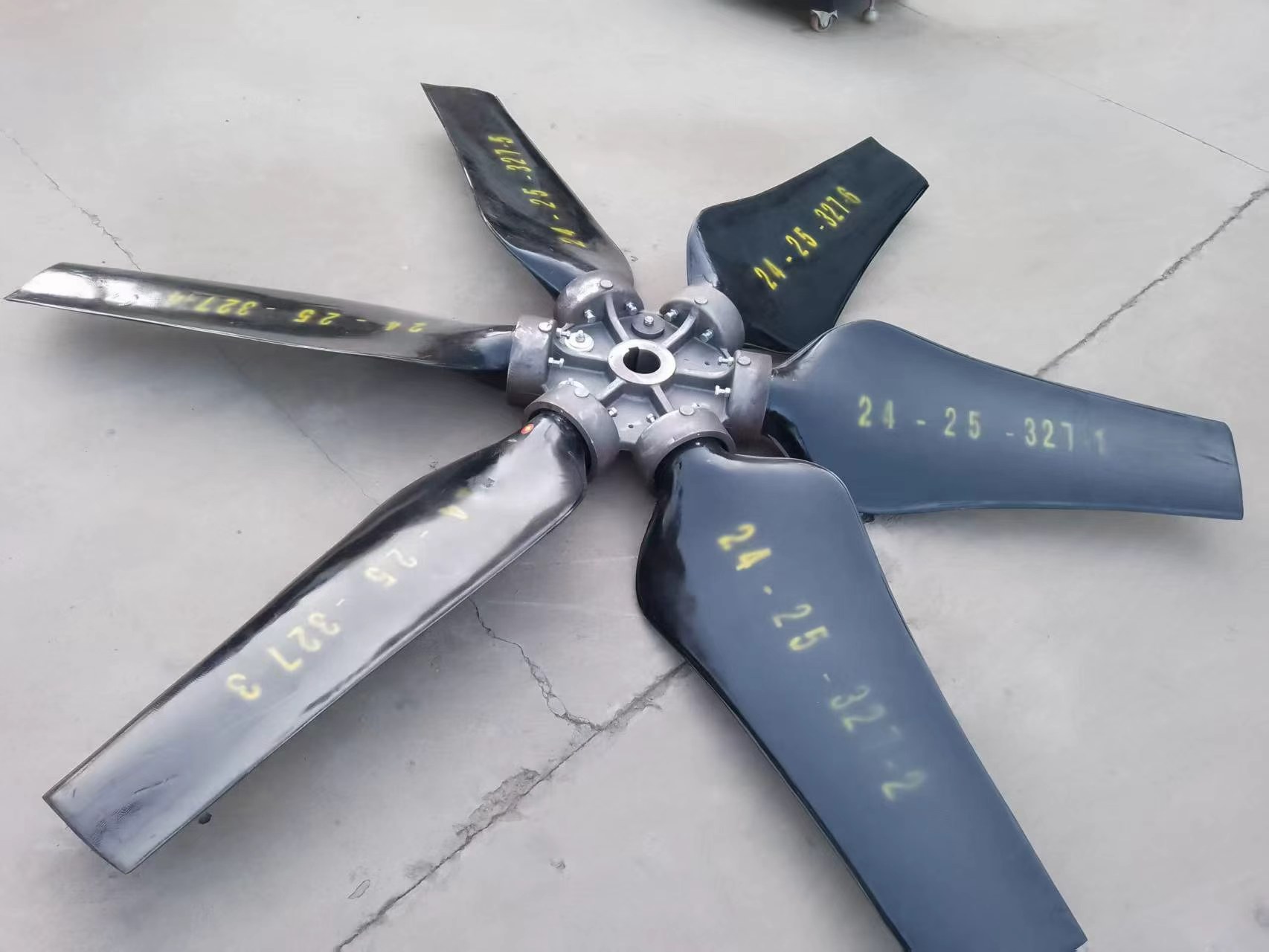
Cooling tower fans are one of the most important components in mechanical draft cooling tower systems. They generate the airflow required to remove heat from circulating water and ensure efficient cooling performance in industrial facilities. Among different fan materials available on the market, FRP cooling tower fans (Fiberglass Reinforced Plastic cooling tower fans) have become increasingly popular because of their excellent corrosion resistance, lightweight structure, high strength, and long service life.
China has developed into one of the world’s major manufacturing bases for cooling tower components. Many professional FRP cooling tower fan suppliers in China provide high-quality replacement fans, fan blades, hubs, and complete fan assemblies suitable for cooling towers from brands such as Marley, BAC, Evapco, Liang Chi, Hamon, and other manufacturers.
CoolingTowerPart.com specializes in supplying reliable cooling tower replacement components, including FRP cooling tower fans, fan blades, drive systems, fills, nozzles, drift eliminators, and other critical spare parts for industrial cooling applications.
What Is an FRP Cooling Tower Fan?
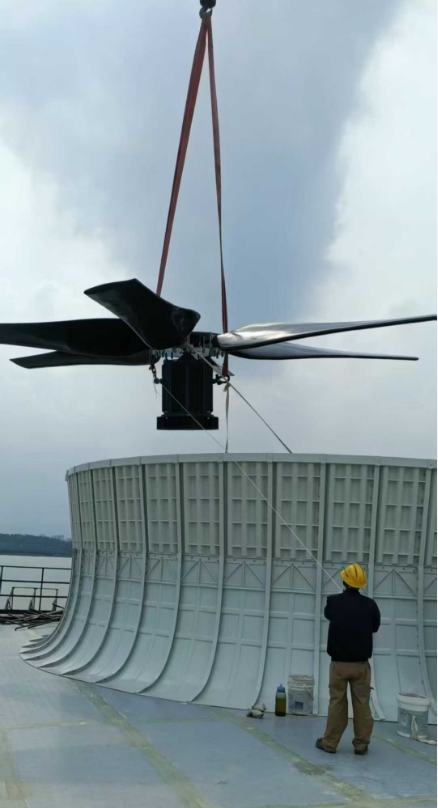
An FRP cooling tower fan is a fan assembly manufactured using fiberglass reinforced plastic composite materials. It is designed specifically for cooling tower applications where continuous operation, moisture exposure, and chemical resistance are required.
Unlike traditional aluminum or steel fans, FRP fans provide excellent resistance against corrosion caused by humidity, cooling water chemicals, and harsh industrial environments.
A typical FRP cooling tower fan consists of:
These components work together to provide stable airflow, low vibration operation, and high cooling efficiency.
Why Choose FRP Cooling Tower Fans?
1. Excellent Corrosion Resistance
Cooling towers operate in environments with high humidity, water spray, and chemical exposure. Metal fan blades may experience corrosion, oxidation, and surface damage over time.
FRP cooling tower fan blades are manufactured from composite materials that resist:
Moisture corrosion
Chemical attack
Salt spray damage
Industrial pollutants
UV exposure
This makes FRP fans ideal for:
Chemical plants
Power stations
Steel mills
Refineries
HVAC cooling systems
2. Lightweight Design Reduces Energy Consumption
One of the biggest advantages of FRP cooling tower fans is their lightweight construction.
Compared with traditional metal fans, FRP blades require less starting torque and reduce the load on:
Cooling tower motors
Gear reducers
Drive shafts
Bearings
The lower rotational weight helps improve motor efficiency and reduce operating costs.
3. High Mechanical Strength
Although FRP materials are lightweight, they provide excellent structural strength.
High-quality FRP fan blades can withstand:
High-speed rotation
Continuous operation
Temperature changes
Mechanical stress
Advanced manufacturing processes ensure accurate blade profiles and stable aerodynamic performance.
4. Low Noise Operation
Cooling tower noise is an important consideration for industrial facilities located near residential areas or office buildings.
FRP cooling tower fans are designed with optimized aerodynamic blade shapes that help:
Properly designed FRP fans can achieve excellent airflow performance with reduced sound levels.
5. Long Service Life
Because FRP materials resist corrosion and fatigue, cooling tower fans made from fiberglass composites generally have a longer service life compared with conventional metal fans.
With proper maintenance, FRP cooling tower fans can provide years of reliable operation.
Applications of FRP Cooling Tower Fans
FRP cooling tower fans are widely used in various industries, including:
Power Generation Industry
Power plants rely on cooling towers to remove heat from condenser systems. Reliable FRP fans ensure continuous airflow and stable cooling performance.
Chemical and Petrochemical Plants
Chemical processing facilities require cooling equipment that can withstand corrosive environments. FRP fans provide excellent durability in these applications.
HVAC and Commercial Buildings
Large commercial HVAC systems use cooling towers to improve energy efficiency. FRP fans provide quiet and reliable operation.
Manufacturing Facilities
Industries such as steel, automotive, food processing, and electronics use cooling towers for process cooling.
Types of FRP Cooling Tower Fans Supplied in China
Professional Chinese cooling tower fan manufacturers provide different types of FRP fans according to cooling tower design requirements.
FRP Axial Flow Cooling Tower Fans
Axial flow FRP fans are the most common type used in induced draft cooling towers.
Features include:
High airflow capacity
Efficient aerodynamic design
Low operating power consumption
Suitable for large cooling towers
Adjustable Pitch FRP Cooling Tower Fans
Adjustable pitch fans allow operators to modify blade angles to optimize airflow performance.
Advantages:
Replacement FRP Cooling Tower Fan Blades
Many cooling tower owners replace only damaged fan blades instead of the complete fan assembly.
Replacement FRP blades are available for:
Marley cooling towers
BAC cooling towers
Evapco cooling towers
Liang Chi cooling towers
Custom cooling towers
Manufacturing Process of FRP Cooling Tower Fans
Reliable FRP cooling tower fan suppliers in China use advanced production methods to ensure product quality.
Material Selection
High-quality materials include:
Blade Molding
FRP blades are manufactured through precision molding processes to achieve:
Dynamic Balancing
Each fan assembly should be dynamically balanced before shipment.
Proper balancing helps prevent:
Excessive vibration
Bearing damage
Gearbox wear
Motor overload
How to Select a Reliable FRP Cooling Tower Fan Supplier in China
Choosing the right supplier is important for ensuring cooling tower performance and reliability.
1. Manufacturing Experience
A professional supplier should have extensive experience producing:
Cooling tower fans
Fan blades
Fan hubs
Drive components
Experienced manufacturers understand different cooling tower designs and replacement requirements.
2. Product Quality Control
Reliable suppliers should have strict quality inspection procedures, including:
Material testing
Dimensional inspection
Balance testing
Performance verification
3. OEM and Customization Capability
Different cooling towers require different fan sizes and designs.
A capable supplier should provide:
4. Global Export Experience
China cooling tower fan suppliers serve customers worldwide.
Export experience ensures:
FRP Cooling Tower Fan Replacement Solutions
Cooling tower fans operate continuously and may eventually require replacement due to:
Replacing old cooling tower fans can improve:
Cooling efficiency
Energy savings
System reliability
Equipment lifespan
CoolingTowerPart.com provides compatible FRP cooling tower fan replacement solutions for many industrial cooling tower brands.
Technical Advantages of CoolingTowerPart.com FRP Cooling Tower Fans
High-Performance Aerodynamic Design
Fan blades are designed to maximize airflow while minimizing energy consumption.
Corrosion Resistant Construction
FRP materials provide excellent protection in wet and chemical environments.
OEM Compatible Dimensions
Fans can be manufactured according to original cooling tower specifications.
Reliable Industrial Performance
Products are suitable for continuous operation in demanding industrial applications.
Maintenance Tips for FRP Cooling Tower Fans
Regular inspection helps extend fan service life.
Recommended maintenance includes:
Check Fan Blade Condition
Inspect for:
Cracks
Surface damage
Loose connections
Deformation
Check Fan Balance
Unbalanced fans may cause:
Excessive vibration
Motor problems
Gearbox damage
Inspect Hardware
Regularly check:
Bolts
Blade mounting brackets
Hub connections
Monitor Operating Performance
Track:
Vibration levels
Noise changes
Motor current
Airflow performance
Why Buy FRP Cooling Tower Fans from China?
China has become a preferred source for cooling tower spare parts because manufacturers offer:
Competitive pricing
Advanced manufacturing capability
OEM customization
Large production capacity
International shipping support
Professional Chinese suppliers provide solutions for both new cooling tower projects and replacement maintenance programs.
FAQ About FRP Cooling Tower Fans
What is an FRP cooling tower fan?
An FRP cooling tower fan is an axial airflow fan made from fiberglass reinforced plastic materials, designed to provide efficient airflow in industrial cooling towers.
Are FRP cooling tower fans better than aluminum fans?
FRP fans offer superior corrosion resistance and lighter weight, making them suitable for harsh cooling tower environments.
Can FRP fans replace Marley or Evapco cooling tower fans?
Yes. Many FRP cooling tower fans can be manufactured as OEM-compatible replacement components according to original specifications.
How long does an FRP cooling tower fan last?
Service life depends on operating conditions and maintenance, but high-quality FRP fans can provide many years of reliable operation.
Do Chinese suppliers provide customized cooling tower fans?
Yes. Professional manufacturers can customize blade size, hub design, materials, and performance specifications.
Conclusion
FRP cooling tower fans are an efficient and durable solution for modern industrial cooling systems. Their lightweight construction, corrosion resistance, high strength, and energy-saving performance make them an excellent choice for replacement and new cooling tower applications.
Choosing a reliable FRP cooling tower fan supplier in China ensures access to high-quality products, competitive pricing, and professional technical support. CoolingTowerPart.com provides dependable cooling tower fan solutions for industries worldwide, helping customers improve cooling efficiency and reduce maintenance costs.
Internal Linking Suggestions for CoolingTowerPart.com
Suggested related pages:


