


and don’t hesitate to replace those critical components when needed.

Views: 0 Author: Site Editor Publish Time: 2026-01-29 Origin: Site


A cooling tower is an essential piece of equipment in many industrial and commercial facilities. Its primary function is to remove heat from a building or industrial process by dissipating heat into the atmosphere through water evaporation. Cooling towers play a critical role in regulating temperatures, keeping systems running efficiently, and preventing overheating, which can lead to costly damages.
Cooling towers operate on the principle of heat exchange. Water from the system is pumped through the tower, where it is exposed to air, allowing the heat to dissipate. As the water evaporates, the heat it carries is released, and cooler water is returned to the system. The fans and motors inside the cooling tower help circulate air and force it through the water, speeding up the evaporation process.
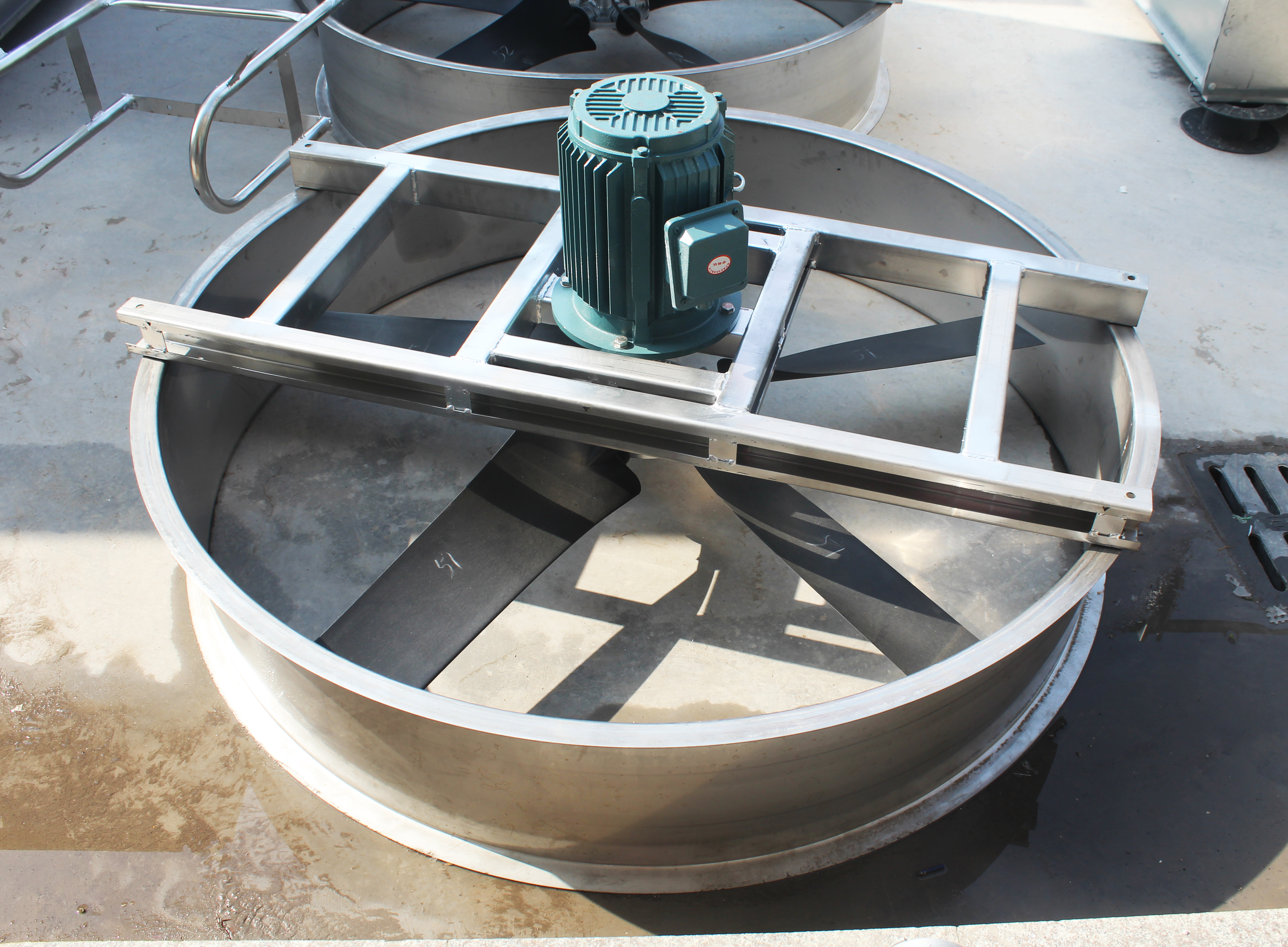
Cooling tower fans and motors are vital for maintaining optimal cooling tower performance. Over time, wear and tear, weather conditions, and prolonged use can cause them to degrade. As a result, you may need to replace them to avoid efficiency losses, increased energy consumption, or even complete system failure.
How do you know it's time for a replacement? Here are a few signs to look out for:
1. Increased Energy Consumption: If the cooling tower is working harder to achieve the same cooling effect, it’s a sign that the fans or motors are not performing as efficiently as they once did.
2. Excessive Noise: Unusual sounds like grinding, buzzing, or rattling can indicate malfunctioning fans or motors.
3. Frequent Breakdown: If you're constantly repairing the fans or motors, it’s probably more cost-effective to replace them.
4. Reduced Airflow: If you notice that the airflow has diminished, this could signal that the fans are worn out or misaligned.
There are several common issues that can lead to the need for a replacement:
* Motor Failure: Motors can burn out over time due to overheating or mechanical stress.
* Fan Blade Damage: Fan blades can crack, bend, or even break, resulting in inefficient cooling.
* Bearing Wear: Bearings inside the motor or fan shaft can wear down, causing friction, noise, and potential motor failure.
When it’s time to replace the fans and motors in your cooling tower, selecting the right components is crucial for ensuring optimal performance.
The size of the replacement fan is vital for maintaining the same airflow and cooling capacity. Fans that are too small will not provide adequate cooling, while fans that are too large can lead to wasted energy. Here’s what to consider when choosing the size:
* Fan Diameter: The new fan should match the original fan’s diameter to maintain efficiency.
* Fan Blade Pitch: The angle of the blades affects airflow. A steeper pitch means more air will be moved, but it can also increase energy consumption.
The motor drives the fan, so choosing the right one is essential for maintaining efficient performance.
* Horsepower: The motor should provide enough power to move the fan blades at the required speed. If the motor is too weak, it won't turn the fan efficiently; too powerful, and it will waste energy.
* Speed and RPM: The motor’s RPM (revolutions per minute) needs to be compatible with the fan design.
When selecting a motor, efficiency is a key factor to consider. **Premium-efficiency motors** can reduce energy consumption significantly, saving money in the long run. While they may cost more upfront, the energy savings are well worth the investment.
Replacing cooling tower fans and motors is not a simple task, but following a structured process will ensure the job is done right.
Before you begin the replacement, take the necessary precautions:
* Safety First: Always shut off power and use lockout/tagout procedures to avoid accidents.
* Prepare Tools and Equipment: You’ll need a range of tools like wrenches, hoists, and electrical equipment.
* Check the Manufacturer’s Specifications: Ensure the replacement components match the specifications for your cooling tower model.
1. Disconnect Power: Ensure the electrical system is off before working on the motor.
2. Remove Fan Blades: Use a hoist to carefully detach the fan blades from the shaft.
3. Remove the Old Motor: Unscrew and remove the motor from its mounting.
1. Position the New Motor: Place the new motor into the mounting bracket and secure it tightly.
2. Attach the New Fan Blades: Ensure the blades are balanced and properly fixed to the shaft.
3. Reassemble Other Components: Reattach any removed components such as belts, pulleys, or ductwork.
Connect the electrical wiring, ensuring all connections are secure and meet the required voltage. If you’re using a Variable Frequency Drive (VFD), calibrate it according to the motor specifications.
After installation, it's time to test the new components to ensure everything works as expected.
Start the cooling tower and listen for any unusual noises or vibrations. Monitor airflow and ensure the motor operates within its temperature range. If everything seems to be functioning correctly, proceed to further testing.
Monitor the performance of the fans and motors over time. Check for vibrations, noises, and any signs of overheating. Regular lubrication and cleaning of the motor and fan components will help extend their lifespan.
Upgrading your cooling tower’s fans and motors can provide a range of benefits.
Newer models are generally more energy-efficient, meaning you’ll spend less on electricity. Upgrading to premium-efficiency motors can cut operational costs in the long term.
New fans and motors will enhance the cooling tower’s overall performance, ensuring more reliable operation and reducing the likelihood of breakdowns.
Even with a new installation, problems can arise. Here’s how to troubleshoot common issues:
Excessive vibration or noise usually points to an imbalance in the fan blades or a loose component. Check for damage and realign the blades as necessary.
If your motor is overheating, it could be due to poor ventilation, a malfunctioning fan, or incorrect motor sizing. Ensure the motor is correctly rated for your system’s requirements.
Regular maintenance is key to keeping your cooling tower running smoothly. Replacing fans and motors when necessary not only ensures efficient cooling but also extends the lifespan of your system, saving you money on costly repairs and energy bills. So, keep an eye out for the signs that your cooling tower may need attention, and don’t
and don’t hesitate to replace those critical components when needed.


