Induced Draft Cooling Tower Louvers: Essential Components for Efficient Airflow and Water Management
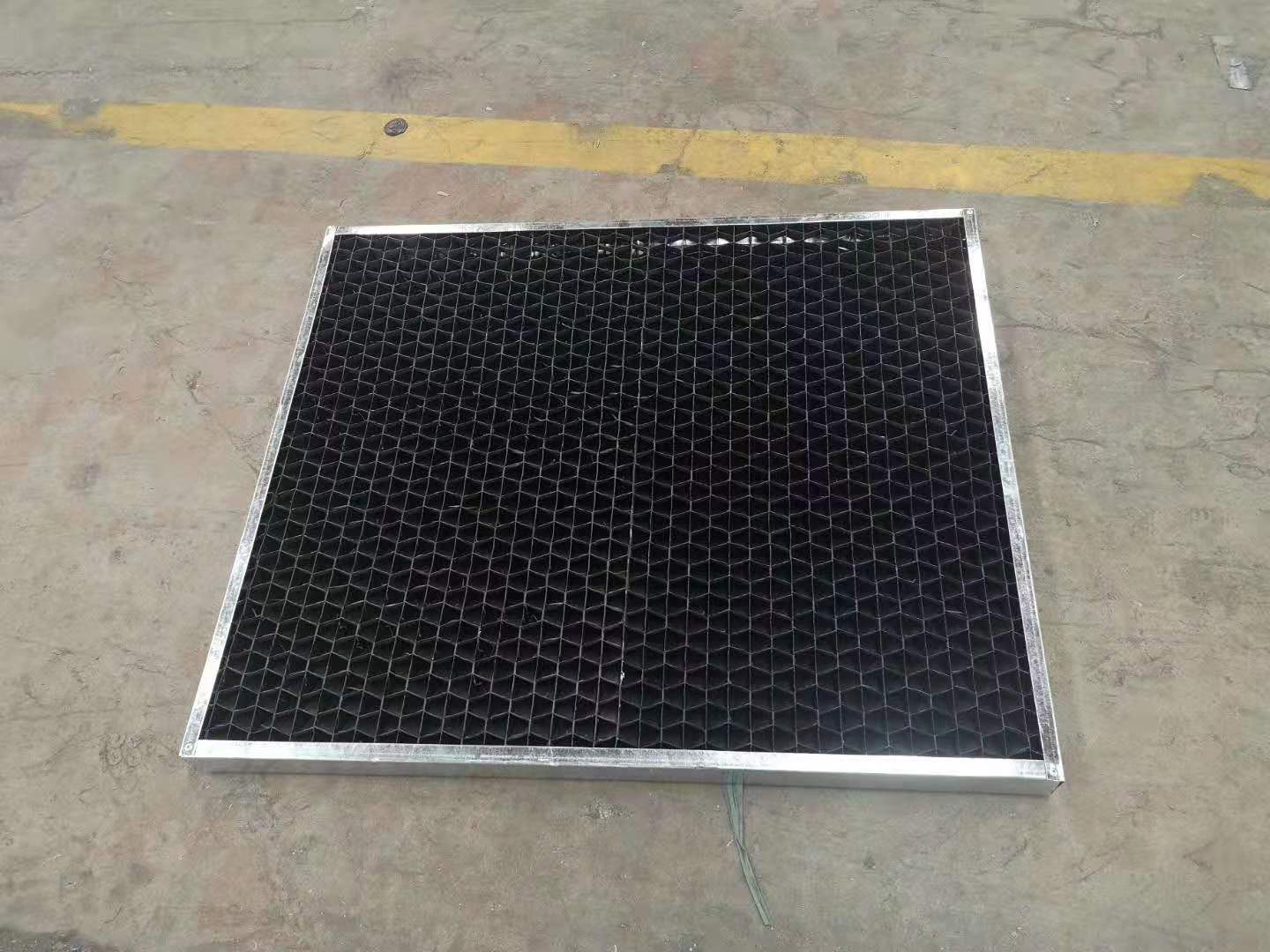
Induced draft cooling towers are widely used in industrial plants, HVAC systems, power stations, chemical processing facilities, and manufacturing industries due to their excellent cooling efficiency and energy-saving performance. While components such as cooling tower fills, fans, drift eliminators, and motors receive significant attention, cooling tower louvers play an equally important role in maintaining stable system performance.
Installed at the air inlet of the cooling tower, induced draft cooling tower louvers regulate airflow, prevent water splash-out, reduce sunlight exposure, and block debris from entering the tower. High-quality louvers help improve heat exchange efficiency while minimizing water loss and maintenance requirements.
This comprehensive guide explains the functions, materials, types, benefits, installation practices, and maintenance of induced draft cooling tower louvers, helping facility managers and engineers choose the right replacement solution for their cooling systems.
What Are Induced Draft Cooling Tower Louvers?
Cooling tower louvers are specially designed panels installed around the air intake section of an induced draft cooling tower. Their primary purpose is to allow sufficient airflow into the tower while controlling water movement and protecting internal components.
Unlike drift eliminators, which capture fine water droplets leaving the top of the cooling tower, louvers are located on the side walls where fresh air enters the system.
Their main functions include:
Directing incoming airflow
Preventing water splash-out
Reducing algae growth by limiting sunlight
Blocking leaves and debris
Improving water distribution stability
Protecting cooling tower fills
Properly designed louvers help maintain balanced airflow throughout the cooling tower, contributing to efficient evaporative cooling.
How Does an Induced Draft Cooling Tower Work?
Understanding the cooling tower operating principle helps explain why louvers are essential.
In an induced draft cooling tower:
Hot process water is pumped to the top of the cooling tower.
Water is distributed evenly through spray nozzles.
Water flows downward over cooling tower fill media.
A fan mounted at the top of the tower draws air upward through the fill.
Heat transfers from water to air through evaporation.
Cooled water collects in the basin for recirculation.
Since air enters through the side walls, cooling tower louvers regulate the incoming airflow and prevent excessive water from escaping the tower.
Why Cooling Tower Louvers Are Important
Cooling tower louvers perform multiple critical functions beyond simply covering the air inlet.
1. Improve Airflow Distribution
Even airflow is essential for efficient heat transfer.
Properly designed louvers:
Reduce airflow turbulence
Direct air uniformly across the fill
Improve cooling efficiency
Minimize dead air zones
Balanced airflow allows the cooling tower to achieve its designed thermal performance.
2. Prevent Water Splash-Out
Without louvers, circulating water can splash outside the cooling tower due to fan-induced airflow and water impact.
Benefits include:
Reduced water loss
Cleaner operating environment
Lower makeup water consumption
Improved system efficiency
3. Protect Internal Components
Cooling towers often operate outdoors where wind can carry:
Leaves
Dust
Plastic debris
Insects
Sand
Louvers reduce the amount of foreign material entering the tower, helping protect:
4. Reduce Algae Growth
Direct sunlight encourages algae growth inside cooling towers.
Algae can:
Cooling tower louvers reduce sunlight entering the tower, helping maintain better water quality.
Types of Cooling Tower Louvers
Several louver designs are available depending on cooling tower type and operating conditions.
PVC Cooling Tower Louvers
PVC is one of the most commonly used materials due to its:
Corrosion resistance
Lightweight construction
Cost-effectiveness
Easy installation
PVC louvers are widely used in commercial HVAC cooling towers.
FRP Cooling Tower Louvers
Fiberglass Reinforced Plastic (FRP) louvers offer outstanding mechanical strength and durability.
Advantages include:
FRP louvers are preferred for heavy-duty industrial cooling towers.
PP Cooling Tower Louvers
Polypropylene (PP) louvers provide excellent resistance to aggressive chemicals and are suitable for:
Chemical plants
Pharmaceutical facilities
Electroplating industries
Wastewater treatment systems
Customized Cooling Tower Louvers
Many industrial cooling towers require custom-designed louvers to match existing equipment.
Custom options include:
Panel size
Thickness
Color
Airflow angle
Mounting method
Material selection
Custom manufacturing ensures compatibility with existing cooling tower structures.
Features of High-Quality Induced Draft Cooling Tower Louvers
A reliable cooling tower louver should provide long-term performance under harsh environmental conditions.
Key features include:
Quality manufacturing ensures consistent performance even in demanding industrial environments.
Benefits of Replacing Old Cooling Tower Louvers
Over time, louvers may become cracked, warped, or damaged due to prolonged exposure to weather, chemicals, and UV radiation.
Replacing aging louvers offers several benefits:
Improved Cooling Efficiency
Damaged louvers disrupt airflow and reduce heat exchange performance.
New louvers restore proper airflow distribution.
Reduced Water Consumption
Modern louver designs minimize splash-out, reducing makeup water requirements and operating costs.
Better Equipment Protection
New louvers prevent debris from entering the cooling tower, protecting critical components and reducing maintenance.
Enhanced Structural Appearance
Replacement louvers also improve the overall appearance of aging cooling towers while maintaining structural integrity.
How to Choose the Right Cooling Tower Louvers
Selecting the appropriate louver depends on several factors.
Cooling Tower Type
Determine whether your system is:
Induced draft cooling tower
Counterflow cooling tower
Crossflow cooling tower
Closed circuit cooling tower
Different tower designs require specific louver configurations.
Material Selection
Choose materials based on operating conditions.
| Material | Advantages | Typical Applications |
| PVC | Lightweight, economical | Commercial HVAC |
| FRP | High strength, UV resistant | Industrial cooling towers |
| PP | Chemical resistant | Chemical processing plants |
Environmental Conditions
Consider:
UV exposure
Ambient temperature
Wind load
Chemical exposure
Humidity
Water quality
Selecting the right material extends service life and reduces maintenance.
Cooling Tower Louver Installation Tips
Proper installation ensures optimal performance.
Inspect the Frame
Before installing replacement louvers:
Check frame alignment
Remove corrosion
Repair damaged supports
Secure Fastening
Use corrosion-resistant fasteners suitable for outdoor environments.
Avoid overtightening, which may crack plastic panels.
Verify Airflow Direction
Install louvers according to the manufacturer's recommended airflow orientation to maintain efficient air intake.
Final Inspection
After installation:
Cooling Tower Louver Maintenance
Routine maintenance helps maximize service life.
Recommended maintenance includes:
Remove dust and debris regularly
Wash louvers with clean water
Inspect for cracks or deformation
Check mounting hardware
Replace damaged panels promptly
Routine inspections during scheduled cooling tower maintenance can prevent airflow issues and unnecessary repairs.
Applications of Induced Draft Cooling Tower Louvers
Cooling tower louvers are used across numerous industries, including:
Reliable louvers contribute to efficient cooling and long-term equipment protection in each of these applications.
Why Choose CoolingTowerPart for Cooling Tower Louvers?
CoolingTowerPart is a professional manufacturer and supplier of industrial cooling tower spare parts in China, offering high-quality louver solutions for a wide range of cooling tower brands.
Our advantages include:
Premium PVC, FRP, and PP materials
Precision manufacturing
OEM-compatible replacement parts
Custom sizes and configurations
Competitive factory pricing
Strict quality control
Global export experience
Fast delivery and technical support
In addition to cooling tower louvers, we supply:
Frequently Asked Questions
What is the function of cooling tower louvers?
Cooling tower louvers regulate incoming airflow, prevent water splash-out, reduce sunlight exposure, and block debris from entering the cooling tower, helping improve cooling efficiency and reduce maintenance.
What is the best material for cooling tower louvers?
FRP is ideal for heavy-duty industrial applications due to its strength and corrosion resistance, while PVC is a cost-effective option for commercial HVAC systems. PP is recommended for environments with aggressive chemicals.
How often should cooling tower louvers be replaced?
There is no fixed replacement interval. Inspect louvers during routine maintenance and replace them if they show signs of cracking, warping, UV degradation, or reduced performance.
Are replacement louvers available for Marley, BAC, and Evapco cooling towers?
Yes. Many manufacturers offer OEM-compatible replacement louvers designed to fit major cooling tower brands, including Marley, BAC, Evapco, Liangchi, and others.
Can cooling tower louvers be customized?
Yes. Custom options are available for panel dimensions, material, thickness, color, mounting style, and airflow angle to meet specific project requirements.
Conclusion
Induced draft cooling tower louvers are essential for maintaining efficient airflow, minimizing water loss, protecting internal components, and ensuring reliable cooling tower operation. Whether constructed from PVC, FRP, or PP, high-quality louvers contribute to lower maintenance costs, improved energy efficiency, and extended equipment life.
When replacing worn or damaged louvers, selecting a trusted China cooling tower louver supplier ensures access to durable, OEM-compatible, and customizable solutions that meet the demands of industrial and commercial cooling applications. By combining quality materials with proper installation and routine maintenance, cooling tower owners can maximize performance and achieve long-term operational reliability.


