How to Repair a Cooling Tower Pump: A Comprehensive Guide
Understanding the Role of Cooling Tower Pumps
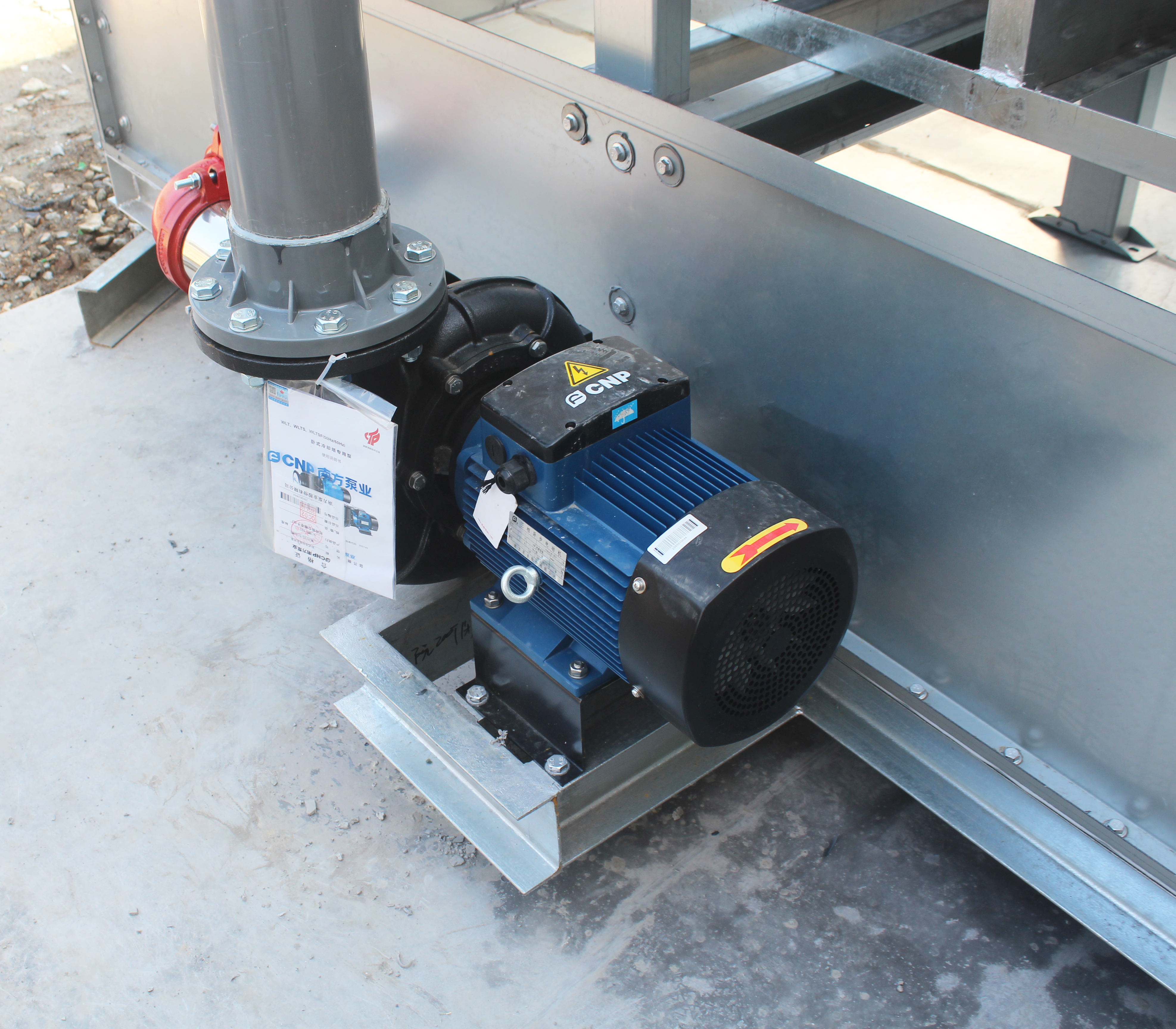
Cooling towers are integral to industrial HVAC systems, and their performance hinges on one key component: the **cooling tower pump**. This pump is responsible for circulating water through the system, ensuring that heat is transferred effectively and maintaining the temperature regulation of various processes.
Why Are Cooling Tower Pumps Important?
Without a properly functioning cooling tower pump, your entire cooling system would be compromised. Pumps circulate water between the cooling tower, condenser, and heat exchangers. They help keep water moving at the right flow rate, ensuring the cooling process is efficient. If the pump fails, water flow will be interrupted, causing system overheating and even potential equipment damage.
Common Types of Cooling Tower Pumps
There are generally three types of pumps used in cooling towers:
* Centrifugal Pumps: The most common type, centrifugal pumps use a rotating impeller to increase water velocity and force it through the system.
* Vertical Turbine Pumps: These are used for high-lift situations and are typically installed in deep wells or sumps.
* Submersible Pumps: These are fully submerged in the cooling tower water basin and can be ideal for space-saving and noise reduction.
Each type of pump plays a critical role in maintaining optimal cooling tower performance.
Symptoms of a Failing Cooling Tower Pump
Pumps don’t always fail suddenly. They often give warning signs before a full breakdown. Recognizing these symptoms early can help prevent a major issue and reduce repair costs.
Strange Noises or Vibrations
If you start noticing unusual sounds such as grinding, screeching, or humming, it’s time to check the pump. These noises can indicate a problem with the bearings, impeller, or other internal components. Vibration is also a red flag that something’s off-balance.
Low or Unstable Flow Rates
When the pump is malfunctioning, it might not circulate water properly. You’ll notice a drop in flow rate, which can lead to inadequate cooling and possibly damage the system.
Leaks Around the Pump
Water leaking from the pump casing, seals, or connections could mean that there is an internal failure. This can lead to further damage or contamination of the pump components, so it’s critical to address it right away.
Pump Overheating
If the pump motor is overheating, it can indicate issues with the bearings, seals, or electrical system. Overheating could also lead to the complete failure of the motor, so early diagnosis is key to preventing a costly repair.
Diagnosing Pump Problems
Before jumping into repairs, it’s important to diagnose the problem accurately. Follow these steps to identify the issue with your cooling tower pump.
Visual Inspection
Start with a visual inspection. Look for visible leaks, corrosion, cracks, or obvious wear and tear. This will give you an initial idea of whether the pump needs repair or replacement.
Checking Pump Bearings and Shaft
Worn-out bearings or a damaged pump shaft can cause irregular noise and vibrations. If there is excessive play in the shaft or rough movement in the bearings, you’ll need to repair or replace these parts.
Testing Pump Motor and Power Supply
A malfunctioning motor is another common problem. Test the power supply and inspect the motor’s wiring for wear. If the motor is not functioning properly, it could be due to issues like electrical faults, overheating, or a mechanical failure.
Step-by-Step Guide to Cooling Tower Pump Repair
Once you’ve diagnosed the problem, it’s time to roll up your sleeves and get to work. Here’s a detailed guide on how to repair a cooling tower pump.
Shutting Down the System and Ensuring Safety
Before you start any repair work, always **shut down the cooling tower system** and disconnect the power to the pump. Make sure you have the necessary safety equipment like gloves, goggles, and non-slip footwear to protect yourself during the repair process.
Removing the Pump
Carefully remove the pump from its location. Depending on the system design, you may need to disconnect the pump’s inlet and outlet pipes. Be sure to have proper support for the pump during removal to avoid damaging any connected components.
Disassembling the Pump for Inspection
Once the pump is removed, disassemble it to inspect the internal parts. You’ll typically need to remove the impeller, check the bearings, and examine the seals for damage. Take note of any signs of wear, rust, or corrosion that may require immediate replacement.
Checking for Wear and Tear
Look for signs of excessive wear on the impeller, bearings, and seals. If the impeller is damaged or clogged, you’ll need to clean or replace it. Damaged bearings should be replaced immediately, as they could cause further damage to the motor and shaft.
Repairing or Replacing Damaged Parts
If you identify worn-out or damaged parts, you have two options: repair or replace. For minor damage like wear on seals or bearings, you can replace just the affected parts. However, if the impeller or motor is severely damaged, you may need to replace the entire pump.
Seals, Bearings, and Impellers
* Seals: Replace any damaged or worn seals to prevent leaks. Ensure they’re correctly installed to maintain pressure.
* Bearings: If bearings are worn, replace them immediately to prevent damage to the shaft and motor.
* Impeller: If the impeller is cracked or damaged, it should be replaced. A damaged impeller reduces flow rate and can lead to further mechanical failure.
Reassembling and Reinstalling the Pump
Once the necessary parts are replaced, carefully reassemble the pump. Ensure that each component fits properly and that all connections are tight. Reinstall the pump back into its housing, ensuring that the pump is aligned correctly with the piping system.
Testing and Verifying the Repair
Before starting the system, test the pump manually by rotating the shaft and checking for smooth operation. Once everything is reinstalled, power on the system and observe the pump for any unusual vibrations, sounds, or leaks. Measure the flow rate to ensure it meets the desired specifications.
Preventive Maintenance Tips for Cooling Tower Pumps
To avoid future repairs, implement regular maintenance routines that extend the life of your cooling tower pump.
Regular Inspection and Lubrication
Check the pump components periodically for any signs of wear, and lubricate the bearings to reduce friction. This simple task can prevent costly repairs and downtime.
Monitoring Pump Performance
Use monitoring equipment to track the performance of the pump. Keep an eye on the flow rate, power consumption, and any unusual vibrations or noises. Early detection of issues can help you address them before they escalate.
Addressing Issues Early
Don’t wait for problems to worsen. If you notice early signs of pump failure, such as slight vibrations or low flow rates, address them immediately before they turn into a full-blown failure.
Conclusion: Keep Your Cooling Tower Pump Running Smoothly
Repairing a cooling tower pump can seem like a daunting task, but with the right tools and knowledge, it can be straightforward. By following this step-by-step guide and implementing preventive maintenance, you can keep your pump running smoothly for years to come. Regular checks