You are here: Home » Blog » How To Rebuild Cooling Tower Water Pump
How To Rebuild Cooling Tower Water Pump
Views: 0 Author: Site Editor Publish Time: 2025-11-26 Origin: Site
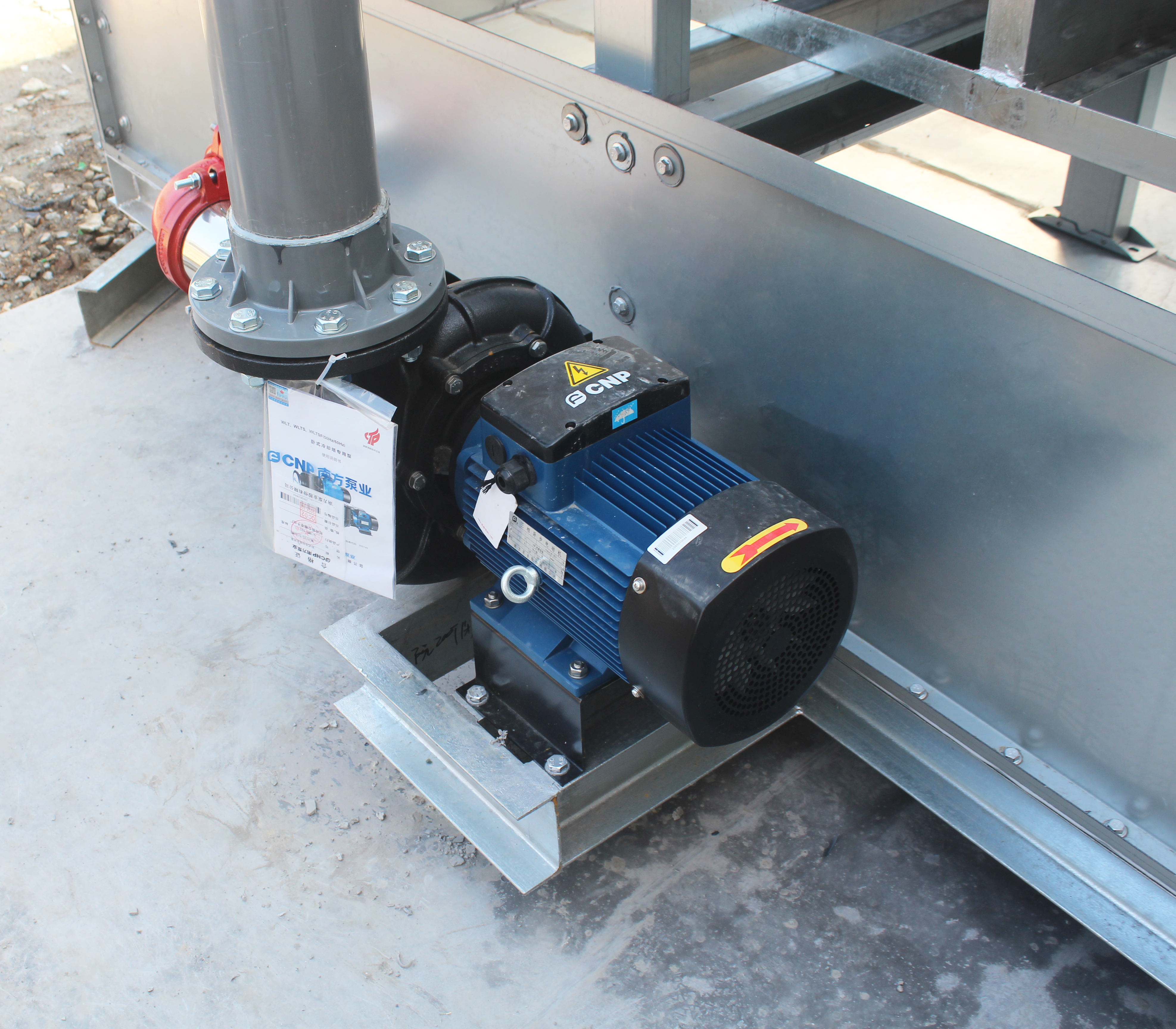
The cooling tower water pump is an important component of industrial cooling systems, responsible for maintaining the flow of circulating water and ensuring stable and efficient heat exchange processes. With long-term operation, the water pump may experience issues such as decreased efficiency, increased vibration, and water leakage, requiring renovation or major repairs. This article will introduce the contents usually involved in the overhaul of cooling tower water pumps from several aspects, including principles, common causes of wear and tear, key points of renovation process, and daily maintenance.
Working principle of cooling tower pump
The majority of cooling towers use centrifugal pumps, and their basic principle is:
1) The high-speed rotation of the impeller generates centrifugal force
2) Throw the imported water towards the outer edge of the pump body
3) Create a pressure difference to promote continuous circulation of water flow
The system relies heavily on the geometric accuracy, lubrication, and sealing performance of components such as impellers, shaft seals, and bearings, and therefore requires timely maintenance after wear and tear.
Common wear and failure types of water pumps
Common issues with cooling tower water pumps include:
1.Aging or leakage of shaft seal
Impurities in water quality, high temperatures, or chemical treatment agents can accelerate shaft seal wear.
2.Bearing wear leads to noise and vibration
Long term operation or insufficient lubrication can cause bearing damage.
3.Impeller corrosion or scaling
The water quality is too hard and contains chemical agents, which will reduce the efficiency of the impeller.
4.Corrosion of pump body or scaling on inner wall
Affects flow and head.
5.Motor issues (such as current exceeding limits, insulation degradation)
Pump refurbishment (major overhaul) usually includes the following contents
1. Equipment initial inspection and shutdown preparation
Check operating indicators such as noise, vibration, flow rate, and current
Check for leaks, abnormal temperature rise, and other phenomena
2. Disassembly inspection and component status assessment
The wear condition of the following components is usually evaluated:
Impeller (whether corroded or deformed)
Shaft seal (mechanical seal or packing seal)
Bearings (clearance, wear, lubrication condition)
Pump shaft (whether bent or surface worn)
gasket
Scale formation on the inner wall of the pump casing
3. Component repair or replacement
Depending on the status, it may be possible to:
Cleaning, rust removal, and necessary replacement of impellers
Mechanical seal component update
Bearing replacement
Straighten or replace the pump shaft
Update of gaskets and vulnerable parts
4. Reassembly and Calibration
Calibrate the coaxiality, pump shaft and motor coupling
Ensure that the bearing clearance and sealing preload meet the equipment requirements
5. Trial operation and performance testing
1) Check if the vibration and noise are normal
2) Test whether the flow rate and head have been restored
3) Confirm no water leakage or abnormal temperature rise
Maintenance suggestions for extending the service life of cooling tower water pumps
1.Regular maintenance of lubrication system
Add or replace lubricating grease according to the manufacturer's requirements.
2.Maintain stable quality of circulating water
Reduce corrosion and scaling of impellers and pump bodies.
3.Regularly check the status of the shaft seal
Especially for mechanical seals, if dripping occurs, it needs to be dealt with early.
4.Monitoring vibration and temperature
Abnormal vibration may indicate potential issues with bearings, couplings, or pump shafts.
5.Avoid long-term low load operation
The efficiency of centrifugal pumps may decrease and may cause hydraulic vibration.