You are here: Home » Blog » How To Determine The Heat Transfer Efficiency of A Cooling Tower Sprinkler Head
How To Determine The Heat Transfer Efficiency of A Cooling Tower Sprinkler Head
Views: 0 Author: Site Editor Publish Time: 2026-01-29 Origin: Site
How to determine the heat transfer efficiency of the cooling tower sprinkler head?
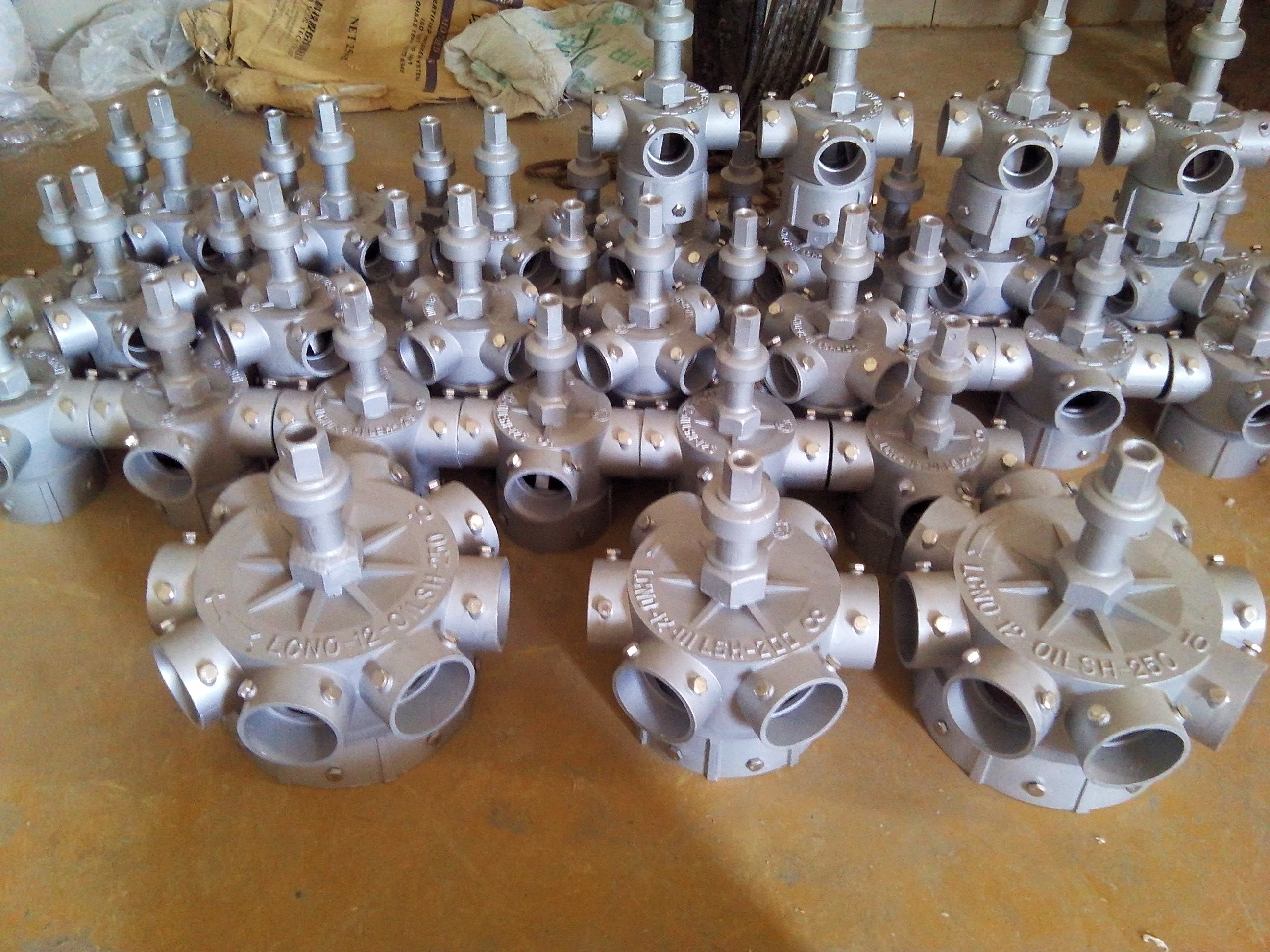
The Sprinkler Head is the core component in the cooling tower system that enables heat exchange. Its main function is to evenly distribute hot water onto the surface of the packing, forming a large area of water film that comes into full contact with the air, thus completing the heat transfer process.
Accurately evaluating the heat transfer efficiency of cooling tower sprinkler head is of great significance for improving the overall operational performance of cooling towers and reducing energy consumption.
This article will systematically explain how to determine the heat transfer efficiency of a cooling tower sprinkler head from four aspects: definition, measurement methods, influencing factors, and optimization directions.
What is the heat exchange efficiency of a cooling tower sprinkler head?
The heat exchange efficiency of a cooling water distributor usually refers to the ability of the water distribution system to facilitate heat exchange between water and air per unit time, which can be reflected by the following indicators:
1)Cooling amplitude (Δ T)
2)Approach to temperature difference
3)Thermal efficiency
4)Uniformity coefficient of water distribution
5)Evaporation heat transfer ratio
Its core objectives are:
Achieve maximum heat release under minimum energy consumption conditions.
Key factors affecting the heat transfer efficiency of cooling tower sprinkler head
1. Structural design of sprinkler head
1)Number and angle of spray holes
2)Droplet size
3)Atomization effect
4)Coverage
Reasonable structure can increase the contact area between water and gas, and improve heat transfer efficiency.
2. Uniformity of water flow distribution
Uneven distribution of water can cause:
1)Local short-circuit current
2)Decreased utilization rate of fillers
3)Decreased heat exchange efficiency
This is one of the most important performance indicators for water distributors.
3. Matching air flow rate with fan
Insufficient or excessive air volume will have an impact on:
1)Evaporation rate
2)Water droplet retention time
3)Heat exchange stability
4. Environmental working conditions factors
1)Wet-bulb temperature
2)Ambient humidity
3)Pressure variation
4)Seasonal differences
These external factors have a significant impact on the efficiency test results.
Optimization method for improving the heat exchange efficiency of cooling tower sprinkler head
1. Choose the type of high-efficiency water distributor
1)Rotating water distributor
2)High atomization nozzle
3)Low pressure uniform spraying system
It can significantly improve the quality of water distribution.
2. Regular cleaning and maintenance
Scaling and blockage of the water distributor can lead to:
1)Shrinking of spray hole
2)Uneven distribution of water
3)Efficiency decline
It is recommended to regularly clean and check the working status of the nozzle.
3. Optimize operating parameters
1)Control the inflow rate
2)Match the fan speed
3)Adjust the nozzle height and spacing
It can improve heat transfer efficiency without increasing energy consumption.
4. Introduce intelligent monitoring system
Real time monitoring through sensors:
1)Inlet and outlet temperature
2)Wet-bulb temperature
3)Water distribution
4)Energy consumption changes
Realize dynamic evaluation of water distributor efficiency.
The engineering significance of evaluating the heat exchange efficiency of cooling tower sprinkler head
Scientifically determining the heat exchange efficiency of a water distributor can help:
1)Determine the operating status of the cooling tower