Cooling Tower Water Pump: Guarantee of System Stability
A cooling tower water pump is one of the most critical components in any cooling tower system. It continuously circulates cooling water between the cooling tower, condenser, heat exchanger, or industrial equipment, ensuring efficient heat removal and stable system operation.
Without a properly selected and maintained water pump, even the highest-quality cooling tower cannot deliver optimal cooling performance. Insufficient flow, unstable pressure, or pump failure can lead to reduced cooling efficiency, increased energy consumption, equipment overheating, and costly downtime.
At CoolingTowerPart.com, we understand the importance of reliable cooling tower components. This guide explains how cooling tower water pumps work, their advantages, common types, selection criteria, maintenance practices, and applications to help you maximize the efficiency and reliability of your cooling system.
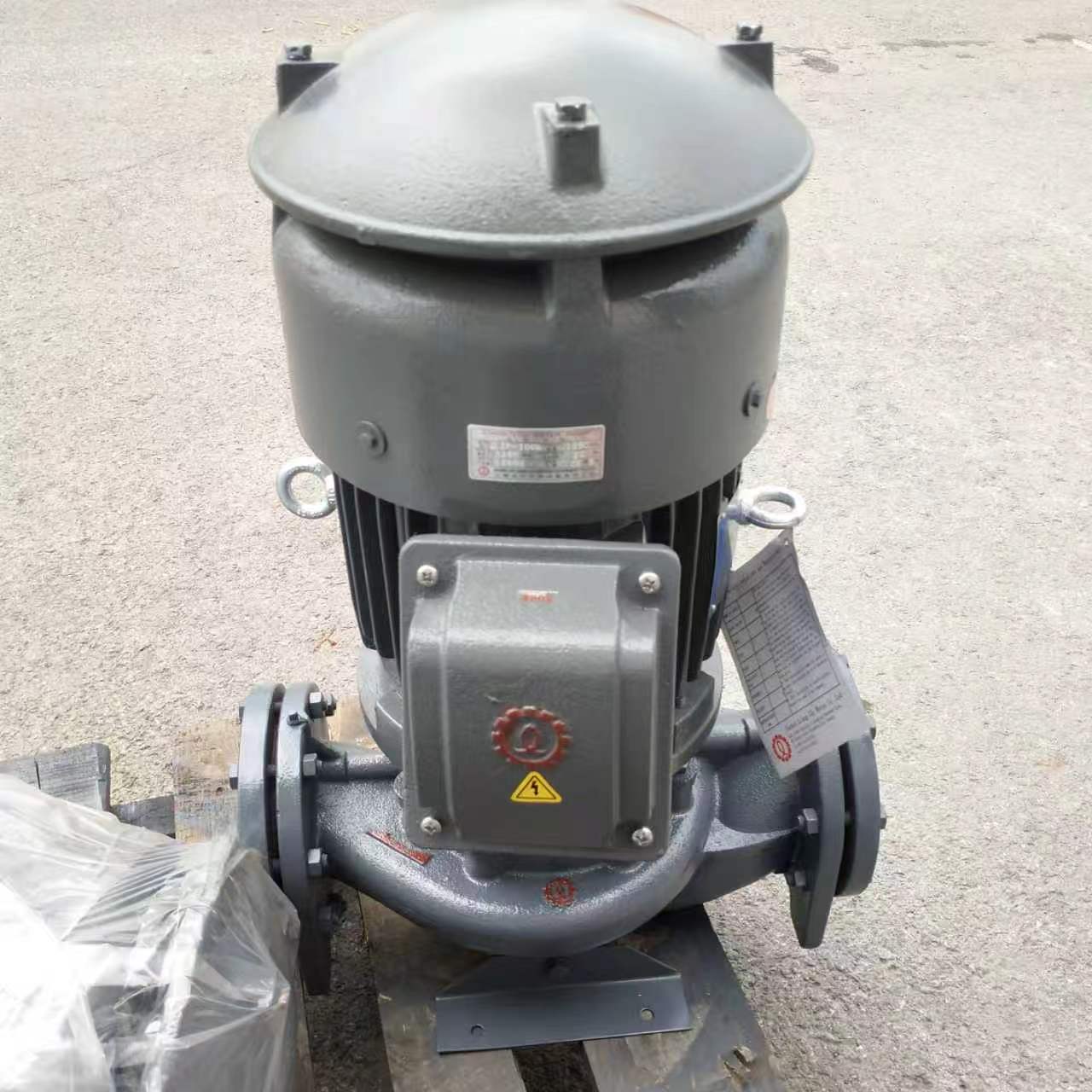
What Is a Cooling Tower Water Pump?
A cooling tower water pump is a centrifugal pump designed to circulate water throughout a cooling system. It transports warm water from the condenser or industrial process to the cooling tower, where heat is released into the atmosphere. The cooled water is then pumped back to the equipment for another cooling cycle.
This continuous circulation maintains the required operating temperature and allows industrial processes and HVAC systems to run efficiently.
How Does a Cooling Tower Water Pump Work?
The operating principle is straightforward but essential.
Warm water enters the cooling tower from the condenser or heat exchanger.
The cooling tower removes heat through evaporation and airflow.
Cooled water collects in the cold-water basin.
The cooling tower water pump draws water from the basin.
The pump delivers the cooled water back to the system through the piping network.
The process repeats continuously.
To maintain stable performance, the pump must provide adequate flow rate and pressure while operating efficiently over long periods.
Why Is a Cooling Tower Water Pump Important?
The water pump is responsible for maintaining proper circulation throughout the cooling system. Without sufficient water flow, heat transfer efficiency decreases, resulting in higher equipment temperatures and increased operating costs.
Benefits of a High-Quality Cooling Tower Water Pump
Stable water circulation
Improved cooling efficiency
Reduced energy consumption
Lower maintenance costs
Reliable long-term operation
Extended equipment life
Consistent system performance
Main Features of Cooling Tower Water Pumps
High Hydraulic Efficiency
Modern pump designs minimize hydraulic losses and maximize water flow, reducing energy consumption while maintaining excellent cooling performance.
Advantages
Durable Construction
Cooling tower pumps often operate in demanding environments with continuous exposure to moisture and chemicals.
Common materials include:
Cast iron
Stainless steel
Bronze
Duplex stainless steel
Engineering plastics
Material selection depends on water quality, operating temperature, and corrosion requirements.
Stable Continuous Operation
Industrial cooling tower pumps are designed for continuous-duty operation, providing reliable performance around the clock.
Features include:
Easy Maintenance
Properly designed pumps simplify routine servicing.
Maintenance tasks typically include:
Regular maintenance helps prevent unexpected failures and extends equipment life.
Types of Cooling Tower Water Pumps
End Suction Pumps
End suction centrifugal pumps are widely used in commercial HVAC systems due to their compact design, simple installation, and cost-effectiveness.
Typical applications include office buildings, hotels, hospitals, and shopping centers.
Split Case Pumps
Split case pumps are designed for large flow rates and high reliability.
Advantages include:
They are commonly used in power plants and industrial cooling systems.
Vertical Inline Pumps
Vertical inline pumps save installation space and simplify piping layouts.
They are ideal for mechanical rooms where floor space is limited.
Vertical Turbine Pumps
These pumps are commonly used when the water source is located below ground level or in deep basins.
Applications include:
How to Select the Right Cooling Tower Water Pump
Choosing the correct pump is essential for reliable system performance.
Flow Rate
The pump must deliver sufficient water to meet the cooling tower's design capacity.
Head Pressure
Calculate the total dynamic head, including:
Pump Efficiency
High-efficiency pumps reduce operating costs over the equipment's lifetime.
Material Selection
Choose materials suitable for:
Water quality
Chemical concentration
Corrosion resistance
Operating temperature
Motor Compatibility
Ensure the motor matches the required power, voltage, frequency, and environmental conditions.
Applications
Cooling tower water pumps are widely used across many industries.
HVAC Systems
Commercial buildings, hotels, hospitals, airports, and shopping malls.
Power Generation
Thermal and combined-cycle power plants.
Chemical Processing
Cooling reactors, condensers, and process equipment.
Manufacturing
Steel, automotive, plastics, electronics, and textile industries.
Food & Beverage
Breweries, dairy plants, beverage factories, and food processing facilities.
Data Centers
Maintaining stable temperatures for servers and critical IT equipment.
Common Pump Problems and Solutions
Low Water Flow
Possible Causes
Solution
Inspect and clean the pump, remove air from the system, and replace worn components if necessary.
Excessive Noise
Possible Causes
Bearing wear
Cavitation
Misalignment
Loose mounting bolts
Solution
Check alignment, inspect bearings, tighten fasteners, and ensure adequate inlet pressure.
Water Leakage
Possible Causes
Damaged mechanical seal
Loose connections
Worn gaskets
Solution
Replace seals and gaskets and inspect all pipe connections.
High Energy Consumption
Possible Causes
Incorrect pump sizing
Worn impeller
Low operating efficiency
Solution
Evaluate system requirements and replace inefficient or damaged components.
Maintenance Tips
Preventive maintenance improves reliability and reduces downtime.
Recommended practices include:
Inspect bearings regularly.
Check mechanical seals for leakage.
Monitor vibration and noise levels.
Clean the impeller and pump casing.
Lubricate bearings according to manufacturer recommendations.
Inspect motor alignment.
Verify operating pressure and flow rate.
Replace worn parts before failure occurs.
Why Choose CoolingTowerPart.com?
CoolingTowerPart.com supplies a comprehensive range of cooling tower components for industrial and commercial applications.
Our advantages include:
Extensive experience in cooling tower parts
High-quality products
Competitive pricing
Reliable technical support
Fast worldwide delivery
Strict quality control
Complete replacement solutions
In addition to cooling tower water pumps, we also offer:
Frequently Asked Questions
What is the purpose of a cooling tower water pump?
A cooling tower water pump circulates water between the cooling tower and connected equipment, enabling continuous heat removal and efficient cooling.
What type of pump is commonly used in cooling towers?
Centrifugal pumps, including end suction, split case, and vertical inline models, are commonly used due to their efficiency and reliability.
How do I know if my cooling tower pump needs replacement?
Common signs include reduced water flow, excessive vibration, unusual noise, leaking seals, and higher energy consumption.
How often should a cooling tower pump be maintained?
Routine inspections should be performed regularly, while lubrication, seal checks, and performance testing should follow the maintenance schedule recommended for your operating conditions.
Can pump efficiency affect cooling tower performance?
Yes. An efficient pump delivers the correct flow rate and pressure, helping the cooling tower achieve its designed heat rejection capacity while minimizing energy consumption.
Conclusion
A cooling tower water pump is the driving force behind effective water circulation and stable cooling system operation. Selecting the right pump, maintaining it properly, and monitoring its performance are essential steps toward maximizing cooling efficiency, reducing operating costs, and extending equipment life.
Whether your application involves HVAC systems, industrial processing, power generation, or commercial facilities, investing in a high-quality cooling tower water pump will help ensure reliable and energy-efficient performance for years to come.


