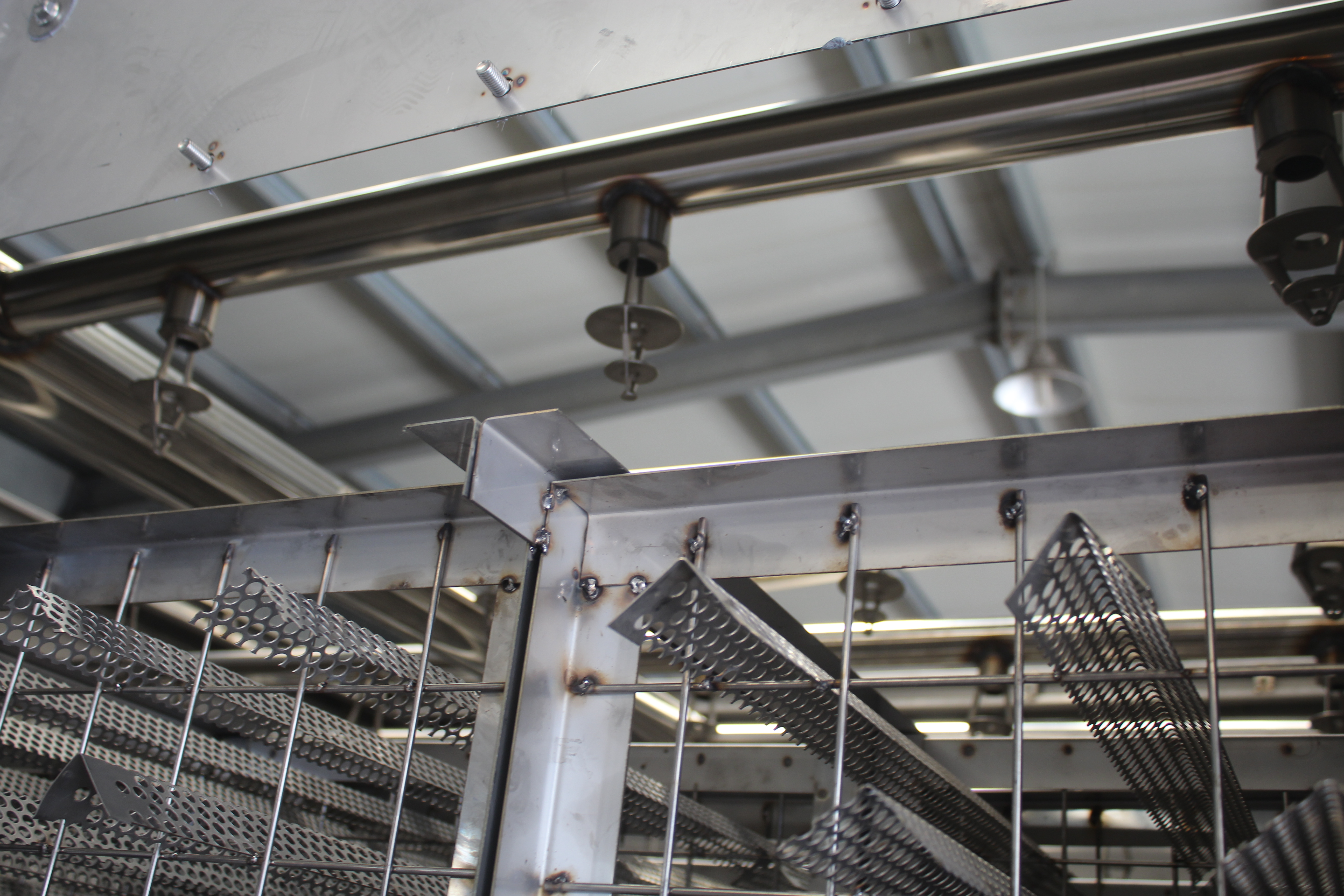
Cooling Tower Spray Nozzle Types: A Complete Guide
Cooling tower spray nozzles are essential components of the water distribution system in evaporative cooling towers. Their primary function is to distribute hot circulating water evenly over the cooling tower fill, creating maximum contact between water and air for efficient heat rejection.
The type of spray nozzle used has a direct impact on cooling efficiency, water distribution uniformity, maintenance requirements, and operating costs. Selecting the correct nozzle helps prevent dry spots on the fill, minimizes clogging, and improves overall cooling tower performance.
This guide explains the most common cooling tower spray nozzle types, their working principles, applications, materials, advantages, and how to choose the best nozzle for your cooling tower.
Why Spray Nozzles Are Important in Cooling Towers
The efficiency of a cooling tower depends largely on how evenly water is distributed over the fill media. Spray nozzles are responsible for:
Uniform water distribution
Maximizing heat transfer
Preventing dry areas on the fill
Reducing water waste
Improving cooling efficiency
Supporting stable airflow
Minimizing maintenance costs
Even small changes in nozzle performance can affect the thermal performance of the entire cooling tower.
How Cooling Tower Spray Nozzles Work
Hot water from the process or condenser enters the cooling tower distribution system and flows through headers or branch pipes.
As water passes through each spray nozzle:
The nozzle regulates water flow.
Water is dispersed into a specific spray pattern.
The fill media receives uniform water coverage.
Air flows through the wetted fill.
Heat is removed through evaporation.
A properly designed nozzle ensures that every section of the fill receives sufficient water without excessive overlap or dry zones.
Main Types of Cooling Tower Spray Nozzles
1. Spiral Spray Nozzles
Spiral spray nozzles are among the most widely used designs in industrial cooling towers. Their open structure allows water to flow through multiple spiral channels, creating a uniform full-cone spray.
Features
Open-flow design
Self-cleaning characteristics
Excellent clog resistance
Uniform water distribution
Low pressure loss
Advantages
Applications
2. Target Spray Nozzles
Target nozzles direct water onto a specially designed deflector plate, producing a wide and even spray pattern.
Benefits
Uniform water coverage
Stable performance
Low operating pressure
Reliable heat transfer
Target nozzles are commonly used in counterflow cooling towers.
3. Full Cone Spray Nozzles
Full cone nozzles produce a solid cone-shaped spray with evenly distributed droplets.
Characteristics
These nozzles are often selected for applications requiring complete fill coverage.
4. Hollow Cone Spray Nozzles
Hollow cone nozzles generate a ring-shaped spray pattern with a relatively fine droplet size.
Advantages
Although less common in standard cooling towers, they are used in specialized cooling processes.
5. Pressure Spray Nozzles
Pressure nozzles rely on water pressure to create atomized spray patterns.
Features
Pressure nozzles are commonly found in industrial cooling systems with pumped water distribution.
6. Gravity Nozzles
Gravity nozzles distribute water using gravitational flow instead of pump pressure.
Advantages
They are widely used in crossflow cooling towers.
7. Variable Flow Nozzles
Variable-flow nozzles maintain consistent water distribution across a range of operating conditions.
Benefits
Flexible operation
Suitable for variable water flow
Stable cooling performance
Improved energy efficiency
These nozzles are often paired with systems using variable-speed pumps or changing process loads.
Comparison of Cooling Tower Spray Nozzle Types
| Nozzle Type | Water Distribution | Clog Resistance | Operating Pressure | Typical Applications |
| Spiral | Excellent | Excellent | Low–Medium | Industrial cooling towers |
| Target | Excellent | Good | Low | Counterflow cooling towers |
| Full Cone | Excellent | Good | Medium | General industrial cooling |
| Hollow Cone | Good | Moderate | Medium–High | Specialized applications |
| Pressure | Excellent | Good | High | Pressurized water systems |
| Gravity | Good | Excellent | None/Low | Crossflow cooling towers |
| Variable Flow | Excellent | Good | Variable | Systems with changing loads |
Common Materials for Cooling Tower Spray Nozzles
Selecting the appropriate material is essential for long-term durability and reliable operation.
ABS Plastic
ABS offers:
High impact strength
Lightweight construction
Corrosion resistance
Affordable cost
Suitable for many HVAC and industrial cooling applications.
Polypropylene (PP)
PP provides:
Often used in chemical processing plants and industrial cooling towers.
PVC
PVC is a popular choice because of its:
Corrosion resistance
Ease of installation
Cost-effectiveness
Ideal for standard cooling tower applications.
Nylon
Nylon nozzles provide:
Superior wear resistance
High mechanical strength
Excellent toughness
Suitable for demanding industrial environments.
Stainless Steel
For extreme operating conditions, stainless steel nozzles offer:
Applications of Cooling Tower Spray Nozzles
Cooling tower spray nozzles are widely used in:
Commercial HVAC systems
Industrial process cooling
Power plants
Petrochemical facilities
Chemical plants
Steel mills
Pharmaceutical manufacturing
Food and beverage processing
Mining operations
Paper mills
Data centers
Water treatment plants
Benefits of High-Quality Spray Nozzles
Premium spray nozzles provide numerous operational advantages.
Improve Cooling Efficiency
Uniform water coverage enhances heat transfer across the fill media.
Reduce Maintenance
Clog-resistant designs decrease cleaning frequency and maintenance downtime.
Save Water
Efficient distribution reduces overspray and unnecessary water loss.
Lower Energy Costs
Optimized water distribution supports efficient cooling, reducing the load on pumps and chillers.
Extend Fill Life
Even wetting helps minimize scaling and localized wear on the cooling tower fill.
Common Spray Nozzle Problems
Even durable nozzles can experience wear over time.
Clogging
Mineral deposits, debris, and biological growth can restrict flow.
Uneven Spray Pattern
Damage or wear may alter the intended spray pattern, reducing cooling efficiency.
Scaling
Hard water can leave mineral deposits that interfere with nozzle performance.
Mechanical Damage
Improper handling, vibration, or impact can crack or deform nozzles.
Chemical Degradation
Aggressive water chemistry may shorten the life of incompatible materials.
Routine inspection and proper water treatment help reduce these issues.
Maintenance Tips
To ensure long-term performance:
Inspect nozzles during routine maintenance.
Remove scale and debris promptly.
Replace damaged or worn nozzles.
Verify spray patterns after cleaning.
Monitor water quality to reduce fouling.
Keep the water distribution system free from sediment.
Preventive maintenance helps maintain consistent cooling tower performance.
How to Choose the Right Cooling Tower Spray Nozzle
When selecting a spray nozzle, consider the following factors:
Cooling Tower Design
Ensure compatibility with:
Water Flow Rate
Choose a nozzle that provides the required flow without compromising spray uniformity.
Operating Pressure
Different nozzle designs require different pressure ranges to perform effectively.
Material Compatibility
Select materials that can withstand the system's water chemistry, temperature, and environmental conditions.
Spray Pattern
Choose a pattern that provides complete fill coverage while avoiding excessive overlap.
Maintenance Requirements
Open-structure designs such as spiral nozzles generally offer better resistance to clogging and easier maintenance.
Why Choose a Professional Cooling Tower Nozzle Supplier?
An experienced supplier can provide products that meet demanding industrial requirements.
Look for suppliers offering:
High-quality engineering plastics
Precision manufacturing
Standard and custom nozzle designs
Strict quality control
Technical support
Fast delivery
Global export experience
Reliable after-sales service
Working with a trusted supplier helps ensure long-term cooling tower performance and lower lifecycle costs.
Frequently Asked Questions
Which cooling tower spray nozzle is best?
The best nozzle depends on the cooling tower design, water quality, operating pressure, and application. Spiral nozzles are often preferred for their clog-resistant design, while target and gravity nozzles are widely used in specific tower configurations.
What causes spray nozzles to clog?
Common causes include mineral scale, sediment, rust particles, biological growth, and poor water treatment.
How often should cooling tower nozzles be replaced?
Replacement intervals depend on water quality, operating conditions, and material durability. Regular inspections help identify wear or damage before performance declines.
Can replacing spray nozzles improve cooling efficiency?
Yes. New or properly maintained nozzles restore uniform water distribution, improving heat transfer and helping the cooling tower operate closer to its design capacity.
What material is best for cooling tower spray nozzles?
ABS, PP, PVC, nylon, and stainless steel are all commonly used. The ideal material depends on temperature, chemical exposure, and the operating environment.
Conclusion
Cooling tower spray nozzles are critical to the performance of any evaporative cooling system. By delivering uniform water distribution across the fill media, they maximize heat transfer, reduce water waste, and support efficient, reliable operation.
Whether your system uses spiral spray nozzles, target nozzles, gravity nozzles, pressure spray nozzles, or full cone nozzles, selecting the right design and material is essential for achieving optimal cooling efficiency and minimizing maintenance.
Partnering with a professional cooling tower parts supplier ensures access to high-quality spray nozzles, expert technical guidance, and customized solutions tailored to your industrial cooling tower requirements.