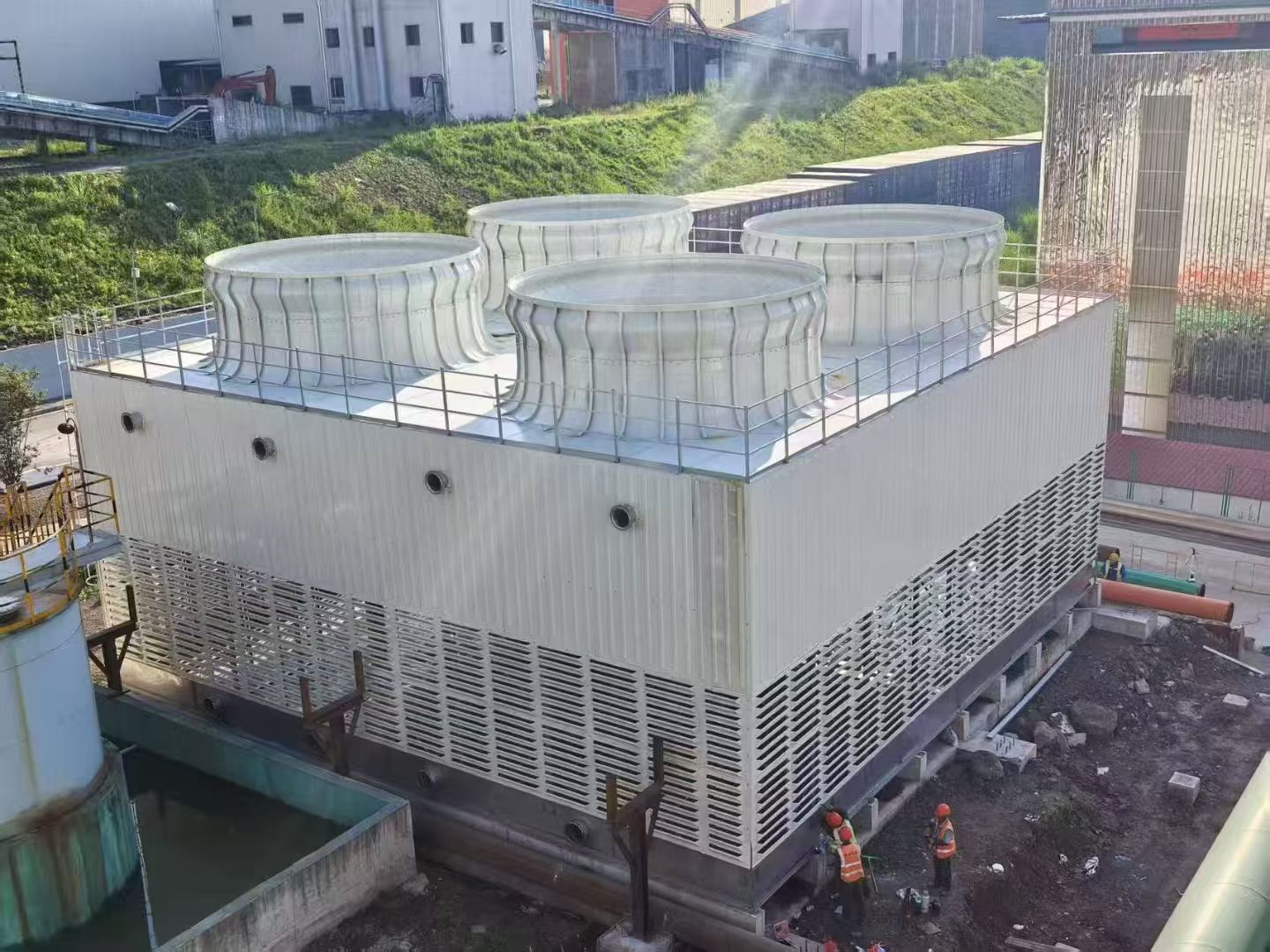
Introduction to Cooling Towers
Cooling towers are essential components in the industrial sector, especially for factories in China. These towers help regulate temperature, ensuring that equipment and machinery operate efficiently without overheating. Understanding how cooling towers work and the parts that make up the system is crucial for factory owners and maintenance teams. Let’s dive into what makes up a cooling tower, the different types, and how to maintain it for peak performance.
What is a Cooling Tower?
A cooling tower is a heat removal device that transfers heat from a building or industrial process to the atmosphere. It works by cooling water that has been heated by the factory’s machinery. The cooled water is then recirculated, ensuring that the machinery does not overheat and disrupt production.
Why Are Cooling Towers Important for Factories in China?
In China, many industries, from electronics to steel production, require cooling towers for their energy-intensive processes. The hot, humid climate in some areas can exacerbate the need for reliable cooling systems. Cooling towers ensure that the machinery continues to run efficiently, preventing costly downtime and reducing energy consumption.
Types of Cooling Towers
Cooling towers come in different shapes and sizes, depending on the needs of the factory. Understanding the types of cooling towers can help businesses choose the right one based on their specific requirements.
Natural Draft Cooling Towers
Natural draft cooling towers use the buoyancy of hot air to create airflow. They do not require fans and rely on natural wind currents to move air through the tower. These towers are often large and are used for large-scale industries like power plants.
Mechanical Draft Cooling Towers
Mechanical draft cooling towers use mechanical fans to circulate air through the system. They are smaller than natural draft towers and are typically used in factories with lower thermal loads.
Forced Draft Cooling Towers
In forced draft cooling towers, fans push air into the cooling tower, forcing it through the system. These towers are smaller and more energy-efficient, making them suitable for smaller factories and industries.
Induced Draft Cooling Towers
Induced draft cooling towers pull air through the system using fans at the top of the tower. This type of cooling tower is more efficient than forced draft towers and is commonly used in larger factories.
Hybrid Cooling Towers
Hybrid cooling towers combine the best of both worlds—natural and mechanical draft cooling towers. They can operate efficiently with or without mechanical fans, making them adaptable to varying conditions.
Key Parts of a Cooling Tower
Cooling towers are complex systems made up of several components. Here are the key parts that work together to keep everything running smoothly.
Cooling Tower Shell
The shell is the outer structure of the cooling tower that houses all the internal components. It is typically made from durable materials like fiberglass or concrete to withstand the elements and provide protection from environmental factors.
Fans and Fan Blades
The fans are the heart of the cooling tower’s airflow system. They circulate the air through the tower, ensuring that heat is transferred efficiently. The fan blades are usually made of lightweight yet strong materials to endure high temperatures and continuous operation.
Heat Exchanger
The heat exchanger is responsible for transferring the heat from the water to the air. This is where the actual cooling takes place, and the design and efficiency of the heat exchanger can significantly impact the tower's performance.
Fill Media
Fill media is a crucial part of cooling towers, as it increases the surface area over which the water spreads. This helps improve the heat exchange process by providing more space for the water to evaporate.
Drift Eliminators
Drift eliminators are used to minimize water loss by preventing water droplets from being carried away by the airflow. This ensures that the cooling tower operates efficiently, reducing water waste and maintaining optimal performance.
Water Distribution System
The water distribution system ensures that the water is evenly distributed over the fill media. This is critical for ensuring consistent cooling performance and preventing hot spots in the system.
Pumping Systems
Pumps circulate the water through the system, ensuring that it moves through the cooling tower, absorbs heat, and then returns to the factory’s machinery for further use.
How Cooling Towers Benefit Factories in China
Cooling towers play a crucial role in improving efficiency, reducing costs, and helping factories comply with environmental regulations. Here are some key benefits.
Energy Efficiency and Cost Savings
A well-maintained cooling tower can significantly reduce energy costs. By maintaining optimal temperatures for equipment, factories can avoid overheating and breakdowns, reducing the need for costly repairs and downtime.
Environmental Impact Reduction
Cooling towers help reduce the environmental impact of factory operations by minimizing water consumption and energy usage. They play a key role in achieving sustainable manufacturing practices, which is becoming increasingly important in China’s industrial sector.
Choosing the Right Cooling Tower Parts for Your Factory
When selecting cooling tower parts for your factory, several factors should be considered to ensure that the system performs efficiently and lasts longer.
Factors to Consider When Choosing Parts
* Factory Size and Cooling Load: Larger factories may require more powerful cooling systems with larger parts.
* Climate Conditions: The temperature and humidity levels in your area can affect the performance of the cooling tower.
* Maintenance Requirements: Choose parts that are easy to maintain and replace when needed.
* Energy Efficiency: Opt for parts that are designed to reduce energy consumption.
Sourcing High-Quality Cooling Tower Parts from China
China is a global hub for manufacturing cooling tower parts, offering a wide range of options at competitive prices. When sourcing parts, it’s essential to ensure that the suppliers meet industry standards and provide reliable, durable products.
Maintenance of Cooling Towers in Factories
Maintaining a cooling tower is crucial for its long-term performance. Regular maintenance ensures that all parts function properly, which can prevent system failures and improve efficiency.
Regular Inspections and Cleanings
Cooling towers should be inspected regularly for debris, scale build-up, and wear on parts like fans and pumps. Periodic cleaning helps maintain water quality and ensures efficient heat transfer.
Common Cooling Tower Issues and How to Address Them
Some common issues include:
* Blocked Fill Media: Cleaning and replacing fill media can resolve this.
* Fan Failures: Regular lubrication and checking for wear can help prevent fan breakdowns.
* Water Leaks: Inspecting the system for leaks and replacing faulty seals can prevent water wastage.
Conclusion: Optimizing Your Factory’s Cooling System
Cooling towers are a vital part of any factory's infrastructure, and ensuring that they are well-maintained and equipped with high-quality parts is essential for smooth operations. By understanding the types of cooling towers, the key parts, and the maintenance procedures, factory owners in China can optimize their cooling systems, reduce costs, and promote sustainability.