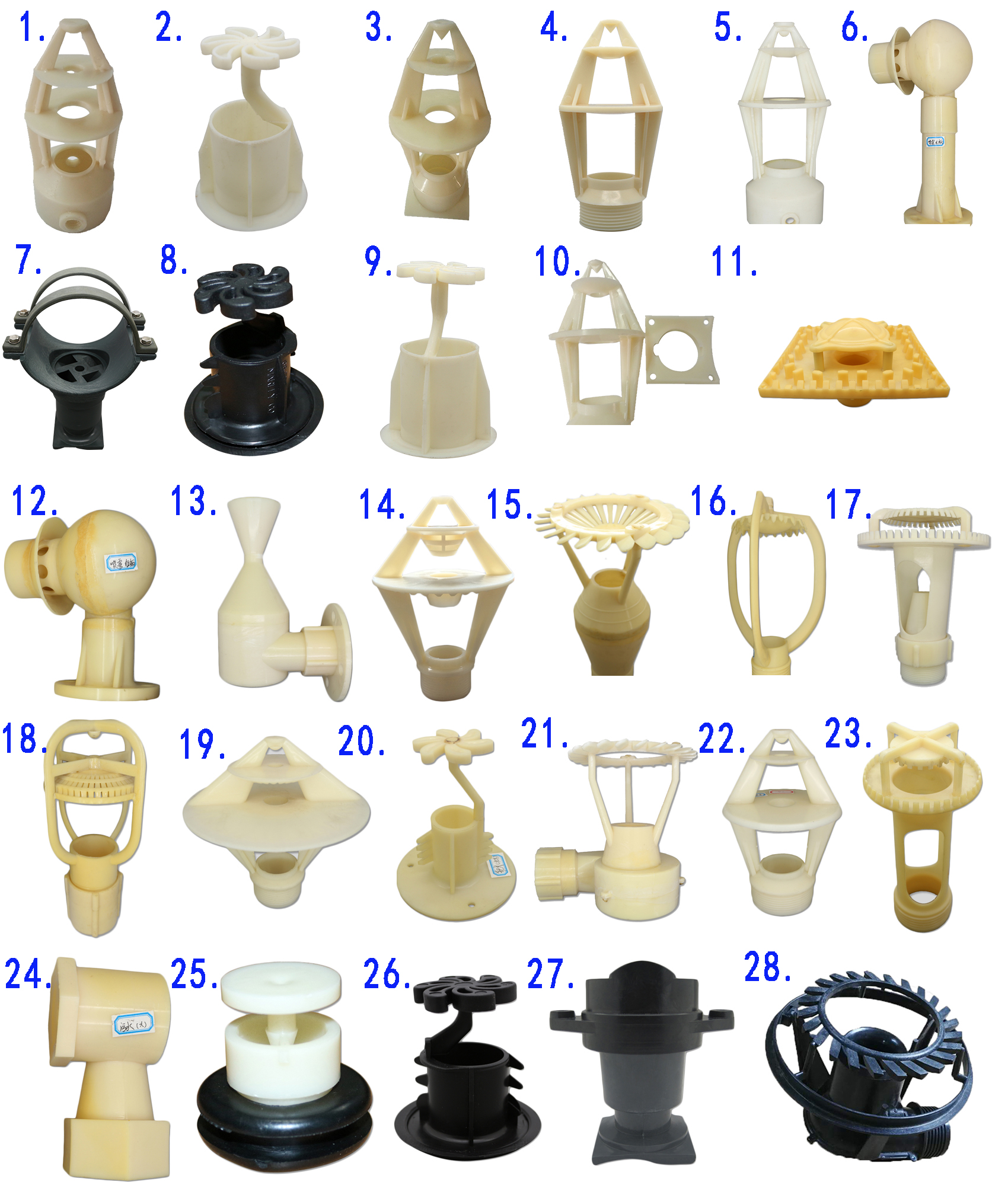
Cooling Tower Nozzle Maintenance and Replacement: Everything You Need to Know
What is a Cooling Tower Nozzle?
A cooling tower nozzle is an essential component of a cooling tower system. It’s responsible for distributing water evenly over the fill media, which allows for efficient heat exchange by increasing surface area exposure to air. These nozzles play a vital role in ensuring that the cooling tower works efficiently and performs optimally.
The Role of Cooling Tower Nozzles in Efficient Operation
Cooling tower nozzles are designed to break up water flow into fine droplets, ensuring better evaporation and heat dissipation. Proper water distribution helps maintain uniform cooling across the tower and prevents hot spots that could lead to system inefficiencies or damage. Simply put, nozzles ensure that your cooling tower does its job—cooling the water by transferring heat to the air.
Why Do Cooling Tower Nozzles Need Maintenance?
Like all parts of a cooling tower, nozzles require regular maintenance to perform their best. Over time, debris can clog the nozzles, water flow can become uneven, or wear and tear can affect their function. Neglecting nozzle maintenance can lead to poor heat dissipation, increased energy costs, and even equipment failure.
Common Issues with Cooling Tower Nozzles
Some typical problems that nozzles encounter include:
* Clogging: Sediment and debris can accumulate in the nozzle, obstructing water flow.
* Corrosion: Nozzles made from metal materials may corrode over time due to exposure to water and air.
* Cracks and Leaks: Physical damage can occur, especially if nozzles are exposed to harsh conditions or improper maintenance.
Signs That Indicate Your Nozzle Needs Maintenance
How do you know when it's time to check your nozzles? Here are some common indicators:
* Reduced Water Flow: If you notice a decrease in the overall water distribution or uneven coverage in certain areas of the tower, the nozzles may need cleaning or repair.
* Excessive Water Consumption: If your cooling tower is using more water than usual, it could be a sign of nozzle malfunction, causing inefficient water distribution.
* Visible Damage: Cracks, corrosion, or leaks in the nozzles are obvious signs they need attention.
How to Maintain Cooling Tower Nozzles
Regular maintenance is key to ensuring that your cooling tower nozzles continue to function optimally. Let’s explore the essential maintenance tasks.
Regular Inspection and Cleaning
Routine inspections help you catch issues before they escalate. Inspect nozzles for signs of wear, cracking, or corrosion. Clean the nozzles periodically to prevent sediment buildup, which can cause clogs. Use appropriate cleaning solutions to ensure the nozzles are free from contaminants.
Lubrication and Component Checks
Although cooling tower nozzles don't have many moving parts, the components around them (such as valves or seals) may require lubrication. Regularly check for leaks or faulty seals, and replace them as needed. Keeping everything in good shape will help extend the life of your nozzles.
Nozzle Alignment and Adjustment
Nozzles must be properly aligned to distribute water evenly. Over time, they may shift or become misaligned due to pressure changes or mechanical impacts. Regularly check their positioning and make necessary adjustments to ensure uniform water flow.
When to Replace Cooling Tower Nozzles
Even with regular maintenance, cooling tower nozzles will eventually need replacement. Here's when you should consider replacing them.
Factors That Determine Nozzle Replacement
Several factors can influence whether you need to replace your nozzles:
1. Age of Nozzles: Nozzles can last anywhere from 5 to 10 years, depending on usage and material. After this period, replacement is typically necessary.
2. Severity of Damage: If nozzles are severely clogged, cracked, or corroded beyond repair, it’s time for a replacement.
3. Frequent Breakdowns: If your nozzles require constant repair, it may be more cost-effective to replace them altogether.
How to Choose the Right Replacement Nozzles
Choosing the right replacement nozzles is critical for ensuring continued performance. When selecting nozzles, keep these points in mind:
1. Material: Nozzles are made from various materials, including PVC, stainless steel, and fiberglass. Choose the one that suits the environmental conditions of your cooling tower.
2. Flow Rate: Make sure the new nozzles match the required flow rate for your system to ensure optimal cooling.
3. Spray Pattern: Different nozzles offer different spray patterns (e.g., full cone, hollow cone). Ensure the pattern fits the specific needs of your cooling tower.
Material Considerations for Nozzle Replacement
When selecting new nozzles, consider the operating environment. If your cooling tower deals with harsh chemicals or extreme temperatures, you may need nozzles made of corrosion-resistant materials like stainless steel or high-quality plastics. This will ensure longevity and reliable performance.
The Process of Replacing Cooling Tower Nozzles
Replacing nozzles is a straightforward process, but it requires careful planning and execution. Here’s how to do it right.
Step-by-Step Guide to Replacing Nozzles
1. Shut Down the System: Always turn off the cooling tower before starting any maintenance or replacement work. This will prevent accidents and ensure safety.
2. Remove the Old Nozzles: Disconnect the damaged nozzles from their positions. Use the appropriate tools to avoid damaging the surrounding components.
3. Clean the Area: Once the old nozzles are removed, clean the surrounding area thoroughly to ensure that debris or contaminants don’t interfere with the installation of the new nozzles.
4. Install the New Nozzles: Align and attach the new nozzles, making sure they’re secured properly and positioned for optimal water distribution.
5. Test the System: After installation, turn the cooling tower back on and check for proper water flow and distribution. Make adjustments as necessary.
Tools and Safety Precautions
You’ll need a few essential tools like wrenches, screwdrivers, safety gloves, and goggles. Always follow safety procedures to avoid injuries. Wear protective equipment, especially when working with chemicals or electrical components.
Post-Replacement Testing and Adjustments
After installing the new nozzles, it’s essential to test their performance. Monitor water distribution and ensure that all nozzles are functioning properly. Adjust the positioning or alignment as necessary to achieve uniform coverage.
Benefits of Proper Cooling Tower Nozzle Maintenance
Maintaining your cooling tower nozzles not only helps extend their lifespan but also contributes to the overall efficiency of your system.
Enhanced System Efficiency
Regular nozzle maintenance and replacement ensure that water is evenly distributed throughout the cooling tower, enhancing overall heat exchange and improving system efficiency.
Reduced Operating Costs and Downtime
Properly functioning nozzles reduce water waste and energy consumption, saving you money in the long run. Additionally, routine maintenance helps prevent major breakdowns that could lead to expensive repairs or prolonged downtime.
Troubleshooting Common Nozzle Problems
Even with proper maintenance, some issues might still arise. Let’s look at how to troubleshoot common nozzle problems.
Nozzle Blockage and Clogging
If the nozzles become clogged, water distribution can become uneven, reducing cooling tower efficiency. Clean the nozzles regularly to prevent clogging from dirt, debris, or mineral buildup. If necessary, replace nozzles that are permanently clogged or damaged.
Nozzle Damage and Wear
Cracks or physical damage to nozzles can lead to water leaks or uneven flow. Regularly inspect the nozzles for visible damage, and replace any parts that are worn or cracked to maintain the system’s integrity.
Conclusion: Keeping Your Cooling Tower Nozzles in Top Shape
Proper maintenance and timely replacement of cooling tower nozzles are essential for ensuring efficient operation, reducing water waste, and preventing costly repairs. Regular inspections, cleaning, and adjustments can extend the lifespan of your nozzles and keep your cooling tower running smoothly. By following the right maintenance procedures and replacing nozzles when necessary, you’ll maintain a high-performing, cost-effective cooling system.
Regular Maintenance for Longevity and Efficiency
Make nozzle maintenance a part of your regular cooling tower care routine. Consistent attention will prevent issues from snowballing into bigger problems, ensuring your system stays efficient for years to come.