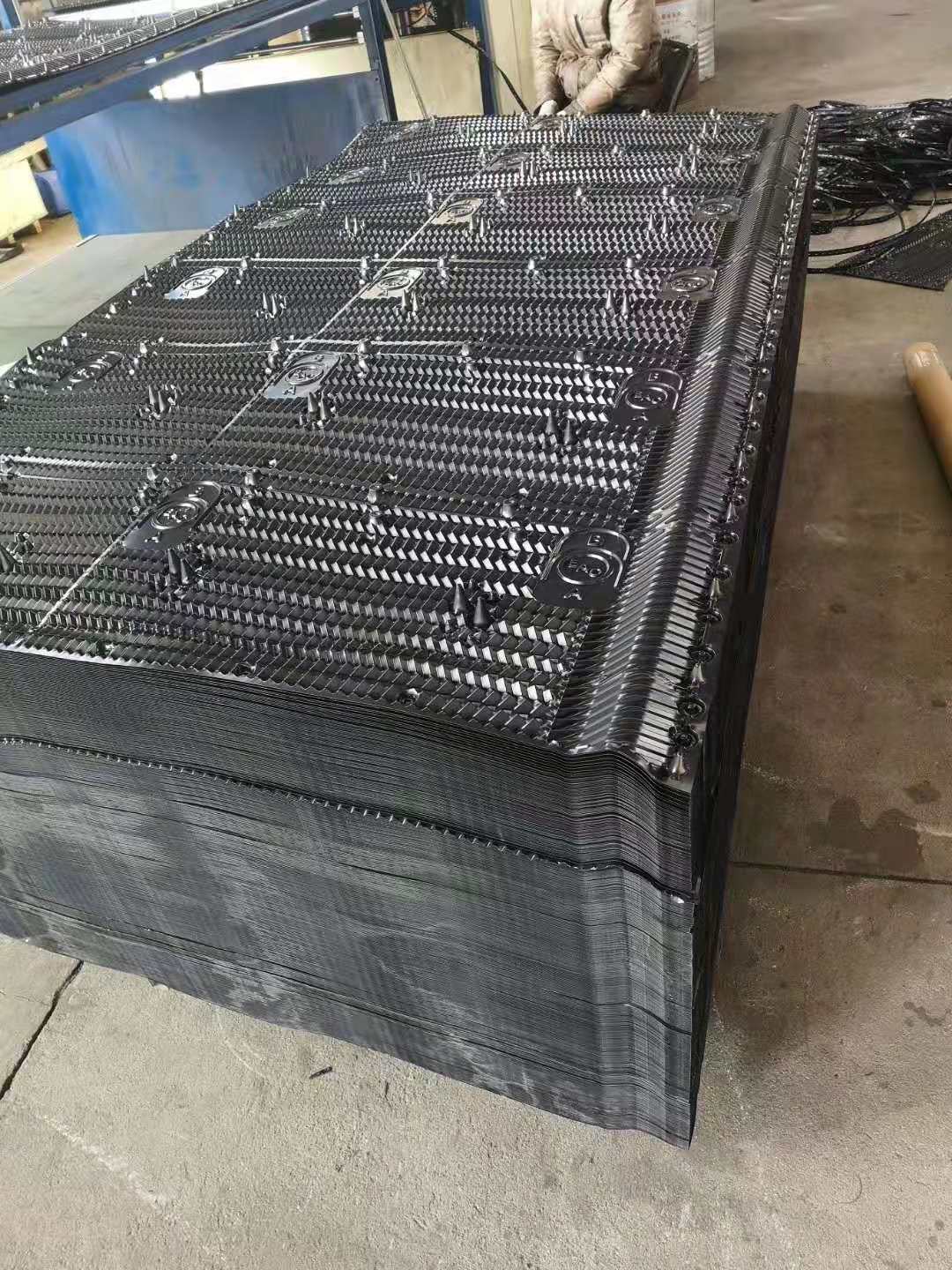
When it comes to industrial cooling systems, cooling tower fans are like the lungs of the entire operation. If they breathe efficiently, the system thrives. If they struggle, everything else suffers. From power plants to chemical factories, top quality cooling tower fans play a massive role in heat rejection, energy efficiency, and long-term reliability.
In this guide, we’ll break down everything you need to know about industrial-grade cooling tower fans—what makes them high quality, how to choose the right one, and why cutting corners here is never a good idea.
Introduction to Industrial Cooling Tower Fans
Industrial cooling tower fans are heavy-duty mechanical components designed to move enormous volumes of air through cooling towers. Their primary job is simple in theory—remove heat—but complex in execution. These fans must operate continuously, often in wet, corrosive, and high-temperature environments, without failing.
Think of them as marathon runners, not sprinters. They don’t just perform once; they perform 24/7, year after year.
Why Cooling Tower Fans Matter in Industrial Operations
The Role of Airflow in Heat Rejection
Heat rejection depends heavily on airflow. Without sufficient air movement, warm water just sits there, refusing to cool down. High-quality cooling tower fans ensure consistent airflow across the fill media, maximizing evaporation and heat transfer.
No airflow? No cooling. It’s that simple.
Impact on Energy Efficiency and Operating Costs
A poorly designed fan can quietly drain your energy budget. On the other hand, a high-efficiency cooling tower fan can **cut power consumption dramatically** while delivering the same—or better—cooling performance. Over time, the savings can be massive.
Types of Cooling Tower Fans Used in Industry
Axial Cooling Tower Fans
Axial fans are the most common type used in industrial cooling towers. They move air parallel to the fan shaft and are ideal for applications requiring high airflow with relatively low static pressure.
These fans are lightweight, efficient, and perfect for large cooling towers where airflow volume is king.
Centrifugal Cooling Tower Fans
Centrifugal fans move air at a right angle to the shaft. They are typically used when higher static pressure is required or when ducting is involved. While less common, they shine in specialized industrial setups.
Comparison Between Axial and Centrifugal Fans
If axial fans are wide-open highways, centrifugal fans are mountain roads—more control, more pressure, but less volume. Choosing between them depends entirely on your cooling tower design and operating conditions.
Key Features of Top Quality Cooling Tower Fans
Aerodynamic Blade Design
High-quality fans use airfoil-shaped blades designed to reduce drag and turbulence. This improves airflow while lowering energy consumption. Think airplane wings, not flat paddles.
Corrosion-Resistant Materials
Cooling towers are harsh environments—constant moisture, chemicals, and temperature swings. Top-tier fans are built using materials that resist corrosion and degradation over time.
High Structural Strength and Balance
A well-balanced fan reduces vibration, protects bearings, and extends motor life. Dynamic balancing isn’t optional—it’s essential for industrial-grade performance.
Materials Used in Industrial Cooling Tower Fans
FRP (Fiber Reinforced Plastic) Fans
FRP fans are lightweight, corrosion-resistant, and incredibly durable. They are widely used in chemical plants and coastal environments where metal corrosion is a constant threat.
Aluminum Cooling Tower Fans
Aluminum fans strike a balance between strength and weight. They’re easy to maintain and perform well in many industrial HVAC applications.
Stainless Steel Fans
Stainless steel fans are built like tanks. While heavier and more expensive, they excel in extreme environments where strength and chemical resistance matter most.
How Fan Efficiency Impacts Industrial Performance
Efficient fans don’t just cool better—they reduce strain on motors, gearboxes, and electrical systems. Over time, this leads to fewer breakdowns, less downtime, and longer equipment life.
Common Industrial Applications of Cooling Tower Fans
| Industrial cooling tower fans are used in:
• Power generation plants
• Petrochemical and chemical processing
• Steel and cement manufacturing
• Large HVAC systems
• Data centers and industrial refrigeration |
In these environments, reliability isn’t a luxury—it’s survival.
What Makes a Cooling Tower Fan “Industrial Grade”?
Continuous Duty Operation
Industrial fans are designed for nonstop operation. Unlike commercial or residential fans, they don’t get breaks. Materials, bearings, and motors are selected accordingly.
High Load and Harsh Environment Capability
Industrial-grade fans handle vibration, moisture, heat, and chemical exposure without losing performance. That’s what separates them from light-duty alternatives.
OEM vs Replacement Cooling Tower Fans
OEM fans offer perfect compatibility, while high-quality replacement fans often provide **equal or better performance at lower cost**. The key is proper engineering and sizing—not just matching dimensions.
How to Choose the Right Cooling Tower Fan
Fan Diameter, Pitch, and RPM
These three factors determine airflow and energy usage. A small change in pitch can significantly alter performance—precision matters here.
Matching Fan with Motor and Gearbox
A great fan paired with the wrong motor is like a sports car with bicycle tires. Everything must work together seamlessly.
Noise, Vibration, and Balance Considerations
Excessive noise and vibration aren’t just annoying—they’re warning signs. Top-quality fans operate smoothly and quietly, protecting nearby structures and equipment.
Maintenance and Service Life Expectations
With proper installation and routine inspections, industrial cooling tower fans can last 10–20 years or more. High-quality materials and balance make all the difference.
Energy-Saving Technologies in Modern Cooling Tower Fans
Advanced blade profiles, variable speed drives (VSDs), and lightweight composites are transforming cooling tower efficiency. Today’s fans do more while consuming less.
Common Mistakes When Buying Cooling Tower Fans
Choosing based on price alone, ignoring performance curves, or skipping balance reports are costly mistakes. A cheap fan that fails early is never a bargain.
Future Trends in Industrial Cooling Tower Fan Technology
Expect smarter designs, predictive maintenance sensors, better composites, and higher efficiency standards. Cooling tower fans are evolving—and fast.
Final Thoughts
Investing in top quality cooling tower fans for industrial use isn’t just about airflow—it’s about reliability, efficiency, and long-term savings. The right fan keeps your cooling system breathing easy, your energy bills under control, and your operations running smoothly. Choose wisely, and your cooling tower will thank you for years to come.