Introduction: The Importance of Nozzles in Cooling Towers
Water distribution nozzles might seem like a small part of a cooling tower, but if you’ve ever seen how a garden hose sprays water compared to a finely tuned sprinkler system, you know the difference distribution makes. In cooling towers, nozzles control how evenly water is sprayed over the fill media — which directly affects cooling efficiency, energy use, and system reliability. In China’s booming industrial and commercial sectors, choosing the right nozzle is both an engineering necessity and a cost-saving strategy. |
What Cooling Tower Nozzles Do
At a basic level, cooling tower nozzles deliver water from the distribution piping into the tower’s fill. But their job is more nuanced than just “spraying water.”
Optimizing Water Distribution
Good nozzles create a consistent spray pattern that covers all fill surfaces. Poor distribution causes dry spots — and dry spots mean less effective heat transfer.
Impact on Thermal Efficiency
Think of your cooling tower as a radiator. Water must spread evenly to maximize surface contact with air. Quality nozzles can improve heat rejection by 15–30% or more, depending on system design and water quality.
Why China Needs Quality Cooling Tower Nozzles
China has become one of the largest markets for HVAC and industrial cooling systems — from factories and power plants to data centers and skyscrapers.
Rapid Industrial Growth
China’s heavy manufacturing, petrochemical plants, and large-scale infrastructure all use cooling towers at massive scale. This means millions of gallons of water pass through cooling systems daily — and distribution quality matters.
Climate Diversity & Performance Demands
From the humid subtropical climates of the south (e.g., Guangzhou, Shenzhen) to the drier, seasonal north (e.g., Beijing, Tianjin), cooling towers in China operate under varied environmental stress. That diversity demands adaptable nozzle designs that maintain efficiency amid inconsistent water quality and changing temperatures.
Energy Efficiency Regulations in China
China has been tightening energy efficiency standards in major cities and industrial zones, pushing owners to adopt higher-efficiency equipment. Even seemingly simple components like nozzles can affect a system’s total energy consumption — because poor water distribution makes fans and pumps work harder.
Key Features of High-Performance Cooling Tower Nozzles
Selecting nozzles isn’t arbitrary — you want features that translate to real performance benefits.
Spray Pattern Coverage
The ideal nozzle delivers water uniformly with minimal overlap or gaps. A well-engineered spray pattern maximizes evaporation and heat transfer.
Clogging Resistance & Self-Cleaning Design
Water in cooling towers often contains minerals, debris, or scale. Nozzles designed to resist clogging — or that include self-cleaning features — significantly reduce maintenance needs.
Material Durability in Harsh Conditions
China’s industrial water can be tough on equipment. Corrosion-resistant materials like **PVC, ABS, stainless steel, and engineered thermoplastics** ensure longer life.
Easy Maintenance & Replacement
Nozzles that are easy to remove, clean, and replace reduce downtime and lower operating costs — which matters in facilities running 24/7.
Common Types of Cooling Tower Nozzles
Fixed Spray Nozzles
These nozzles deliver a consistent spray pattern at a set flow rate. They’re simple, durable, and great for systems with stable operating conditions.
Rotary Nozzles
Rotary designs spin water as they spray, creating a wide, uniform distribution. Ideal for large fill areas or towers with high flow requirements.
Variable Flow Nozzles
These adapt to changing flow rates, helping maintain even distribution when conditions fluctuate — especially valuable in systems with variable loads.
Low-Pressure vs High-Pressure Nozzles
Low-pressure nozzles are energy-efficient and common in urban HVAC systems, while high-pressure nozzles excel in industrial cooling towers where greater penetration and coverage are needed.
Top Cooling Tower Nozzle Brands for China Facilities
China’s market includes both strong domestic manufacturers and international players with advanced technology and support.
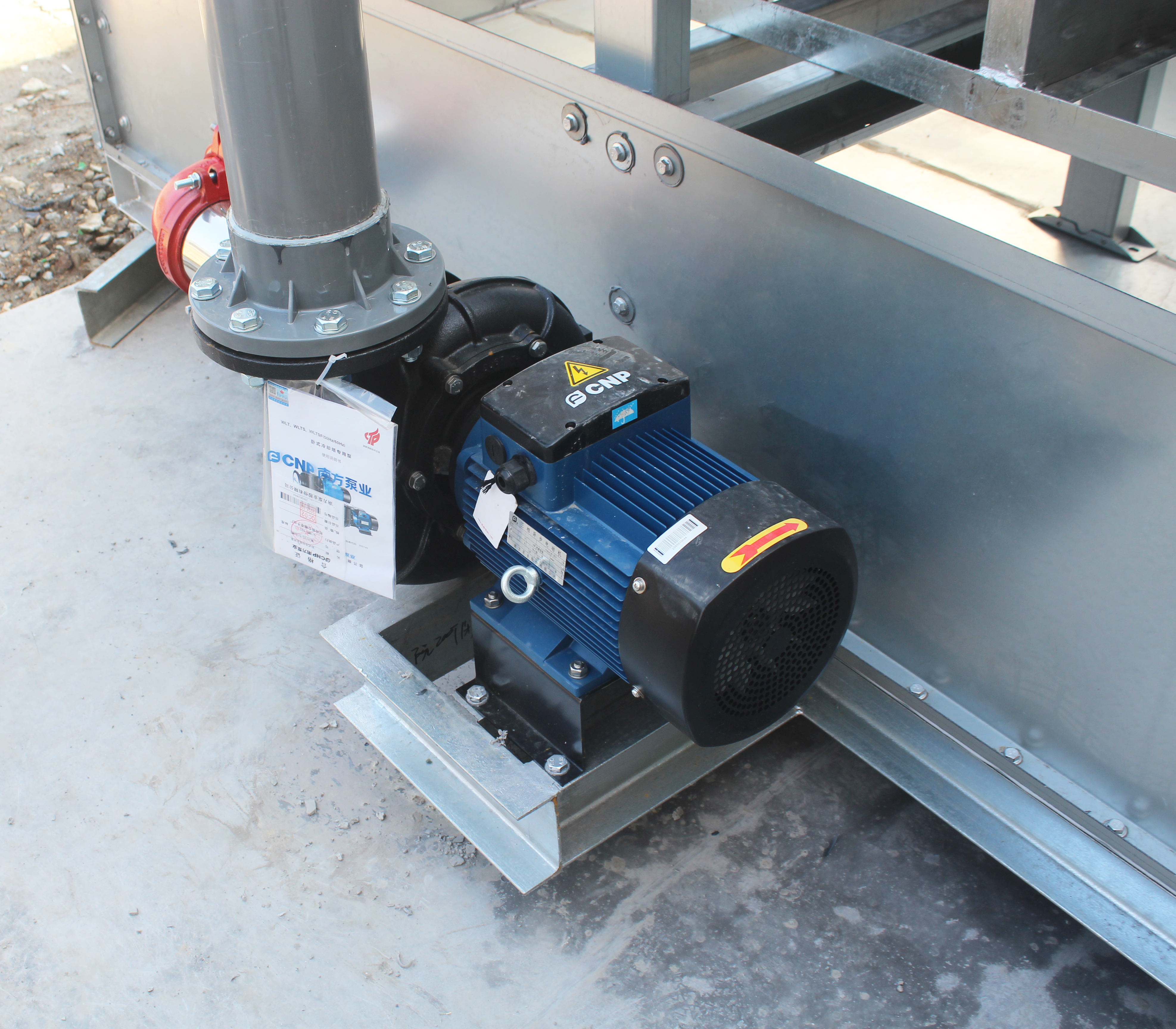
CNP (South Pump / 南方泵业)
A leading Chinese brand known for comprehensive cooling tower components, including high-quality spray nozzles that are widely used in commercial and industrial HVAC systems.
Kaiquan Pump & Equipment (凯泉泵业)
Kaiquan is a large manufacturer that supplies pumps and cooling tower accessories. Their nozzles are recognized for balance of performance and cost — suitable for widespread HVAC and industrial cooling needs.
SPX Cooling Technologies (Including Marley)
A globally respected name, SPX and Marley nozzles are known for engineered spray patterns, durability, and extensive performance data — ideal for high-efficiency or specialized applications.
Local OEMs & Custom Manufacturers
China has a large base of smaller OEMs and local manufacturers who can produce custom nozzle configurations — valuable for cooling towers with unusual designs or unique flow requirements.
How to Choose the Right Nozzle for Your Cooling Tower
Choosing nozzles isn’t guesswork — here’s a process you can follow.
Assessing Water Distribution Requirements
Know your cooling tower’s flow rate, spray area, and fill type. This determines the spray pattern, droplet distribution, and nozzle count.
Matching Flow Rate & Spray Pattern
Nozzles are rated by flow rate (e.g., m³/hr or GPM) at specific pressures. Matching these to your pump and header size ensures proper coverage and efficiency.
Compatibility With Tower Design
Cooling towers vary in shape, size, and water distribution layout. The best nozzle fits the geometry without forcing modifications that compromise performance.
Installation Best Practices for Cooling Tower Nozzles
Optimal Placement & Spacing
Even the best nozzles underperform if installed poorly. Spacing must ensure overlap without saturation — much like placing sprinklers in a lawn.
Avoiding Common Installation Mistakes
Mistakes like wrong orientation, mismatched flow ratings, or ignoring manufacturer guidelines can lead to uneven water distribution — which often goes unnoticed until efficiency drops.
Maintenance Tips to Maximize Nozzle Life
Routine Inspection & Cleaning
Periodic inspection prevents buildup before it affects performance. Quick cleaning can avoid costly replacements.
Scale & Mineral Management
Hard water creates scale. Using a water treatment strategy alongside quality nozzles prolongs equipment life.
When to Replace Nozzles
If spray uniformity declines, or patterns shift even after cleaning, it’s time to replace nozzles. Delaying leads to bigger inefficiencies.
Performance Challenges in Chinese Cooling Tower Operations
Water Quality & Scaling
Many regions in China have water with high mineral content. This increases the need for anti-clogging and corrosion-resistant nozzle designs.
System Imbalance & Uneven Distribution
Large facilities often run multiple zones or rows of nozzles. If one section underperforms, the whole system loses efficiency.
Energy Efficiency & Cost Benefits of High-Quality Nozzles
Reducing Operating Costs
Proper distribution reduces the burden on fans and pumps — a major savings in energy costs over time.
Improving Heat Transfer Efficiency
High-performance nozzles help maximize the cooling potential of each cubic meter of water — meaning better cooling with less energy input.
Case Studies: Success Stories in China
Industrial Cooling Systems
Factories in Guangdong and Jiangsu that upgraded nozzle systems reported improved temperature control and reduced water usage — a win for efficiency and cost.
Commercial & High-Rise HVAC Systems
High-rise buildings in Shanghai that invested in premium nozzles saw smoother system performance and longer intervals between maintenance.
Future Trends in Cooling Tower Water Distribution
Smart Nozzles & IoT Monitoring
Emerging technologies enable real-time monitoring of water distribution — if a nozzle clogs or underperforms, alerts notify technicians instantly.
Sustainable Materials & Designs
As China pushes toward greener infrastructure, expect more recyclable and environmentally friendly nozzle materials.
Conclusion: Maximizing Cooling Performance With the Right Nozzles
In China’s large-scale cooling applications, water distribution nozzles aren’t just components — they’re efficiency drivers. The right nozzle improves cooling, reduces energy use, and extends system life. Whether you choose domestic brands like CNP and Kaiquan, premium international options like SPX/Marley, or custom-designed nozzles, understanding how they work and how to select them is the key to reliable, high-performance cooling towers. |