Introduction to Cooling Tower Fill Replacement
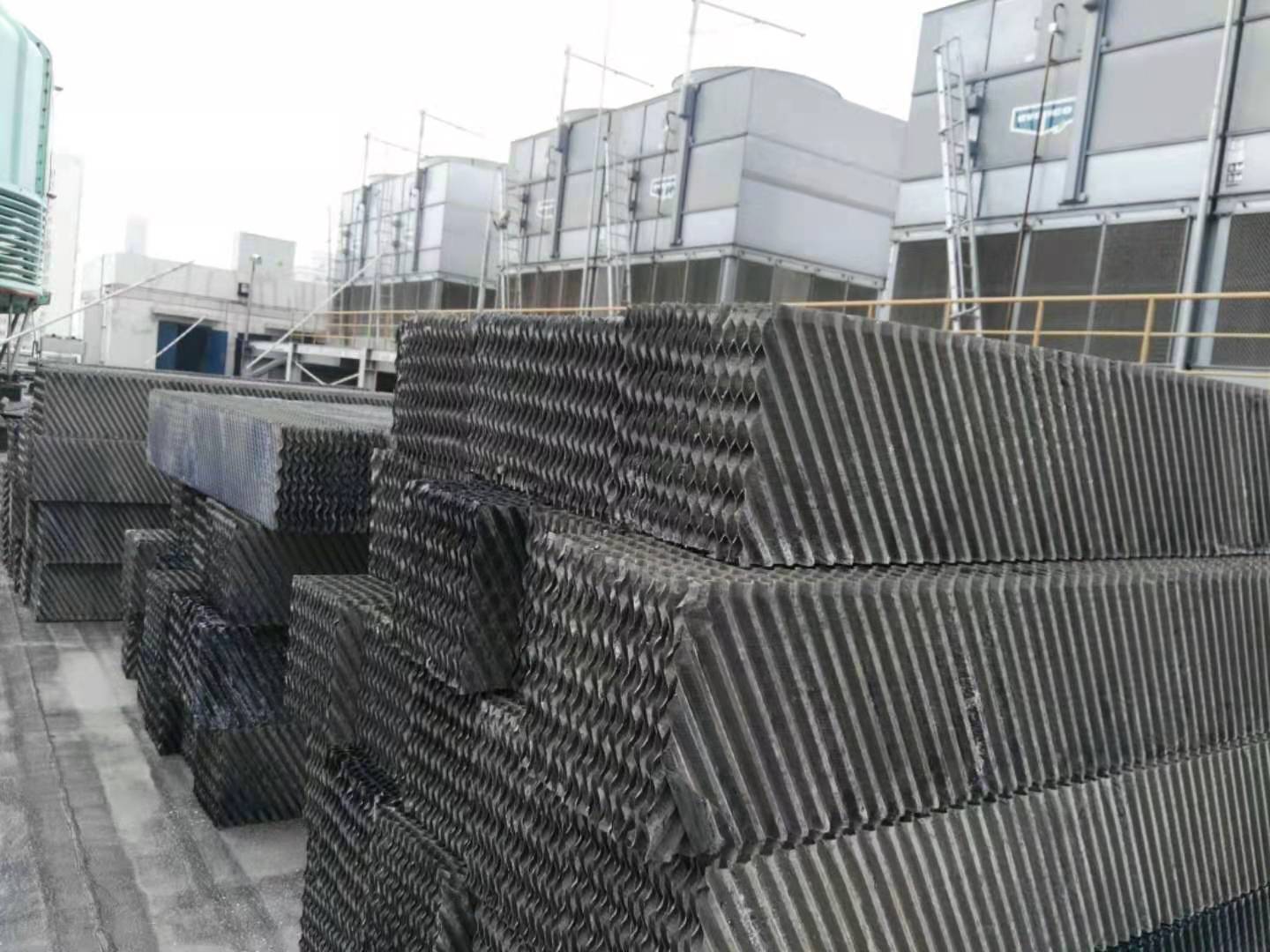
Ever feel like your cooling tower just isn’t pulling its weight anymore? Like a car engine running on clogged filters, your system might be struggling because of one overlooked component—the fill. Replacing it, especially with high temperature PP fill, can completely transform performance. Let’s break it down in a way that actually makes sense.
What is Cooling Tower Fill?
Cooling tower fill is the internal structure that maximizes contact between water and air. Think of it as a maze where water spreads out into thin films or droplets, making heat exchange faster and more efficient.
Why Fill Replacement Matters
Over time, fill gets clogged, brittle, or even melted in high-heat environments. When that happens, efficiency drops—and your energy bills quietly climb.
What is High Temperature PP Fill?
Not all fill materials are built for heat. That’s where polypropylene (PP) comes into play.
Properties of Polypropylene (PP)
PP is a tough, flexible thermoplastic that can handle harsh industrial environments without breaking a sweat.
Heat Resistance Capabilities
Unlike PVC, which softens around 60°C, PP can withstand temperatures up to 100°C. That’s a game-changer for high-temperature operations.
Chemical Stability
From acidic water to chemical exposure, PP resists corrosion like a pro. It’s like giving your cooling tower armor.
Why Choose High Temperature PP Fill?
So why should you switch? Simple—it performs where others fail.
Advantages Over PVC Fill
PVC is cheaper upfront but struggles in high heat. PP, on the other hand, maintains shape and efficiency even under stress.
Ideal Industrial Applications
You’ll find PP fill in power plants, petrochemical facilities, and steel industries—places where heat is relentless.
Signs Your Cooling Tower Fill Needs Replacement
Not sure if it’s time? Your system usually drops hints.
Decline in Cooling Performance
If outlet water temperatures are creeping up, your fill may not be doing its job.
Visible Damage and Deformation
Warped, cracked, or sagging fill is a clear red flag.
Increased Energy Consumption
Fans and pumps working overtime? That’s your wallet asking for help.
Types of Cooling Tower Fill
Let’s talk options—because one size doesn’t fit all.
Film Fill vs Splash Fill
Film fill spreads water into thin sheets, while splash fill breaks it into droplets.
When to Use Each Type
High-temperature environments typically favor splash fill made from PP due to its durability.
Step-by-Step Replacement Process
Replacing fill might sound intimidating, but it’s manageable with the right approach.
Inspection and Planning
Start with a full inspection. Identify damage, measure dimensions, and plan your replacement strategy.
Safety Considerations
Always shut down the system and use proper protective equipment. Safety isn’t optional—it’s essential.
Removal of Old Fill
Carefully remove degraded fill. Be cautious—older materials can crumble easily.
Installation of New PP Fill
Install the new fill block by block, ensuring secure placement.
Alignment and Spacing Tips
Proper spacing ensures optimal airflow. Misalignment? That’s like blocking lanes on a highway.
Testing and Commissioning
Once installed, restart the system and monitor performance closely.
Common Mistakes to Avoid
Even seasoned professionals can get this wrong.
Using Incorrect Fill Material
Choosing PVC in high-temperature setups is a costly mistake.
Ignoring Water Chemistry
Poor water treatment leads to scaling and early failure.
Maintenance After Replacement
Want your investment to last? Treat it right.
Routine Inspection Tips
Regularly check for scaling, biological growth, and debris.
Cleaning and Water Treatment
Maintain proper chemical balance to prevent fouling.
Cost Analysis of PP Fill Replacement
Let’s be real—cost matters.
Initial Costs vs Lifecycle Value
PP fill costs more upfront but saves money long-term through durability and efficiency. It’s like buying quality shoes—they last longer and perform better.
How to Choose the Right Supplier
The right supplier makes all the difference.
Quality Certifications
Look for ISO-certified manufacturers with proven track records.
Customization and Support
A good supplier offers tailored solutions and after-sales support.
Environmental and Efficiency Benefits
Going with PP isn’t just smart—it’s sustainable.
Energy Savings
Better heat exchange means less energy consumption.
ustainability Factors
Longer lifespan means פחות waste and fewer replacements.
Conclusion
Upgrading your cooling tower fill isn’t just maintenance—it’s optimization.
Final Thoughts
High temperature PP cooling tower fill replacement is a smart move for any high-heat operation. It boosts efficiency, reduces costs, and ensures reliability. So, the real question is—can you afford not to upgrade?


