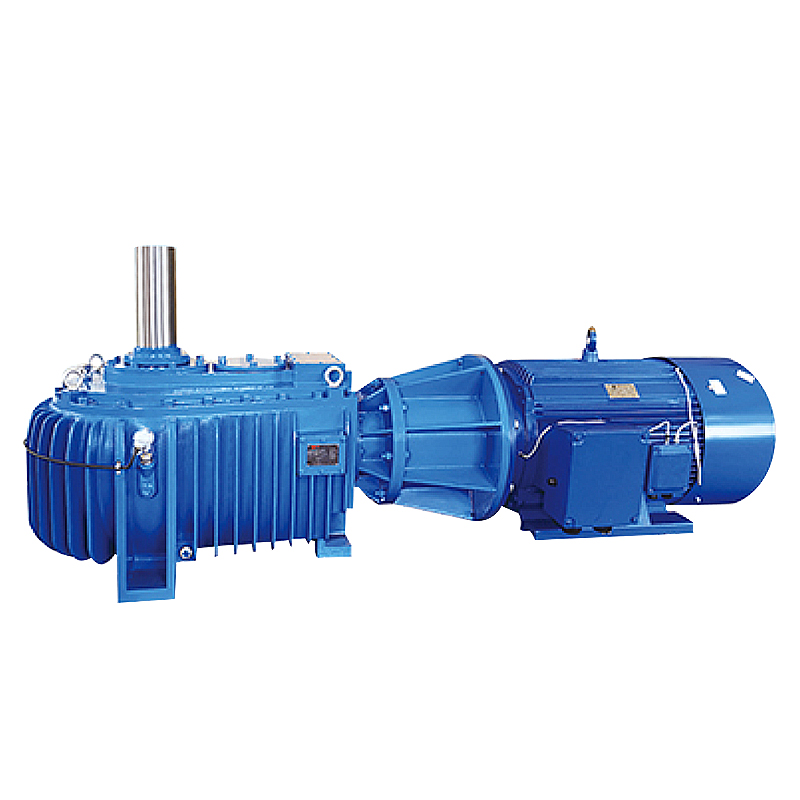
Cooling Tower Gearbox for 500 Ton Tower: Complete Guide to Industrial Gear Reducers, Replacement, Maintenance & OEM Solutions
Introduction
A cooling tower gearbox is one of the most critical mechanical components in any industrial cooling tower system. In a 500 ton cooling tower, the gearbox transfers power from the electric motor to the fan while reducing rotational speed and increasing torque. This process enables the cooling tower fan to move large volumes of air efficiently, ensuring stable heat rejection, lower energy consumption, and reliable long-term operation.
Whether used in power plants, HVAC systems, petrochemical facilities, steel mills, manufacturing plants, or commercial buildings, a high-quality cooling tower gear reducer directly influences cooling performance, equipment lifespan, and maintenance costs.
As industrial cooling systems become larger and more energy efficient, selecting the right industrial cooling tower gearbox manufacturer is just as important as choosing the cooling tower itself. Precision engineering, durable materials, and professional technical support all contribute to reducing downtime and maximizing return on investment.
This comprehensive guide explains everything you need to know about 500 ton cooling tower gearboxes, including their working principles, engineering specifications, applications, maintenance, replacement guidelines, and how to select the right gearbox for your cooling tower.
What Is a Cooling Tower Gearbox?
A cooling tower gearbox, also known as a cooling tower gear reducer or fan drive gearbox, is a mechanical transmission device installed between the electric motor and the cooling tower fan.
Its primary functions include:
Reducing motor speed
Increasing output torque
Transmitting power efficiently
Maintaining stable fan operation
Protecting the drive system from excessive loads
Industrial electric motors typically operate at speeds of 1,450–1,800 RPM, while large cooling tower fans perform most efficiently between approximately 90 and 250 RPM. The gearbox bridges this speed difference by converting high-speed, low-torque motor output into lower-speed, higher-torque rotation that drives the fan.
Without a properly designed gearbox, the fan cannot operate efficiently, resulting in poor cooling performance, increased vibration, higher energy consumption, and accelerated wear.
Why a 500 Ton Cooling Tower Requires a Heavy-Duty Gearbox
A 500 ton cooling tower removes approximately 6,000,000 BTU of heat per hour, making it suitable for demanding industrial processes.
Because of the large fan diameter and continuous operation, the gearbox must withstand:
A heavy-duty gearbox ensures smooth power transmission while minimizing vibration and mechanical losses.
How a Cooling Tower Gearbox Works
The power transmission process is straightforward but highly engineered:
Electric Motor → Flexible Coupling → Gearbox → Drive Shaft → Cooling Tower Fan
Inside the gearbox:
The input shaft receives power from the motor.
Spiral bevel gears or helical gears reduce rotational speed.
Torque is increased proportionally.
Bearings support rotating components.
Oil lubrication minimizes friction and wear.
The output shaft drives the cooling tower fan.
This optimized transmission improves airflow while reducing energy consumption.
Types of Cooling Tower Gearboxes
Right-Angle Gearbox
The most widely used gearbox configuration in industrial cooling towers.
Advantages include:
Compact installation
Excellent torque transmission
Efficient 90-degree power transfer
Ideal for vertical fan shafts
Parallel Shaft Gearbox
Parallel shaft gearboxes are suitable for specialized installations where motor and fan shafts are aligned.
Advantages include:
Simple design
High efficiency
Easy maintenance
Spiral Bevel Gear Reducer
Modern industrial cooling towers commonly use spiral bevel gears because they offer:
Smooth engagement
Lower noise
Higher efficiency
Increased load capacity
Longer service life
Engineering Specifications
The exact specifications depend on the cooling tower design, motor size, and fan requirements.
| Parameter | Typical Specification |
| Product Type | Cooling Tower Gearbox |
| Cooling Tower Capacity | 500 Ton |
| Gear Type | Spiral Bevel |
| Gear Ratio | 5:1–20:1 (customizable) |
| Output Speed | Approximately 90–250 RPM |
| Housing Material | High-Strength Cast Iron |
| Gear Material | Heat-Treated Alloy Steel |
| Shaft Material | Alloy Steel |
| Bearings | SKF, NSK, FAG or Equivalent |
| Lubrication | Oil Bath |
| Rotation | Clockwise or Counterclockwise |
| Installation | Horizontal or Vertical |
| Operating Environment | Industrial Outdoor Applications |
Customized specifications are available according to customer drawings or OEM requirements.
Key Features of Our Cooling Tower Gearbox
High Torque Transmission
Designed to deliver reliable torque for large-diameter cooling tower fans operating continuously.
Precision Gear Machining
CNC-machined spiral bevel gears provide:
Heavy-Duty Housing
The robust cast iron housing offers excellent rigidity and protects internal components against impact and environmental conditions.
Corrosion Resistance
Protective coatings and durable materials improve resistance to humidity, cooling water, and outdoor environments.
Low Noise Operation
Precision gear geometry and balanced rotating components significantly reduce operating noise.
Long Service Life
Premium bearings, optimized lubrication, and precision manufacturing contribute to years of dependable performance.
Materials and Manufacturing Process
Reliable gearbox performance begins with quality materials.
Housing
Gears
Shafts
Bearings
Premium bearings ensure:
Low friction
High load capacity
Long operating life
Quality Control
Every gearbox should undergo comprehensive inspections, including:
Gear profile inspection
Shaft concentricity testing
Housing dimensional inspection
Dynamic balance testing
Noise testing
Load testing
Oil leakage inspection
Final performance verification
Applications
Our industrial cooling tower gearboxes are widely used in:
Cooling Tower Gearbox Replacement Guide
Replacing a worn gearbox before catastrophic failure minimizes downtime and protects the motor, fan, and drive shaft.
Signs That Replacement Is Needed
When these symptoms appear, inspect the gearbox promptly and replace damaged components as necessary.
OEM vs Aftermarket Cooling Tower Gearboxes
| Feature | OEM Gearbox | High-Quality Aftermarket Gearbox |
| Compatibility | Excellent | Excellent (when engineered correctly) |
| Cost | Higher | More competitive |
| Customization | Limited | Extensive |
| Lead Time | May vary | Often faster |
| Technical Support | Brand-specific | Flexible engineering support |
| Spare Parts Availability | Limited | Widely available |
A well-engineered aftermarket gearbox can provide performance comparable to OEM units when designed to match the original specifications.
Compatible Cooling Tower Brands
Our gearboxes can be engineered for replacement applications compatible with many industrial cooling tower systems, including:
Compatibility should always be confirmed using model numbers, shaft dimensions, gear ratios, and installation drawings.
Installation Guidelines
Correct installation significantly affects gearbox life.
Shaft Alignment
Proper alignment minimizes vibration and reduces bearing loads.
Secure Mounting
Mounting bolts should be tightened according to the manufacturer's recommended torque values.
Coupling Inspection
Inspect flexible couplings for wear before installation.
Lubrication
Fill the gearbox with the recommended lubricant before startup and verify the correct oil level.
Trial Operation
Operate the gearbox under no-load conditions first, then gradually introduce the operating load while monitoring vibration, temperature, and noise.
Preventive Maintenance
Routine maintenance extends gearbox life and reduces unexpected failures.
| Maintenance Item | Frequency |
| Check Oil Level | Monthly |
| Inspect Oil Leaks | Monthly |
| Check Vibration | Monthly |
| Monitor Temperature | Monthly |
| Inspect Couplings | Quarterly |
| Check Bearing Condition | Every 6 Months |
| Replace Lubricating Oil | Every 6–12 Months or as recommended |
| Comprehensive Inspection | Annually |
Common Gearbox Problems and Troubleshooting
| Problem | Possible Cause | Recommended Solution |
| Excessive Noise | Gear wear | Inspect gears and replace worn components |
| High Temperature | Insufficient lubrication | Restore proper oil level and inspect cooling conditions |
| Oil Leakage | Damaged seals | Replace oil seals and inspect shaft surfaces |
| Excessive Vibration | Misalignment | Realign motor, gearbox, and fan shaft |
| Reduced Fan Speed | Internal gear damage | Inspect gearbox internals and replace damaged parts |
| Bearing Failure | Contamination or overload | Replace bearings and investigate root cause |
Benefits of a High-Quality Cooling Tower Gearbox
Investing in a premium gearbox offers measurable operational advantages:
Improved cooling efficiency
Lower energy consumption
Reduced maintenance costs
Longer equipment life
Stable fan operation
Lower vibration
Reduced operating noise
Higher system reliability
Increased production uptime
How to Choose the Right Cooling Tower Gearbox
Selecting the correct gearbox requires careful evaluation of:
Cooling tower capacity
Fan diameter
Motor horsepower
Required output speed
Gear ratio
Shaft dimensions
Mounting configuration
Ambient operating conditions
Corrosion protection requirements
Maintenance accessibility
Working with an experienced manufacturer helps ensure proper sizing and compatibility.
Why Choose Our Industrial Cooling Tower Gearboxes?
As a professional industrial cooling tower gearbox manufacturer, we provide solutions designed for demanding industrial applications.
Our advantages include:
Precision CNC manufacturing
Heavy-duty spiral bevel gear design
High-strength alloy steel components
Strict quality inspection procedures
OEM and customized manufacturing
Competitive factory-direct pricing
Worldwide export experience
Technical engineering support
Fast production and delivery
Comprehensive after-sales service
Whether you need a single replacement gearbox or bulk orders for large industrial projects, our engineering team can recommend the optimal solution for your cooling tower system.
Frequently Asked Questions
What is the lifespan of a cooling tower gearbox?
With proper installation, lubrication, and preventive maintenance, a high-quality cooling tower gearbox typically operates for 8–15 years or longer, depending on service conditions.
How often should gearbox oil be replaced?
Oil replacement intervals depend on operating conditions and lubricant type. For most industrial applications, inspect the oil regularly and replace it approximately every 6–12 months, or according to the lubricant manufacturer's recommendations.
What causes cooling tower gearbox failure?
The most common causes include inadequate lubrication, shaft misalignment, overloaded operation, contaminated oil, worn bearings, excessive vibration, and delayed maintenance.
Can this gearbox replace Marley, BAC, or EVAPCO gearboxes?
Gearboxes can often be engineered as replacement solutions for many major cooling tower brands. Compatibility should be verified based on gearbox ratio, shaft dimensions, mounting configuration, power rating, and other technical specifications.
Do you provide OEM and customized gearboxes?
Yes. We offer OEM manufacturing, custom gear ratios, housing configurations, shaft dimensions, and other engineering modifications based on customer drawings or project requirements.
How do I request a quotation?
To receive an accurate quotation, please provide:
Conclusion
A 500 ton cooling tower gearbox is far more than a simple mechanical component—it is the heart of the cooling tower fan drive system. By reducing motor speed, increasing torque, and delivering reliable power transmission, it enables efficient heat rejection and dependable long-term operation in demanding industrial environments.
Choosing a high-quality cooling tower gear reducer from an experienced manufacturer helps reduce maintenance costs, improve energy efficiency, and maximize equipment uptime. Whether you require a new installation or a cooling tower gearbox replacement, selecting a precision-engineered solution backed by technical expertise ensures your cooling system continues to perform safely and efficiently for years to come.


