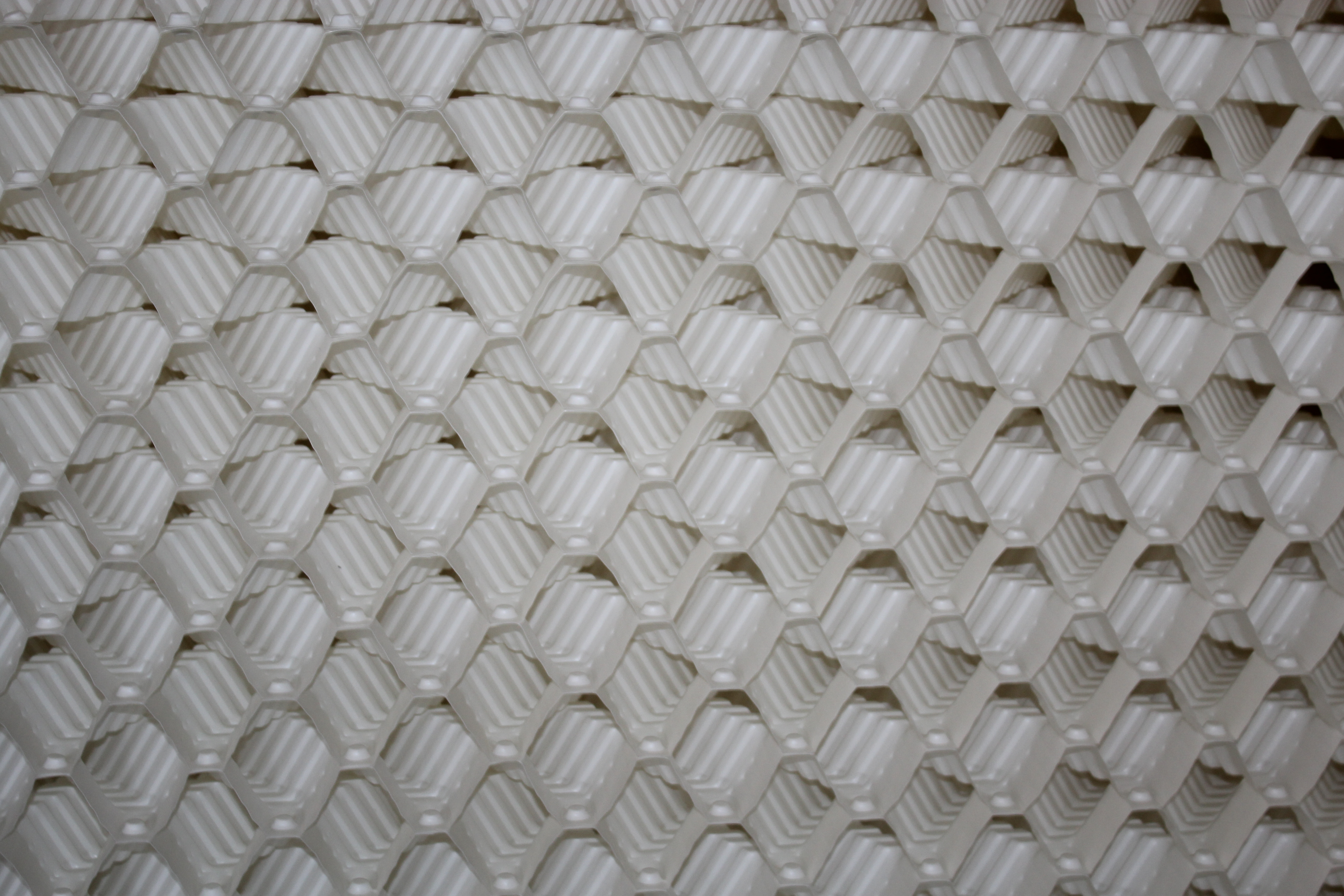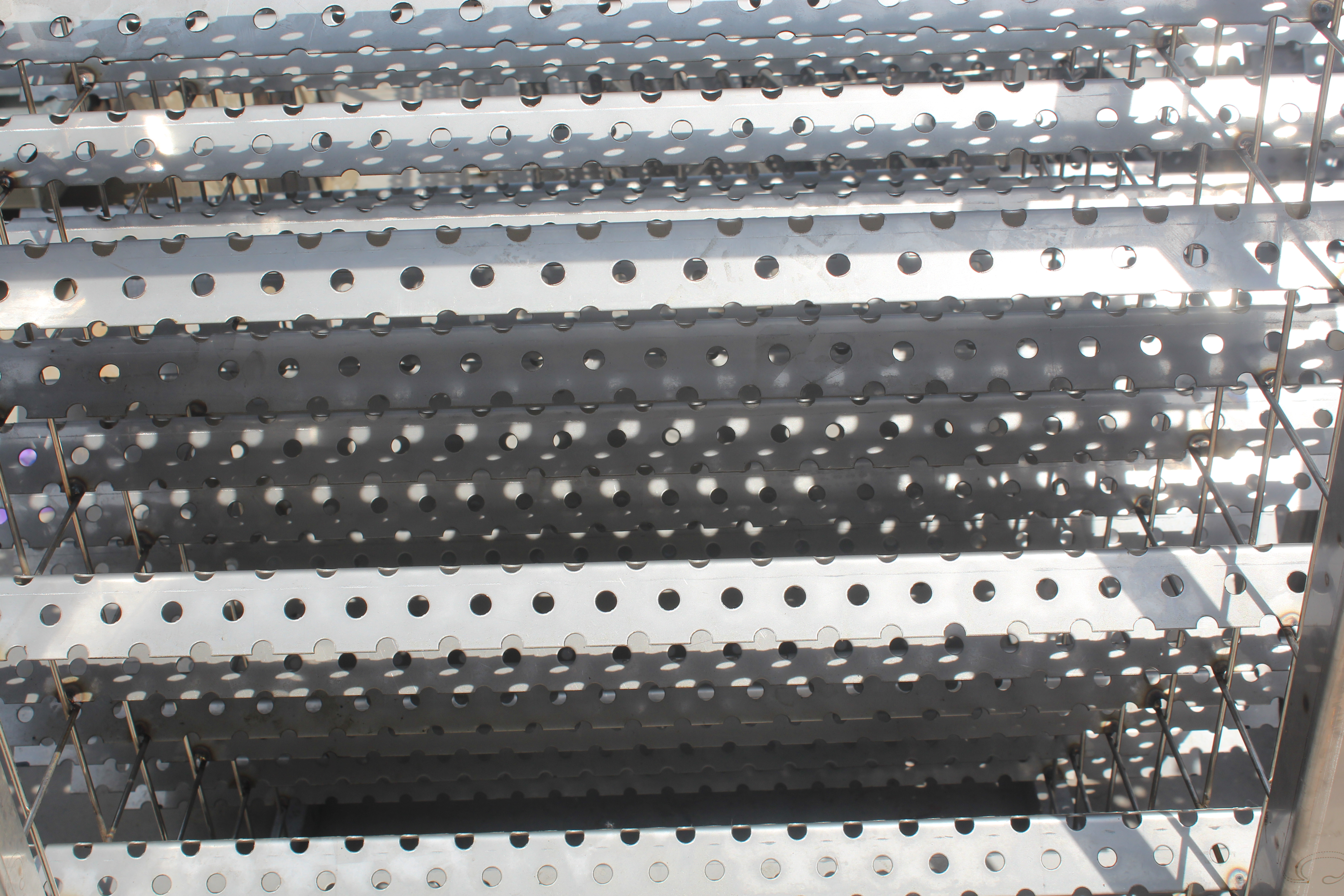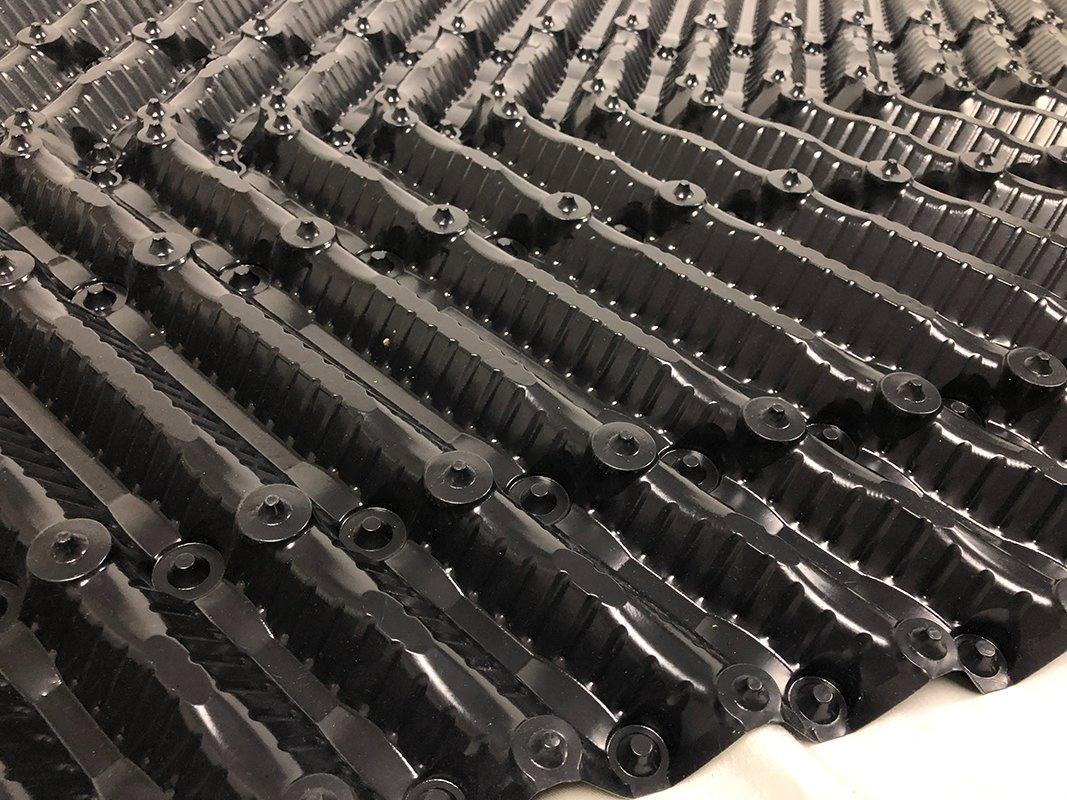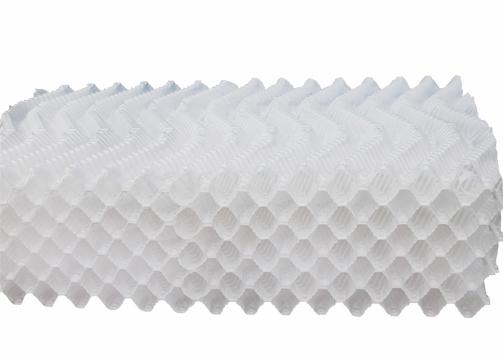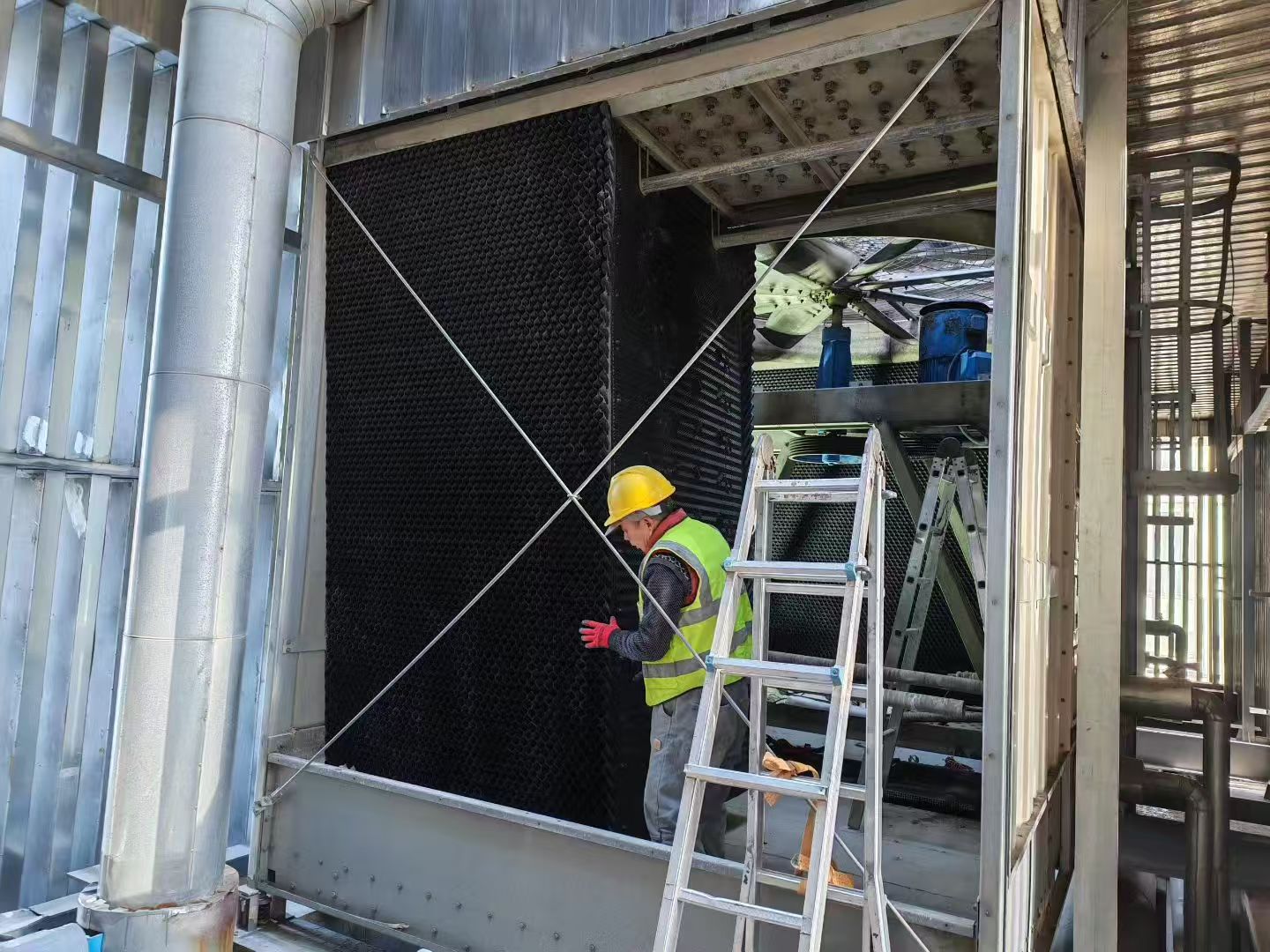
Choosing the right cooling tower fill media replacement is essential for maintaining heat-transfer efficiency, reducing operating costs, and extending the service life of an existing cooling tower. When fill media becomes clogged, damaged, or deformed, cooling performance can decline, airflow resistance may increase, and maintenance requirements can rise.
However, replacing cooling tower fill is not simply a matter of matching the dimensions of the old material. Buyers must consider fill type, material, water quality, operating temperature, cooling capacity, and compatibility with the existing tower.
This guide explains how to choose the right cooling tower fill media replacement for industrial facilities, HVAC systems, contractors, and cooling tower distributors.
What Is Cooling Tower Fill Media?
Cooling tower fill media is an internal component that increases the contact area between circulating water and air. This improves evaporative heat transfer and helps the cooling tower remove heat more efficiently.
The two main types are film fill and splash fill.
Film fill: Distributes water into thin films across closely spaced sheets, providing a large heat-transfer surface.
Splash fill: Breaks falling water into smaller droplets using bars, grids, or molded elements.
The right choice depends on the cooling tower design, water quality, thermal requirements, and operating environment.
When existing fill loses its structural integrity or becomes severely fouled, replacement can help restore performance and improve operational reliability.
Identify When Cooling Tower Fill Needs Replacement
Before purchasing replacement fill, determine whether the existing media has reached the end of its useful service life.
Common warning signs include:
Reduced Cooling Performance
If the tower cannot consistently achieve the required cold-water temperature, clogged or damaged fill may be reducing heat-transfer efficiency.
Scale and Biological Fouling
Mineral deposits, algae, biofilm, and sediment can obstruct water and airflow passages. If appropriate cleaning cannot restore acceptable performance, replacement may be necessary.
Cracked or Deformed Fill
Plastic sheets can become brittle, sag, warp, or collapse because of temperature exposure, chemical attack, mechanical damage, or aging.
Uneven Water Distribution
Damaged fill may cause water channeling, dry areas, or inconsistent wetting, reducing the effective heat-transfer area.
Increased Airflow Resistance
Blocked fill passages can restrict airflow and affect fan operation. However, other components, including drift eliminators and air inlets, should also be inspected.
A complete inspection helps determine whether partial replacement, full replacement, or cleaning is the most cost-effective solution.
Choose the Right Type of Cooling Tower Fill
Selecting the correct fill design is one of the most important decisions in a replacement project.
| Fill Type | Main Advantages | Best-Suited Applications |
| Film fill | High heat-transfer surface area and compact design | HVAC and relatively clean industrial water |
| Splash fill | Can tolerate suspended solids better in suitable designs | Fouling-prone industrial applications |
| Hybrid fill | Balances heat-transfer performance and fouling resistance | Selected industrial retrofit projects |
Film Fill Replacement
Film fill uses closely spaced, formed sheets to spread water into thin layers. It is widely used because it provides efficient heat transfer within a relatively compact volume.
Film fill is commonly found in commercial air-conditioning systems, manufacturing plants, refrigeration facilities, and many industrial cooling towers.
When selecting replacement film fill, check sheet spacing, flute geometry, block dimensions, and airflow resistance. Narrow passages may be unsuitable for water containing significant suspended solids.
Splash Fill Replacement
Splash fill distributes water by breaking it into droplets as it moves through grids, bars, or molded elements.
It may be a better choice when suspended solids or recurring fouling make conventional film fill difficult to maintain. However, performance depends on the splash-fill design and the cooling tower's operating conditions.
Do not switch from film fill to splash fill without checking thermal capacity, available installation space, support arrangements, and airflow requirements.
Compare PVC and PP Cooling Tower Fill Materials
Material selection affects cost, temperature resistance, chemical compatibility, and expected service life.
| Comparison Factor | PVC Fill | PP Fill |
| Material | Polyvinyl chloride | Polypropylene |
| Main benefit | Economical for many conventional applications | Suitable for selected higher-temperature applications |
| Typical use | HVAC and general industrial cooling | Industrial cooling under specified demanding conditions |
| Chemical resistance | Depends on formulation and exposure | Depends on grade and chemical exposure |
| Cost | Often cost-effective | Varies by grade, design, and supplier |
PVC Cooling Tower Fill
PVC cooling tower fill is widely used because it offers a practical balance of cost, formability, and heat-transfer performance.
It is often suitable for conventional HVAC systems and industrial cooling towers operating within the material's specified temperature and chemical limits.
PP Cooling Tower Fill
Polypropylene fill may be preferable when the operating temperature exceeds the rating of a particular PVC product or when the application requires specific chemical resistance.
However, PP is not automatically suitable for every industrial environment. Always verify the manufacturer's temperature limits, chemical compatibility data, and material specifications.
Buyer tip: Choose PVC or PP based on actual operating conditions rather than price alone.
Check Cooling Tower Specifications and Dimensions
A replacement fill block must fit the existing tower and meet its performance requirements.
Before requesting a quotation, collect the following information:
Cooling tower manufacturer, model, and serial number
Crossflow or counterflow configuration
Existing fill block length, width, and height
Sheet spacing and flute geometry, where applicable
Fill material and block assembly method
Water flow rate and operating temperatures
Required cooling capacity and airflow conditions
Available installation space and support dimensions
If drawings are unavailable, photographs and carefully measured samples can help the supplier identify the existing fill configuration.
Remember that physical compatibility does not guarantee equivalent thermal performance. A replacement with different geometry may change water distribution, heat transfer, and airflow resistance.
Consider Water Quality and Operating Conditions
Water quality is a major factor when choosing cooling tower fill media replacement.
For systems with relatively clean, well-treated water, film fill may provide excellent heat-transfer performance. Where water contains high levels of suspended solids or experiences recurring biological fouling, wider-passage or splash-fill designs may be worth evaluating.
Also consider:
Operating and peak water temperatures
Water-treatment chemicals
Mineral scaling and corrosion-related contamination
Biological growth and sediment levels
Seasonal changes in operating conditions
Cleaning frequency and maintenance resources
If the previous fill repeatedly clogged, investigate the cause before installing new media. Improving filtration, blowdown control, or water treatment may reduce the risk of premature fouling.
Evaluate Replacement Fill Suppliers
Choosing a reliable cooling tower fill manufacturer is as important as selecting the correct product.
When comparing suppliers, look for:
Manufacturing capability: Can the supplier produce the required PVC or PP fill type and dimensions?
Technical documentation: Can it provide material data, dimensional drawings, temperature limits, and relevant performance information?
Customization: Can it manufacture replacement blocks for older towers or nonstandard configurations?
Quality control: Are dimensions, material consistency, and finished blocks inspected before shipment?
Export experience: Can the supplier provide suitable packaging, shipping arrangements, and documentation for international orders?
For overseas contractors, maintenance companies, and distributors, direct sourcing from a qualified manufacturer may provide more flexibility for customized and bulk replacement projects.
For branded cooling towers, request documented compatibility with the existing equipment instead of assuming that all aftermarket fill is interchangeable.
Understand Cooling Tower Fill Replacement Costs
The total cost of replacement depends on several factors:
Fill material and design
Total quantity and block dimensions
Custom manufacturing requirements
Packaging and international freight
Removal of old fill and installation labor
Required shutdown time and project access
Repairs to fill supports or other internal components
A low-cost fill product may not offer the best overall value if it creates excessive airflow resistance, requires modifications, or fails prematurely.
Request a detailed quotation that identifies the material, dimensions, quantity, delivery terms, and any additional installation requirements.
Best Practices for Cooling Tower Fill Replacement
Follow these steps to reduce replacement risks:
Inspect existing fill and identify the cause of deterioration.
Record tower specifications and measure the installation area.
Select a fill type and material appropriate for water quality and thermal requirements.
Verify dimensions and performance compatibility with the supplier.
Inspect supports, nozzles, distribution pipes, and drift eliminators before installation.
Install the new fill according to the manufacturer's instructions.
Restart the tower and check water distribution, airflow, and cooling performance.
Qualified personnel should perform replacement work using appropriate shutdown, isolation, and site safety procedures.
Frequently Asked Questions
What is the best cooling tower fill for replacement?
There is no universal best option. Film fill is widely used for efficient heat transfer, while splash fill may be more appropriate for some fouling-prone applications. The right choice depends on tower design, water quality, and performance requirements.
Should I choose PVC or PP replacement fill?
PVC is often economical for conventional operating conditions. PP may be preferable for selected higher-temperature or chemically demanding applications. Verify the actual material specifications before ordering.
Can aftermarket cooling tower fill replace original fill?
Yes, when the replacement meets the required dimensions, installation arrangement, material requirements, and thermal and hydraulic performance. Confirm compatibility with the supplier.
How do I know whether to clean or replace cooling tower fill?
Cleaning may be sufficient when fouling is removable and the fill remains structurally sound. Replacement is more appropriate when media is severely damaged, deformed, brittle, or permanently blocked.
What information should I provide for a quotation?
Provide the tower model, fill dimensions, material preference, fill type, quantity, operating conditions, photographs or drawings, and delivery location.
Conclusion
Choosing the right cooling tower fill media replacement requires a balance of thermal performance, material suitability, water quality, dimensional compatibility, and total project cost.
Film fill is a common choice for efficient heat transfer, while splash and hybrid fill can offer advantages in selected fouling-prone applications. PVC and PP should be evaluated against actual operating temperatures and chemical exposure.
Before purchasing, confirm the existing tower specifications and request technical documentation from a qualified supplier. This approach helps industrial buyers, contractors, and distributors select replacement fill that supports reliable cooling performance and long-term value.
Looking for cooling tower fill media replacement for your project? Provide your tower model, fill dimensions, material requirements, and order quantity to request a technical recommendation and quotation.
Internal Links for Other CoolingTowerParts
Cooling Tower Nozzles
Cooling Tower Drift Eliminators
Cooling Tower Louvers
Cooling Tower Fan Blades
Cooling Tower Motors