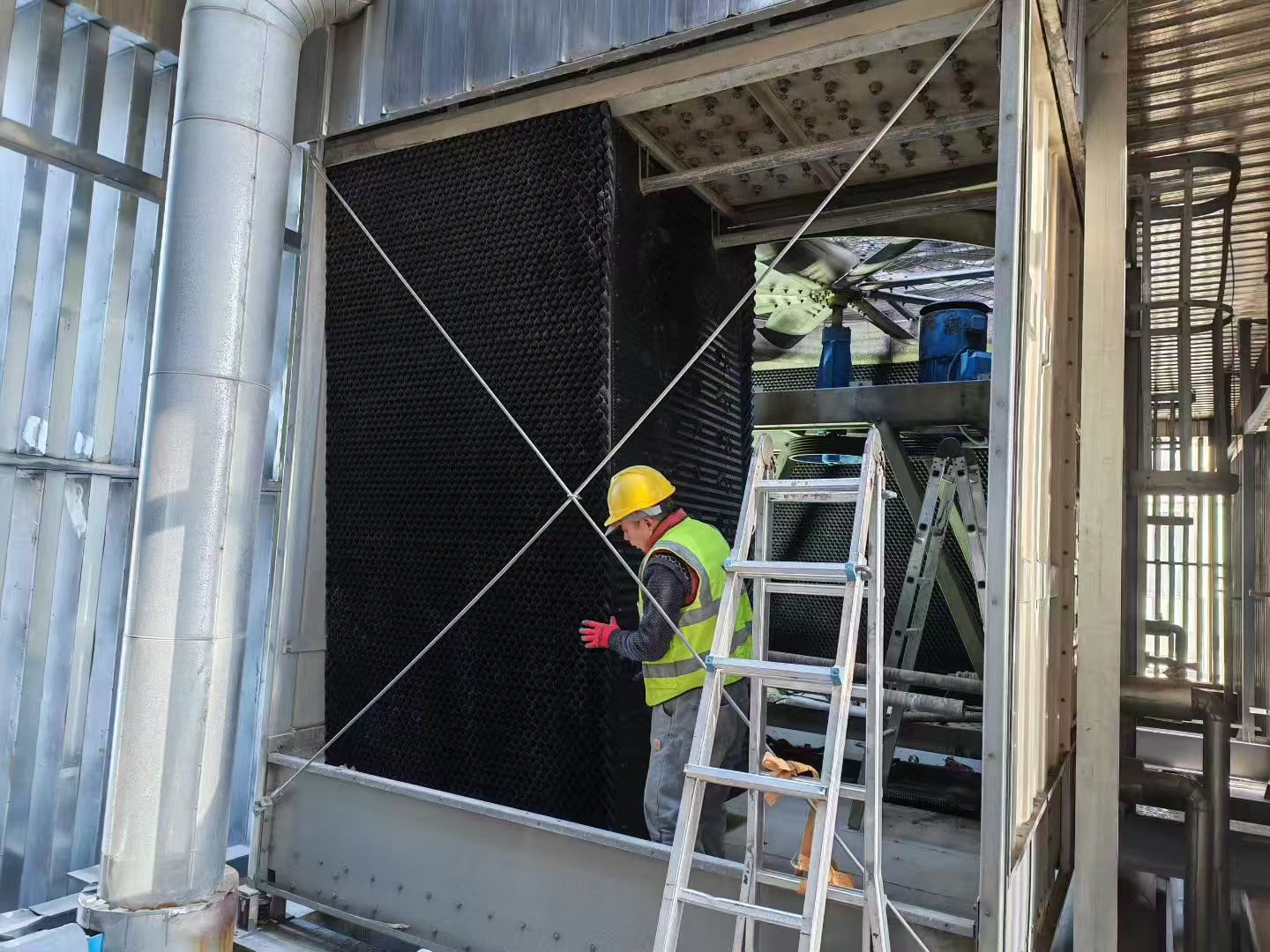
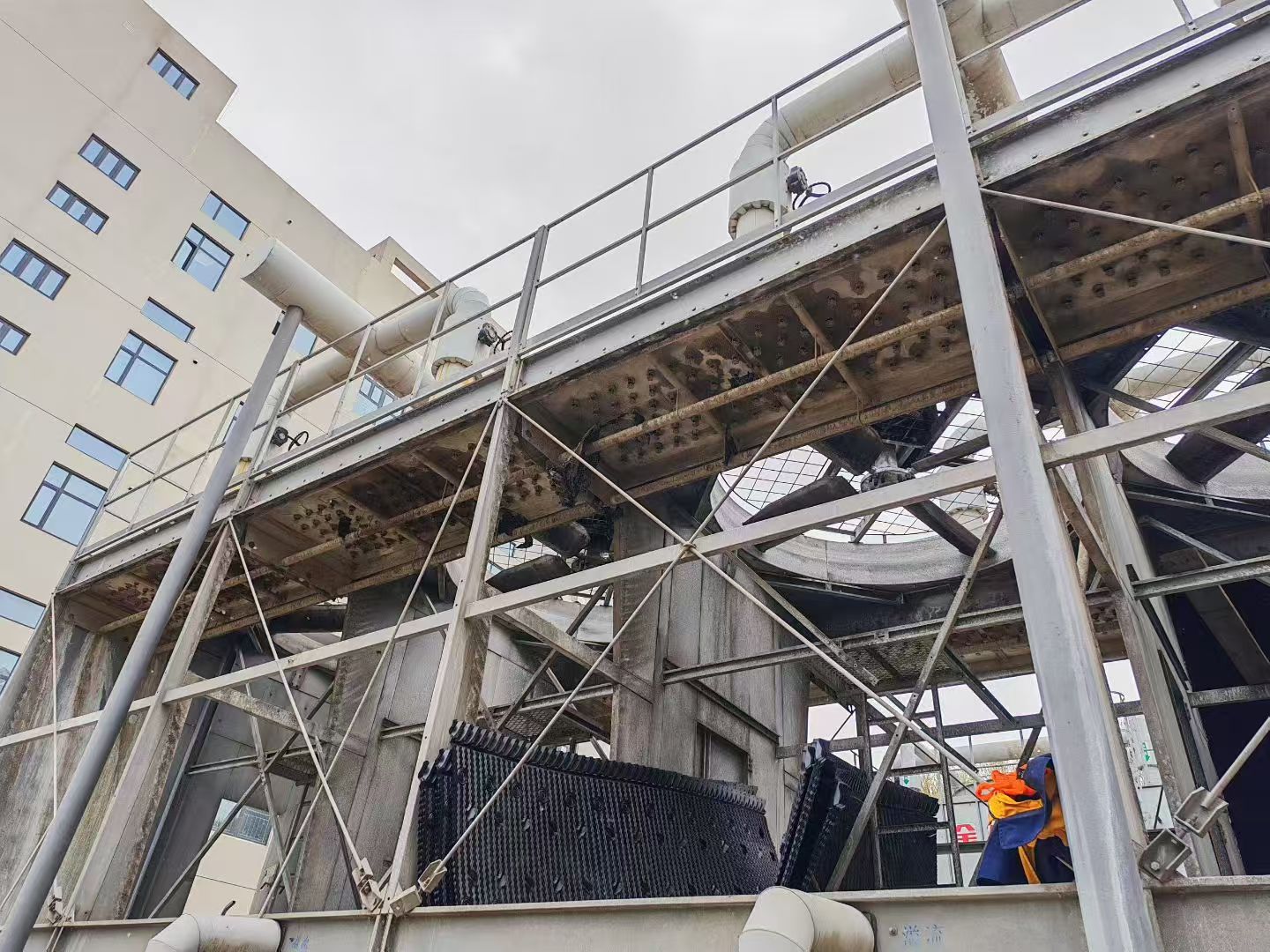
Introduction: Cooling Tower Infill Manufacturer for Industrial Applications
Cooling tower infill is an essential component in industrial cooling systems because it increases the contact area between circulating water and air, improving heat transfer and evaporative cooling. From manufacturing plants and chemical processing facilities to commercial HVAC systems and power generation installations, high-quality cooling tower infill helps maintain stable cooling performance and reliable equipment operation.
Choosing the right cooling tower infill manufacturer is important for businesses that need durable products, consistent quality, customized dimensions, and dependable delivery. The manufacturer must understand different cooling tower designs, operating temperatures, water quality conditions, and installation requirements to provide suitable infill solutions.
Modern cooling tower infill products are commonly manufactured from PVC or polypropylene (PP), with different designs available for crossflow and counterflow cooling towers. Each application requires careful consideration of material properties, heat transfer requirements, airflow resistance, and maintenance needs.
This article explains the main types of cooling tower infill, their materials and applications, the manufacturing process, and the factors industrial buyers should consider when selecting a reliable cooling tower infill manufacturer.
What Is Cooling Tower Infill?
Cooling tower infill, also known as cooling tower fill or fill media, is the internal component that provides an extended surface area for contact between hot circulating water and cooling air.
As hot water enters the cooling tower, it flows over or through the infill while air passes through the fill structure. A portion of the water evaporates, removing heat from the remaining water and reducing its temperature.
How Does Cooling Tower Infill Work?
The primary function of cooling tower infill is to improve the efficiency of heat and mass transfer between water and air.
Increase Water-to-Air Contact Area
Without suitable infill, water may fall through the tower too quickly to achieve effective heat transfer. Infill spreads water across a larger surface area or breaks it into droplets, increasing contact with the moving air.
Improve Water Distribution
Properly designed infill encourages water to spread more evenly throughout the cooling tower. Uniform distribution helps reduce dry areas and supports more consistent cooling performance.
Support Evaporative Cooling
When a small portion of the circulating water evaporates, it removes latent heat from the remaining water. This process is fundamental to the operation of evaporative cooling towers.
Why Is Cooling Tower Infill Important for Industrial Cooling?
Industrial systems often operate under continuous heat loads and require stable cooling water temperatures.
High-quality infill can help support:
Effective heat transfer
Uniform water distribution
Appropriate airflow through the fill section
Stable cooling tower operation
Reduced risk of premature component failure
More predictable maintenance planning
Actual performance depends on the complete tower design, including the fan, water distribution system, drift eliminators, and operating conditions.
Types of Cooling Tower Infill Manufactured for Industrial Applications
A professional cooling tower infill manufacturer should understand the different fill configurations required for various tower designs and operating environments.
Film Cooling Tower Infill
Film infill uses closely spaced sheets to create thin films of water over an extended surface. This design provides a large contact area between water and air.
Advantages of Film Infill
High heat transfer potential
Efficient use of available tower volume
Lightweight modular construction
Availability in different sheet geometries
Suitability for many HVAC and industrial applications
Film fill is commonly used where water quality is adequately controlled and suspended solids do not create excessive blockage.
Typical Applications
Film infill is widely considered for commercial HVAC systems, industrial process cooling, refrigeration installations, and manufacturing facilities with suitable circulating water conditions.
Splash Cooling Tower Infill
Splash infill breaks falling water into smaller droplets as it strikes a series of bars, grids, or specially shaped surfaces.
Advantages of Splash Infill
Water breakup across multiple levels
Potentially greater tolerance of certain suspended-solids conditions
Modular configurations for different tower designs
Application flexibility in selected industrial environments
The actual fouling resistance depends on the grid spacing, geometry, water quality, and maintenance practices.
When Should Buyers Consider Splash Infill?
Splash fill may be worth evaluating when the circulating water contains solids that could obstruct narrow film-fill passages. A technical assessment is still necessary because splash fill does not eliminate scaling, biological growth, or sediment accumulation.
Crossflow Cooling Tower Infill
In a crossflow cooling tower, air generally moves horizontally across the falling water. The infill must accommodate the tower's airflow direction and water distribution arrangement.
Crossflow Infill Design Considerations
A manufacturer should consider the required pack dimensions, water loading, airflow resistance, support structure, and access for maintenance.
Correctly selected crossflow infill can help maintain consistent water distribution and efficient use of the tower's available volume.
Counterflow Cooling Tower Infill
In a counterflow cooling tower, air generally travels upward while water flows downward through the fill section.
Counterflow Infill Design Requirements
Counterflow infill must be compatible with the tower's internal arrangement, spray system, airflow characteristics, and operating temperature.
Manufacturers should verify the geometry and installation requirements before recommending replacement products for an existing counterflow tower.
Cooling Tower Infill Materials: PVC vs. PP
Material selection is a major consideration when purchasing cooling tower infill for industrial use. PVC and polypropylene are common choices, but their suitability depends on operating temperature, water chemistry, mechanical requirements, and product design.
PVC Cooling Tower Infill
Polyvinyl chloride (PVC) is widely used for cooling tower film fill because it can be thermoformed into different sheet geometries and manufactured into lightweight fill packs.
Key Advantages of PVC Infill
Cost-effective manufacturing
Good formability for complex sheet patterns
Lightweight construction
Availability in a variety of pack configurations
Suitability for many conventional cooling tower applications
PVC fill is commonly used in HVAC systems, commercial buildings, and industrial cooling towers operating within the specified temperature limits of the material.
What Should Buyers Check Before Ordering PVC Infill?
Ask the manufacturer to confirm the material grade, sheet thickness, maximum continuous operating temperature, chemical compatibility, dimensional tolerances, and relevant fire-performance properties where required.
Not all PVC fill products have identical performance characteristics.PP Cooling Tower Infill
Polypropylene (PP) is another material used for cooling tower fill. It may be appropriate for applications requiring specific temperature or chemical-resistance characteristics.
Benefits of PP Infill
Low material weight
Good chemical resistance in suitable environments
Availability in selected industrial fill designs
Potential suitability for applications where PVC is not the preferred material
H4: Is PP Infill Suitable for High-Temperature Cooling Towers?
PP may be suitable for certain higher-temperature applications, depending on the polymer grade, design, and operating conditions. However, it should not automatically be treated as a high-temperature solution.
Buyers should obtain the manufacturer's documented operating limits and confirm compatibility with the actual water temperature and process chemistry.
H3: How to Choose Between PVC and PP Cooling Tower Infill
The best material depends on the application rather than price alone.
Consider the following factors:
Normal and maximum operating water temperature
Chemical composition of circulating water
Expected exposure to cleaning chemicals
Mechanical strength and dimensional stability
Required service life
Fill geometry and tower configuration
Initial purchase cost and maintenance requirements
A qualified cooling tower infill manufacturer should explain the advantages and limitations of each proposed material.
How Does a Cooling Tower Infill Manufacturer Ensure Product Quality?
Manufacturing quality affects fill geometry, installation compatibility, mechanical stability, and long-term performance. Industrial buyers should evaluate the manufacturer's production processes and quality-control procedures before placing an order.
Material Selection and Incoming Inspection
Quality control begins with the raw material used to manufacture the fill sheets.
Verify Material Specifications
A manufacturer should define the material grade and relevant properties according to the intended application. Incoming inspections may include checks on material identification, thickness, appearance, and supplier documentation.
For projects with specific temperature or fire-performance requirements, buyers should request the applicable supporting documentation.
Thermoforming and Sheet Processing
Many PVC and PP fill products are manufactured by heating plastic sheets and forming them into corrugated or otherwise structured surfaces.
Why Forming Quality Matters
Consistent forming helps maintain the intended channel geometry and contact area. Poorly controlled processing can lead to deformation, inconsistent dimensions, or weak areas that affect installation and service performance.
Bonding and Fill Pack Assembly
Individual sheets may be bonded or assembled into modular packs according to the product design.
Important Assembly Checks
Manufacturers should inspect pack dimensions, alignment, bonding quality where applicable, surface condition, and structural consistency.
For replacement projects, the final pack dimensions must match the available installation space and support arrangement.
Dimensional Inspection and Final Quality Control
Before shipment, finished infill should be checked against the agreed specifications.
Recommended Inspection Items
Pack length, width, and height
Sheet thickness where specified
Formed channel geometry
Assembly consistency
Visible cracks or deformation
Packaging condition
Product identification and quantity
Where necessary, request inspection records, drawings, and representative product samples.
Manufacturing Documentation and Traceability
For industrial procurement, reliable documentation can make product approval and future replacement easier.
Ask whether the manufacturer can provide technical datasheets, product drawings, material specifications, inspection records, and traceability information appropriate to the project.
Custom Cooling Tower Infill Solutions for Industrial Projects
Standard fill products may not fit every cooling tower. Older equipment, customized tower structures, and specialized operating conditions may require a tailor-made solution.
Custom Dimensions and Fill Pack Configurations
A manufacturer may be able to produce fill packs to specified lengths, widths, heights, or installation layouts, subject to its manufacturing capabilities.
Information Required for Custom Manufacturing
Provide the following details:
Cooling tower brand and model
Crossflow or counterflow configuration
Existing fill dimensions
Required material and sheet specifications
Available support structure
Water temperature and operating conditions
Required quantity
Drawings or photographs of the existing fill
Accurate measurements help reduce the risk of ordering packs that require extensive modification during installation.
Replacement Infill for Existing Cooling Towers
Replacement projects often involve towers that have been operating for many years. Original drawings may be unavailable, or the original product may no longer be supplied.
How Manufacturers Can Support Replacement Projects
The manufacturer can review available dimensions, inspect samples where feasible, and assess whether a compatible product can be produced.
However, dimensional similarity alone does not guarantee equivalent thermal performance. Fill geometry, airflow resistance, water loading, and the distribution system must also be considered.
Infill for Specialized Operating Conditions
Some applications require additional attention to temperature, water chemistry, fouling, or mechanical loads.
High-Temperature Applications
Buyers should specify both normal and maximum operating temperatures. The manufacturer must confirm the suitability of the selected material under continuous operating conditions rather than relying only on short-term temperature tolerance.
Fouling-Prone Water Systems
Where water contains suspended solids, scaling minerals, or biological contaminants, the fill geometry and water treatment strategy should be evaluated together.
A suitable design can reduce some blockage risks, but no fill type is completely resistant to fouling.
Industrial Applications of Cooling Tower Infill
Cooling tower infill is used in a broad range of industries where heat must be removed from water or process systems.
Manufacturing and Machinery Cooling
Manufacturing plants use cooling towers to remove heat from production equipment, hydraulic systems, compressors, and process water circuits.
Properly selected infill helps maintain the tower's ability to reject heat under the required operating conditions.
Chemical and Petrochemical Processing
Chemical plants often require continuous heat rejection to support process stability.
Key Selection Factors
Material compatibility, operating temperature, water quality, and maintenance access are particularly important. The infill should be selected according to the actual process conditions and the cooling tower's design requirements.
Power Generation
Power plants and related thermal facilities may use large cooling systems that require careful engineering and maintenance.
Requirements for Large Cooling Towers
Fill replacement projects may involve substantial quantities of media, restricted shutdown windows, and detailed installation planning.
Manufacturers should provide accurate packing dimensions, quantity calculations, product specifications, and a realistic production schedule.
Commercial HVAC Systems
Office buildings, hotels, hospitals, shopping centers, and other large facilities may use cooling towers as part of central air conditioning systems.
Benefits of Suitable Infill
Appropriate infill can help maintain effective heat rejection and stable cooling water temperatures when the tower is properly designed, operated, and maintained.
Food and Beverage Processing
Food and beverage plants may use cooling towers for refrigeration and process cooling.
Water management and hygiene practices should be considered during maintenance, and all fill materials must be appropriate for the intended cooling system.
Cooling Tower Infill Replacement and Maintenance
Even high-quality infill requires inspection and maintenance. Service life depends on material quality, water treatment, operating temperature, fouling, and mechanical conditions.
Signs That Cooling Tower Infill Needs Replacement
Common warning signs include:
Cracked, brittle, sagging, or deformed sheets
Persistent scaling or biological growth
Blocked water passages
Uneven water distribution
Declining cooling performance
Repeated cleaning with limited improvement
Damaged fill supports or unstable packs
Should All Fill Be Replaced at Once?
Not necessarily. The decision depends on the extent of deterioration, the consistency of the remaining fill, and the consequences of mixing old and new media.
For extensive damage or widespread deformation, a complete replacement may provide a more consistent result. Localized replacement may be reasonable when damage is limited and the replacement design is compatible.
A qualified technician should inspect the tower before determining the replacement scope.
Establish a Preventive Maintenance Schedule
Regular inspections can help identify problems before they affect cooling performance.
Recommended Maintenance Activities
Inspect fill for blockage and deformation.
Check spray nozzles and water distribution.
Monitor water quality and treatment performance.
Inspect drift eliminators and fill supports.
Record relevant cooling tower operating data.
Clean the system using suitable procedures.
Maintenance frequency should reflect operating conditions, manufacturer recommendations, and applicable site requirements.
How to Select a Reliable Cooling Tower Infill Manufacturer
Choosing the right manufacturer is essential for obtaining products that meet technical requirements and arrive on schedule.
Evaluate Manufacturing Experience
Look for a supplier with experience in the required fill material, geometry, and industrial application.
Questions to Ask Potential Manufacturers
What types of cooling tower infill do you manufacture?
Can you supply PVC and PP options?
Do you support crossflow and counterflow configurations?
Can you manufacture custom dimensions?
What quality checks are performed before shipment?
Can you provide technical drawings and product datasheets?
Have you supplied similar industrial projects?
The answers should be supported by relevant documentation rather than general marketing statements.
Compare Product Quality and Price
The lowest quotation may not represent the best overall value.
What Should a Comparable Quotation Include?
A clear quotation should identify material, dimensions, quantity, unit price, total price, packaging, delivery terms, lead time, and warranty conditions.
When comparing suppliers, ensure that the quoted products have equivalent specifications.
Confirm Delivery Capacity
Large replacement projects may require substantial quantities of infill within a limited maintenance window.
Check Packaging and Shipment Arrangements
Ask about packing methods, package dimensions, loading plans, shipping schedules, and transport protection. For international orders, confirm who handles freight, customs clearance, and other delivery-related responsibilities.
Assess Technical Communication
A dependable manufacturer should respond clearly to questions about material selection, dimensions, installation requirements, and operating limits.
Good technical communication helps buyers identify compatibility issues before production and reduce the risk of costly modifications on site.
How to Request a Cooling Tower Infill Quotation
A detailed request for quotation (RFQ) allows manufacturers to evaluate the application and provide more accurate pricing.
Essential Technical Information
Include the following details in your inquiry:
Cooling tower manufacturer and model
Tower type and airflow arrangement
Existing infill material and design
Fill pack dimensions and required quantity
Operating water temperature
Water quality and known fouling problems
Project location and delivery destination
Required delivery date
Installation or technical support requirements
Documents to Request
Ask for a technical datasheet, dimensional drawing, material specifications, quotation, delivery schedule, packaging details, and relevant quality documentation.
For customized products, request written confirmation that the proposed design matches the agreed technical requirements.
Evaluate the Total Project Cost
The total cost of cooling tower infill includes more than the purchase price.
Cost Factors to Consider
Product material and manufacturing
Customization and engineering
Packaging and transportation
Import duties and customs charges, where applicable
Removal and disposal of old infill
Installation labor
Production downtime
Future cleaning and maintenance
Evaluating these factors helps procurement teams make better long-term purchasing decisions.
Why Work Directly With a Cooling Tower Infill Manufacturer?
Purchasing directly from a manufacturer can be useful for industrial projects that require customized products, large quantities, or detailed technical communication.
Access to Product Specifications
Direct communication allows buyers to clarify material grades, pack dimensions, temperature limits, and other technical details before placing an order.
Customization Opportunities
Depending on manufacturing capabilities, direct suppliers may offer customized dimensions, selected materials, or product configurations for specific cooling tower requirements.
Coordinated Production and Delivery
For large orders, communication with the manufacturing team can help buyers coordinate production schedules, inspection requirements, packaging, and shipment.
Technical Support for Replacement Projects
A manufacturer with relevant engineering experience may help assess the proposed fill configuration and identify potential compatibility concerns.
Buyers should still confirm the exact scope of technical support, as not every manufacturer provides on-site inspection or installation services.
FAQ About Cooling Tower Infill Manufacturers
What is the difference between cooling tower infill and cooling tower fill?
The terms are generally used interchangeably to describe the media inside a cooling tower that increases water-to-air contact area. Terminology may vary by manufacturer or region.
Which material is best for industrial cooling tower infill?
PVC is commonly used in conventional cooling tower applications, while PP may be suitable for selected temperature and chemical-resistance requirements. The best option depends on operating conditions and the manufacturer's specifications.
Can a cooling tower infill manufacturer provide custom sizes?
Many manufacturers can produce customized pack dimensions, depending on their tooling and production capabilities. Buyers should provide accurate measurements and confirm the required tolerances before ordering.
How long does cooling tower infill last?
There is no universal service life. Material quality, water treatment, operating temperature, fouling, and maintenance all affect durability. Regular inspection helps determine when cleaning or replacement is necessary.
Can replacement infill be installed in any cooling tower brand?
Not automatically. Replacement infill must match the tower's geometry, dimensions, support structure, water distribution, and airflow requirements. Compatibility should be confirmed before purchasing.
How can I identify a reliable cooling tower infill manufacturer?
Review manufacturing experience, technical documentation, product quality controls, customization capabilities, delivery performance, and after-sales support. Request a detailed quotation and verify that the proposed product meets the application requirements.
Is cooling tower infill suitable for high-temperature industrial applications?
Some infill products are designed for elevated operating temperatures, but suitability depends on the material grade and design. Always obtain the manufacturer's specified continuous operating temperature and confirm compatibility with the actual application.
Conclusion: Choose the Right Cooling Tower Infill Manufacturer for Your Industrial Project
Selecting a reliable cooling tower infill manufacturer is an important step in maintaining cooling efficiency, reducing avoidable maintenance problems, and ensuring compatibility with existing equipment.
Industrial buyers should evaluate the infill type, material, dimensions, operating conditions, manufacturing quality, and delivery arrangements before making a purchasing decision. PVC and PP fill products offer different advantages, and the appropriate solution depends on the requirements of the cooling tower.
Whether the project involves a new industrial cooling installation, replacement of deteriorated fill, or a customized refurbishment, working with an experienced manufacturer can simplify product selection and procurement.
For industrial applications requiring PVC cooling tower infill, PP cooling tower infill, crossflow fill, counterflow fill, or customized replacement packs, request detailed technical specifications and a project-specific quotation. Careful selection and regular maintenance help support reliable cooling tower operation over the long term.