Introduction: Why Cooling Tower Motors Matter
In large HVAC systems and industrial cooling towers, the motor is truly the heart of the operation. It’s the component that spins the fan, circulates air, and moves massive volumes of air and water every minute. In China — where factories hum around the clock, data centers run nonstop, and commercial complexes keep millions of people comfortable — choosing the right cooling tower motor isn’t just an option. It’s a strategic decision that impacts energy costs, system reliability, maintenance budgets, and even compliance with local energy policies. |
What Is a Cooling Tower Motor?
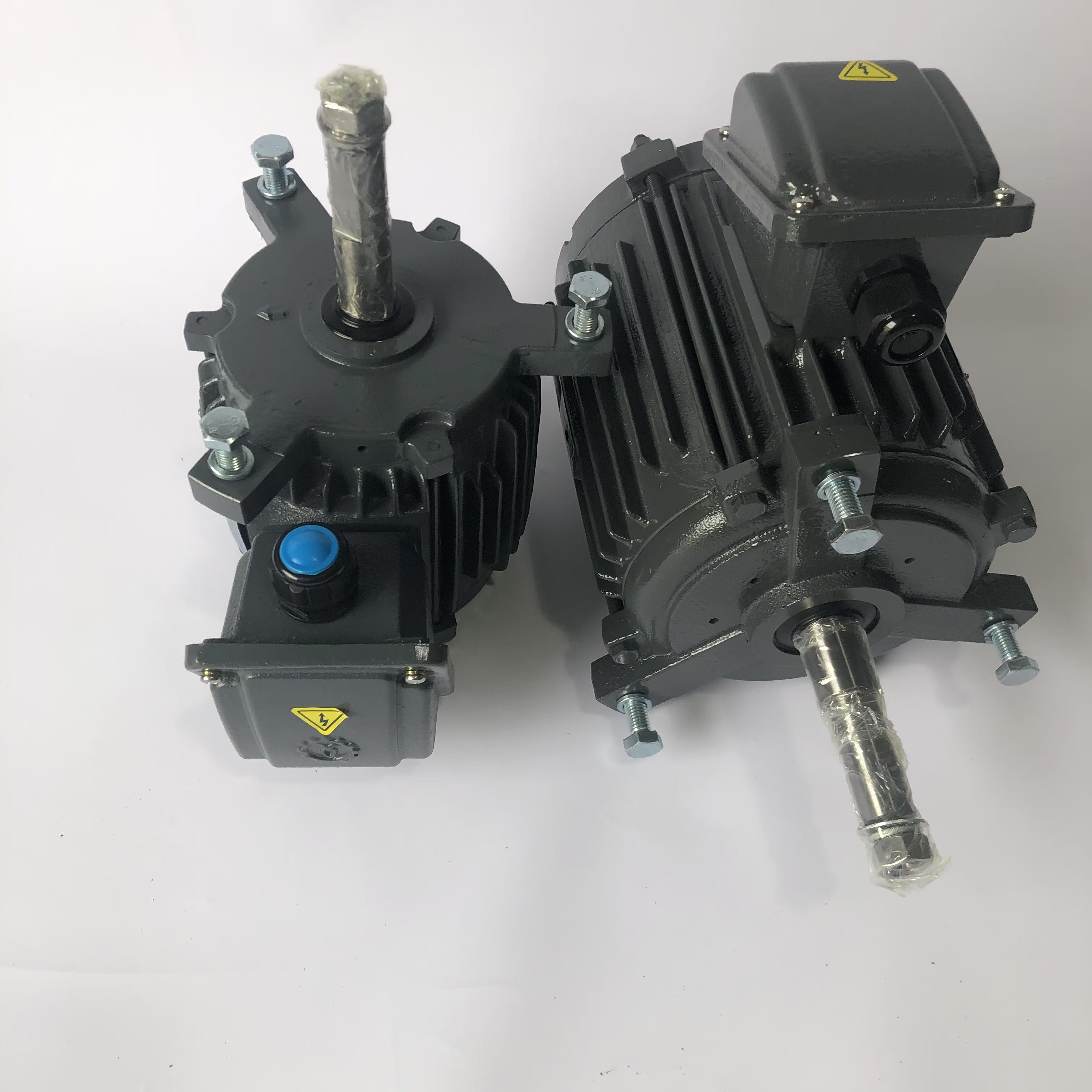
At its core, a cooling tower motor is an electric motor responsible for driving the cooling tower fan or pump. Sounds simple? It really isn’t. These motors operate in harsh environments, under high loads, and often around the clock. Understanding their purpose helps you choose the right one for your facility.
Core Function of the Motor
In a cooling tower, the motor’s primary job is to power the fan that pulls air through the fill media — the part where heat exchange happens. Without that motor doing its job consistently and efficiently, the heat rejection process slows, energy usage spikes, and your HVAC system becomes less reliable.
How It Fits in the Cooling Tower System
Think of a cooling tower as the lungs of a cooling system — the motor is what keeps them breathing. Whether it’s a crossflow tower in a manufacturing plant or a large counterflow tower atop a commercial high-rise, the motor must be matched precisely to the application.
Challenges in Cooling Tower Operations in China
China’s vast industrial landscape creates unique challenges for cooling tower motors. Here’s what decision-makers need to consider:
High Load & Continuous Demand
In industrial and commercial settings, cooling towers often run 24/7, especially in hot regions like Guangdong or Zhejiang. This continuous duty puts stress on motors and exposes weaknesses much faster than seasonal usage.
Climate and Environmental Factors
Hot summers and humid conditions mean motors must withstand high temperatures, humidity, and dust — sometimes all at once. That means choosing motors with strong sealing (high IP ratings) and robust cooling ability.
Energy Efficiency Regulations
China has been tightening its energy efficiency standards for industrial equipment, including motors. Facilities are encouraged — and sometimes required — to use premium efficiency motors to reduce energy consumption and carbon footprint.
Key Features of Reliable Cooling Tower Motors
When evaluating a motor for a cooling tower, some characteristics make all the difference between long-lasting performance and frequent breakdowns:
High Efficiency & Low Operating Costs
Efficiency isn’t just a label — it affects your electricity bill month after month. Efficient motors run cooler, use less electricity, and reduce operational costs significantly over time.
Durability in Harsh Conditions
A motor in a cooling tower environment must resist moisture, heat, dust, and potential chemical exposure. That’s why **high IP ratings** and corrosion-resistant materials are crucial.
Compatibility with VFD (Variable Frequency Drives)
Modern HVAC systems use VFDs to control motor speed and optimize performance. A motor that isn’t VFD-ready may overheat or experience premature wear.
Low Noise & Vibration Levels
In urban or commercial settings — especially near offices or residential areas — low noise is essential. A good motor minimizes vibration and sound without sacrificing performance.
Types of Motors Used in Cooling Towers
Not all motors are created equal. The type you choose depends on your facility’s needs.
TEFC (Totally Enclosed Fan Cooled) Motors
These are built to keep contaminants out — a perfect match for cooling towers exposed to moisture and airborne debris. Most modern installations use TEFC designs for their balance of protection and efficiency.
Premium Efficiency Motors (IE3 & IE4)
These motors meet higher efficiency classes under international standards. They cost a bit more upfront but offer **significant savings over the motor’s lifecycle**, especially in high-use environments.
Explosion-Proof Motors
Used in chemical plants or hazardous environments, these motors are designed to prevent sparks or heat from igniting flammable substances.
Top Cooling Tower Motor Brands for China Facilities
When reliability is non-negotiable, certain brands consistently outperform the rest — whether imported or manufactured locally.
1. Siemens
Siemens motors are a gold standard for performance, innovation, and service support. In China, they’re widely used in commercial buildings and industrial facilities where uptime is critical.
2. ABB
ABB motors are known for energy efficiency and durability. Their global support network and local presence make them popular for large cooling tower installations.
3. WEG
A global player with a strong reputation for rugged motors — WEG delivers high performance for heavy-duty applications like factories, power plants, and district cooling systems.
4. Nidec (Formerly Fuji Electric)
Nidec combines Japanese engineering with global reach. Their motors offer a solid balance of efficiency, reliability, and long service life.
5. Chinese OEM Leaders (CNP / Kaiquan / Yaskawa China)
Domestic brands have made huge strides, offering cost-effective motors tailored for China’s climate and standards. They’re especially competitive where total lifecycle cost matters most.
Detailed Comparison: Motor Specs That Matter
Choosing a motor isn’t just picking a name — it’s about matching technical specs to performance needs.
Efficiency Ratings & IE Class
Higher IE classes (IE3, IE4) mean better efficiency. Over the life of a cooling tower motor, even a small jump in efficiency can translate to **big energy savings**.
Horsepower (HP) / kW and Torque
Your motor needs enough power to handle peak cooling loads without stress. Undersized motors strain and fail early; oversized motors waste energy.
IP Rating & Protection Class
In cooling towers, water and dust are constants. Motors with IP55, IP66, or higher ratings protect against ingress and prolong service life.
Serviceability and Spare Parts Support
Motors with available spare parts and local service support mean faster repairs and less downtime — a big advantage in China’s fast-moving industrial ecosystem.
How to Choose the Right Motor for Your Cooling Tower
There’s no one-size-fits-all answer, but following a consistent decision process helps you make the right pick.
Matching Motor Size to Cooling Load
Calculate your cooling tower’s load profile and pick a motor that fits — not just in horsepower, but in efficiency and VFD compatibility.
Energy Savings vs Purchase Cost
A cheap motor may save money now, but efficient motors save **much more over time**. Always balance purchase price against long-term savings.
Assessing Maintenance Infrastructure
Do you have technicians trained to service premium motors? Consider support and training when choosing your motor brand.
Installation Best Practices for Cooling Tower Motors
Great motors can fail if installed poorly. These practices improve reliability from day one.
Alignment and Mounting
Proper alignment prevents vibration and premature wear. Misalignment is one of the top causes of early motor failure.
Electrical Wiring & Protection
Secure wiring, surge protection, and correct starters ensure the motor starts safely and operates reliably.
Balancing & Vibration Control
Balancing the fan and controlling vibration preserves bearings and prolongs motor life.
Maintenance Tips for Long-Lasting Performance
Routine maintenance keeps small problems small.
Routine Inspection Checklist
Check for unusual noise, heat, vibration, and electrical anomalies. Early detection prevents bigger failures.
Lubrication & Bearings
Bearings are the unsung heroes of any motor. Proper lubrication extends their life dramatically.
Motor Cooling & Heat Management
Motors generate heat — help them stay cool with proper ventilation and cleaning.
Common Motor Problems and How to Prevent Them
Every system has issues. Knowing them helps you avoid them.
Overheating & Overload
Overheating is a leading cause of motor failure. Use proper sizing and cooling to prevent this.
Moisture Ingress & Corrosion
Regular sealing checks and high-IP equipment stop moisture from shortening motor life.
Vibration and Bearing Failure
Address imbalance or misalignment early to keep bearings healthy.
Cost Considerations in China’s Market
Cost isn’t just price — it’s value over time.
Initial Purchase vs Lifecycle Cost
Think in terms of 5- to 10-year operating cost. Efficient motors often save more than they cost.
Energy Efficiency Incentives
China offers programs and incentives that encourage high-efficiency motor adoption — another way to reduce total cost.
Future Trends: Smart & High-Efficiency Motors
The future of cooling tower motors is bright and intelligent.
IoT Connectivity and Predictive Maintenance
Smart motors with sensors and connectivity can notify you before failure happens.
AI-Driven Energy Optimization
Next-generation systems will use AI to adjust motor performance for peak efficiency automatically.
Conclusion: Reliable Motors = Reliable Cooling Performance
In China’s fast-paced industrial environment, your cooling tower motor isn’t just a part — it’s a strategic asset. Selecting a motor with the right balance of efficiency, reliability, and service support can save money, reduce downtime, and boost performance for years. Whether you choose a global heavyweight like Siemens or a strong local brand with tailored solutions, understanding how cooling tower motors work and how to choose them positions your facility for success. |