Introduction to Spindel Cross Flow Cooling Towers
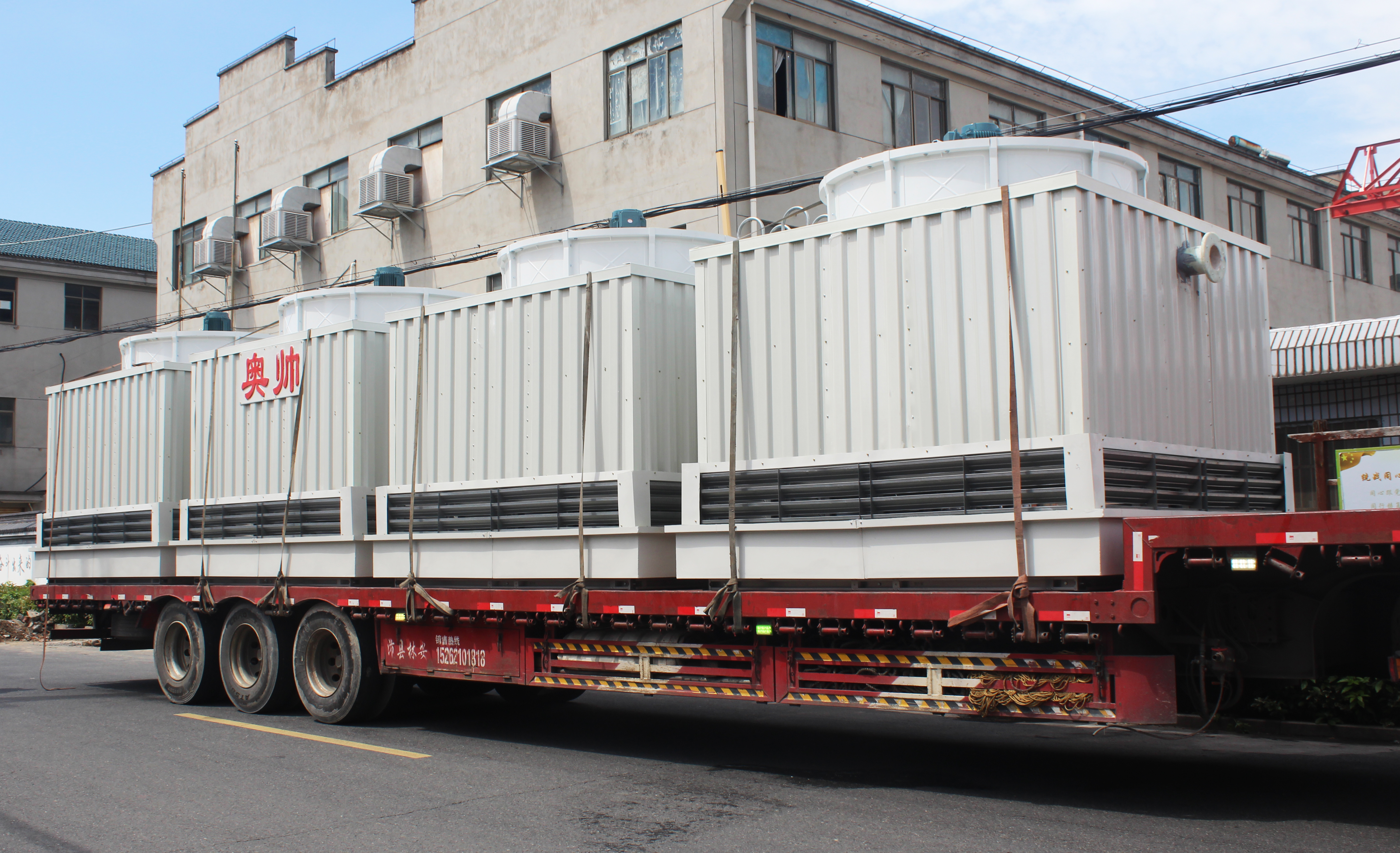
If you’re running a Spindel cross flow cooling tower, you already know it’s a workhorse. These systems are built for reliability, efficiency, and long-term industrial use. But here’s the reality—no matter how solid the design is, things *will* go wrong over time.
And when they do? You need more than guesswork. You need a clear troubleshooting strategy.
So let’s break it down together—step by step—like a technician walking the tower floor.
What Makes Spindel Towers Unique
Spindel cooling towers are known for their:
* Durable structure
* Efficient water distribution
* Low energy consumption
But their cross flow design also means they’re sensitive to airflow balance and water distribution. When one side slips, the whole system feels it.
Basic Working Principle
Picture this: hot water flows downward through fill packs, while air moves horizontally across it. Heat transfers from water to air—simple physics, right?
But if airflow weakens or water flow becomes uneven, it’s like trying to cool coffee by blowing on only one side of the cup. Not very effective.
Why Troubleshooting Is Critical
Let’s not sugarcoat it—ignoring cooling tower issues is expensive.
We’re talking about:
* Higher energy bills
* Reduced system efficiency
* Equipment damage
* Unexpected downtime
Troubleshooting isn’t just fixing problems—it’s protecting your entire operation.
Key Symptoms of Cooling Tower Problems
Before diving into root causes, you need to recognize the warning signs.
Rising Cold Water Temperature
This is the most obvious red flag. If your outlet water temperature is creeping up, your cooling tower is struggling.
Unusual Noise or Vibration
Grinding, rattling, or humming? That’s your tower asking for attention—loudly.
Water Loss and Drift
If you’re constantly adding makeup water, something’s off. Drift or leakage could be the culprit.
Common Spindel Cross Flow Cooling Tower Problems
Let’s get into the real issues you’ll likely encounter.
Poor Cooling Performance
This is the big one—and it usually has multiple causes.
Fill Media Issues
Fill is where heat exchange happens. If it’s clogged, broken, or scaled, performance drops fast.
Common problems:
* Dirt and debris buildup
* Biological fouling
* Aging or brittle fill
Think of it like clogged lungs—air can’t flow properly.
Airflow Restrictions
Without proper airflow, heat has nowhere to go.
Check for:
* Blocked louvers
* Fan inefficiency
* Air recirculation
Even a small restriction can create a big performance gap.
Fan and Drive System Failures
The fan is the heart of airflow.
Motor and Gearbox Issues
Watch for:
* Overheating motors
* Low gearbox oil
* Worn bearings
A failing gearbox is like a slipping transmission—it might run, but not well.
Uneven Water Distribution
Water should spread evenly across the fill. If it doesn’t, cooling becomes inconsistent.
Spray Nozzle Blockage
Nozzles clog easily due to:
* Sediment
* Scale
* Biological growth
Result? Dry spots and hot zones.
Drift Eliminator Failures
Drift eliminators capture water droplets before they escape.
If they fail:
* Water loss increases
* Environmental issues arise
* Efficiency drops
Scaling and Corrosion
Scaling acts like insulation. Corrosion weakens the structure.
Both are slow, silent performance killers.
Biological Fouling
Algae, bacteria, and slime thrive in warm water.
They:
* Block flow paths
* Reduce heat transfer
* Create health risks
Step-by-Step Troubleshooting Guide
Now, let’s roll up our sleeves.
Initial Visual Inspection
Start simple. Walk around the tower and look for:
* Broken components
* Uneven water flow
* Visible scaling or algae
You’d be surprised how often problems are visible.
Checking Mechanical Component
Next, inspect:
* Fan rotation direction
* Blade condition
* Motor performance
* Gearbox oil level
If it spins, moves, or vibrates—it deserves attention.
Evaluating Water Distribution System
Focus on:
* Nozzle condition
* Water pressure
* Basin cleanliness
Uniform distribution is key.
Airflow System Diagnosis
Check airflow by:
* Measuring air velocity
* Inspecting louvers
* Identifying recirculation zones
Bad airflow = bad cooling. Always.
Advanced Troubleshooting Techniques
When basic checks don’t solve it, go deeper.
Performance Testing and Benchmarking
Compare:
* Actual vs design temperature
* Flow rates
* Fan energy consumption
Numbers don’t lie—they tell you where the issue is hiding.
Identifying Hidden Inefficiencies
Look for:
* Internal clogging
* Structural deformation
* Air bypass issues
These aren’t obvious—but they matter.
Preventive Maintenance for Spindel Cooling Towers
The best fix? Prevent the problem in the first place.
Routine Inspection Checklist
Stick to a schedule:
* Daily observation
* Weekly checks
* Monthly servicing
Consistency keeps surprises away.
Water Treatment and Chemical Control
Good chemistry prevents:
* Scaling
* Corrosion
* Biological growth
Skip this, and you’ll pay later.
Seasonal Troubleshooting Tips
Seasons change—and so does tower behavior.
Summer Load Challenges
High temperatures reduce cooling efficiency.
Solutions:
* Increase airflow
* Optimize water flow
* Monitor peak loads
Winter Operation and Freeze Protection
Cold weather risks freezing.
Prevent it by:
* Using basin heaters
* Controlling fan speed
* Maintaining flow
Repair vs Replacement Decisions
Here’s the million-dollar question: fix it or replace it?
Replace when:
* Efficiency drops significantly
* Repair costs are too high
* Components are severely worn
Repair when:
* Damage is minor
* System is relatively new
Expert Tips for Long-Term Efficiency
Want your Spindel cooling tower to last?
* Keep detailed logs
* Train your team
* Use quality spare parts
* Monitor trends, not just snapshots
It’s like maintaining your car—small habits make a huge difference.
Conclusion
Troubleshooting a Spindel cross flow cooling tower isn’t just about fixing what’s broken—it’s about understanding how everything connects.
Airflow, water flow, temperature, and mechanics all work together. When one slips, the whole system feels it.
So stay proactive. Pay attention to the small signs. Because in the world of cooling towers, today’s minor issue can easily become tomorrow’s major failure.
And remember—the best troubleshooting strategy isn’t reaction. It’s prevention.


