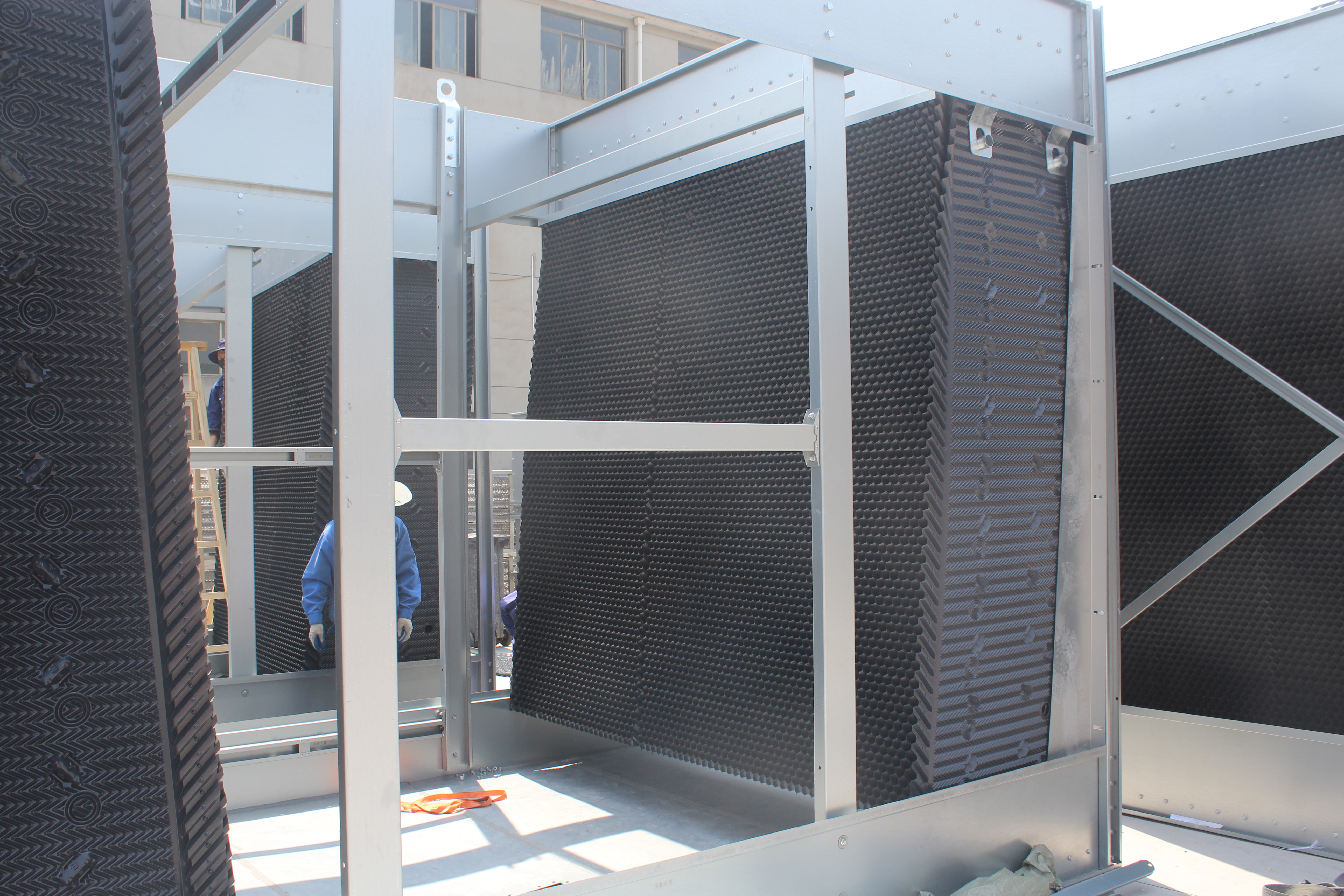
Marley MX75 Crossflow Film Fill: Performance, Applications & Replacement Guide
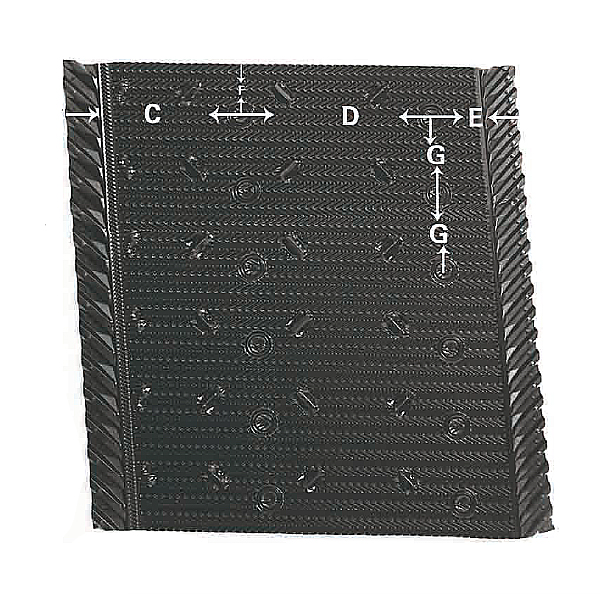
Marley MX75 Crossflow Film Fill is a high-performance cooling tower fill solution designed for crossflow cooling tower applications where efficient heat transfer, reliable water distribution, and long-term operating performance are essential. As one of the important internal components of a cooling tower, film fill increases the contact area between circulating water and airflow, helping the tower reject heat more effectively.
For cooling tower operators planning maintenance, refurbishment, or fill replacement, understanding the characteristics of Marley MX75 fill, its application, installation requirements, and replacement options is important for maintaining cooling capacity.
This guide explains what Marley MX75 crossflow film fill is, how it works, where it is used, and what buyers should consider when selecting replacement cooling tower fill.
What Is Marley MX75 Crossflow Film Fill?
The Marley MX75 Crossflow Film Fill is a film-type cooling tower fill associated with Marley crossflow cooling tower configurations. Film fill is installed inside the tower to maximize the surface area available for water-to-air heat transfer.
In a crossflow cooling tower, hot water is distributed over the fill while air moves horizontally through the fill. The water flows downward over the fill surfaces, creating a large wetted area. Heat is transferred from the water to the air, with evaporation providing a significant portion of the cooling effect.
The basic objectives of MX75-type film fill are to:
Increase water-to-air contact area
Improve heat-transfer efficiency
Support cooling tower capacity
Promote effective water distribution
Maintain efficient airflow through the fill
Reduce the required fill volume for a given cooling duty
How Does Crossflow Film Fill Work?
The operating principle is relatively simple.
Warm circulating water enters the cooling tower and is distributed through the tower's water distribution system. The water then passes over the film fill surfaces.
At the same time, ambient air enters horizontally through the tower air inlet and travels across the fill.
The specially formed surfaces of the film fill spread the water into thin layers. This creates significantly more contact area between water and air than would be available from an open falling-water surface.
As air passes across the wetted fill:
Heat transfers from the water to the air.
A small amount of water evaporates.
The remaining circulating water becomes cooler.
The cooled water collects in the basin and returns to the system.
This process allows the cooling tower to reject large quantities of heat efficiently.
Key Benefits of Marley MX75 Film Fill
The performance of a crossflow film fill depends on its geometry, material, surface characteristics, and compatibility with the tower's operating conditions.
High Heat-Transfer Surface Area
Film fill creates a large wetted surface area within a relatively compact space. This is one of its most important advantages compared with conventional splash media.
Greater effective surface area can contribute to improved cooling performance when the fill is correctly selected and properly wetted.
Efficient Crossflow Operation
MX75-type fill is designed for crossflow cooling tower configurations. The airflow and water flow directions are approximately perpendicular to one another, allowing the tower to efficiently transfer heat while maintaining an appropriate airflow path.
Compact Cooling Tower Design
High-performance film fill can provide substantial heat-transfer capability without requiring excessive fill volume. This can be valuable when maintaining or upgrading an existing cooling tower within fixed structural dimensions.
Consistent Water Distribution
Properly designed film fill helps distribute water across a large surface area. Uniform wetting is critical because dry areas of fill contribute little to heat transfer.
Suitable for Replacement Projects
For older Marley cooling towers, replacement fill can be considered during scheduled refurbishment. Replacing deteriorated or heavily fouled fill may help restore cooling performance.
However, replacement fill should always be evaluated against the specific tower model and existing fill arrangement rather than selected solely by product name.
Marley MX75 Fill Material
Cooling tower film fill is commonly manufactured from engineered thermoplastic materials such as PVC or polypropylene, depending on the product design and operating requirements.
For any Marley MX75 fill replacement, the material should be verified against the original specification or the tower's operating conditions.
Important material considerations include:
Operating water temperature
Chemical exposure
Water treatment chemicals
UV exposure
Biological fouling
Scale formation
Mechanical strength
Flame-retardant requirements
Material selection is particularly important in industrial cooling tower applications where water temperatures and chemistry can vary considerably.
Marley MX75 Crossflow Film Fill Applications
Crossflow film fill is commonly associated with large cooling systems where reliable heat rejection is required.
Potential applications include:
HVAC Cooling Systems
Large commercial and institutional HVAC installations use cooling towers to reject heat from condenser-water systems. Efficient fill helps maintain the required approach temperature and cooling capacity.
Industrial Manufacturing
Manufacturing plants may use cooling towers for process cooling. Film fill can provide efficient heat transfer when the circulating water is adequately treated and relatively clean.
Power Generation
Cooling towers used in power-related applications require reliable heat rejection and careful water management. Fill selection should consider the operating temperature, water chemistry, airflow, and cooling duty.
Chemical and Process Industries
Industrial process cooling systems can have demanding operating conditions. Before selecting a film fill replacement, chemical compatibility and temperature resistance should be carefully evaluated.
Marley MX75 Crossflow Film Fill Replacement
Over time, cooling tower fill can become damaged or degraded. Common causes include scaling, biological growth, chemical attack, excessive temperature, physical impact, and poor water treatment.
Signs that cooling tower fill may need replacement include:
Reduced cooling capacity
Increased cold-water temperature
Visible fill deformation
Cracked or broken sheets
Heavy scale deposits
Persistent biological fouling
Blocked airflow passages
Collapsed fill packs
Uneven water distribution
Replacing the fill may restore heat-transfer performance, but the root cause of fill deterioration should also be addressed.
For example, if scale repeatedly blocks the fill, simply installing new fill without improving water treatment may result in the same problem recurring.
How to Select Marley MX75 Replacement Fill
When sourcing Marley MX75 replacement fill, buyers should provide as much information as possible to the manufacturer or supplier.
Useful information includes:
Cooling tower manufacturer
Cooling tower model
Existing fill type
Fill dimensions
Fill height
Fill pack dimensions
Sheet thickness
Flute or corrugation pattern
Water temperature
Water flow rate
Airflow requirements
Water chemistry
Existing support configuration
Photographs and drawings can also help a supplier identify the correct replacement configuration.
OEM vs. Compatible Replacement Fill
Cooling tower operators generally have two approaches: purchasing original equipment manufacturer replacement components or using compatible aftermarket fill.
OEM fill may provide a direct match to the original tower design. Compatible replacement fill can sometimes provide a cost-effective alternative, provided that its dimensions, material, thermal performance, structural characteristics, and installation requirements are properly verified.
The lowest purchase price should not be the only consideration. Incorrect fill can negatively affect cooling performance, airflow resistance, water distribution, and operating costs.
Installation Considerations
Proper installation is essential for achieving the expected performance from any cooling tower film fill.
Before installation, technicians should inspect:
The fill should be installed securely and evenly according to the applicable tower design and supplier instructions.
Improperly positioned fill can create bypass airflow or poor water distribution, reducing effective heat transfer.
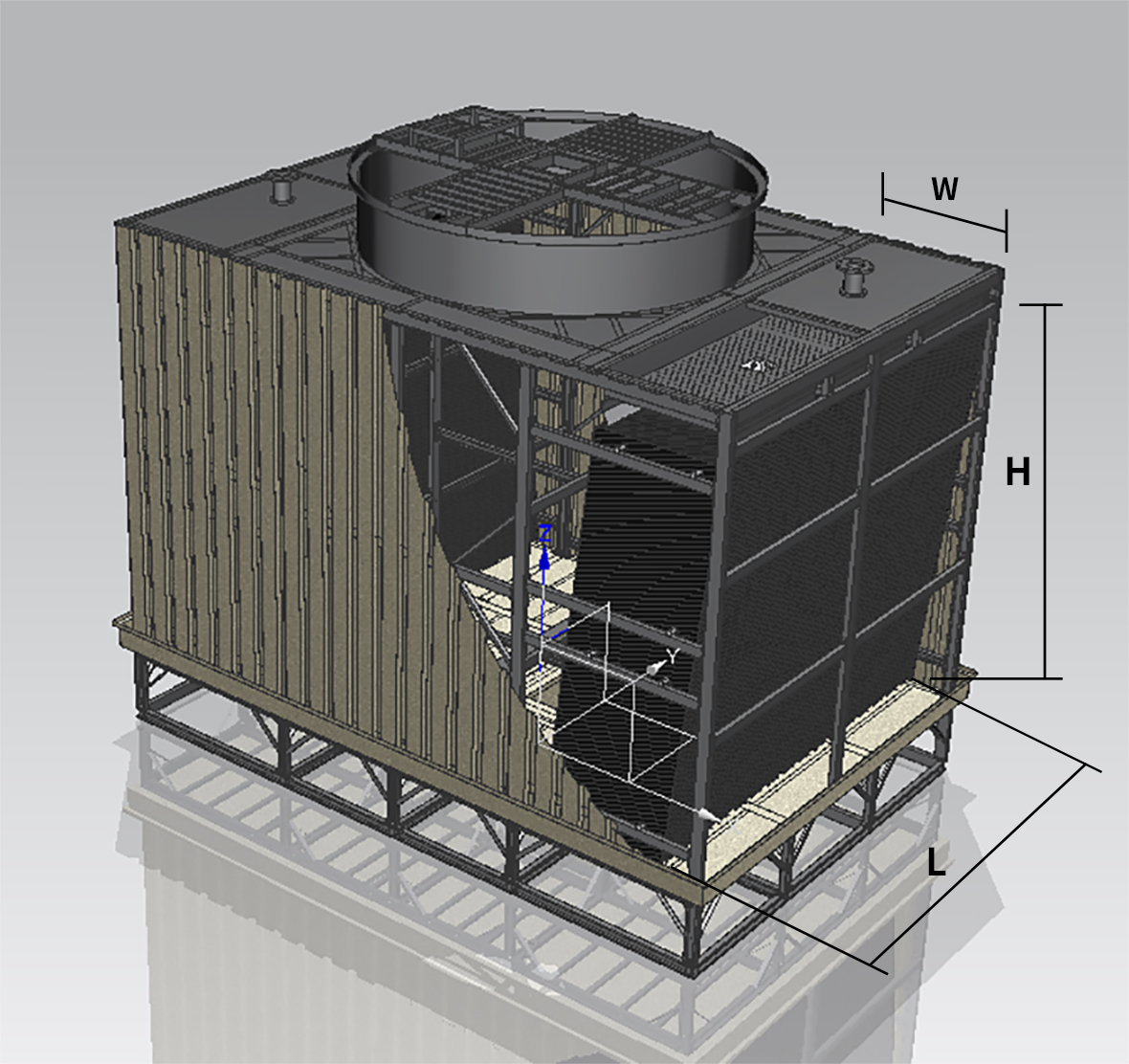
Maintenance of Crossflow Film Fill
Regular cooling tower maintenance can significantly extend fill service life.
Recommended maintenance practices include:
Monitor circulating-water quality.
Maintain an appropriate water-treatment program.
Inspect fill for scale and biological growth.
Check spray nozzles for blockage.
Inspect fill supports.
Monitor cooling-water temperatures.
Check airflow conditions.
Remove accumulated debris where appropriate.
High-pressure cleaning should be performed carefully. Excessive pressure can damage thin film-fill sheets or cause them to deform.
Frequently Asked Questions
What is Marley MX75 Crossflow Film Fill used for?
Marley MX75 Crossflow Film Fill is used as heat-transfer media in crossflow cooling tower systems. Its purpose is to increase water-to-air contact area and improve evaporative cooling performance.
Is Marley MX75 fill suitable for all cooling towers?
No. Cooling tower fill must be matched to the tower configuration, dimensions, airflow, water loading, temperature, and operating conditions. MX75 should not be assumed to be suitable for every Marley or non-Marley tower.
Can Marley MX75 fill be replaced with aftermarket fill?
In many refurbishment projects, compatible aftermarket fill can be considered. The replacement should be technically evaluated to ensure that dimensions, material, fill geometry, pressure drop, and thermal performance are appropriate for the specific tower.
How long does cooling tower film fill last?
Service life varies substantially. Water chemistry, temperature, biological growth, UV exposure, cleaning practices, and mechanical conditions all affect longevity.
How do I know when cooling tower fill needs replacement?
Visible damage, deformation, severe fouling, blocked passages, and declining cooling performance are common indicators. A professional inspection can determine whether cleaning is sufficient or full replacement is necessary.
Conclusion
Marley MX75 Crossflow Film Fill is an important heat-transfer component for crossflow cooling tower systems. By creating a large wetted surface area and promoting effective contact between water and air, film fill helps cooling towers achieve reliable heat rejection within a relatively compact space.
For maintenance and refurbishment projects, selecting the correct Marley MX75 replacement fill requires more than matching a product name. Buyers should verify tower dimensions, fill geometry, material, water temperature, flow rate, water chemistry, airflow, and installation requirements.
Whether purchasing OEM components or compatible replacement fill, the priority should be maintaining the original tower's thermal performance while ensuring reliable long-term operation. Proper water treatment, regular inspection, and timely replacement can further extend cooling tower fill life and help keep the entire cooling system operating efficiently.
Internal Links


