Marley Closed Circuit Cooling Tower Troubleshooting: Keeping Your Cool Under Pressure
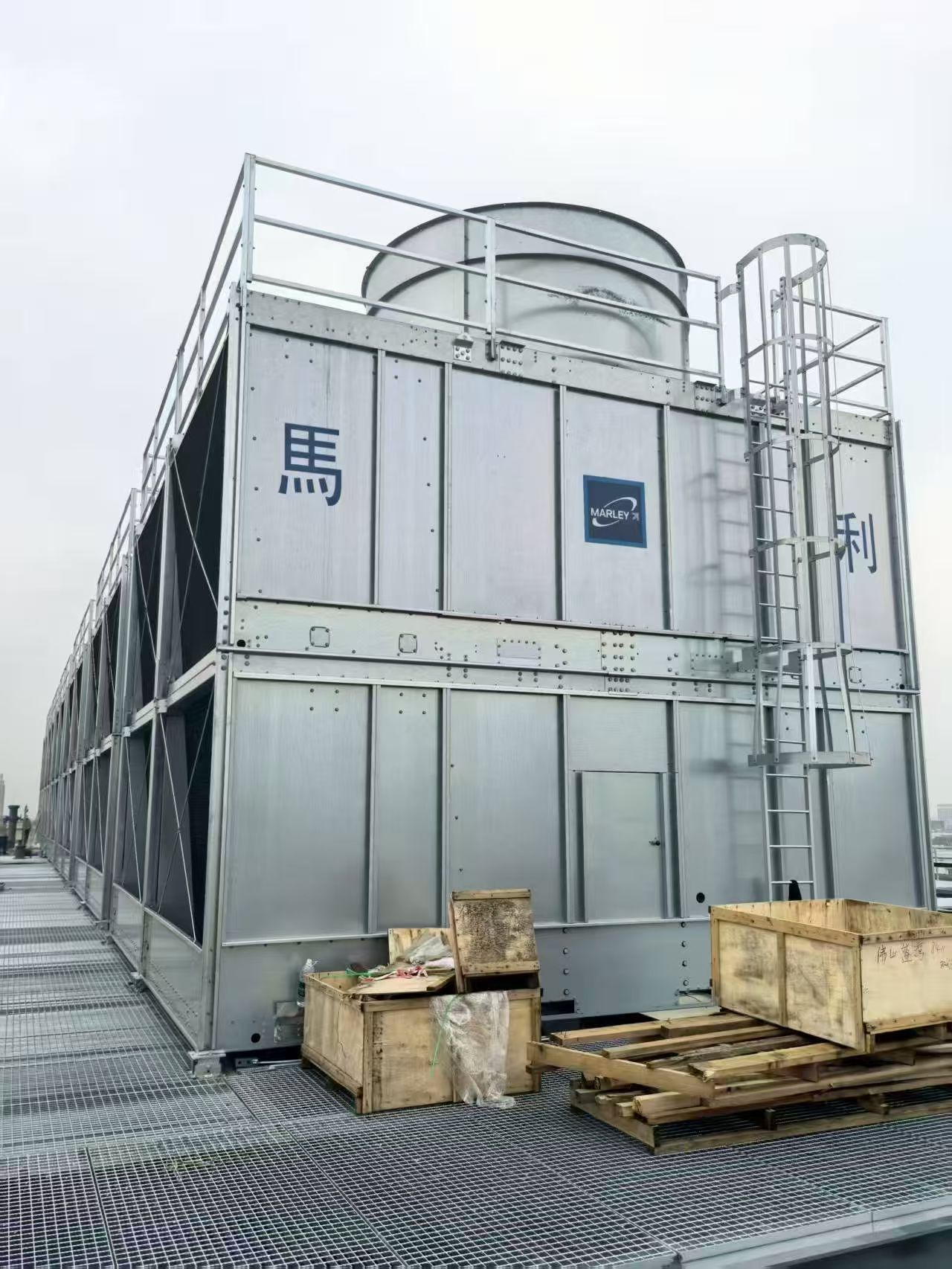
There's a certain rhythm to a well-running industrial facility. Pumps hum, conveyors roll, and somewhere, usually up on the roof or tucked behind a maintenance shed, your Marley closed circuit cooling tower is quietly doing its job. It's shedding heat from your process, protecting your sensitive fluids from the outside world, and generally being the unsung hero of your operation.
But what happens when that rhythm breaks? What happens when the temperatures start creeping up, the peaceful hum turns into a terrifying screech, or you find a puddle where no puddle should be? Panic mode? Maybe. But it doesn't have to be.
Consider this your field guide. We're going to dive deep into the world of Marley closed circuit cooling tower troubleshooting. Forget the overly complex OEM manuals for a minute. We're going to talk like humans about how to diagnose your sick tower, figure out what hurts, and get it back in the game. Think of me as your experienced colleague who's already made all the mistakes, so you don't have to.
Safety First: The Golden Rule Before Touching Anything
Before we even think about touching a wrench or sticking our head in the fan discharge, we need to have a serious talk. Cooling towers are wet, they're electric, and they involve heavy rotating equipment. That's a trifecta of danger if you're not careful .
Lock it out. Tag it out. I cannot scream this loud enough. Before you inspect that fan motor or reach into the basin, ensure the electrical disconnect is in the "off" position and padlocked. Put a tag on it so that well-meaning Suzy from accounting doesn't flip the switch while you're elbow-deep in the gearbox . Wear the right gear—gloves, safety glasses, and hard toes. The top of a Marley unit isn't a dance floor; treat it with respect .
Decoding the Problem: Where Do We Even Start?
So, something's wrong. Your first job is to be a detective. Don't just look; observe. A closed circuit cooling tower has a story to tell if you listen .
Are the outlet temperatures rising? That points to a heat transfer issue. Is there a new, rhythmic thumping sound? That's likely mechanical. Seeing a constant mist drifting from the top when it's not foggy outside? That's a drift issue. We need to isolate the symptom before we can cure the disease.
The Main Event: Poor Cooling Performance
This is the big one. Your process is heating up, and your tower just isn't cutting it anymore. Nine times out of ten, when a Marley closed circuit tower loses efficiency, it comes down to one of three things: the water, the air, or the scale.
Is the Spray Water Doing Its Job?
Remember, a closed circuit tower has two water systems. There's the "closed" loop inside the coil (the stuff you're trying to cool), and the "open" spray water cascading over the outside of that coil . If that spray water isn't doing its job perfectly, your internal temperatures will spike.
Clogged Nozzles: The Usual Suspect
Pop open the access door and look at the spray pattern. Is it a nice, even curtain of water covering the entire coil? Or does it look like a broken lawn sprinkler with dry spots and streams? Clogged nozzles are the number one culprit here . Sediment, algae, and scale love to block those tiny openings . Solution: You have to get in there and clean them. Remove each nozzle, soak it in a descaling solution, and flush it out .
The Float Valve Fiasco
Take a look in the basin. Is the water level where it should be? If the mechanical float valve is stuck shut, the basin runs dry, the pump sucks air, and the spray water stops. If it's stuck open, you're just dumping money (and treated water) down the drain . Solution: Depress the float lever manually. It should move freely. If it's stuck, clean the pivot point and check the seal.
The "Lung" of the Tower: Airflow Issues
Your Marley tower pulls air through the falling spray water to create evaporative cooling. If it can't breathe, it can't cool.
The Inlet Louvers: The Forgotten Filter
Walk around the base of the unit. Those louvers are designed to let air in while keeping water from splashing out. But over time, they become a catch-all for leaves, plastic bags, and general industrial tumbleweeds . If they're clogged, the tower is starving for air. Solution: Get a shop vac or a pressure washer (gently!) and clean those louvers thoroughly.
The Scale Situation on the Coil
Take a flashlight and look at the exterior of the coil, right underneath the spray nozzles. Does it look crusty? Like it's been dipped in the ocean and left in the sun? That's scale—calcium and mineral deposits from the spray water . This acts as insulation. You're trying to reject heat through a blanket of rock. Solution: This requires a chemical descale. You'll need to shut down, drain the basin, and circulate a descaling solution over the coil to dissolve the deposits . Prevention through proper water treatment is key here.
Mechanical Meltdowns: The Noisy, Shaky Stuff
If your tower sounds like it's trying to become an airplane, you've got mechanical problems.
Fan & Motor Frustrations
The fan and motor assembly is where most of the noise comes from. Let's troubleshoot some common scenarios.
Motor Won't Start? Don't Panic
You flip the switch and... nothing. Before you condemn the motor, check the simple stuff. Is power actually getting to the motor terminals? Check the starter and the disconnect . Have the overloads tripped? Reset them, but figure out *why* they tripped. Was it a power surge, or is the motor pulling too many amps because it's working too hard? .
Unusual Motor Noise: What's That Sound?
Hearing a hum but no rotation? The motor might be "single-phasing" because of a blown fuse or a bad connection in one of the power leads . If it sounds like angry bees, you might have bad bearings . Solution: Check all three phases for voltage. For bearing noise, you'll likely need a motor shop to replace them.
Vibration: The Shake of Doom
If the whole fan deck is shaking, you have a rotating imbalance. Start with the fan blades themselves. Is there a thick buildup of dirt on one side? Clean them off . Is one blade chipped or bent? That'll do it. Check the set screws in the blade clamps—are they tight? . Loose bolts are a common and easily fixed cause of vibration.
The Geareducer and Drive Train
If your Marley unit has a Geareducer (gear box), listen closely. A low rumbling or grinding noise points to worn bearings or gears inside the box . Solution: Check the oil level immediately. If it's low, fill it. If the noise persists, it might need a professional rebuild. Don't ignore it—a failed gearbox is a much more expensive repair than a bearing replacement.
Water Chemistry: The Silent Performance Killer
You can't troubleshoot a Marley tower without talking about the water inside it. The water in the spray loop isn't just water; it's a chemical soup. If the chemistry is off, you get scale (which we talked about) or corrosion. Corrosion eats your coil and your basin from the inside out .
Check your blowdown. Is it working? The constant discharge of a small amount of water is crucial to flush out dissolved solids that would otherwise form scale . If you're not treating the water and managing the blowdown, you're slowly killing your tower's efficiency.
Drift: Are You Losing Water to the Wind?
Is there a constant spray or mist coming off the top of the tower, even when the wind isn't blowing? That's "drift," and it's a sign of trouble. Drift eliminators are designed to catch those water droplets and return them to the system . If you're losing water to the atmosphere, your drift eliminators are either clogged, damaged, or installed incorrectly .
Solution: Shut down and inspect the eliminator packs. Are they clogged with sludge? Clean them. Are they broken or warped? Replace them. High-efficiency drift eliminators can reduce water loss to nearly zero .
A Proactive Approach: The Preventive Maintenance Schedule
The absolute best form of troubleshooting is the kind you never have to do because you caught the problem early. A regular maintenance schedule is your best tool .
Monthly Check-Ups
- Visual Inspection: Walk around. Look for leaks, unusual sounds, and the water level .
- Listen and Feel: Get accustomed to the normal sound and vibration level. If it changes, investigate immediately .
- Check Belts: If belt-driven, check tension and look for cracking or fraying .
Quarterly Deep Dives
- Clean the Basin: Drain and shovel out the sludge and sediment that has settled on the basin floor .
- Inspect & Clean Nozzles: Pull and clean a few representative nozzles to ensure they're not plugging up .
- Lubricate Bearings: If your fan shaft or motor has grease fittings, give them a shot of grease .
The Annual Shutdown To-Do List
When the cooling season ends, don't just walk away .
- Drain Everything: Especially important in freezing climates. Drain the basin, the spray piping, and the closed loop if it's not glycol-filled .
- Deep Clean: Do a full chemical clean of the coil and a manual clean of the sump .
- Structural Check: Look for rust and corrosion. Touch up the paint to protect the galvanized steel .
- Run the Motor: Even during shutdown, run the fan motor for three hours once a month to keep the windings dry and bearings lubricated .
Conclusion
Troubleshooting a Marley closed circuit cooling tower isn't about magic or luck. It's about process of elimination. Is it an air problem? A water problem? A mechanical problem? By using your senses—sight, sound, and touch—and following a logical path, you can diagnose almost any issue.
Treat your tower with respect, keep up with the preventive maintenance, and it will reward you with decades of reliable, efficient service. And when something does go wrong, you'll have the confidence to roll up your sleeves and bring the cool back to your operation.


