Introduction to Cross Flow Cooling Towers
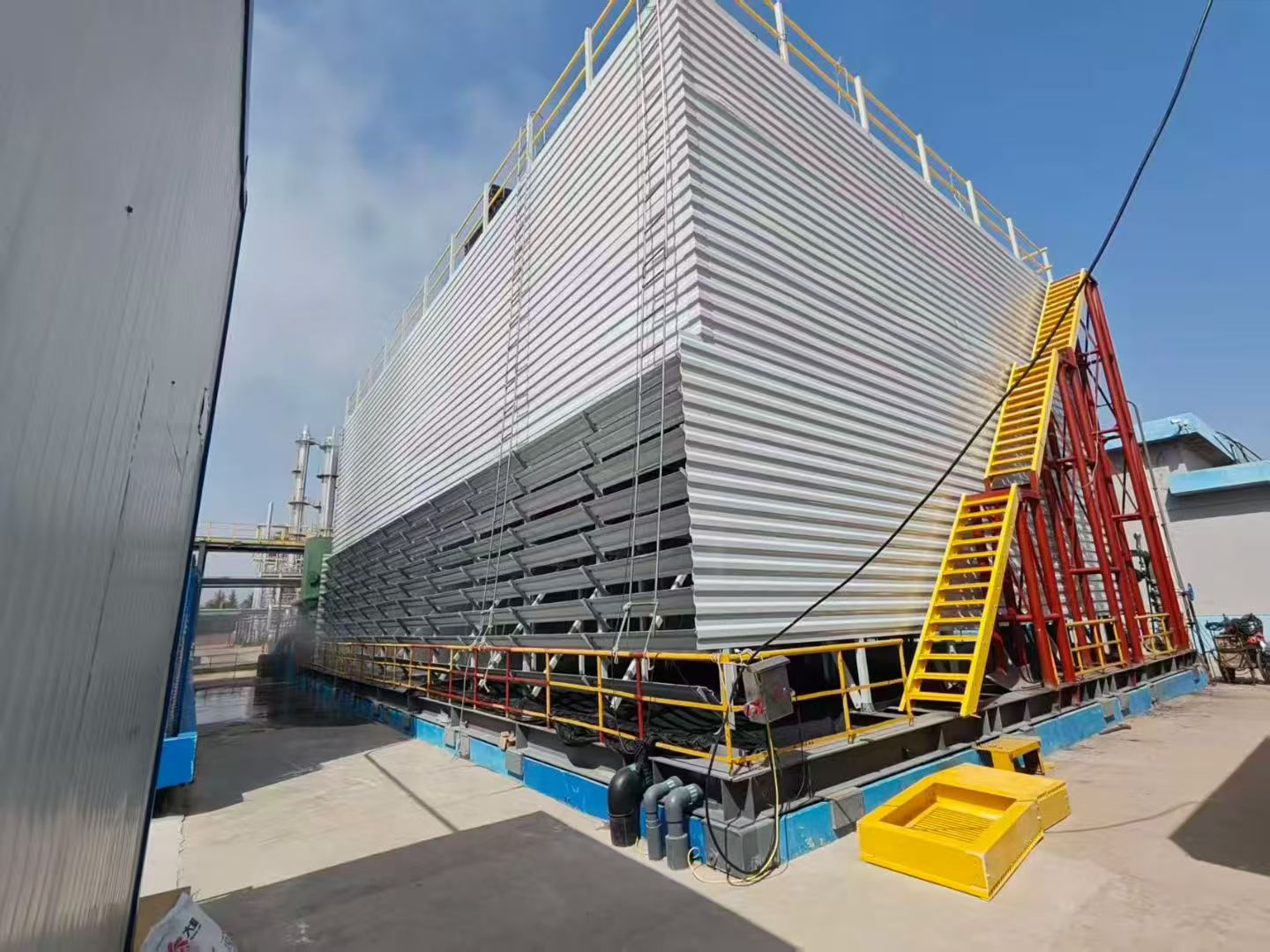
Let’s be honest—cooling towers don’t usually get attention until something goes wrong. And when they do, it’s rarely subtle. If you’re dealing with a cross flow cooling tower that’s underperforming, making noise, or losing water, you’re in the right place.
Cross flow cooling towers are widely used in HVAC, power plants, and industrial systems because of their efficiency and simple design. But like any hardworking system, they need proper care—and when issues arise, you need to troubleshoot fast.
How Cross Flow Cooling Towers Work
Think of a cross flow cooling tower like a giant outdoor radiator. Hot water flows downward through fill media, while air moves horizontally across it. This “crossing” of air and water allows heat to dissipate efficiently.
Simple, right? But here’s the catch—if any part of that balance is disrupted, performance drops quickly.
Why Troubleshooting Matters
Ignoring small issues in a cooling tower is like ignoring a small leak in a boat. It won’t sink you immediately—but give it time.
Poor troubleshooting can lead to:
* Higher energy costs
* Equipment damage
* Production downtime
* Water waste
So the goal isn’t just fixing problems—it’s catching them early.
Common Problems in Cross Flow Cooling Towers
Let’s dive into the real-world issues you’re most likely to face.
High Outlet Water Temperature
If your cooling tower isn’t cooling, that’s problem number one.
Causes of Poor Cooling Efficiency
Several things could be going wrong:
* Clogged or degraded fill media
* Insufficient airflow
* High ambient wet-bulb temperature
* Scaling or biological buildup
It’s like trying to cool yourself with a fan in a sauna—it just won’t work efficiently.
Poor Airflow Issues
Airflow is the lifeblood of your cooling tower. Without it, heat has nowhere to go.
Fan and Motor Problems
Check for:
* Incorrect fan rotation
* Damaged blades
* Motor failure
* Gearbox issues
A reversed fan, for example, can quietly destroy performance without obvious signs.
Uneven Water Distribution
Ever seen dry spots in the fill? That’s a red flag.
Nozzle and Basin Issues
Common culprits include:
* Blocked spray nozzles
* Low water pressure
* Debris in the basin
Imagine watering a garden with a clogged hose—some areas thrive, others dry out.
Excessive Drift Loss
If your tower is “leaking” water into the air, you’ve got drift issues.
Causes:
* Damaged drift eliminators
* High water loading
* Poor installation
Not only is this wasteful, but it can also create environmental and safety concerns.
Noise and Vibration Problems
A healthy cooling tower shouldn’t sound like a helicopter taking off.
Possible reasons:
* Fan imbalance
* Loose components
* Worn bearings
* Misalignment
Ignore this, and small vibrations can turn into major mechanical failures.
Biological Growth and Fouling
Warm water + sunlight = perfect conditions for algae and bacteria.
This leads to:
* Reduced heat transfer
* Health risks (like Legionella)
* Slippery, clogged components
Scaling and Corrosion
Hard water leaves deposits. Over time, these act like insulation—blocking heat transfer.
Corrosion, on the other hand, eats away at your system.
Both are slow killers.
Step-by-Step Troubleshooting Process
Now let’s get practical. Where do you start?
Visual Inspection Checklist
Start simple:
* Check for visible damage
* Look for uneven water flow
* Inspect fill condition
* Examine drift eliminators
Sometimes, the problem is right in front of you.
Mechanical System Checks
Next, focus on moving parts:
* Fan operation and direction
* Motor condition
* Gearbox oil level
* Belt tension (if applicable)
If it moves, it can fail—so check it thoroughly.
Water System Analysis
Water is half the equation.
Check:
* Flow rate
* Distribution uniformity
* Water quality
* Chemical treatment levels
Bad water = bad performance. It’s that simple.
Preventive Maintenance Tips
Want fewer problems? Stay ahead of them.
Routine Inspection Schedule
A solid schedule might include:
* Weekly visual checks
* Monthly mechanical inspections
* Quarterly deep cleaning
Consistency beats crisis management every time.
Water Treatment Best Practices
Good water treatment prevents:
* Scaling
* Corrosion
* Biological growth
Invest here, and you’ll save everywhere else.
Advanced Troubleshooting Techniques
Sometimes, basic checks aren’t enough.
Using Performance Data
Track:
* Inlet and outlet temperatures
* Wet-bulb temperature
* Fan power consumption
Compare these to design specs. Deviations tell a story.
Identifying Hidden Issues
Some problems hide beneath the surface:
* Internal clogging
* Structural wear
* Air recirculation
If performance drops but nothing looks wrong—dig deeper.
Seasonal Troubleshooting Considerations
Weather plays a bigger role than you might think.
Summer Operation Challenges
High temperatures reduce cooling efficiency naturally.
Tips:
* Increase airflow
* Optimize water distribution
* Monitor peak load performance
Winter Freezing Prevention
Cold weather brings its own headaches:
* Ice formation
* Reduced flow
* Structural stress
Solutions include:
* Basin heaters
* Variable fan speed
* Bypass systems
When to Repair vs Replace Components
Here’s the tough question: fix it or replace it?
Replace when:
* Efficiency drops significantly
* Repair costs exceed replacement
* Parts are severely worn
Repair when:
* Damage is minor
* Components are still within lifespan
Think of it like car maintenance—sometimes a tune-up works, sometimes you need a new engine.
Expert Tips for Long-Term Performance
Want your cooling tower to run like new for years?
* Keep detailed maintenance records
* Train operators properly
* Use high-quality replacement parts
* Monitor performance trends
Small habits make a big difference over time.
Conclusion
Cross flow cooling tower troubleshooting isn’t just about fixing problems—it’s about understanding how everything connects. Air, water, temperature, and mechanics all work together like a finely tuned orchestra.
When one instrument goes out of tune, the whole performance suffers.
Stay proactive, stay observant, and don’t ignore the warning signs. Because in the world of cooling towers, a small issue today can become a costly failure tomorrow.
And if you take one thing away from this guide, let it be this: **the best troubleshooting strategy is prevention.**


