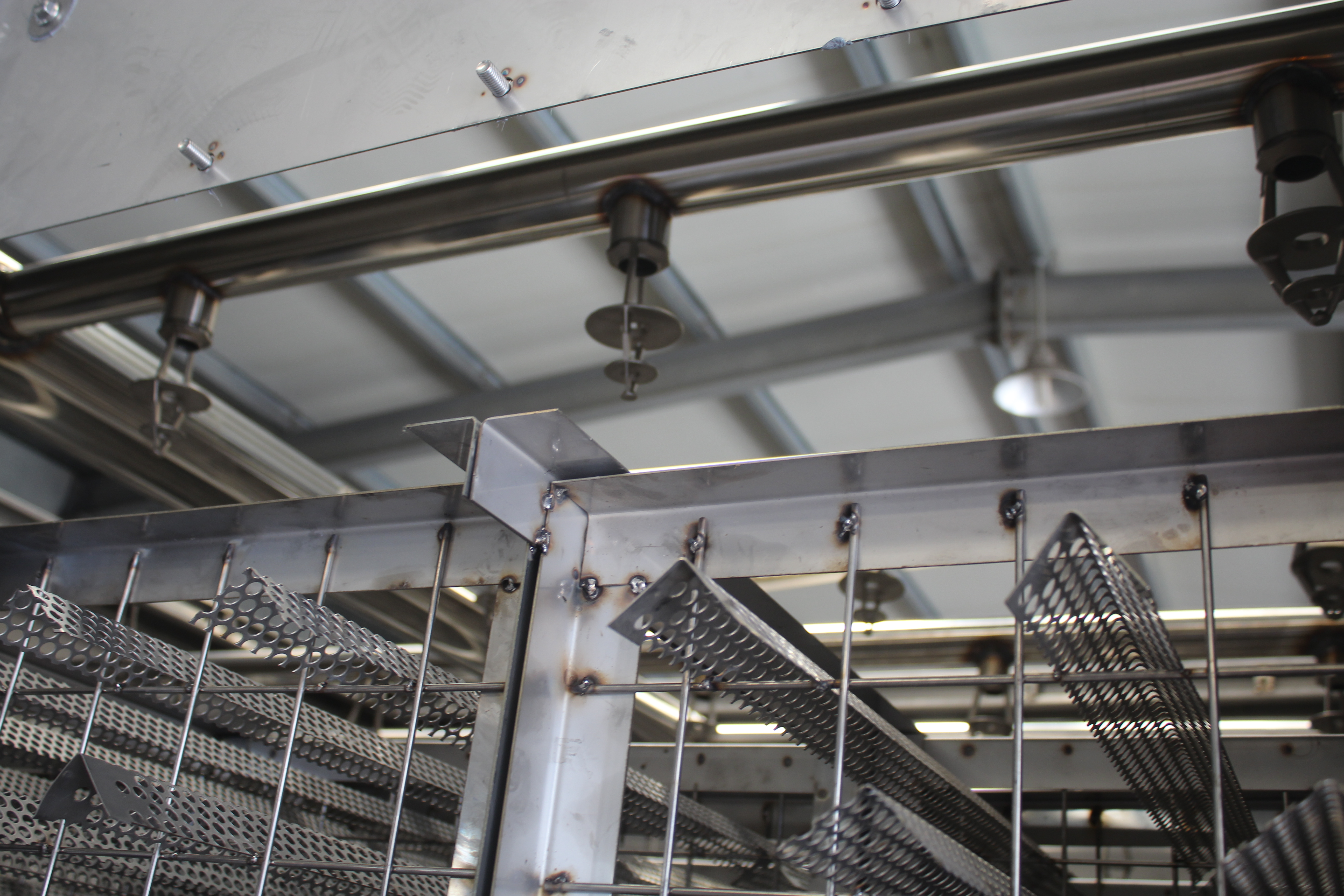
Energy efficiency isn’t just a buzzword anymore—it’s a business necessity. Whether you’re running an industrial plant, a commercial HVAC system, or a power facility, cooling towers quietly consume a huge slice of your energy budget. The good news? The right cooling tower parts for energy efficient cooling systems can dramatically cut power usage, operating costs, and environmental impact.
Think of your cooling tower like a marathon runner. Even the strongest athlete struggles with worn-out shoes or poor nutrition. In the same way, outdated or inefficient cooling tower components force your system to work harder than it should. Let’s break down the parts that matter most—and how upgrading them transforms performance.
Introduction to Energy-Efficient Cooling Towers
Cooling towers remove heat from water through evaporation and airflow. That process sounds simple, but behind the scenes, dozens of components work together. When those parts are optimized for efficiency, the entire system uses less energy while delivering better cooling.
Energy-efficient cooling towers aren’t always brand new. Many existing systems can be upgraded with modern components to achieve impressive energy savings.
Why Energy Efficiency Matters in Cooling Systems
Energy efficiency isn’t just about saving money—though that’s a big perk.
Rising Energy Costs and Sustainability Goals
Electricity costs continue to climb, and cooling towers often run 24/7. Even small efficiency gains can translate into massive annual savings. On top of that, many companies now face sustainability targets, carbon reporting requirements, and ESG goals.
Environmental Impact of Inefficient Cooling
Inefficient cooling towers waste electricity and water. That means higher emissions, more strain on utilities, and unnecessary environmental damage. Efficient parts help reduce both power and water consumption—win-win.
How Cooling Tower Parts Affect Energy Efficiency
Every cooling tower component either helps or hurts efficiency.
Relationship Between Component Performance and Power Consumption
Poor airflow, uneven water distribution, or mechanical losses force motors and fans to work harder. Efficient parts reduce resistance, optimize heat transfer, and lower the energy required to achieve the same cooling output.
High-Efficiency Cooling Tower Fan Systems
Fans are among the biggest energy consumers in a cooling tower.
Aerodynamic Fan Blades
Modern aerodynamic fan blades are designed to move more air using less power. Compared to older designs, they reduce drag, minimize turbulence, and improve airflow efficiency—like upgrading from a box fan to a jet engine.
Variable Speed Drives (VFDs)
VFDs allow fan speed to adjust based on cooling demand instead of running at full speed all the time.
How VFDs Reduce Energy Consumption
Here’s the magic: reducing fan speed by just 20% can cut energy use by nearly 50%. VFDs prevent unnecessary power consumption during low-load conditions and extend equipment life.
Energy-Efficient Cooling Tower Motors
Motors are the muscle behind the fan system.
High-Efficiency IE3 and IE4 Motors
High-efficiency motors convert more electrical energy into mechanical output. IE3 and IE4 motors reduce electrical losses, run cooler, and last longer than standard motors.
Direct Drive vs Gear Drive Systems
Direct drive systems eliminate gearboxes, reducing mechanical losses and maintenance needs. Fewer moving parts mean higher efficiency and reliability.
Advanced Fill Media for Energy Savings
Fill media is where heat transfer happens.
Film Fill vs Splash Fill
Film fill spreads water into thin layers, increasing surface area and improving heat transfer. Splash fill is more rugged but often less efficient.
Heat Transfer Efficiency and Pressure Drop
High-quality fill media balances maximum heat transfer with low air resistance. Lower pressure drop means fans don’t have to work as hard—saving energy.
Drift Eliminators and Water Conservation
Drift eliminators don’t just save water—they save energy too.
Low-Drift Designs for Energy Optimization
Modern low-drift eliminators reduce water loss while maintaining smooth airflow. Less water loss means less makeup water to cool, pump, and treat—cutting overall system energy use.
Efficient Water Distribution Systems
Uneven water flow kills efficiency.
Spray Nozzles and Flow Optimization
High-efficiency spray nozzles ensure even water distribution across the fill. That maximizes heat transfer and prevents dry spots that reduce cooling effectiveness.
Cooling Tower Louvers and Airflow Control
Louvers guide air into the tower and prevent recirculation.
Poor louver design allows hot exhaust air to re-enter the tower, forcing the system to work harder. Energy-efficient louvers improve airflow direction and maintain stable cooling performance.
Smart Monitoring and Control Components
Efficiency improves dramatically when systems think for themselves.
Sensors and Automation for Energy Management
Temperature sensors, vibration monitors, and smart controllers adjust fan speed, water flow, and operation in real time. This prevents overcooling and unnecessary energy waste.
Preventive Maintenance Parts That Improve Efficiency
Even the best components lose efficiency without maintenance.
Items like:
* High-quality bearings
* Precision couplings
* Alignment hardware
* Corrosion-resistant fasteners
…keep systems running smoothly and efficiently over time.
Retrofitting Existing Cooling Towers for Energy Efficiency
You don’t always need a new cooling tower to get big savings.
Retrofitting with:
* VFDs
* Efficient motors
* New fan blades
* Advanced fill media
…can reduce energy consumption by 20–40% without replacing the entire system.
Common Mistakes That Reduce Cooling Tower Efficiency
Avoid these efficiency killers:
* Oversized motors
* Poor airflow design
* Ignoring water quality
* Delayed maintenance
* Mixing incompatible components
Small mistakes compound into major energy losses.
Choosing the Right Energy-Efficient Cooling Tower Parts Supplier
Look for suppliers that offer:
* Proven efficiency data
* Industry certifications
* Custom engineering support
* Long-term spare part availability
Cheap parts often cost more in the long run.
Future Trends in Energy-Efficient Cooling Tower Technology
The future is smart and sustainable.
Expect:
* AI-based optimization
* Ultra-high-efficiency motors
* Hybrid cooling systems
* Advanced composite materials
* Water-energy integrated controls
Cooling towers are becoming leaner, smarter, and greener.
Conclusion
Energy efficiency starts with the right components. Investing in cooling tower parts for energy efficient cooling systems isn’t just about lowering utility bills—it’s about improving reliability, meeting sustainability goals, and future-proofing your operation.
From high-efficiency motors and fans to advanced fill media and smart controls, every upgrade adds up. Treat your cooling tower like a system, not a collection of parts, and the energy savings will follow naturally.