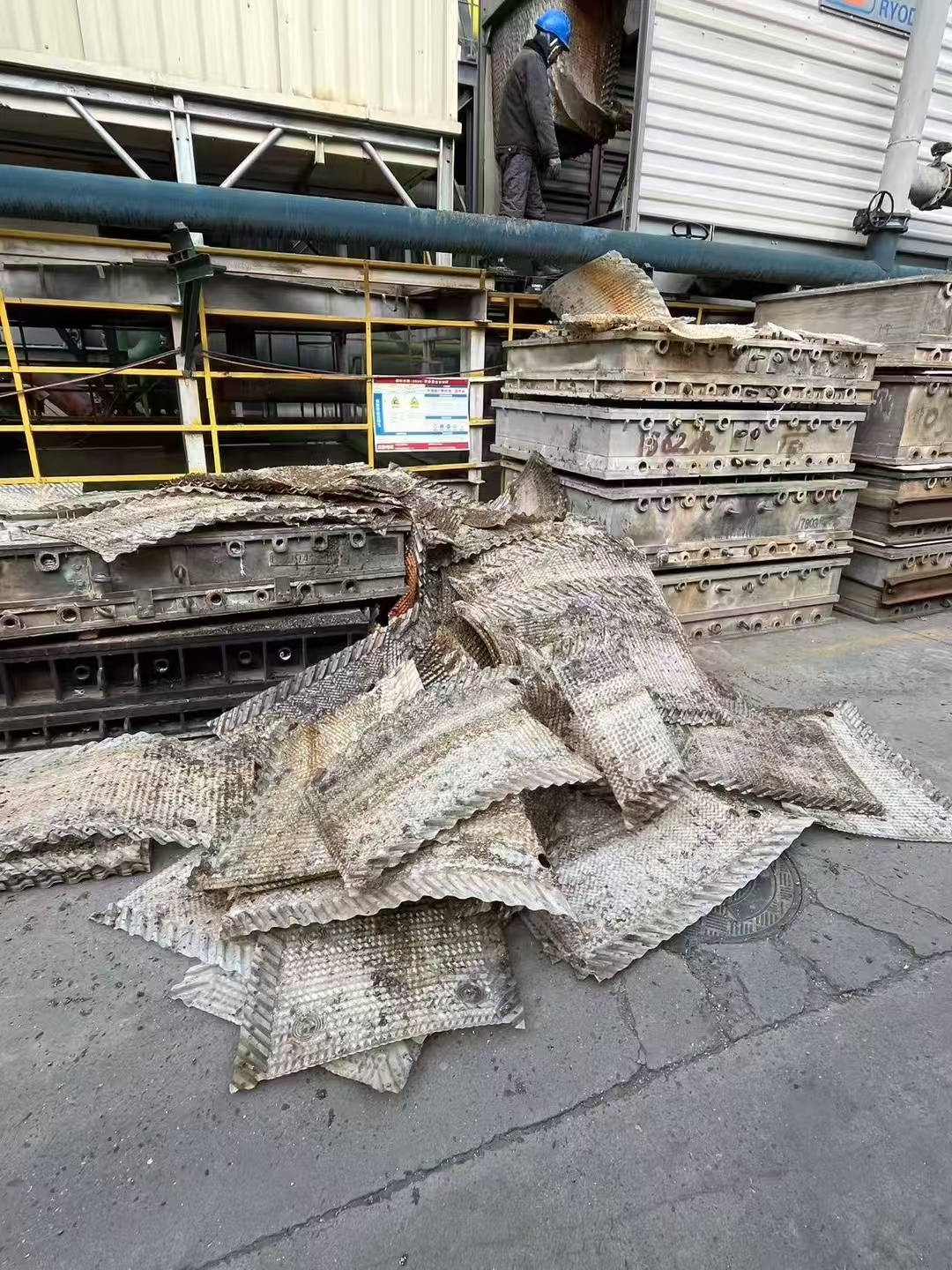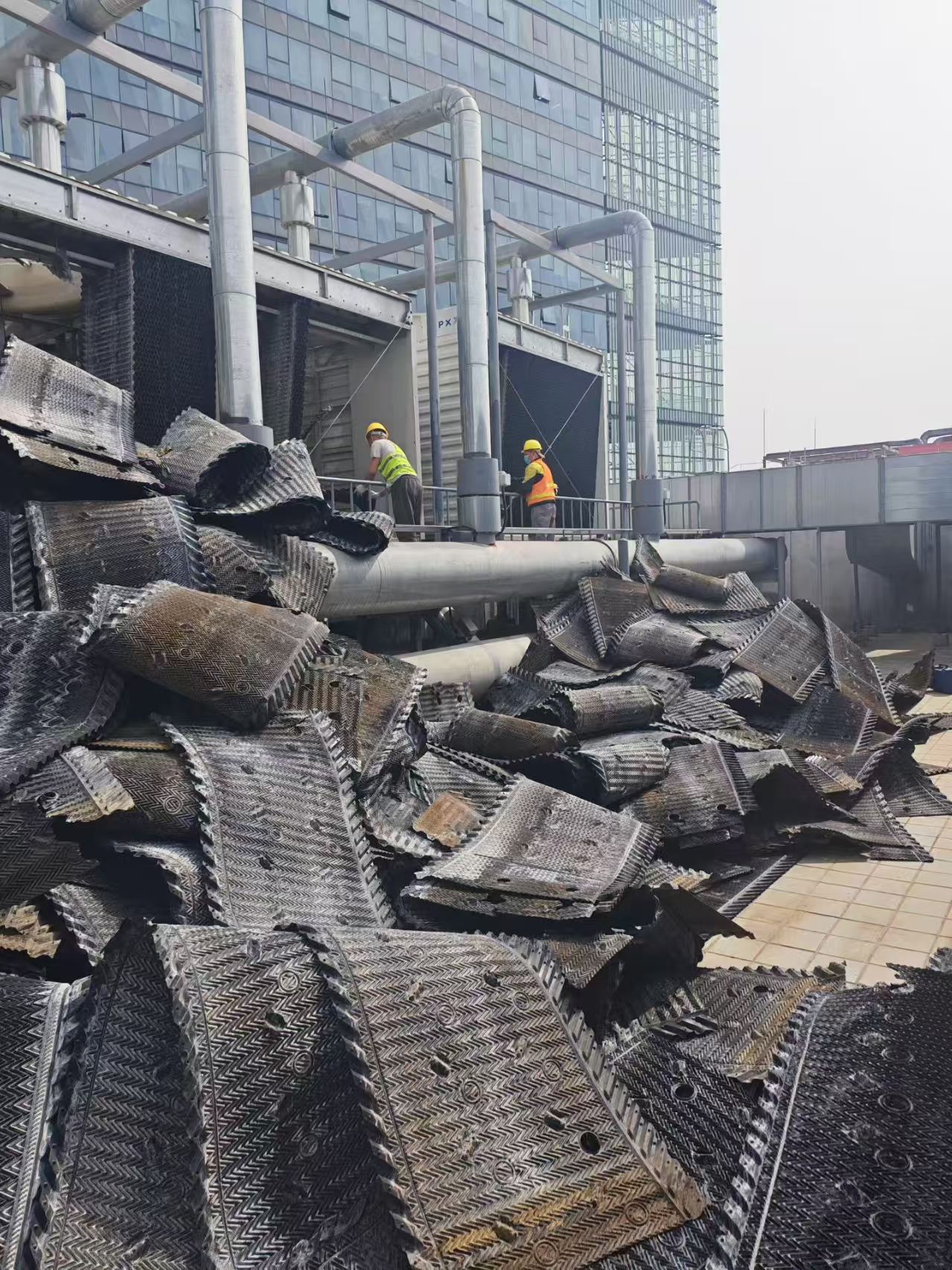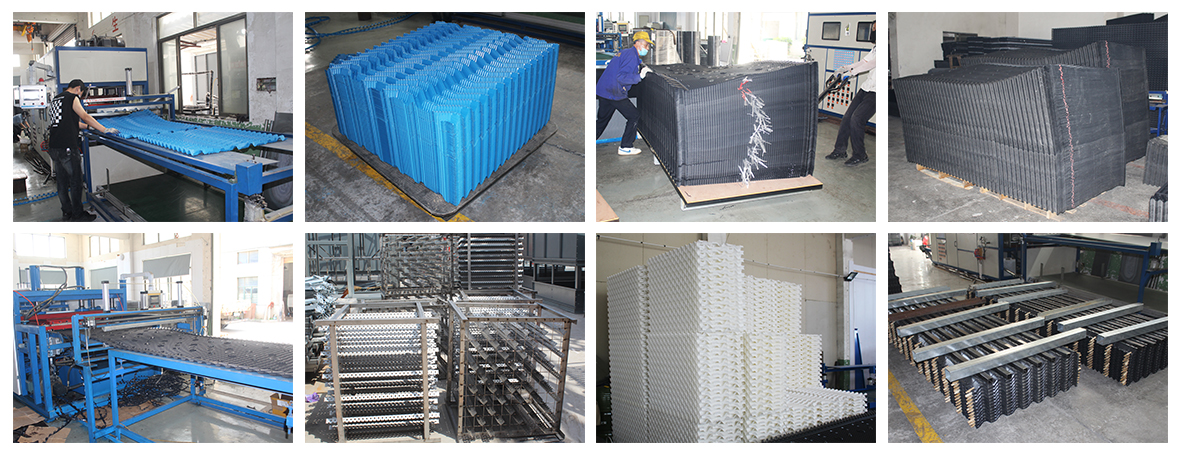
Cooling tower fill media plays a critical role in heat transfer, cooling efficiency, and overall tower performance. Over time, cooling tower fill can become clogged, deformed, brittle, or damaged by scale, biological growth, and chemical exposure. These problems reduce heat transfer efficiency, increase operating costs, and may affect the reliability of the entire cooling system.
Cooling tower fill media replacement is an effective solution when existing fill can no longer deliver the required thermal performance. Choosing the right replacement material and fill design can improve water distribution, restore cooling capacity, reduce maintenance requirements, and extend the service life of an industrial cooling tower.
This guide explains how cooling tower fill replacement affects performance and efficiency, which factors buyers should consider, and how to select suitable fill media for industrial replacement projects.
What Is Cooling Tower Fill Media?
Cooling tower fill media is installed inside a cooling tower to increase the contact area between circulating water and airflow. This contact promotes heat and mass transfer, allowing heat to move from the water into the air.
There are two main types of cooling tower fill:
Film Fill
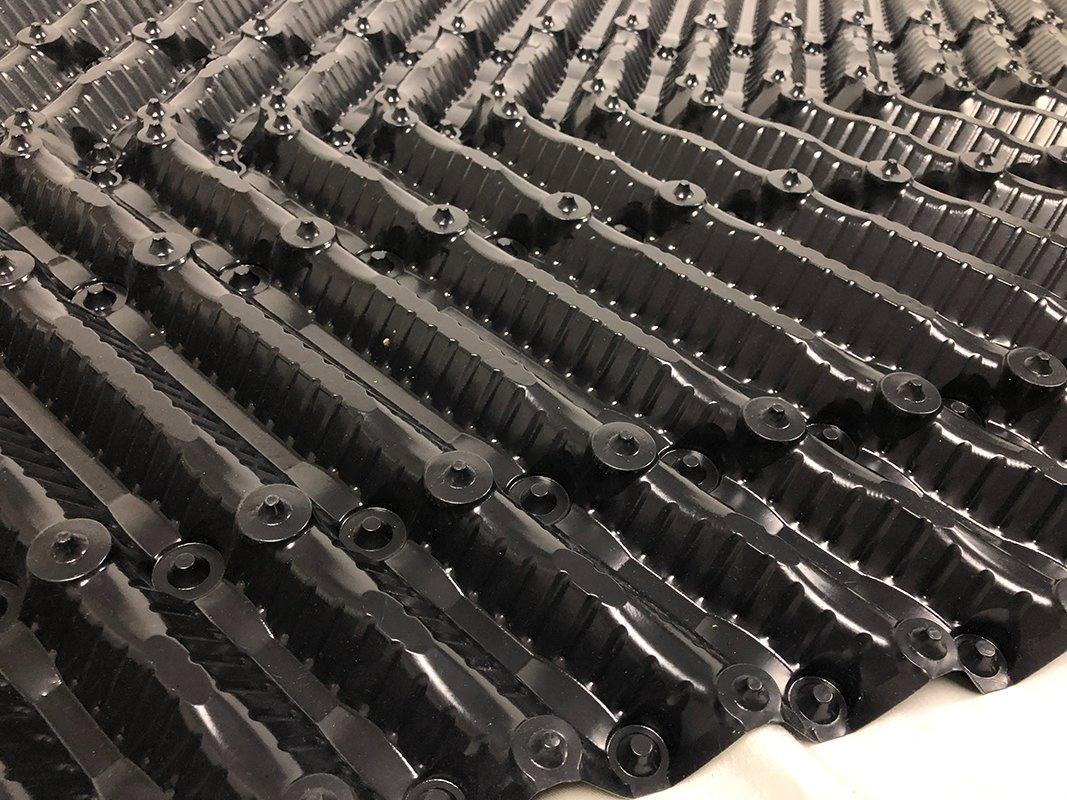
Film fill uses closely spaced sheets, typically made from PVC or polypropylene (PP), to spread water into thin films. It provides a large heat-transfer surface within a compact space.
Film fill is widely used in industrial and commercial cooling towers where high thermal performance is important.
Splash Fill
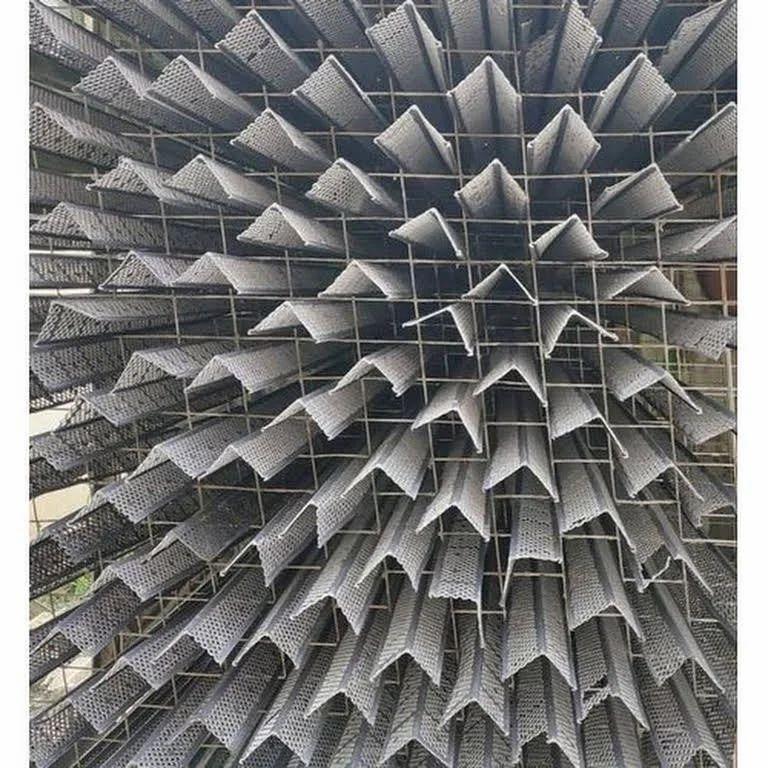
Splash fill breaks falling water into smaller droplets as it passes over grids, bars, or other splash elements. It is often suitable for applications involving suspended solids, higher fouling risks, or challenging water conditions.
The appropriate fill type depends on water quality, operating temperature, tower design, airflow, and maintenance requirements.
How Fill Media Replacement Improves Cooling Tower Performance
Worn or fouled fill media can prevent a cooling tower from achieving its original design performance. Replacing deteriorated fill helps restore the conditions required for efficient heat transfer.
Restores Heat Transfer Efficiency
Clean, properly designed fill provides sufficient surface area for water-air contact. When old fill becomes blocked by deposits or damaged by heat and chemicals, effective contact decreases.
New cooling tower fill media can restore the available heat-transfer area and help the tower achieve its required cold-water temperature.
Improves Water Distribution
Damaged or uneven fill may cause water channeling, dry areas, and uneven loading. Replacement fill installed with correct spacing and alignment helps distribute water more consistently throughout the fill pack.
Uniform water distribution improves the use of the available heat-transfer surface.
Reduces Airflow Resistance
Scale, sediment, and biological growth can obstruct airflow passages. Deformed fill can also increase air resistance and interfere with tower operation.
Replacing heavily fouled or damaged fill may reduce airflow restrictions. However, the actual improvement depends on fill geometry, eliminators, air inlets, fan performance, and other tower components.
Supports Stable Cooling Capacity
When fill performance declines, the tower may struggle to maintain its required outlet water temperature, particularly during periods of high ambient temperature or heavy process loads.
A properly selected replacement fill pack can help restore cooling capacity and improve operating stability.
Cooling Tower Fill Replacement and Energy Efficiency
Cooling tower efficiency depends on several interacting factors, including water flow, air volume, ambient wet-bulb temperature, fill condition, and the tower's thermal design.
Fill replacement can contribute to energy savings in several ways.
Lower airflow resistance: Reducing excessive pressure drop may help the fan operate more effectively.
Improved heat transfer: Better water-air contact can help the tower meet its cooling target.
Reduced maintenance: New fill may reduce recurring cleaning and repair requirements when the original problem was caused by deteriorated media.
Improved system operation: Restored cooling performance can help downstream chillers, heat exchangers, or process equipment operate under more favorable conditions.
Energy savings are not guaranteed. They depend on the original condition of the tower, replacement fill design, fan controls, and operating conditions. A thermal and airflow assessment is recommended before predicting savings.
Signs That Cooling Tower Fill Needs Replacement
Routine inspection helps identify fill deterioration before it causes serious performance problems.
Common warning signs include:
Higher cold-water temperature: The tower cannot consistently achieve its required outlet temperature.
Visible scale and sediment: Deposits accumulate on fill surfaces or block water passages.
Biological growth: Algae, slime, or other deposits restrict water flow and heat transfer.
Cracked or brittle sheets: PVC fill may become damaged through aging, chemical exposure, or excessive temperature.
Deformed fill packs: Sheets sag, collapse, or lose their designed spacing.
Uneven water distribution: Water channels through certain areas instead of wetting the fill uniformly.
Increasing maintenance costs: Frequent cleaning fails to restore acceptable performance.
Before replacing the fill, inspect the water distribution system, drift eliminators, air inlets, fan, and other relevant components. Poor cooling performance may have multiple causes.
PVC vs. PP Cooling Tower Fill: Which Is More Efficient?
Material selection affects thermal performance, durability, and maintenance requirements.
| Feature | PVC Fill | PP Fill |
| Main advantage | Economical for many standard applications | Often preferred for higher-temperature applications |
| Thermal performance | High with suitable design and operating conditions | High with suitable design and operating conditions |
| Temperature resistance | Depends on grade and manufacturer limits | Often offers a higher usable temperature range |
| Chemical resistance | Depends on water chemistry and formulation | Depends on chemical concentration and operating conditions |
| Typical applications | Commercial and industrial cooling towers | Industrial towers with more demanding temperature requirements |
PVC cooling tower fill is commonly selected for standard operating conditions because of its availability and cost-effectiveness. PP fill may be more suitable when operating temperatures or specific chemical conditions exceed the capabilities of the selected PVC grade.
Neither material is automatically more efficient. Fill geometry, flute spacing, sheet thickness, water loading, airflow, and thermal design are equally important.
How to Choose Replacement Fill for Maximum Performance
Selecting the correct replacement cooling tower fill requires more than matching the dimensions of the old material.
Check the Existing Cooling Tower Design
Identify whether the tower uses crossflow or counterflow airflow, along with the original fill arrangement, support structure, and available installation space.
Replacement fill must fit the tower and maintain appropriate water and air passages.
Evaluate Operating Conditions
Review the following information:
Circulating water flow rate
Hot-water and cold-water temperatures
Design and operating wet-bulb temperatures
Water quality and suspended solids
Chemical treatment program
Maximum operating temperature
Available fan airflow and pressure
These details help determine whether film fill, splash fill, PVC, or PP is appropriate.
Compare Thermal and Hydraulic Performance
Ask the supplier for performance data relevant to the proposed fill configuration. Important parameters include heat-transfer capability, pressure drop, water loading, and compatibility with the tower's operating conditions.
A replacement product should be evaluated as part of the complete cooling tower system rather than by surface area alone.
Confirm Dimensions and Installation Requirements
Verify fill block dimensions, sheet spacing, flute geometry, support requirements, and pack arrangement. Incorrect dimensions can create gaps, uneven airflow, or installation problems.
For replacement projects, request drawings or samples when necessary.
Installation Practices That Protect Efficiency
Correct installation is essential to achieving the expected benefits of new fill media.
Shut down and isolate the cooling tower according to site safety procedures.
Remove deteriorated fill and inspect the supporting structure.
Clean the fill area and remove accumulated scale, sediment, and debris.
Check water distribution nozzles and piping for blockage or damage.
Install the new fill according to the supplier's layout and orientation requirements.
Ensure fill packs are properly supported, aligned, and secured.
Inspect drift eliminators and other components before restarting the tower.
Verify water distribution, airflow, vibration, and operating temperatures after commissioning.
Installation should be performed by qualified personnel following site-specific safety procedures. Cooling tower hygiene and biological risk management must also be addressed throughout the work.
Maintenance After Cooling Tower Fill Replacement
Regular maintenance helps protect the performance of new fill media.
Recommended practices include:
Inspecting fill surfaces and water passages at scheduled intervals.
Monitoring cold-water temperature and approach to the ambient wet-bulb temperature.
Maintaining appropriate water treatment and controlling scale formation.
Removing debris before it restricts airflow or water distribution.
Checking nozzles, strainers, and distribution piping for blockages.
Inspecting fill supports and structural components for deterioration.
Recording operating data to identify gradual performance changes.
Cleaning methods should be compatible with the fill material. Excessive water pressure, unsuitable chemicals, or aggressive mechanical cleaning can damage thin film-fill sheets.
Cooling Tower Fill Media Replacement for Industrial Projects
For industrial cooling tower operators, selecting a qualified manufacturer or supplier is important for both thermal performance and project reliability.
A dependable supplier should be able to provide:
PVC and PP film fill, splash fill, and suitable replacement configurations.
Custom dimensions for different cooling tower models.
Technical drawings and material specifications.
Guidance on temperature limits, water quality, and installation.
Bulk production and export packaging for international projects.
Support for retrofit, refurbishment, and aftermarket replacement requirements.
For Marley, BAC, EVAPCO, SPX, and other cooling tower systems, confirm dimensional and functional compatibility before ordering. Compatibility should be established using actual tower specifications rather than brand names alone.
When requesting a quotation, provide the tower model, existing fill dimensions, material preference, operating conditions, required quantity, and destination country. This information helps the supplier recommend a suitable configuration and prepare a more accurate quotation.
Frequently Asked Questions
How often should cooling tower fill be replaced?
There is no universal replacement interval. Service life depends on water quality, operating temperature, chemical exposure, maintenance, and material quality. Replace fill when inspection and performance data show that cleaning or repair can no longer restore acceptable operation.
Does new cooling tower fill improve cooling efficiency?
It can improve performance when existing fill is damaged, blocked, or thermally inadequate. The result depends on proper material selection, installation, water distribution, and overall tower condition.
Is film fill more efficient than splash fill?
Film fill generally offers high heat-transfer performance in compact spaces. Splash fill is often better suited to applications with greater fouling potential. The best choice depends on water quality, tower design, and operating requirements.
Can replacement fill reduce electricity costs?
Potentially. Restoring heat transfer and reducing excessive airflow resistance may improve system efficiency. Actual electricity savings depend on fan operation, control settings, process conditions, and the condition of the original fill.
Can replacement fill be customized?
Yes. Manufacturers may offer different materials, sheet thicknesses, flute geometries, block dimensions, and pack configurations. Custom designs should be checked against the tower's thermal and hydraulic requirements.
Conclusion
Cooling tower fill media replacement is an important investment in cooling performance, operating reliability, and long-term maintenance. The right replacement fill can restore heat-transfer capability, improve water distribution, and reduce problems caused by deteriorated or blocked media.
For the best results, evaluate the tower's operating conditions, compare PVC and PP materials, confirm thermal and hydraulic compatibility, and follow proper installation and maintenance practices.
Looking for cooling tower fill media for an industrial replacement or retrofit project? Contact Power Tower Cooling Technology (Shaoxing) Co.,Ltd with your tower specifications, required dimensions, operating temperatures, and water quality information to identify a suitable replacement solution.
Recommended internal links for CoolingTowerPart.com: