China has become an important sourcing destination for cooling tower components, including cooling tower filler used in industrial plants, commercial HVAC systems, power facilities, and water-cooling applications. For international buyers, purchasing cooling tower filler from China can provide access to a wide range of materials, product configurations, and manufacturing capabilities.
However, choosing the right supplier involves more than comparing prices. Material compatibility, production quality, product dimensions, packaging, and export experience all influence the success of a project.
So, how do you select the right cooling tower filler, and what should you know about the Chinese manufacturing process?
In this guide, we'll explore the main cooling tower filler materials, explain how manufacturers produce fill media, discuss the advantages of sourcing from China, and outline the key questions buyers should ask before placing an order. We'll also introduce Power Tower Cooling Technology (Shaoxing) Co.,Ltd, a supplier of cooling tower parts and related products for international customers.
1. What Is Cooling Tower Filler and Why Does It Matter?
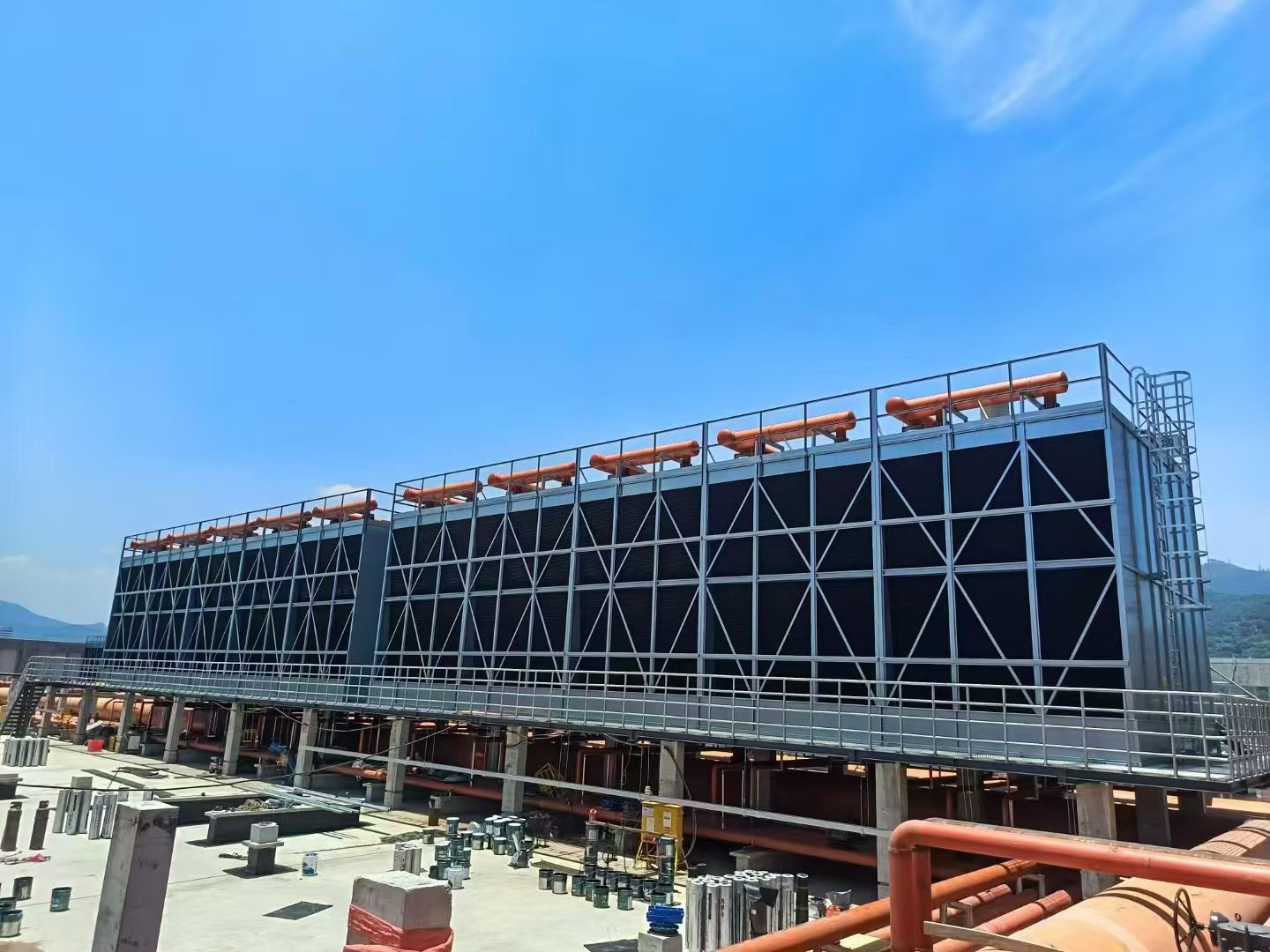
Cooling tower filler, also called cooling tower fill or packing, is an essential component that improves contact between circulating water and air. Its design directly affects heat-transfer performance, water distribution, and the operating efficiency of a cooling tower.
As warm water flows through the fill, it spreads across surfaces or breaks into droplets, allowing heat to transfer to the passing air. In evaporative cooling towers, evaporation removes part of the heat from the circulating water.
Without suitable fill, the cooling tower would need a larger contact area or different operating conditions to achieve comparable cooling performance.
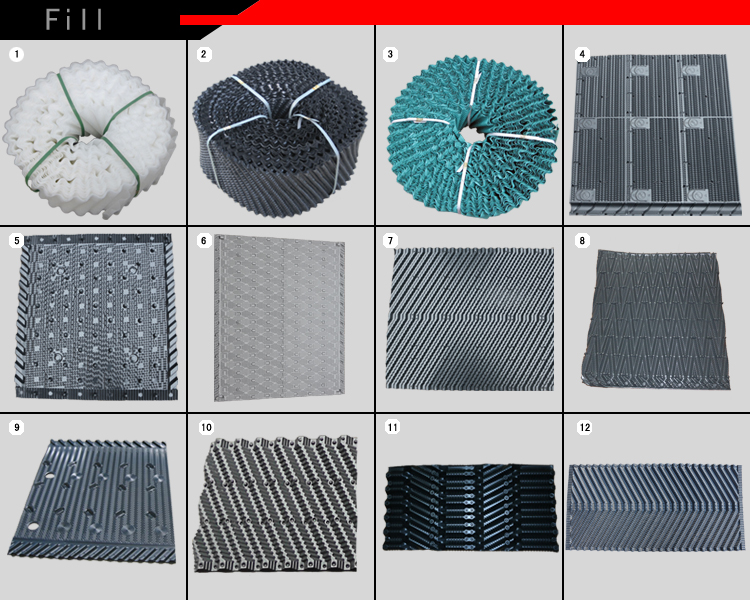
Chinese manufacturers supply different types of filler for replacement projects, new cooling tower installations, and customized engineering applications. Common products include PVC film fill, PP fill, splash fill, and other configurations designed for specific operating conditions.
For overseas buyers, the key is to match the product to the cooling tower rather than selecting a filler based only on its country of origin or unit price.
1.1 Main Functions of Cooling Tower Fill
Cooling tower fill performs several important functions:
Increases contact area: Provides more surface for water and air to interact.
Improves heat transfer: Helps the system remove heat from circulating water.
Supports water distribution: Encourages water to spread more evenly through the fill pack.
Promotes efficient operation: Helps the tower achieve its required cooling performance when properly selected and maintained.
If the fill becomes clogged, scaled, or damaged, these functions can deteriorate. Water may no longer spread evenly, airflow passages can become restricted, and the tower may struggle to maintain its target leaving-water temperature.
For this reason, material selection and maintenance should be considered together. The best filler is not necessarily the one with the largest surface area; it is the one that performs reliably under actual operating conditions.
1.2 Common Types of Cooling Tower Filler
The two main categories are film fill and splash fill.
Film fill uses closely spaced, patterned sheets to spread water into thin layers. It is commonly used where water quality and operating conditions are suitable for relatively narrow passages.
Splash fill uses bars, grids, or other structures to break falling water into smaller droplets. Its more open structure can be useful in applications where suspended solids or fouling are concerns, depending on the specific design.
Buyers may also encounter different sheet patterns, pack dimensions, and material grades. When requesting quotations from a China cooling tower filler supplier, specify the fill type, cooling tower model, required dimensions, operating temperature, and water conditions whenever possible.
2. Cooling Tower Filler Materials: How to Choose the Right One
Material selection is one of the most important purchasing decisions. PVC and polypropylene (PP) are widely used thermoplastics, but they are not interchangeable in every application.
Their suitability depends on operating temperature, chemical exposure, mechanical requirements, fire-related specifications, and fill design.
Buyers should confirm the manufacturer's published material limits instead of relying on a general claim that one material is always better. It's also important to consider whether the filler will be used in a new tower or as a replacement for existing packs.
Matching the material to the application helps reduce the risk of deformation, premature aging, and avoidable maintenance.
2.1 PVC Cooling Tower Filler
PVC cooling tower filler is widely used in industrial and commercial cooling systems because it can be formed into effective film-fill designs and is economical for many applications.
Its patterned sheets provide a large wetted surface area, helping improve heat exchange between water and air. PVC fill is commonly considered for HVAC systems, manufacturing facilities, and other applications operating within the product's specified temperature and chemical limits.
However, PVC has limitations. Excessive heat, incompatible chemicals, ultraviolet exposure, and mechanical stress can contribute to deterioration.
Before purchasing PVC cooling tower filler, check the manufacturer's recommended operating range, material specifications, sheet thickness, and suitability for the circulating water.
2.2 PP Cooling Tower Filler
Polypropylene, or PP, is another common material for cooling tower fill.
Depending on the grade and product design, PP may offer advantages in certain chemical environments and higher-temperature applications compared with standard PVC products. It can be used in film-fill or splash-fill configurations where its properties match the operating conditions.
However, PP is not automatically suitable for every high-temperature or chemically aggressive system. Performance depends on the specific grade, manufacturing quality, pack design, and actual service conditions.
Ask the supplier for relevant temperature limits, chemical compatibility information, and supporting technical documentation rather than choosing PP based on its name alone.
2.3 High-Temperature and Special-Application Materials
Some cooling towers operate under conditions that require more careful material evaluation. Process water may have elevated temperatures, unusual chemical characteristics, or a high solids content.
In these situations, buyers should discuss the operating environment with the manufacturer before selecting a standard PVC or PP fill.
The supplier may recommend a different material grade, an alternative fill configuration, or a design that is easier to inspect and clean. Special applications may also require specific flame-performance characteristics, dimensional tolerances, or other project requirements.
These properties should be confirmed through product documentation and, where necessary, appropriate testing.
2.4 Film Fill vs. Splash Fill: Which Is Better?
Film fill and splash fill solve the same basic heat-transfer problem in different ways.
Film fill spreads water across sheet surfaces, offering a large contact area in a compact volume. Splash fill breaks water into droplets and may provide more open passages for applications where solids accumulation is a concern.
The correct choice depends on water cleanliness, required cooling performance, tower design, and available maintenance resources.
Film fill can perform very well with appropriate water treatment, while splash fill may be preferable in some more challenging water conditions. Neither option is universally superior.
Before choosing, evaluate the complete operating environment, including suspended solids, scaling risk, water temperature, and cleaning requirements.
3. Key Factors in Cooling Tower Filler Material Selection
Before choosing a filler, consider the relationship between material, water quality, temperature, tower geometry, and expected service life.
A product that performs well in one cooling tower may not be suitable for another.
Provide the supplier with accurate application details, including the tower type, existing fill dimensions, operating temperatures, water contamination concerns, and maintenance practices. If the order is for a replacement project, photographs and drawings can help clarify the configuration.
Clear technical communication at the quotation stage reduces the risk of receiving a product that fits poorly or does not suit the operating environment.
3.1 Operating Temperature
Operating temperature is a critical material-selection factor. The fill must withstand the actual water temperature and any temperature variations that occur during operation.
Prolonged exposure beyond a material's recommended range can cause softening, deformation, or accelerated aging.
When comparing PVC and PP products, ask for the specific product's recommended continuous operating temperature and any limitations related to short-term temperature peaks.
Do not rely solely on a generic material property. The finished product's geometry, sheet thickness, and manufacturing process can also affect performance.
3.2 Water Quality and Fouling Risk
Water quality influences both material selection and fill design.
Suspended solids, biological growth, mineral scaling, and certain chemicals can affect cooling performance and maintenance requirements. Where water contains substantial debris, a fill configuration with suitable passage dimensions may be more practical than one with very narrow channels.
Effective filtration and water treatment remain important regardless of the material.
Buyers should explain any known scaling, fouling, or corrosion problems to the supplier so the recommended product reflects real operating conditions rather than ideal assumptions.
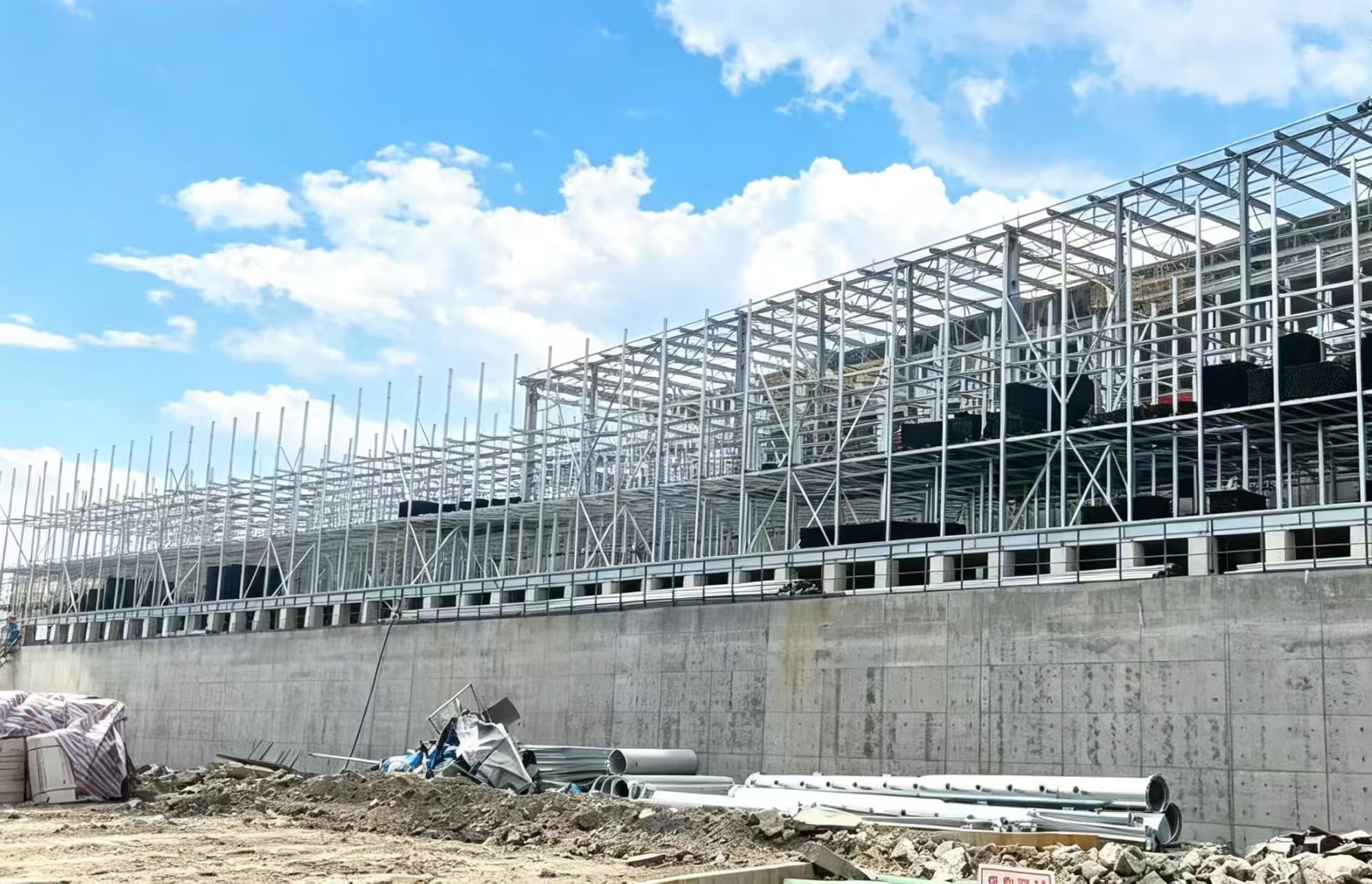
3.3 Cooling Tower Design and Dimensions
Cooling tower filler must match the tower's physical design.
Important details include:
Crossflow or counterflow configuration.
Pack height, length, and width.
Sheet arrangement and fill pattern.
Support requirements.
Water distribution layout.
Airflow requirements and installation clearance.
Even a high-quality product may perform poorly if it does not fit correctly or obstructs the intended airflow.
For replacement projects, verify the dimensions of the existing fill and check whether the original configuration still meets the system's operating needs. For new installations, coordinate the filler specification with the cooling tower designer or equipment manufacturer before production begins.
3.4 Service Life and Total Cost
Purchase price is only one part of the total cost of ownership.
A lower-priced filler may require more frequent cleaning or replacement if it is poorly matched to the application. A suitable product can offer better long-term value when material quality, expected service life, installation costs, maintenance requirements, and shipping expenses are considered together.
Ask suppliers about material specifications, inspection procedures, packaging, and available product documentation.
Compare quotations on an equivalent basis so differences in material, dimensions, and included services are clear.
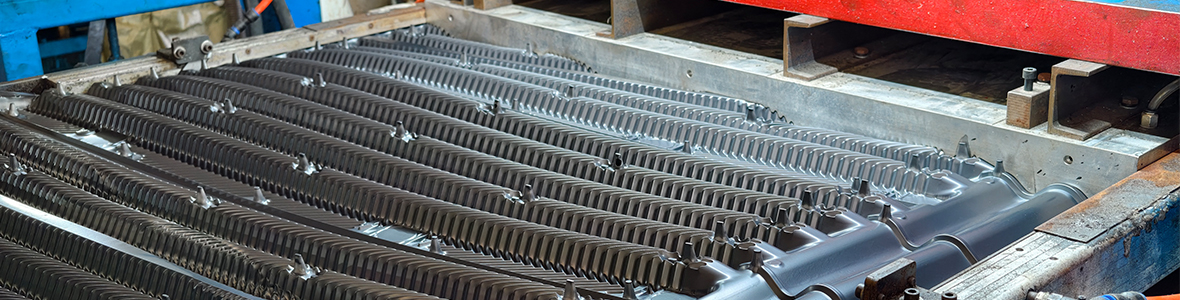
4. How Is Cooling Tower Filler Manufactured in China?
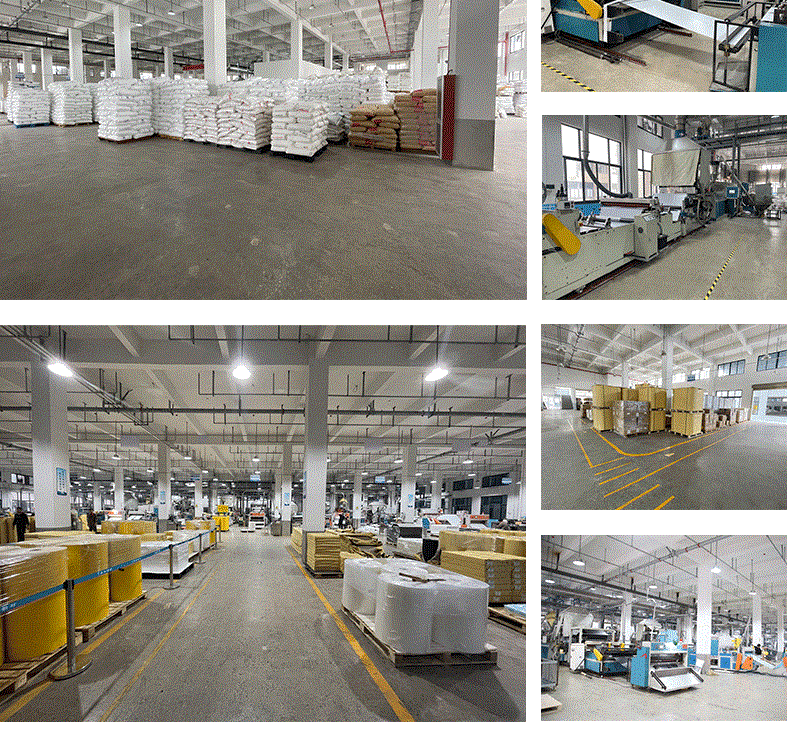
Cooling tower filler production typically involves several stages, from raw material preparation to final inspection and packaging.
The exact process depends on the material, fill design, equipment, and manufacturer's production methods. Understanding these stages helps buyers ask better questions and evaluate whether a supplier can consistently deliver products that meet the project specification.
A reliable production process should control material quality, sheet dimensions, forming accuracy, pack assembly, and handling before shipment.
4.1 Raw Material Selection and Inspection
Production begins with selecting the appropriate raw material for the intended application.
Manufacturers should verify that the material grade is suitable for the required product and operating conditions. Depending on the supplier's quality system, incoming inspections may include checking material documentation, appearance, and other specified properties.
Buyers with special requirements should clarify them before production begins. If the project requires a particular material grade or supporting documentation, include that requirement in the purchase specification rather than assuming it will be provided automatically.
4.2 Sheet Extrusion and Thickness Control
For many thermoplastic film-fill products, the material is processed into sheets before forming.
Sheet thickness and consistency affect handling, forming, and the finished product's mechanical characteristics. Manufacturers should control the process to help ensure that the sheets meet the agreed specification.
Buyers can ask how thickness is measured, what tolerances apply, and whether inspection records are available for the order.
These details are especially useful for bulk purchases, where consistency across multiple packs is important.
4.3 Thermoforming and Surface Pattern Design
The sheets are formed into patterns that create the required water-distribution and airflow characteristics.
Forming conditions and tooling influence the geometry of the finished sheets. A consistent pattern helps maintain the intended passage dimensions and pack configuration.
The design should be suitable for the cooling tower's application and operating conditions.
Buyers should confirm the specified pattern or product model before approving production, particularly when ordering replacement fill intended to fit existing equipment.
4.4 Cutting, Bonding, and Pack Assembly
After forming, the sheets are cut to the required dimensions and assembled into packs. Depending on the design, assembly may involve bonding or other joining methods.
Pack dimensions, alignment, and structural stability are important because the filler must fit the tower and remain properly positioned during operation.
Buyers should confirm pack size, sheet arrangement, joining method where relevant, and installation requirements.
If the filler is intended for a replacement project, clear drawings and dimensional checks can reduce on-site adjustments.
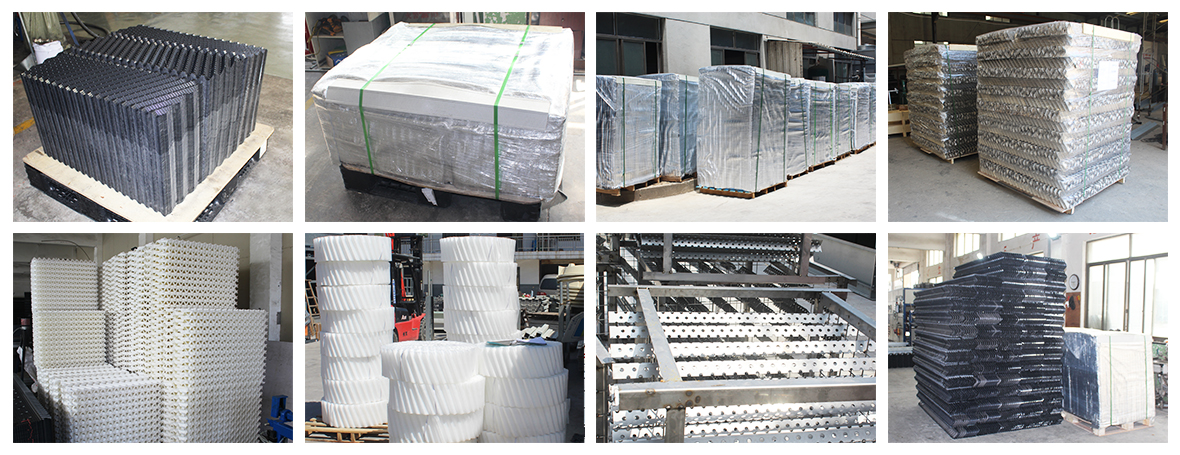
4.5 Quality Inspection and Packaging
Before shipment, the finished filler should be checked against the order specification.
Relevant checks may include dimensions, appearance, assembly quality, and other agreed product requirements.
Packaging should protect the packs from deformation, contamination, and handling damage during storage and transportation.
Because cooling tower fill can occupy substantial shipping volume, packaging design also affects container utilization and logistics costs. Buyers should confirm the packaging method, labeling, loading arrangements, and export documentation before the order is dispatched.
5. Quality Control Standards for Cooling Tower Filler
Quality control should cover more than the appearance of the finished product.
A sound purchasing process verifies material specifications, dimensions, pack assembly, and suitability for the intended application.
Depending on the project, buyers may request drawings, technical data sheets, inspection records, or material documentation. If a particular standard, test, or certification is required, specify it clearly and confirm that the manufacturer can provide valid supporting evidence.
Avoid treating broad statements such as “export quality” or “international standard” as substitutes for specific requirements.
Clear acceptance criteria help both buyer and supplier understand what must be delivered. For larger projects, buyers may also consider pre-shipment inspection or an agreed sample-approval process.
6. China Cooling Tower Filler: Key Export Advantages
Sourcing cooling tower filler from China can offer several practical advantages, especially for buyers who need a range of product configurations or recurring shipments.
The actual benefits depend on the supplier, product specification, order volume, and destination market.
Buyers should evaluate the manufacturer's technical capability and service quality alongside price. A supplier with clear communication, stable production processes, suitable packaging, and reliable export coordination can help reduce purchasing risks and simplify international projects.
6.1 Competitive Manufacturing Costs
Chinese manufacturers may benefit from established plastics-processing supply chains, production infrastructure, and manufacturing scale. These factors can make a range of cooling tower filler products competitively priced.
However, the lowest quotation does not necessarily represent the best value.
Differences in material grade, sheet thickness, pack dimensions, quality inspection, and packaging can affect the final cost. Buyers should compare equivalent specifications and consider freight, import duties, installation, and expected maintenance when evaluating the total delivered cost.
6.2 Flexible Customization
Many cooling tower projects require specific pack dimensions or configurations to fit existing equipment.
Depending on the manufacturer's capabilities, buyers may be able to request customized lengths, widths, heights, sheet patterns, or packaging arrangements.
Customization is particularly useful for replacement projects involving older towers or nonstandard dimensions.
Before production, confirm the final drawings, tolerances, quantities, and approval process. Changes made after manufacturing begins can lead to delays or additional costs, so detailed specifications are essential.
6.3 Integrated Supply Chain and Production Capacity
China's established manufacturing ecosystem can provide access to raw materials, processing equipment, packaging suppliers, and logistics services.
For buyers managing multiple projects, working with a capable supplier may simplify repeat orders and coordination.
Still, production capacity and lead times vary by company and season. Ask about current production schedules, order quantities, inspection arrangements, and the ability to maintain consistency across repeat shipments.
Do not assume that every supplier has the same equipment, technical expertise, or production scale.
6.4 International Shipping and Export Support
Export orders require more than manufacturing. Packaging, shipping arrangements, commercial invoices, packing lists, and other required documents must be coordinated according to the destination and agreed trade terms.
Cooling tower filler may be relatively lightweight but bulky, making efficient packing and container utilization important.
Confirm the shipping method, delivery terms, dispatch schedule, packaging protection, and responsibility for freight and import charges. Buyers should also check local import requirements before placing an order, especially when projects require specific documentation or product declarations.
7. How to Evaluate a Chinese Cooling Tower Filler Manufacturer
Choosing a supplier should involve technical and commercial checks.
Start by confirming that the company can supply the required fill type and material. Then review its product specifications, communication quality, production arrangements, and ability to support the intended delivery schedule.
A supplier should be willing to clarify technical questions and confirm important details in writing.
For larger or technically demanding orders, consider requesting samples, drawings, or a pre-production approval process. These steps can help prevent mismatches and reduce the risk of costly corrections after delivery.
7.1 Check Material and Product Specifications
Request the product's material description, dimensions, sheet thickness where applicable, operating limits, and installation details.
Confirm that the proposed filler is suitable for the water quality and temperature of the application.
If the product is intended to replace an existing fill pack, compare the proposed specifications with the original dimensions and tower layout. Ask the supplier to identify any differences rather than assuming that similar-looking products are interchangeable.
7.2 Request Samples and Technical Documentation
Samples can help buyers assess appearance, forming consistency, and basic fit, although a small sample cannot prove long-term performance by itself.
Technical documents and agreed inspection criteria provide additional information about the product.
For demanding applications, discuss whether more detailed testing or third-party inspection is appropriate. Make sure any claimed certification or test report applies to the actual product and requirement.
7.3 Confirm Packaging and Shipping Details
Before production, confirm how the filler will be packed, labeled, and loaded.
Ask whether the packaging protects the sheets from compression and deformation during handling and transport. Verify the shipment quantity, package dimensions, estimated dispatch date, delivery terms, and required export documents.
Because filler is often bulky, the shipping cost per unit can be influenced significantly by the packaging arrangement. A clear logistics plan helps avoid last-minute surprises.
8. Common Mistakes When Buying Cooling Tower Filler from China
One common mistake is choosing a product based only on the lowest unit price. Buyers may overlook material differences, dimensions, thickness, or packaging, creating problems after delivery.
Another mistake is providing incomplete application details. Without accurate operating temperatures, water-quality information, and tower dimensions, a supplier may not be able to recommend the most suitable product.
Buyers should also avoid assuming that all PVC or PP products have identical properties.
Finally, do not leave acceptance criteria, delivery terms, or documentation requirements until the last minute.
To reduce these risks, follow a simple checklist before confirming an order:
Confirm the required material and fill type.
Verify dimensions, tolerances, and quantity.
Share the operating temperature and water-quality conditions.
Review drawings or samples when necessary.
Confirm packaging and loading requirements.
Agree on lead time, shipping terms, and documentation.
Specify any required inspections or tests in writing.
A detailed purchase specification helps both parties reduce misunderstandings and protect project schedules.
9. Applications of Chinese Cooling Tower Filler
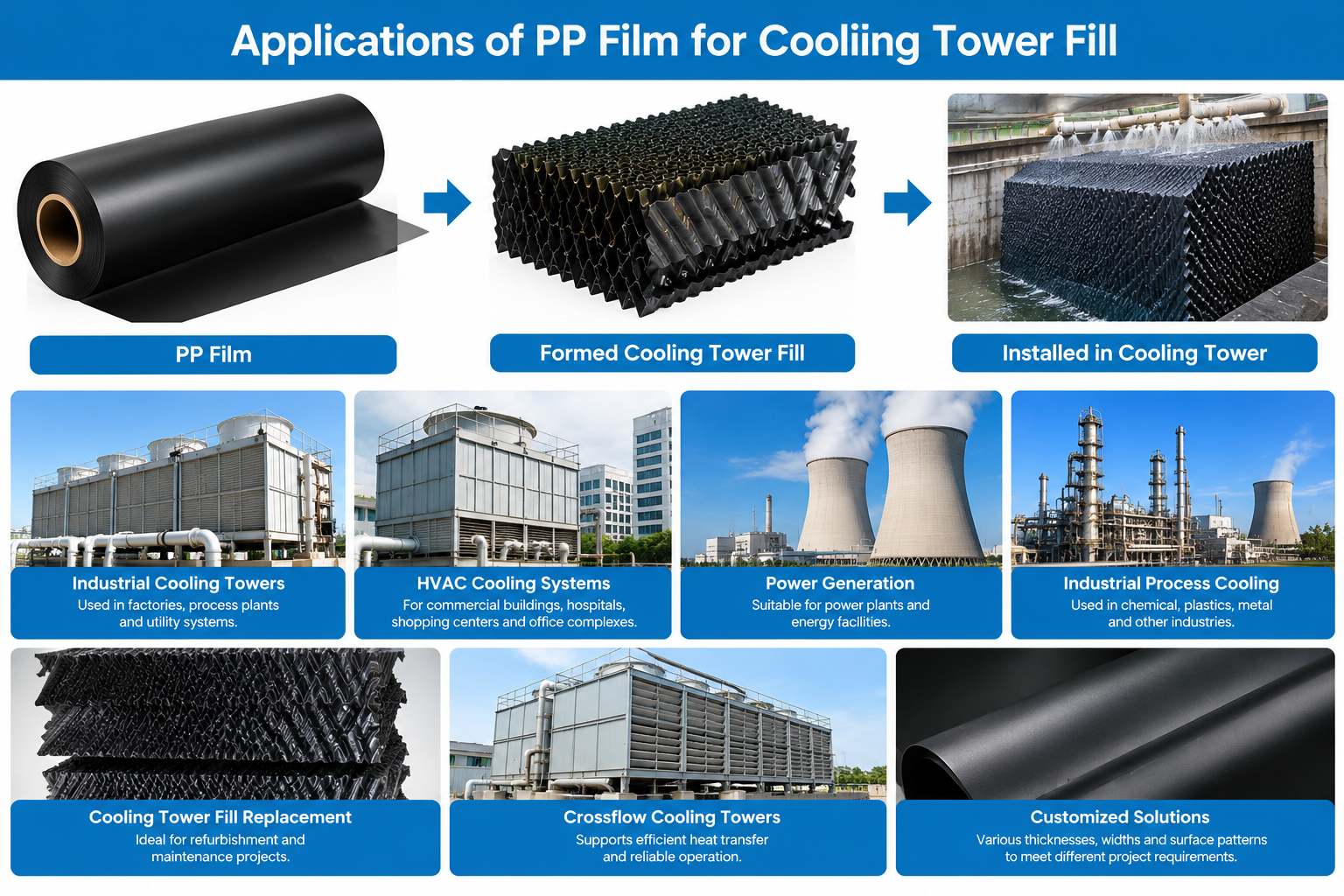
Cooling tower filler manufactured in China can be used in many applications, provided the selected product meets the project's technical requirements.
Typical uses include:
Commercial HVAC: Cooling towers serving chillers in office buildings, shopping centers, hotels, and other facilities.
Industrial manufacturing: Cooling systems used in production processes and equipment heat rejection.
Chemical processing: Applications where material compatibility and water chemistry require careful evaluation.
Power-related facilities: Supporting cooling systems that require suitable fill configurations and dependable operation.
General process cooling: Systems used to remove heat from industrial water loops.
PVC film fill is commonly considered for applications with suitable water quality and operating temperatures, while PP or alternative fill configurations may be appropriate for certain more demanding conditions.
The final choice should be based on the complete system rather than the industry name alone. Water chemistry, suspended solids, temperature, cooling load, and maintenance access all influence product suitability.
10. Why Choose Power Tower Cooling Technology (Shaoxing) Co.,Ltd?

Power Tower Cooling Technology (Shaoxing) Co.,Ltd supplies cooling tower parts and related products for customers seeking solutions for industrial and commercial cooling systems.
For buyers sourcing cooling tower filler, the most important steps are to confirm the application requirements, compare the product specifications, and ensure that the selected configuration is compatible with the intended tower.
When making an inquiry, provide the fill type, material preference, required dimensions, quantity, operating temperature, and any known water-quality challenges. If the order is for replacement, photographs or drawings can help clarify the existing configuration.
These details support a more accurate product evaluation and quotation.
Whether you're planning a new installation or replacing existing fill, clear communication about technical requirements helps reduce the risk of ordering an unsuitable product.
To explore available cooling tower products and submit an inquiry, visit https://www.coolingtowerpart.com.
11. Frequently Asked Questions
11.1 What Is the Most Common Material for Cooling Tower Filler?
PVC is widely used for cooling tower film fill because it can be formed into effective heat-transfer patterns and is economical for many applications.
PP is also used where its material characteristics are appropriate. The best choice depends on operating temperature, water chemistry, fill design, and the manufacturer's specifications.
11.2 Is Chinese Cooling Tower Filler Suitable for Export Projects?
Chinese-made filler can be suitable for export projects when the product meets the required specifications and the supplier provides appropriate quality control, packaging, and export coordination.
Buyers should verify material details, dimensions, documentation, and shipping arrangements before ordering.
11.3 Can Cooling Tower Filler Be Customized?
Customization may be available depending on the supplier's production capabilities and the requested design.
Buyers should provide drawings, dimensions, required material, quantity, and operating conditions. Confirm the final specification before production begins.
11.4 How Do I Choose Between PVC and PP Fill?
Compare the actual operating temperature, chemical exposure, water quality, and product specifications.
PVC may be suitable for many conventional applications, while PP may be preferred under certain conditions. Neither material should be selected without confirming its suitability for the intended service.
11.5 What Should I Check Before Placing a Bulk Order?
Confirm the fill type, material, dimensions, tolerances, quantity, packaging, quality requirements, lead time, delivery terms, and export documents.
For critical projects, consider reviewing samples or drawings before approving production. Make sure any special requirements are written into the purchase specification.
12. Conclusion
China is an important sourcing option for cooling tower filler, offering international buyers access to a variety of materials, designs, and manufacturing arrangements.
However, successful purchasing depends on matching the product to the cooling tower's operating conditions and verifying the supplier's technical and production capabilities.
PVC and PP each have applications where they may be suitable, while film fill and splash fill serve different operating needs. Understanding raw material selection, forming, assembly, inspection, and packaging helps buyers ask better questions and manage procurement risks.
Competitive manufacturing costs, customization options, and established export logistics can offer practical advantages, but buyers should always evaluate the full delivered cost and product suitability.
The right supplier should provide clear specifications, consistent product quality, and communication that helps the buyer make an informed decision.
For cooling tower filler and related product inquiries, contact Power Tower Cooling Technology (Shaoxing) Co.,Ltd through coolingtowerpart.com.


