Cooling tower fill plays a critical role in industrial cooling systems by increasing the contact area between water and air, improving heat transfer, and helping maintain the required operating temperature. In Malaysia, cooling towers are widely used in manufacturing plants, power stations, petrochemical facilities, palm oil mills, commercial buildings, and industrial refrigeration systems.
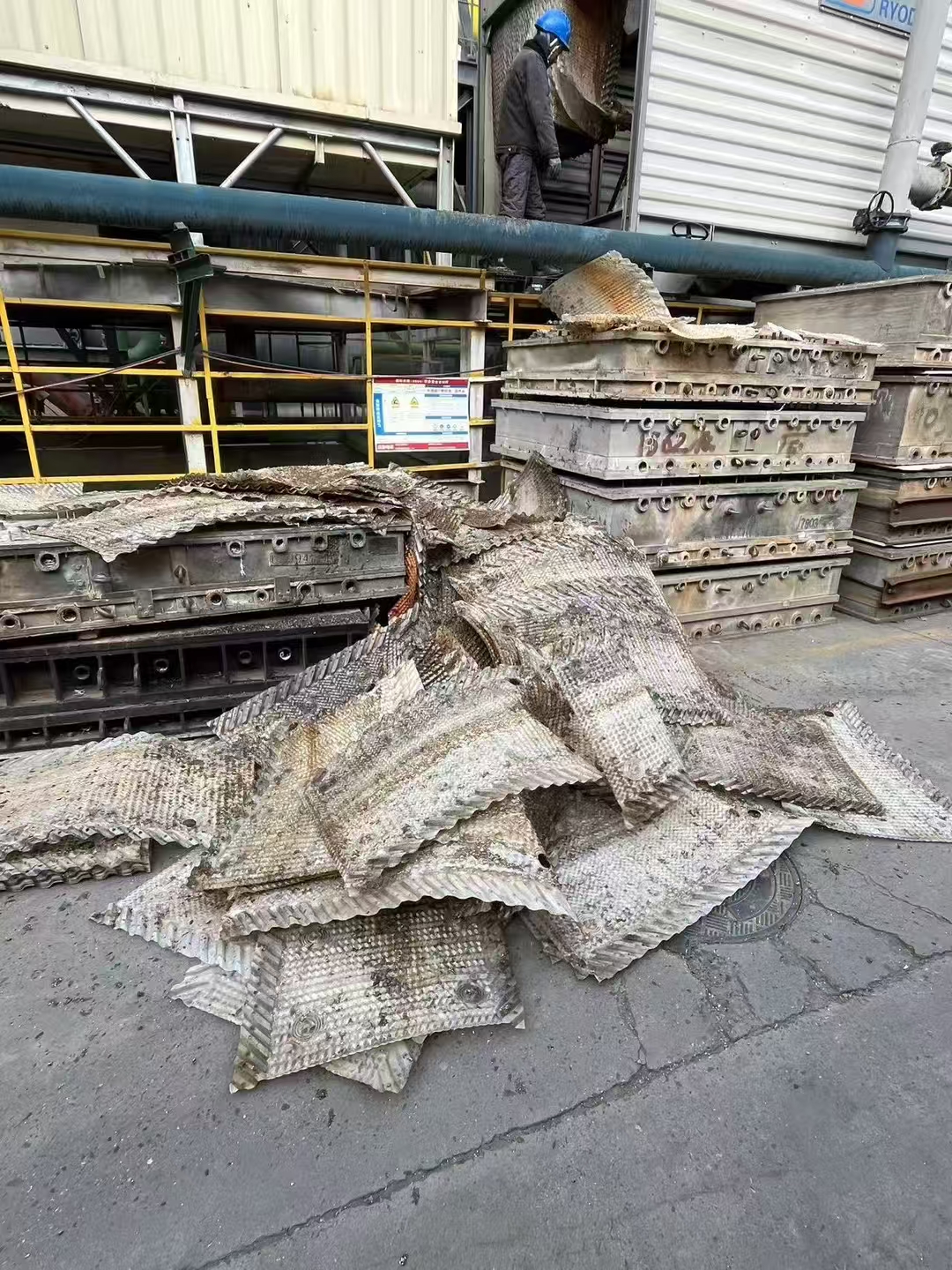
Over time, cooling tower fill can become clogged, cracked, deformed, or less effective. Replacing worn fill media can restore cooling performance, reduce maintenance problems, and improve the reliability of the entire cooling system.
For facility managers and procurement teams, understanding cooling tower fill replacement costs, installation requirements, and performance improvements in Malaysia is essential for making informed purchasing decisions.
This guide explains when replacement is necessary, what affects costs, how installation works, and how to select the right replacement fill supplier.
What Is Cooling Tower Fill Replacement?
Cooling tower fill replacement involves removing old or damaged fill media and installing new material inside the cooling tower.
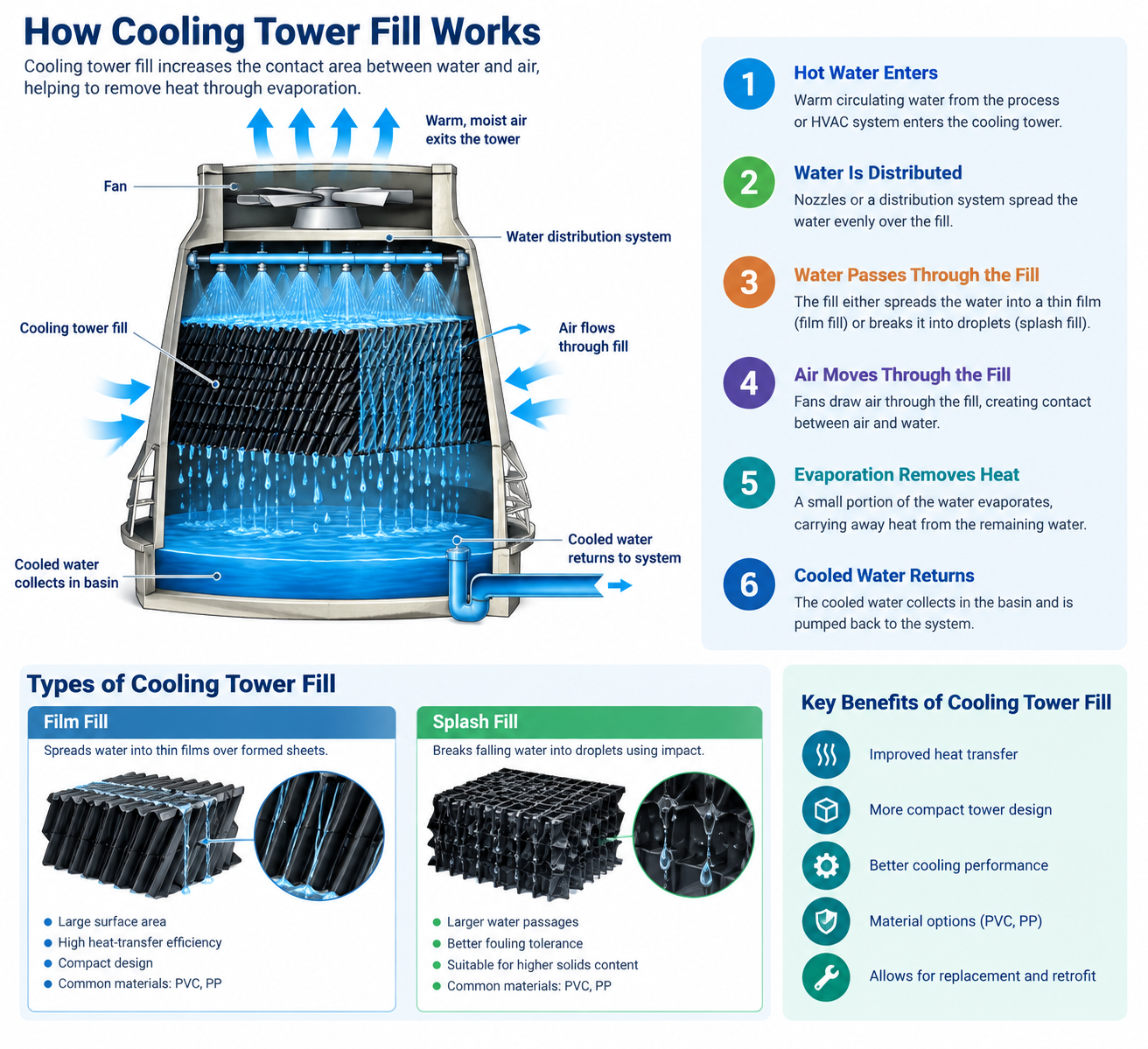
Fill media increases the surface area available for heat exchange. Warm circulating water spreads over the fill while air passes through it. Heat transfers to the air, and evaporation further cools the remaining water.
Replacement may involve the entire fill system or only selected sections, depending on the condition of the existing media.
Common replacement applications include:
Industrial process cooling towers
HVAC cooling towers in commercial buildings
Power generation facilities
Chemical and petrochemical plants
Steel and manufacturing facilities
Palm oil processing plants
Correct replacement fill must match the tower's design, dimensions, water distribution arrangement, and operating requirements.
When Should Cooling Tower Fill Be Replaced?
Recognizing deterioration early helps prevent unnecessary energy consumption, cooling problems, and unplanned downtime.
Common Warning Signs
Reduced cooling performance: The cold-water temperature rises under comparable operating conditions.
Blocked fill passages: Scale, suspended solids, algae, and biological deposits restrict water and airflow.
Damaged fill sheets: PVC or PP sheets become brittle, cracked, warped, or collapsed.
Uneven water distribution: Some sections receive excessive water while others remain relatively dry.
Increased airflow resistance: Fouling or deformation restricts air movement through the tower.
Repeated maintenance problems: Cleaning no longer restores acceptable performance.
Before replacing the fill, inspect nozzles, drift eliminators, fans, water distribution, and water-treatment performance. These components can also affect cooling efficiency.
Types of Cooling Tower Replacement Fill
Selecting the correct fill type is essential for balancing thermal performance, fouling resistance, and maintenance costs.
Film Fill
Film fill spreads water into thin layers over closely spaced surfaces, creating a large heat-transfer area.
Advantages include high thermal efficiency and compact construction. It is commonly used in industrial and commercial cooling towers with relatively clean circulating water.
However, narrow channels may become blocked in systems with high suspended-solid loads or inadequate water treatment.
Splash Fill
Splash fill breaks falling water into droplets using bars, grids, or structured elements.
It can be suitable for applications where suspended solids and fouling are significant concerns. Its wider openings may simplify cleaning in some configurations.
PVC vs. PP Fill
| Feature | PVC Fill | PP Fill |
| Main benefit | Cost-effective for many standard applications | Good chemical resistance and higher-temperature capability in many grades |
| Common applications | Industrial and HVAC cooling | Industrial systems with specific temperature or chemical requirements |
| Selection factors | Formulation, temperature limits, and chemical compatibility | Material grade, temperature, and structural support |
| Cost | Often economical | Depends on grade and design |
Neither material is universally superior. Buyers should confirm operating temperature limits, water chemistry, fire-performance requirements, and mechanical suitability with the manufacturer.
Cooling Tower Fill Replacement Cost in Malaysia
There is no single price for cooling tower fill replacement in Malaysia. The total project cost depends on the tower size, fill type, material, quantity, accessibility, and installation requirements.
The main cost components include:
| Cost Component | Factors Affecting Price |
| Replacement fill | Material, profile, dimensions, and quantity |
| Transportation | Shipment size, delivery distance, and packaging |
| Import expenses | Applicable duties, taxes, and customs clearance |
| Removal | Labor and disposal of old fill |
| Installation | Labor, access, lifting equipment, and site conditions |
| Downtime | Production impact and shutdown scheduling |
| Additional repairs | Supports, nozzles, drift eliminators, and related components |
How to Reduce Replacement Costs
Measure the existing fill accurately before requesting quotations.
Compare multiple suppliers using identical technical specifications.
Evaluate total installed cost rather than unit price alone.
Inspect supporting structures before ordering replacement media.
Plan installation during scheduled maintenance shutdowns.
Improve water treatment to reduce premature fouling and deterioration.
For large industrial projects, request an itemized quotation that separates material, freight, installation, and other project expenses.
Cooling Tower Fill Replacement Installation Process
Proper installation is essential to achieving the expected cooling performance and avoiding premature damage.
Step 1: Inspect the Existing Cooling Tower
Identify the tower model, configuration, fill arrangement, and condition of the supporting structure. Determine whether partial or complete replacement is appropriate.
Step 2: Remove Old Fill
Shut down and isolate the equipment according to site safety procedures. Remove the old media carefully and inspect the fill supports for corrosion, deformation, or damage.
Step 3: Clean the Fill Chamber
Remove accumulated sediment and deposits. Inspect water distribution pipes, nozzles, drift eliminators, and other components that may affect performance.
Step 4: Verify Replacement Dimensions
Check the new fill blocks against the approved drawings and measurements. Confirm the material, sheet spacing, block height, and installation orientation.
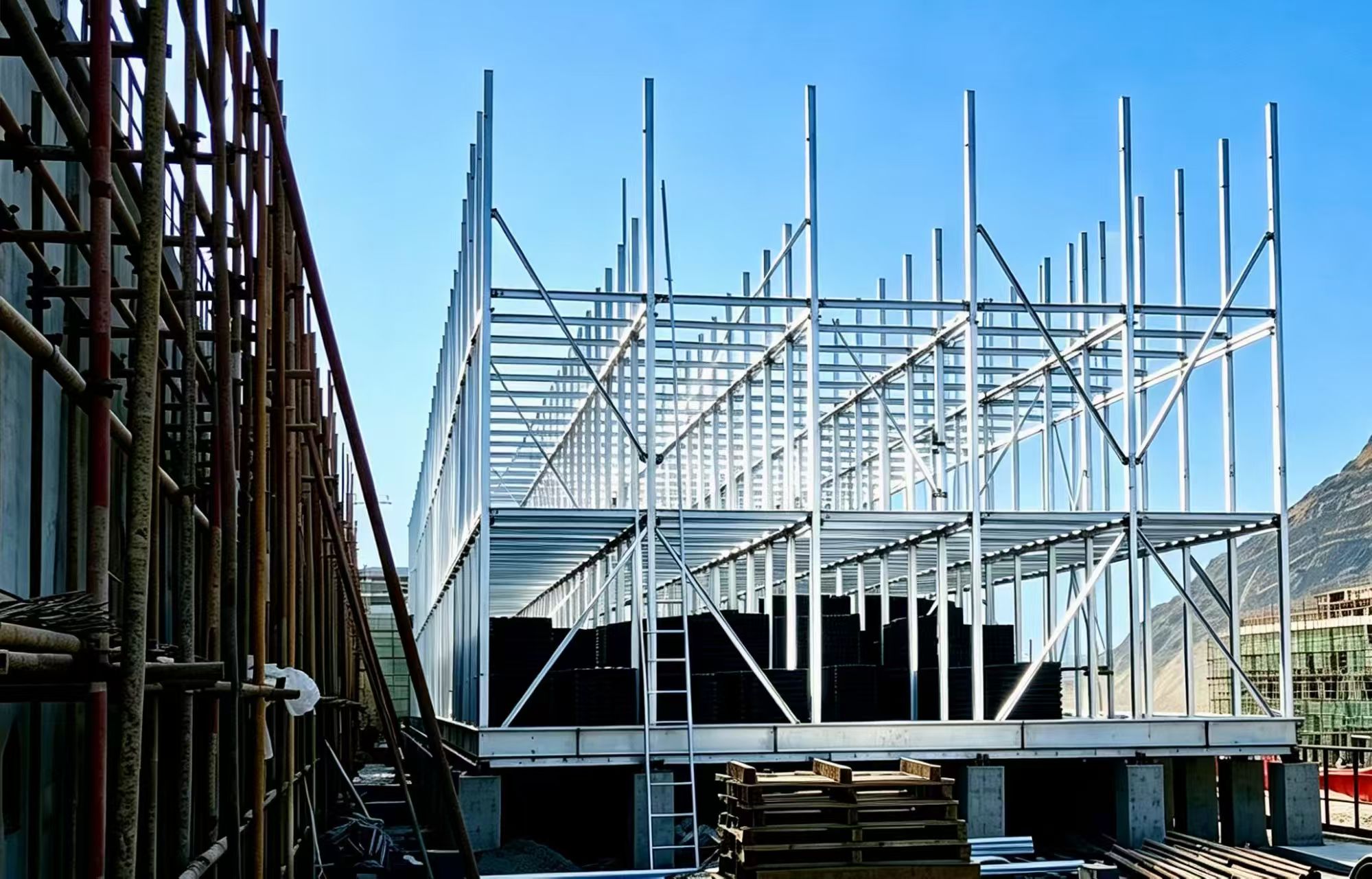
Step 5: Install the New Fill
Position the blocks according to the manufacturer's installation instructions. Avoid gaps, misalignment, unsupported sections, and obstructions to airflow.
Step 6: Test the Cooling Tower
After installation, check water distribution, airflow, leakage, and system operation. Monitor cold-water temperature and other relevant operating indicators under comparable conditions.
Professional installation is recommended for large industrial towers or projects involving complex internal structures.
How Replacement Fill Affects Cooling Tower Performance
Replacing deteriorated fill can improve system performance when the existing media is the cause of reduced cooling efficiency.
Improved Heat Transfer
Clean, correctly installed fill provides the intended contact area between water and air. This helps the tower achieve its required cooling duty.
Better Airflow
Removing blocked or deformed fill can reduce excessive airflow resistance and help restore appropriate air movement.
More Consistent Water Distribution
Properly arranged fill supports effective water spreading and helps reduce uneven cooling across the tower.
Lower Maintenance Requirements
Replacing damaged media can reduce recurring blockage and structural problems. The actual benefit depends on water quality and maintenance practices.
Potential Energy Savings
Improved airflow and heat transfer may help reduce operating inefficiencies. However, energy savings are not guaranteed by fill replacement alone. Fan performance, pump operation, water distribution, and system controls also influence energy consumption.
To assess performance, compare cold-water temperature, hot-water temperature, water flow, ambient wet-bulb temperature, fan operation, and other relevant conditions before and after replacement.
How to Choose a Cooling Tower Fill Replacement Supplier in Malaysia
Selecting a qualified supplier helps ensure the replacement product fits the existing tower and meets operational requirements.
Check Product Compatibility
Provide the cooling tower brand, model, fill dimensions, and crossflow or counterflow configuration. For Marley, BAC, EVAPCO, SPX, Hamon, and other systems, verify compatibility for the specific tower model.
Request Technical Specifications
Ask for material grades, sheet thickness, block dimensions, temperature limits, and relevant performance information.
Evaluate Customization
Older towers may require non-standard dimensions. Confirm whether the supplier can manufacture fill blocks to match the existing installation.
Compare Delivery and Support
Review lead times, packaging, shipping to Malaysia, warranty conditions, and technical assistance.
Consider Aftermarket Options
Aftermarket fill may provide a cost-effective alternative to original replacement media. However, buyers should confirm dimensional accuracy, material quality, and thermal suitability rather than relying on brand compatibility claims alone.
Sourcing Cooling Tower Fill Replacement in Malaysia
Industrial buyers can source replacement fill through local cooling tower service companies, regional distributors, and overseas manufacturers.
Chinese manufacturers may offer PVC and PP fill in standard or customized configurations for bulk replacement projects. Before purchasing, verify manufacturing capability, export experience, product documentation, delivery arrangements, and total landed cost.
CoolingTowerPart.com can be considered as a sourcing channel for cooling tower replacement fill and related components.
When requesting a quotation, provide the tower model, existing fill type, dimensions, quantity, operating conditions, and delivery location. Photographs or technical drawings can help suppliers assess compatibility and reduce ordering errors.
Frequently Asked Questions
How much does cooling tower fill replacement cost in Malaysia?
Costs depend on fill type, material, quantity, tower size, shipping, installation, and shutdown requirements. Request a project-specific quotation for an accurate estimate.
Can I replace only part of the cooling tower fill?
Yes, partial replacement may be suitable when the remaining media is in good condition and the new fill is compatible. Extensive deterioration may justify complete replacement.
How long does cooling tower fill last?
Service life varies with material quality, water treatment, temperature, UV exposure, and maintenance. Regular inspections help determine when replacement is necessary.
Does new fill improve cooling tower efficiency?
It can improve performance when damaged, fouled, or incorrectly arranged fill is limiting heat transfer or airflow. Other cooling tower problems may require separate repairs.
Should I choose PVC or PP replacement fill?
Choose based on operating temperature, water chemistry, material requirements, and cost. Always confirm the selected product's specifications with the manufacturer.
Conclusion
Cooling tower fill replacement in Malaysia is an important maintenance investment for industrial facilities seeking reliable cooling performance and controlled operating costs.
The right decision requires evaluating fill condition, material selection, replacement cost, installation quality, and supplier reliability. Film fill suits many clean-water systems, while splash fill may be appropriate for applications with greater fouling risks.
By comparing suppliers carefully, verifying compatibility, and planning installation properly, facility managers can improve cooling tower reliability and achieve better long-term value.
Recommended internal links for CoolingTowerPart.com: