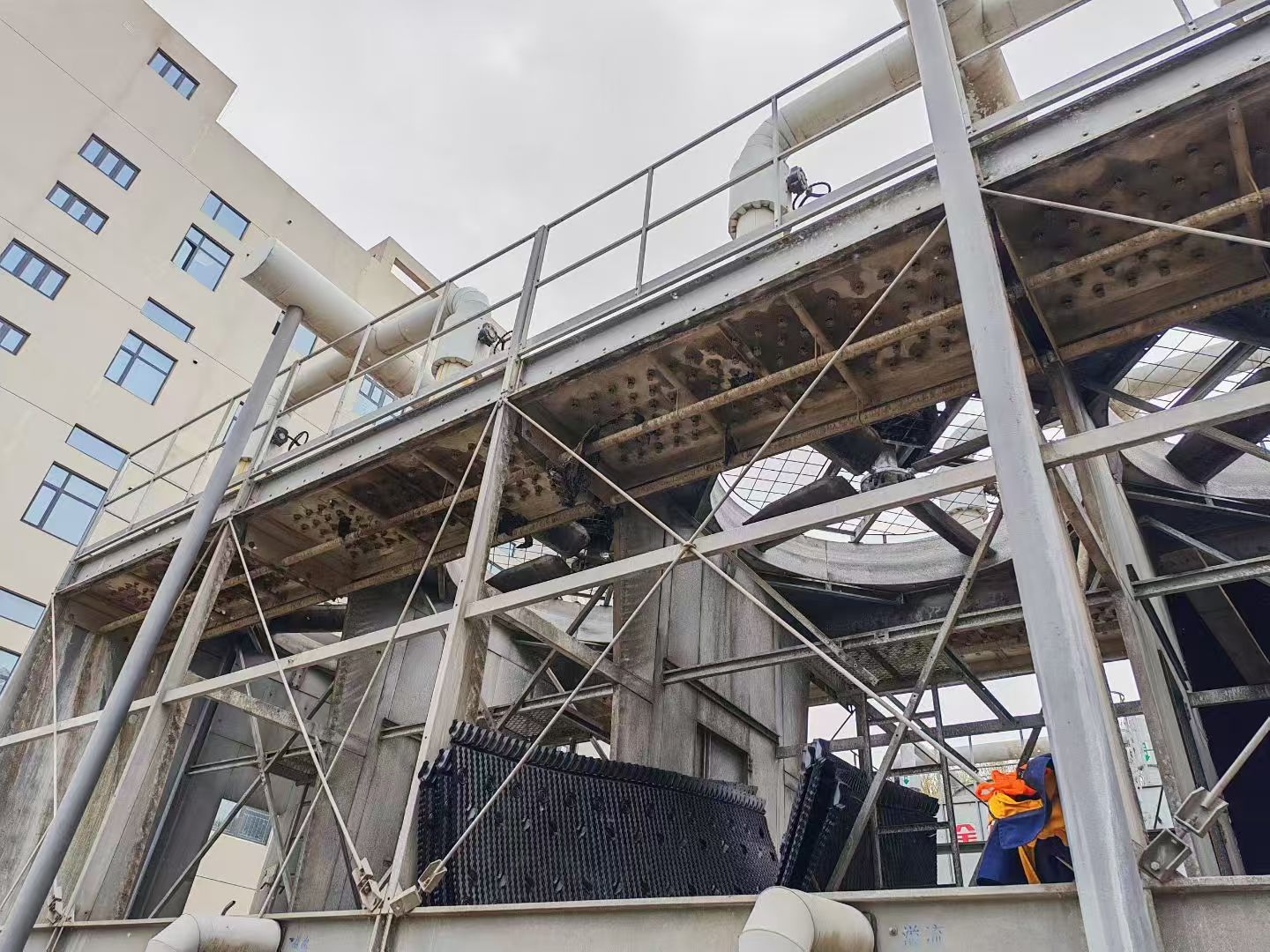
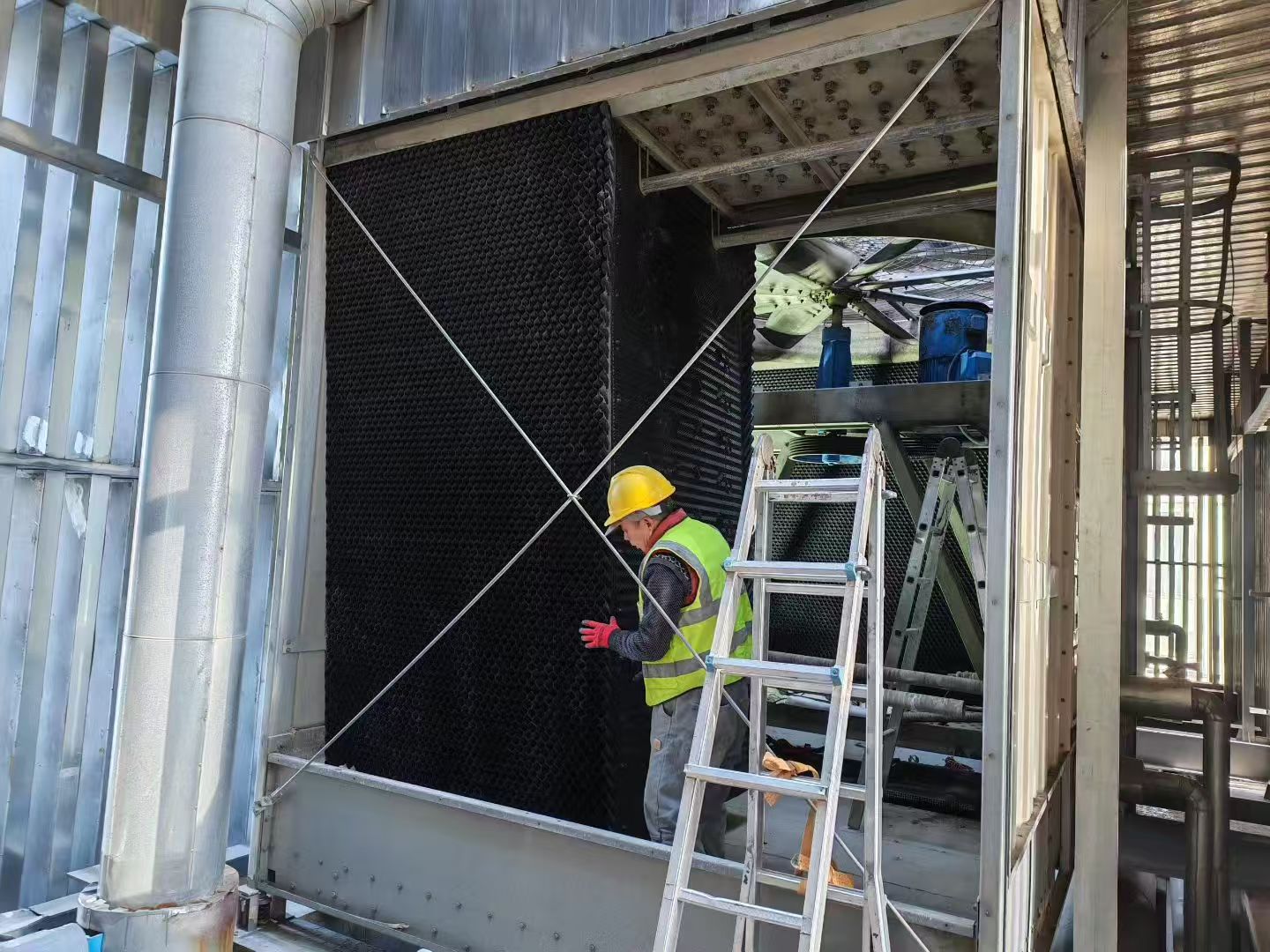
Cooling Tower Fills Supplier for Industrial Projects
Cooling tower fills are essential components in industrial cooling systems because they increase the contact area between water and air, supporting efficient heat transfer and stable cooling performance. Whether a facility is installing a new cooling tower, upgrading an existing unit, or replacing deteriorated fill media, choosing the right cooling tower fills supplier can significantly affect equipment reliability, operating costs, and long-term maintenance requirements.
A professional cooling tower fills supplier should provide more than standard fill products. Material selection, fill configuration, dimensional accuracy, airflow resistance, water distribution, packaging, and technical support all influence the success of a cooling tower project. For industrial users, replacement contractors, engineering companies, and equipment distributors, a reliable supplier can help simplify procurement and reduce installation risks.
This guide explains how to select cooling tower fills for industrial cooling systems and replacement projects, compare different fill materials, evaluate supplier capabilities, and make practical purchasing decisions.
Why Are Cooling Tower Fills Important in Industrial Cooling Systems?
Cooling tower fills, also called cooling tower fill media or packing, help maximize the contact between circulating water and the air moving through a cooling tower. This contact allows heat to transfer from the water to the air, supporting the cooling process.
How Do Cooling Tower Fills Improve Heat Transfer?
Cooling tower fills distribute water across a larger surface area and increase the time available for air-water interaction. Depending on the fill design, water may spread into thin films or move across splash surfaces, improving heat exchange.
The performance of fill media depends on several factors:
Effective heat-transfer surface area
Water distribution and flow rate
Airflow through the fill pack
Fill geometry and spacing
Water quality and operating temperature
Resistance to scaling, fouling, and deformation
A well-selected fill pack can help an industrial cooling tower maintain its required cooling capacity without unnecessary airflow resistance.
Why Is Fill Design Important for Energy Efficiency?
Fill design influences the balance between heat-transfer performance and pressure drop. A tightly spaced film fill may provide a large contact area, but it can become more sensitive to suspended solids and mineral deposits. A more open fill configuration may be better suited to water containing higher levels of contaminants.
The best option is not necessarily the fill with the greatest surface area. Instead, the design should match the tower's airflow capacity, circulating-water quality, thermal requirements, and maintenance capabilities.
Which Industries Need Reliable Cooling Tower Fill Media?
Industrial cooling towers operate in a wide range of environments, and each application may have different fill requirements.
Power Plants and Energy Facilities
Power plants use cooling towers to remove heat from circulating water and support stable operation of heat-generating equipment. Fill replacement projects must consider the required cooling duty, tower configuration, operating conditions, and available installation time.
Manufacturing and Process Industries
Chemical plants, metal processing facilities, plastics manufacturers, and other industrial operations depend on cooling water to control process temperatures. Fill media must be selected according to the water quality, operating temperature, and potential exposure to contaminants.
HVAC and Commercial Cooling
Large commercial buildings, hospitals, shopping centers, and industrial campuses use cooling towers as part of their HVAC systems. Reliable fill media helps maintain cooling performance during periods of high demand, particularly in warm weather.
Food Processing and General Industrial Facilities
Facilities with continuous production schedules need predictable cooling performance and manageable maintenance requirements. Choosing compatible fill media can help reduce avoidable shutdowns caused by fouling or material deterioration.
What Types of Cooling Tower Fills Can Suppliers Provide?
A qualified cooling tower fills supplier should understand the differences between fill configurations and recommend products according to actual operating conditions.
PVC Cooling Tower Fills
PVC cooling tower fills are widely used in HVAC and industrial cooling applications because they offer a practical combination of formability, corrosion resistance, and cost efficiency.
Advantages of PVC Fill Media
PVC fill can provide a large heat-transfer surface in a compact structure. Its performance depends on the formulation, sheet thickness, forming process, operating temperature, and chemical environment.
Typical advantages include:
Good heat-transfer potential with suitable geometry
Resistance to many common water-treatment chemicals
Relatively lightweight construction
Convenient installation in modular fill packs
Broad availability for new towers and replacement projects
Before purchasing PVC fill, buyers should verify its allowable service temperature and compatibility with the site's water-treatment program.
PP Cooling Tower Fills
Polypropylene, or PP, cooling tower fills are another important option for industrial applications. PP may be suitable for certain higher-temperature or chemically demanding environments, depending on the specific material grade and product design.
When Should Buyers Consider PP Fill?
PP cooling tower fill may be worth evaluating when the application requires material properties different from those offered by standard PVC products.
Buyers should compare the supplier's documented temperature limits, chemical compatibility, flame-retardant properties where required, and mechanical performance. PP is not automatically suitable for every high-temperature application, so the actual operating conditions must be checked before ordering.
Film Fill and Splash Fill
Cooling tower fills are also classified by how they bring water and air into contact.
Film Fill
Film fill spreads water into thin layers over structured surfaces. This configuration can provide a large effective contact area and high thermal performance when water quality and operating conditions are appropriate.
Film fill is commonly considered for HVAC towers and industrial systems with reasonably controlled circulating-water quality.
Splash Fill
Splash fill breaks falling water into droplets as it passes through the fill structure. This approach can be useful in applications where open passages and resistance to certain types of fouling are important.
Splash fill may be considered for some industrial cooling systems with challenging water conditions, but suitability depends on the specific design and the tower's thermal requirements.
How Should Buyers Compare Film Fill and Splash Fill?
| Selection Factor | Film Fill | Splash Fill |
| Heat-transfer approach | Spreads water into thin films | Breaks water into droplets |
| Surface configuration | Usually closely structured | Usually more open |
| Fouling sensitivity | Can be higher with solids and deposits | May tolerate some challenging water conditions better |
| Water quality | Best suited to compatible, controlled water conditions | May suit selected systems with greater fouling concerns |
| Final selection | Depends on thermal and hydraulic requirements | Depends on thermal and hydraulic requirements |
Neither design is universally superior. A supplier should assess the existing tower and water conditions before recommending a replacement.
How Can You Choose the Right Cooling Tower Fills Supplier?
Selecting a supplier requires more than comparing prices. Industrial buyers need products that match the project specifications and arrive in a condition suitable for installation.
Evaluate Product Quality and Manufacturing Consistency
Fill sheets must maintain consistent dimensions, forming patterns, and structural integrity. Variations in sheet thickness, corrugation geometry, or bonding quality can affect the assembly and performance of the completed fill pack.
What Quality Details Should Buyers Check?
Ask the supplier about the following:
Raw material specifications and traceability
Sheet thickness and dimensional tolerances
Forming and bonding consistency
Resistance to deformation under expected service conditions
Inspection procedures and batch identification
Product documentation and packaging standards
Where project requirements are strict, buyers should request relevant inspection records, samples, or technical data before confirming a bulk order.
Confirm Customization and Dimensional Compatibility
Cooling towers differ in manufacturer, model, age, and internal arrangement. Replacement fill therefore cannot always be selected using material type alone.
What Information Is Needed for a Custom Fill Order?
To help a supplier identify a compatible product, prepare as much of the following information as possible:
Cooling tower manufacturer and model
Existing fill type and material
Fill block length, width, and height
Sheet thickness and flute or channel geometry
Original fill arrangement and support method
Circulating-water flow and operating temperature
Water quality and known fouling issues
Required delivery date and project quantity
If original drawings are unavailable, photographs and accurate measurements can help the supplier begin an initial assessment. Final dimensions should be confirmed before production.
Review Technical Support and Communication
A dependable cooling tower fills supplier should be able to discuss material selection, installation requirements, and practical limitations.
Why Does Technical Communication Matter?
Clear communication helps prevent misunderstandings about product dimensions, material grades, quantities, tolerances, and delivery arrangements. It is especially important when a project involves an older cooling tower or a replacement fill pack that must fit an existing structure.
Buyers should establish a clear approval process for drawings, samples, specifications, and any proposed deviations from the original design.
Cooling Tower Fill Replacement: What Should Industrial Buyers Consider?
Fill replacement is an opportunity to restore cooling performance and address problems that may have developed during years of operation. However, replacing fill without identifying the original cause of poor performance may lead to recurring issues.
Identify the Signs of Deteriorated Cooling Tower Fill
Several operating symptoms may indicate that fill inspection or replacement is necessary.
Common Warning Signs
Cracked, brittle, or visibly deformed fill sheets
Heavy scale or biological deposits
Blocked passages and uneven water distribution
Reduced cooling performance under comparable operating conditions
Unexpected increases in fan energy consumption
Fill blocks that have sagged or separated
Damage caused by unsuitable chemicals or operating temperatures
These symptoms do not always mean that the fill must be replaced. Water distribution, fan performance, airflow obstruction, and water-treatment problems can produce similar results. A complete inspection helps identify the actual cause.
How Should Buyers Plan a Replacement Project?
A replacement project should start with an assessment of the existing cooling tower, followed by product selection, dimensional confirmation, scheduling, and installation planning.
Step 1: Inspect the Existing Fill
Record visible damage, fouling, deformation, and the condition of fill supports. Where possible, compare current operating data with historical performance under similar loads and weather conditions.
Step 2: Confirm the Replacement Specifications
Verify the dimensions, material, fill geometry, block arrangement, and support requirements. Do not assume that a product is interchangeable solely because it is described as PVC fill or PP fill.
Step 3: Plan Shutdown and Removal
Coordinate the work with operations and maintenance teams. Establish safe access, equipment isolation, drainage, lifting arrangements, and disposal procedures before removing the old fill.
Step 4: Install and Inspect the New Fill
Follow the supplier's installation instructions and the cooling tower manufacturer's applicable requirements. Check block alignment, support stability, water distribution, and clearance for airflow before restarting the tower.
Can Fill Replacement Improve Cooling Tower Performance?
Replacement fill can help restore performance when the existing media is damaged, heavily fouled, or no longer suitable for the operating conditions. A new fill configuration may also offer an opportunity to improve water distribution or address known maintenance challenges.
However, the result depends on the complete cooling tower system. Fan condition, water flow, nozzle performance, ambient wet-bulb temperature, and system load all influence cooling capacity. A supplier should avoid promising a specific efficiency improvement without sufficient engineering data.
What Makes a Cooling Tower Fill Supplier Suitable for Replacement Projects?
Replacement projects have different priorities from new cooling tower installations. Buyers often need compatible dimensions, clear documentation, dependable production scheduling, and coordinated delivery.
Compatibility With Existing Cooling Tower Structures
A replacement fill pack must fit the available installation space and work with the existing support system. Incorrect dimensions may lead to gaps, interference, uneven water distribution, or installation delays.
How Can Compatibility Risks Be Reduced?
Provide measured dimensions and photographs of the existing fill. Share the tower model and drawings when available. Before production, confirm the final specification in writing, including any differences from the original fill design.
Reliable Production and Delivery Planning
Industrial projects often depend on planned shutdown windows. Delayed delivery can increase labor costs and extend downtime.
What Should Be Included in a Delivery Plan?
A clear purchasing agreement should specify production lead time, quantity, packaging method, shipment dimensions, delivery terms, and documentation requirements. For international shipments, buyers should also confirm loading arrangements and whether the fill blocks require special protection against deformation during transport.
A supplier should communicate potential schedule changes early rather than waiting until the planned dispatch date.
Cost Evaluation Beyond the Unit Price
The lowest quotation may not provide the lowest total project cost. Buyers should consider the complete cost of procurement, installation, operation, and future maintenance.
Which Costs Should Be Compared?
Fill media purchase price
Freight and packaging costs
Installation labor and equipment
Expected maintenance requirements
Potential production losses caused by delays
Product life under the intended operating conditions
Technical support and replacement availability
A product with a higher initial price may offer better overall value if it is more suitable for the application and reduces avoidable maintenance. These benefits should be evaluated using realistic operating data rather than assumptions.
How Can Suppliers Support OEM and Customized Cooling Tower Projects?
OEMs, engineering contractors, and cooling tower service companies often require fill media with project-specific dimensions or material requirements.
Custom Fill Solutions for OEM Manufacturers
OEM projects may require consistent dimensions, repeatable quality, and coordinated production schedules. A supplier should confirm the required specifications and establish a repeat-order process to maintain consistency between batches.
What Should an OEM Specification Include?
A practical specification may identify the material grade, sheet thickness, fill geometry, block dimensions, joining method, color requirements where relevant, inspection criteria, and packaging instructions.
Any performance-related requirement should be supported by appropriate technical data and agreed test conditions.
Replacement Supply for Maintenance Contractors
Maintenance contractors may work with towers from different manufacturers and may not always have complete original documentation. A flexible supplier can assist with preliminary identification and specification confirmation.
How Can Contractors Speed Up Procurement?
Prepare site measurements, photos, estimated quantities, water conditions, and the expected delivery schedule before requesting a quotation. This information helps reduce repeated clarification and improves the accuracy of the supplier's proposal.
International Distribution and Wholesale Supply
Distributors and wholesalers often need stable product availability, protective packaging, and consistent documentation for multiple customers.
What Should Importers Confirm Before Ordering?
Confirm carton or pallet dimensions, loading quantity, product identification, export documents, shipment terms, and the process for handling damaged goods or specification discrepancies. For large projects, a pre-production specification approval can reduce the risk of receiving an unsuitable product.
How Should Cooling Tower Fills Be Maintained After Installation?
Even high-quality fill media requires suitable operating conditions and routine inspection. A maintenance plan can help identify problems before they cause significant performance losses.
Establish a Regular Inspection Schedule
Inspection frequency should reflect water quality, operating hours, environmental conditions, and the cooling tower manufacturer's recommendations.
What Should Maintenance Teams Inspect?
Check for sediment buildup, scale, biological growth, damaged sheets, loose fill blocks, and signs of uneven water distribution. Also inspect spray nozzles, water basins, strainers, and other components that affect the water reaching the fill.
Use Cleaning Methods Compatible With the Fill Material
Cleaning procedures should be appropriate for the material grade and the type of deposit. Excessive mechanical force, unsuitable chemicals, or improper pressure washing can damage fill sheets and shorten service life.
How Can Fouling Be Reduced?
Effective water treatment, suitable filtration, regular basin cleaning, and consistent nozzle maintenance can help reduce the accumulation of solids and deposits. The best prevention strategy depends on the circulating-water chemistry and the operating environment.
Monitor Performance After Replacement
Record relevant operating data after installation, including water temperatures, flow conditions, fan operation, and pressure drop where measured. Compare later readings with the established baseline under similar operating conditions.
This approach helps determine whether the replacement fill is performing as expected and whether other system components need attention.
Frequently Asked Questions About Cooling Tower Fills Suppliers
How Do I Choose a Cooling Tower Fills Supplier for Industrial Systems?
Choose a supplier that can confirm material suitability, dimensional compatibility, product quality, delivery requirements, and technical support. Evaluate the supplier's ability to meet your actual project specifications rather than relying only on price.
Is PVC or PP Better for Cooling Tower Fill Replacement?
Neither material is always better. PVC is widely used in many HVAC and industrial applications, while PP may be suitable for certain operating conditions that require different material properties. Compare the specific product's temperature limits, chemical compatibility, mechanical properties, and water-treatment conditions before making a decision.
Can Replacement Fill Be Customized for an Existing Cooling Tower?
Yes, replacement fill can often be supplied to project-specific dimensions and configurations. The supplier will need accurate measurements, information about the original fill, and details about the tower's operating conditions. Compatibility must be confirmed before production.
How Do I Know When Cooling Tower Fill Needs Replacing?
Visible cracking, deformation, persistent blockage, severe deposits, and reduced cooling performance may indicate that replacement should be considered. An inspection should also examine water distribution, airflow, fan operation, and water treatment to determine whether fill replacement is the appropriate solution.
What Information Should I Include in a Request for Quotation?
Provide the tower model, fill material, block dimensions, quantity, operating temperature, water quality, delivery destination, and required delivery date. Drawings and photographs are useful when available. Clearly identify any mandatory technical requirements.
Can a New Fill Pack Reduce Cooling Tower Energy Consumption?
It may help when the existing fill is damaged, blocked, or poorly matched to the application. Actual energy savings depend on the fill design and the overall cooling tower system, including fan operation, water flow, and operating load. Performance claims should be evaluated against documented conditions.
Conclusion: Choose a Cooling Tower Fills Supplier That Understands Your Project
Selecting the right cooling tower fills supplier is an important decision for industrial cooling systems and replacement projects. Material quality, fill configuration, dimensional compatibility, technical support, and delivery reliability all contribute to successful procurement and installation.
Before placing an order, assess the cooling tower's operating conditions, identify the reason for replacement, confirm the required specifications, and compare the total project cost rather than the unit price alone. For OEM manufacturers, maintenance contractors, distributors, and industrial plant operators, a supplier that understands both product requirements and installation challenges can help reduce procurement risks and support dependable cooling tower operation.
Whether your project requires PVC cooling tower fills, PP fill media, film fill, splash fill, or customized replacement blocks, accurate specifications and careful supplier evaluation are the foundation of a practical, long-term solution.