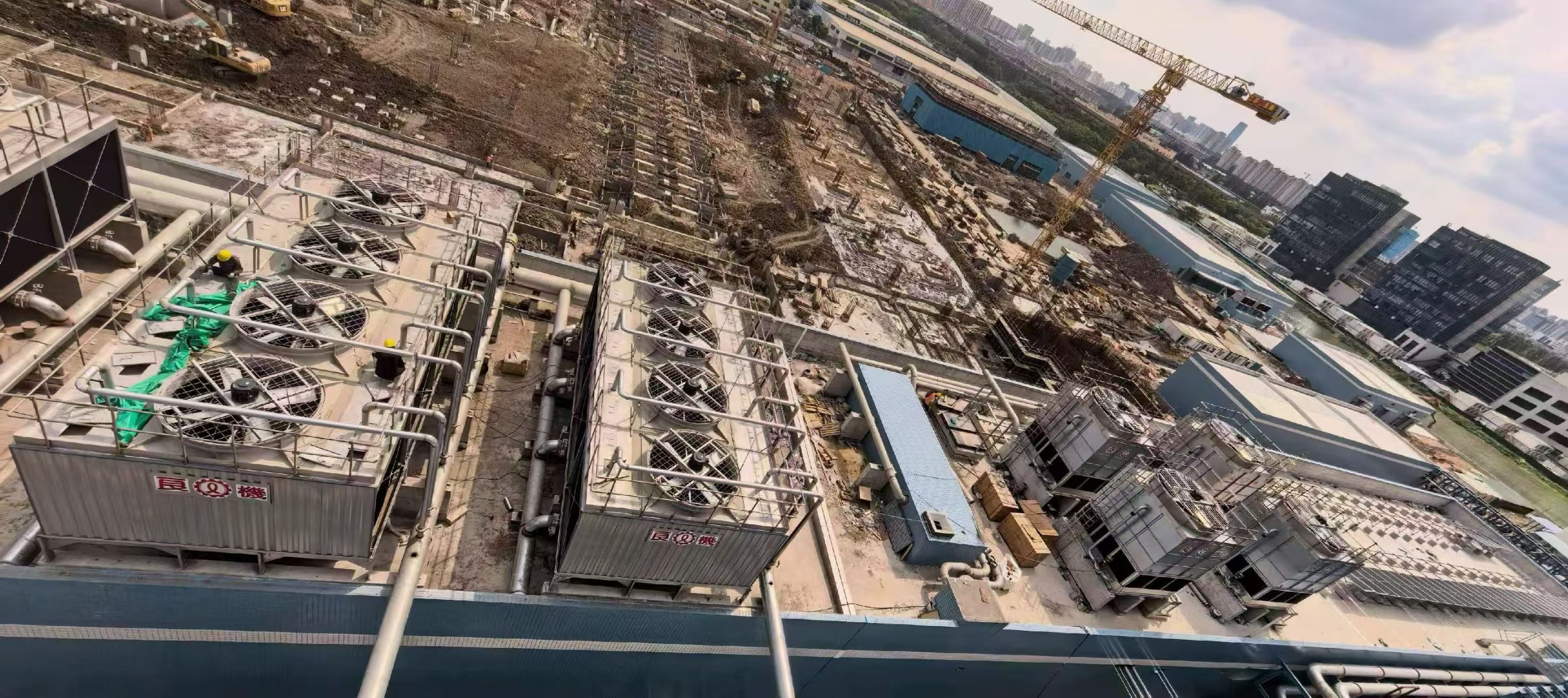
Cooling tower fill is one of the most important components of an industrial cooling tower. It increases the contact area between water and air, improving heat transfer and helping the system maintain the required cooling temperature. Over time, however, cooling tower fill can become clogged, damaged, deformed, or less efficient, making replacement necessary.
For industrial facilities in Malaysia, choosing the right cooling tower replacement fill can improve cooling performance, reduce maintenance costs, and extend equipment service life. Whether you operate a power plant, manufacturing facility, commercial building, or palm oil processing plant, selecting suitable fill media is essential for reliable cooling tower operation.
This buyer’s guide explains cooling tower fill types, materials, replacement signs, selection criteria, and how to find a reliable cooling tower fill supplier in Malaysia.
What Is Cooling Tower Replacement Fill?
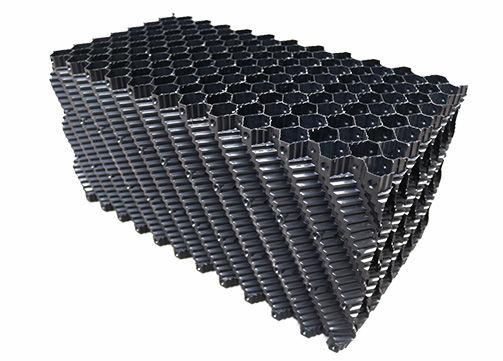
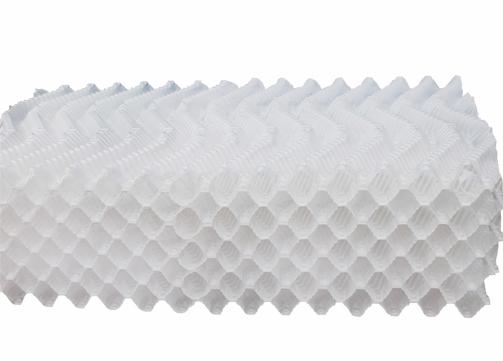
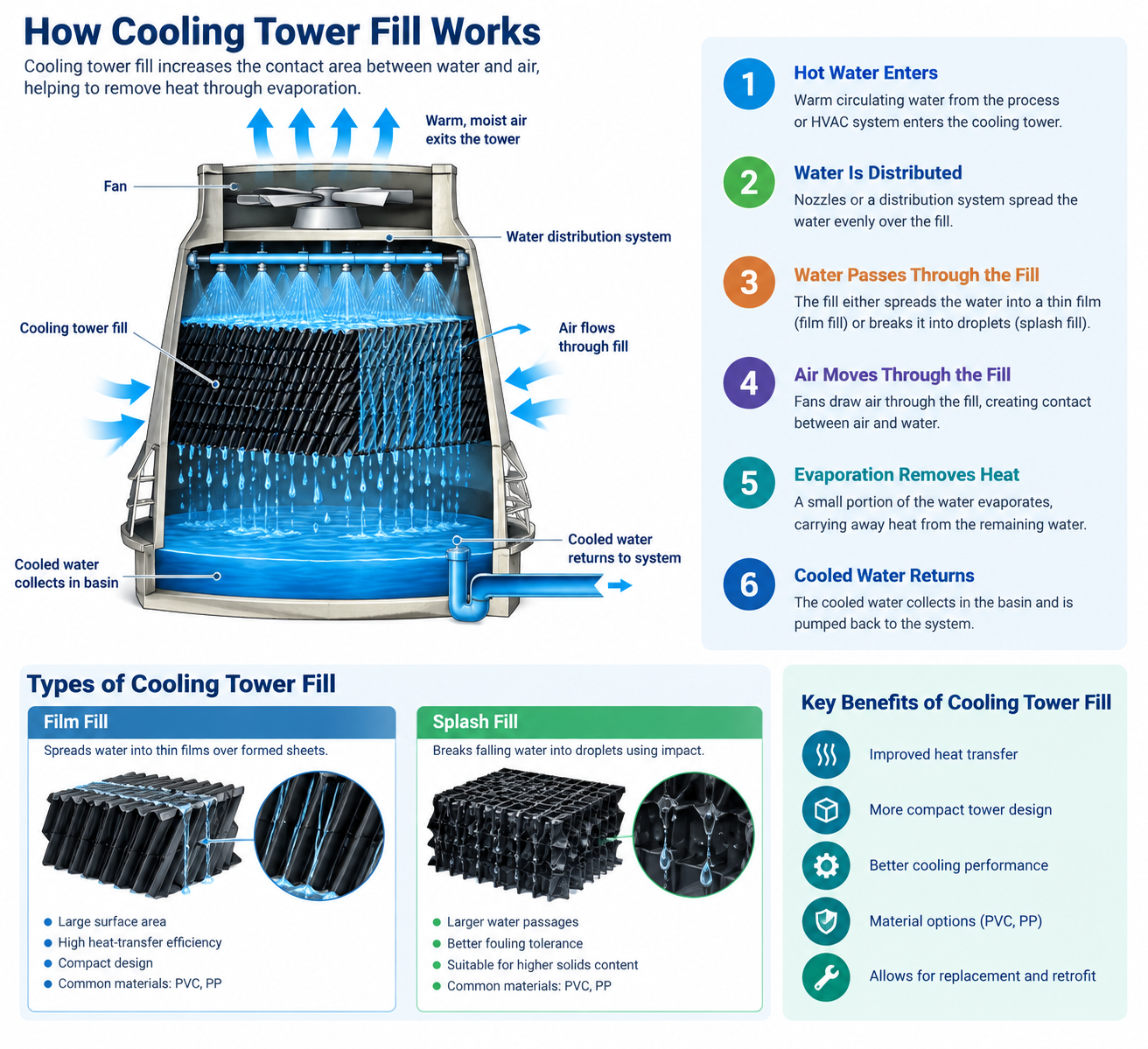
Cooling tower replacement fill, also called cooling tower fill media or cooling tower packing, is installed inside a cooling tower to increase the surface area available for heat exchange.
Warm circulating water flows over the fill while air moves through the tower. Heat transfers from the water to the air, and some water evaporates, reducing the temperature of the remaining water.
Replacement fill is used when existing media has deteriorated or when a cooling tower requires improved thermal performance. It can be manufactured to fit different tower designs, dimensions, water distribution systems, and operating conditions.
For Malaysian industrial buyers, replacement fill can be supplied for crossflow and counterflow cooling towers, including compatible aftermarket solutions for existing equipment.
Main Types of Cooling Tower Replacement Fill
Selecting the right fill type depends on water quality, cooling requirements, operating conditions, and maintenance expectations.
Film Fill
Film fill spreads water into thin sheets over closely spaced surfaces, creating a large contact area between water and air.
Advantages:
High heat-transfer efficiency
Compact design with a large effective surface area
Suitable for many industrial and HVAC cooling towers
Potential to reduce the required tower footprint
Film fill is commonly selected for relatively clean circulating water systems. However, narrow passages can become blocked by suspended solids, biological growth, and mineral deposits.
Splash Fill
Splash fill breaks falling water into smaller droplets as it passes over bars, grids, or other structured surfaces.
Advantages:
Better tolerance of suspended solids
Suitable for applications with greater fouling risk
Easier access for certain cleaning and maintenance operations
Available in different modular configurations
Splash fill is often considered for industrial facilities where water quality makes conventional film fill difficult to maintain.
Hybrid Fill
Hybrid fill combines characteristics of film and splash media. Depending on its design, it can provide a balance between heat-transfer performance and resistance to fouling.
It may be suitable for facilities that need improved thermal performance without sacrificing maintainability.
PVC vs. PP Cooling Tower Fill
Material selection is another important consideration when purchasing cooling tower replacement fill in Malaysia.
| Feature | PVC Fill | PP Fill |
| Main material | Polyvinyl chloride | Polypropylene |
| Typical advantages | Cost-effective and widely used | Good chemical resistance and higher temperature capability in many grades |
| Temperature suitability | Depends on formulation and operating conditions | Often preferred for higher-temperature applications |
| Common applications | HVAC and general industrial cooling | Industrial cooling and demanding process conditions |
| Key considerations | Temperature limits, chemical compatibility, UV exposure | Grade, thermal expansion, support requirements, and fire performance |
Both PVC and PP can provide effective cooling tower performance when properly designed and manufactured.
The best material depends on operating temperature, water chemistry, mechanical loading, fire requirements, and the original tower specifications. Buyers should request technical data rather than selecting materials based on price alone.
When Should Cooling Tower Fill Be Replaced?
Replacing fill at the right time helps prevent cooling problems and unexpected downtime.
Common warning signs include:
Reduced cooling efficiency: Cold-water temperature rises even when operating conditions are comparable.
Blocked fill passages: Sediment, scale, algae, or biofilm restricts water and airflow.
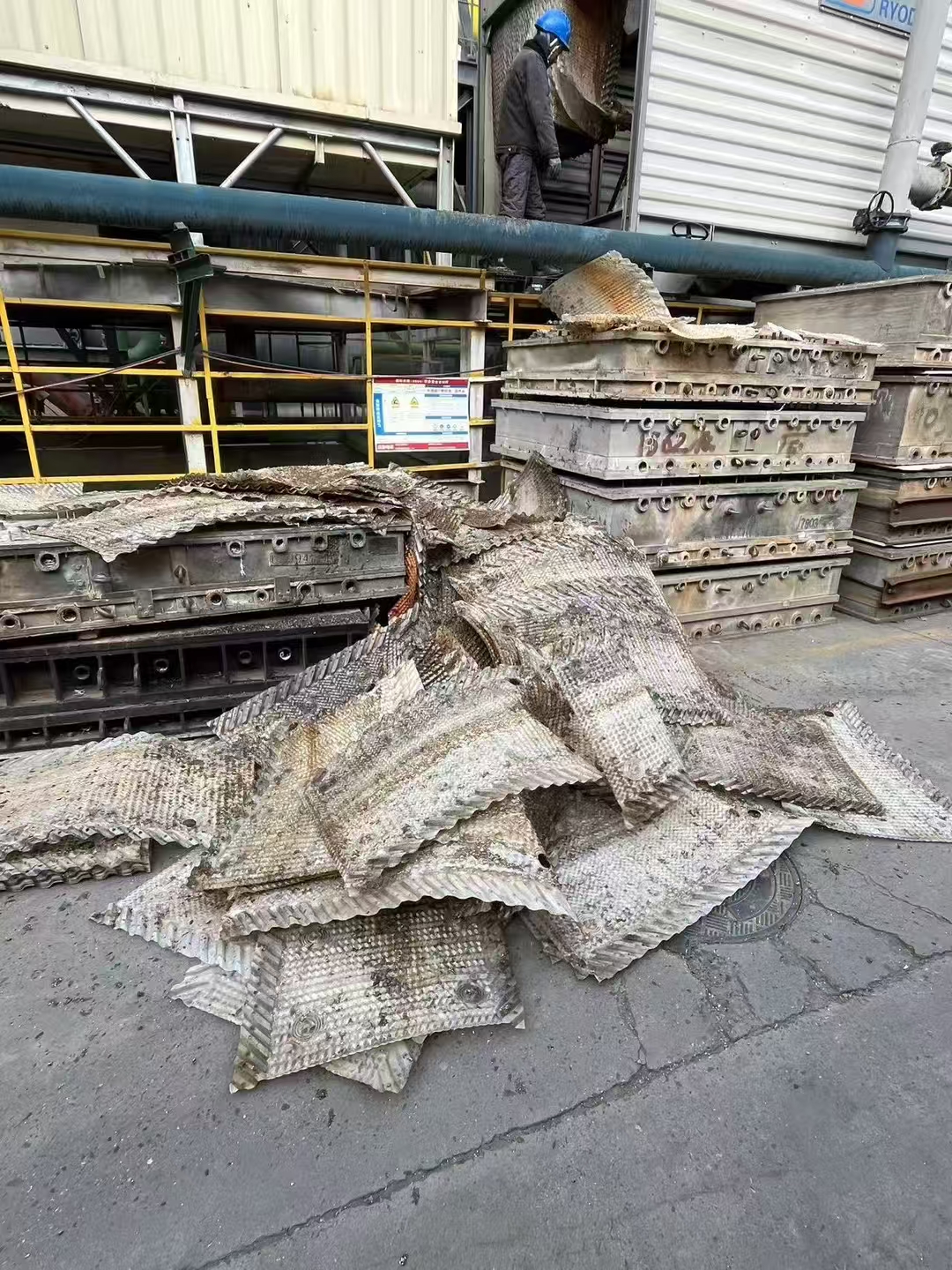
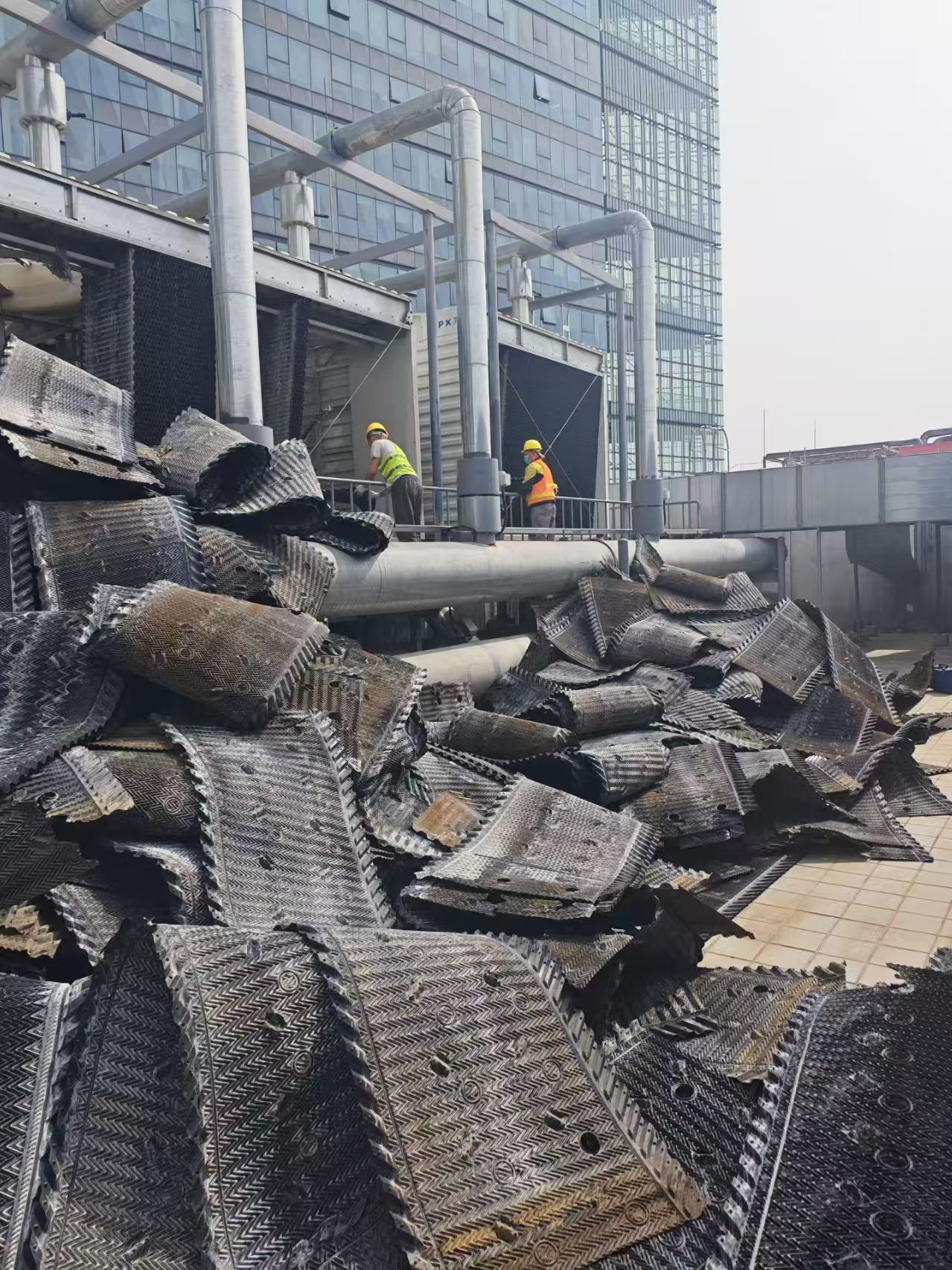
Damaged fill sheets: Media becomes brittle, cracked, warped, or collapsed.
Uneven water distribution: Some areas receive too much water while others remain relatively dry.
Increased pressure drop: Airflow resistance rises because of fouling or deformation.
Repeated maintenance problems: Cleaning no longer restores acceptable performance.
Before replacing the fill, inspect the water distribution system, nozzles, drift eliminators, fan, and air inlets. Poor cooling performance may result from several components rather than the fill alone.
How to Choose Cooling Tower Replacement Fill in Malaysia
Confirm the Cooling Tower Design
Identify whether the tower is crossflow or counterflow and record its manufacturer, model, dimensions, and fill arrangement.
If original drawings are unavailable, provide clear photographs and measurements to your supplier for evaluation.
Measure the Existing Fill
Important measurements include:
Fill block length, width, and height
Sheet spacing and profile
Block arrangement and installation orientation
Support beam spacing
Total replacement volume
Correct dimensions help ensure that replacement fill fits properly without creating gaps, obstructing airflow, or overloading the support structure.
Evaluate Water Quality
Water quality is particularly important when selecting between film and splash fill.
Check suspended solids, scaling tendency, biological growth, and the effectiveness of existing water treatment. Where fouling is severe, consider wider-passage film fill or splash fill designed for the operating conditions.
Check Thermal Performance
Ask suppliers for information about the fill's thermal performance, airflow resistance, operating temperature limits, and recommended water loading.
A replacement product should meet the cooling tower's design requirements. A lower purchase price does not necessarily mean a lower total operating cost.
Verify Material and Manufacturing Quality
Request details about material grade, sheet thickness, bonding quality, dimensional tolerances, and resistance to the chemicals used in your cooling system.
For outdoor installations, also evaluate UV exposure and the manufacturer's recommendations for service life and maintenance.
Cooling Tower Fill Suppliers in Malaysia: What Should Buyers Compare?
Malaysian buyers can evaluate local cooling tower service companies, established tower manufacturers, regional distributors, and overseas replacement-fill manufacturers that export to Malaysia.
Instead of comparing quotations only by unit price, review the following factors.
| Evaluation factor | What to check |
| Product compatibility | Fit with existing tower design and operating conditions |
| Material options | PVC, PP, and suitable alternative grades |
| Customization | Non-standard dimensions and replacement configurations |
| Technical support | Installation guidance and fill selection assistance |
| Quality control | Material specifications and dimensional consistency |
| Delivery | Lead time, shipping arrangements, and packing |
| Commercial terms | Minimum order quantity, warranty, and payment conditions |
For large industrial projects, ask whether the supplier can provide replacement fill blocks, installation accessories, and technical documentation together.
An experienced supplier should request operating information before recommending a product rather than offering a generic fill block without checking compatibility.
Is Aftermarket Cooling Tower Fill a Good Choice?
Aftermarket cooling tower fill can be a practical alternative when the original manufacturer’s replacement media is expensive, difficult to obtain, or subject to long lead times.
A compatible replacement may reduce procurement costs and provide greater flexibility in dimensions and materials.
However, compatibility must be verified. Buyers should compare the original fill profile, material, block dimensions, installation arrangement, and thermal requirements.
For Marley, BAC, EVAPCO, SPX, Hamon, and other cooling tower systems, specify the tower model and existing fill configuration when requesting a quotation. Brand compatibility should be confirmed for each application rather than assumed from the brand name alone.
Installation and Maintenance Tips
Correct installation is essential to achieve the expected performance of new cooling tower fill.
Before installation:
Shut down and isolate the cooling tower according to site safety procedures.
Remove damaged or fouled fill and inspect the supporting structure.
Clean the fill chamber and check water distribution nozzles.
Confirm that replacement blocks match the approved layout.
Install the blocks securely, avoiding gaps and misalignment.
Check airflow passages and water distribution before returning the tower to service.
After installation, monitor cold-water temperature, water distribution, airflow resistance, and overall cooling performance.
Regular water treatment and periodic inspections can help extend fill service life and delay the next replacement.
Request a Cooling Tower Replacement Fill Quotation
If you are sourcing cooling tower replacement fill in Malaysia, prepare the following information before contacting a manufacturer or supplier:
Cooling tower brand and model
Crossflow or counterflow configuration
Existing fill material and profile
Required dimensions and total quantity
Operating water temperature and water quality
Installation location and target delivery date
If you cannot identify the original fill model, provide photographs, measurements, and available drawings. A qualified supplier can use this information to assess potential replacement options.
CoolingTowerPart.com can be considered as a sourcing channel for compatible cooling tower fill and other replacement components. Buyers should confirm product specifications, compatibility, delivery terms, and technical support for their specific project before ordering.
Frequently Asked Questions
How long does cooling tower fill last?
Service life varies with material quality, water treatment, operating temperature, maintenance, and mechanical conditions. Regular inspection is more reliable than assuming a fixed replacement interval.
Is PVC or PP fill better for Malaysian cooling towers?
Neither material is universally better. PVC may be suitable for many conventional systems, while PP may be preferable for certain higher-temperature or chemically demanding applications. Confirm the actual operating limits of the selected grade.
Can I replace only damaged fill blocks?
Yes, partial replacement may be possible if the remaining fill is in good condition and the new blocks are compatible. Extensive deterioration, uneven aging, or inconsistent fill geometry may make full replacement more practical.
How can I reduce cooling tower fill replacement costs?
Compare total installed cost, expected maintenance needs, material suitability, delivery, and thermal performance. Correct water treatment and routine inspections can also reduce premature replacement.
Can Chinese manufacturers supply cooling tower replacement fill to Malaysia?
Many industrial component manufacturers offer international supply, but buyers should verify export capability, product quality, lead times, shipping terms, and technical support before placing an order.
Conclusion
Choosing the right cooling tower replacement fill in Malaysia requires more than finding the lowest quotation. Buyers should evaluate fill type, material, dimensions, water quality, thermal performance, and supplier reliability.
Film fill is often suitable for relatively clean water, while splash fill can be a better option for some applications with higher fouling risk. PP and PVC each offer benefits, depending on operating conditions and material specifications.
By confirming compatibility, comparing suppliers carefully, and maintaining the cooling tower properly, Malaysian industrial facilities can improve cooling reliability, control maintenance costs, and achieve better long-term value from their replacement fill investment.
Recommended internal links for CoolingTowerPart.com: