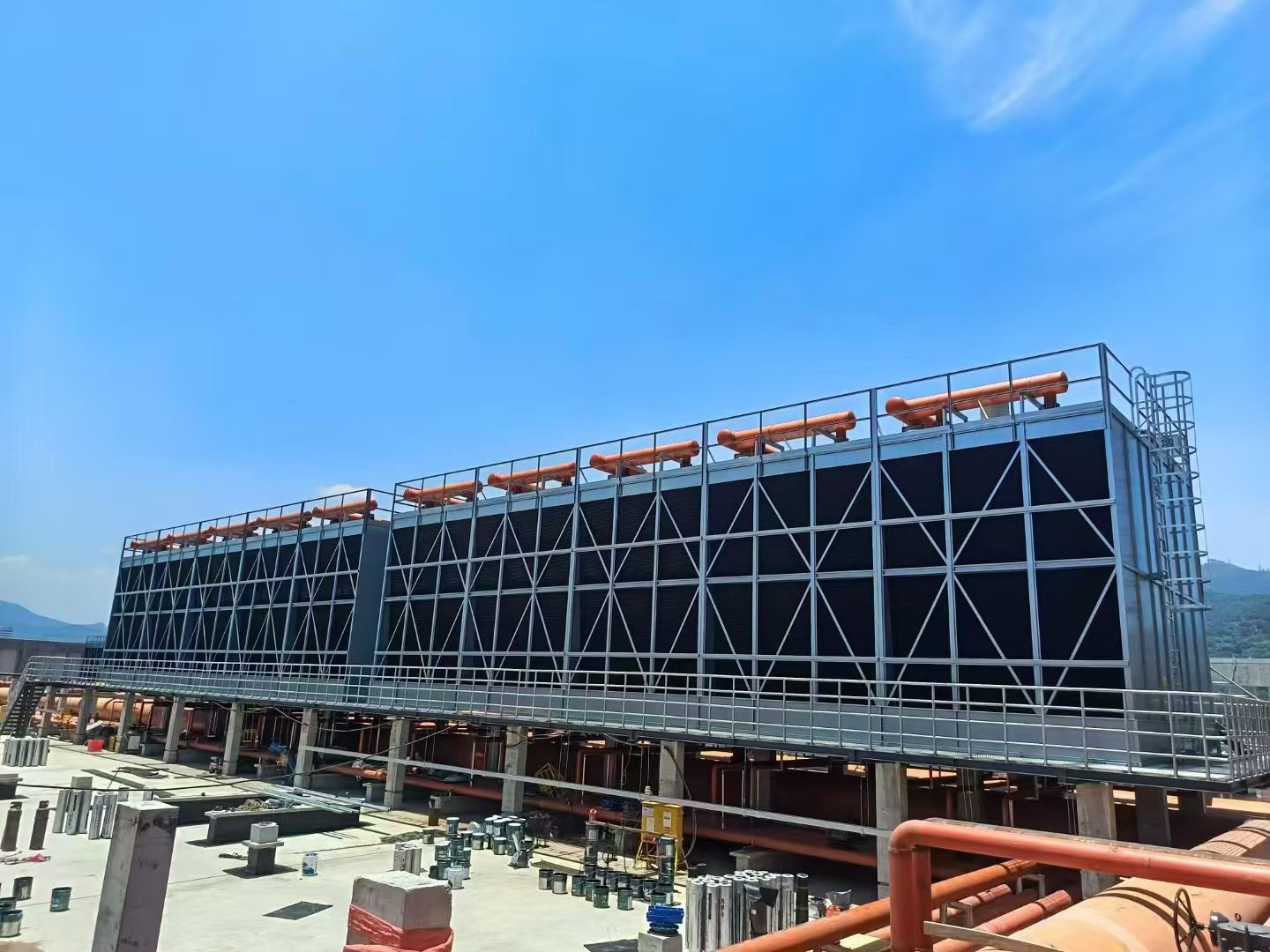
PVC cooling tower fill is a critical component in industrial and commercial cooling systems. It increases the contact area between water and air, allowing heat to transfer more efficiently and helping the cooling tower achieve its required cooling performance. However, when the fill becomes blocked by dirt or covered with mineral scale, its efficiency can decline significantly.
Blocked fill can restrict airflow, disrupt water distribution, reduce heat transfer, and increase operating costs. If the problem continues without proper treatment, cleaning may become more difficult, and the fill may eventually require replacement.
So, what causes blockage and scaling in PVC cooling tower fills, and how can you prevent these problems? The answer lies in understanding water quality, operating conditions, maintenance practices, and the characteristics of the fill itself.
In this guide, we explain the main causes of PVC cooling tower fill blockage and scaling, how these problems affect cooling performance, and which preventive measures can help extend fill service life.
1. What Is PVC Cooling Tower Fill?
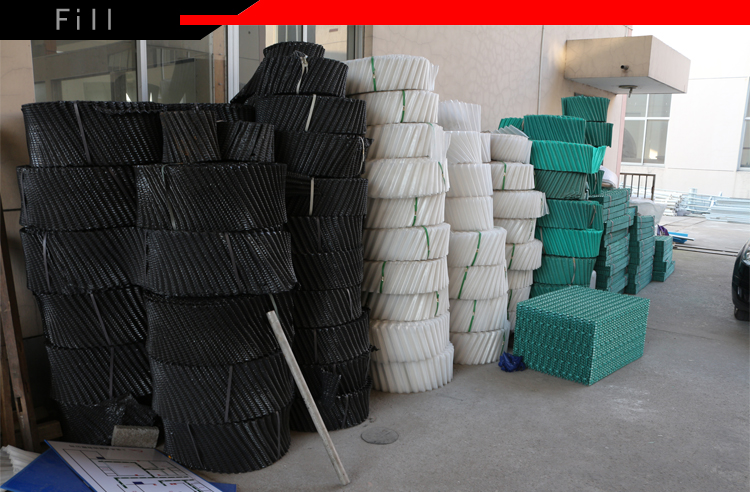
PVC cooling tower fill, also known as PVC cooling tower packing or fill media, is designed to improve heat exchange between circulating water and air. It creates an expanded surface area that allows water to spread into thin films or droplets as it moves through the cooling tower.
PVC film fill is widely used because it is lightweight, easy to install, and suitable for many industrial and HVAC cooling applications. Its formed sheets create narrow channels that promote water distribution and heat transfer.
However, these channels must remain sufficiently open to allow water and air to move freely. Suspended solids, biological growth, and mineral deposits can gradually accumulate on the fill surfaces, reducing its effective operating area.
Even a well-designed cooling tower can lose efficiency if its fill is poorly maintained. Understanding the causes of blockage and scaling is therefore essential for maintaining reliable cooling performance.
2. Why PVC Fill Is Essential for Cooling Tower Performance
The fill is one of the most important heat-transfer components in an evaporative cooling tower. It slows and spreads falling water, increasing the contact between water and air. This supports heat and mass transfer and helps the tower cool circulating water efficiently.
When the fill is clean, water can distribute across its surfaces while air passes through the designed channels. When deposits accumulate, that balance changes. Some areas may receive excessive water, while others become poorly wetted or experience restricted airflow.
These problems can reduce cooling capacity, increase energy consumption, and create additional maintenance requirements.
2.1 How PVC Film Fill Improves Heat Transfer
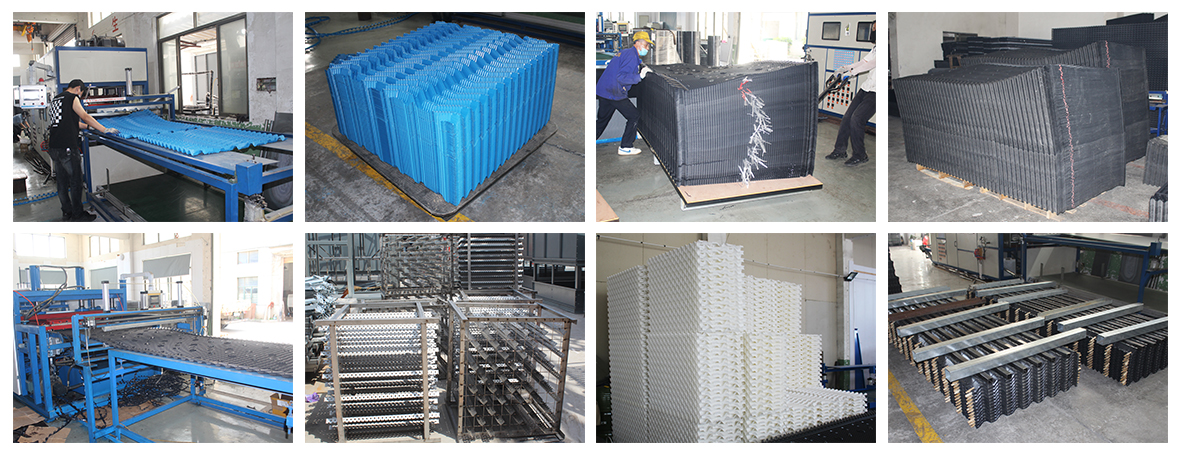
PVC film fill uses formed sheets with carefully designed patterns to create thin water films and improve contact between water and air.
The narrow passages and surface geometry help increase the effective heat-transfer area without requiring an excessively large cooling tower. This design works best when the fill remains clean and the water distribution system operates correctly.
If scale covers the sheet surfaces or debris blocks the passages, the fill cannot perform as intended. Maintaining suitable water quality is therefore just as important as selecting the right fill design.
2.2 Common Applications of PVC Cooling Tower Fill
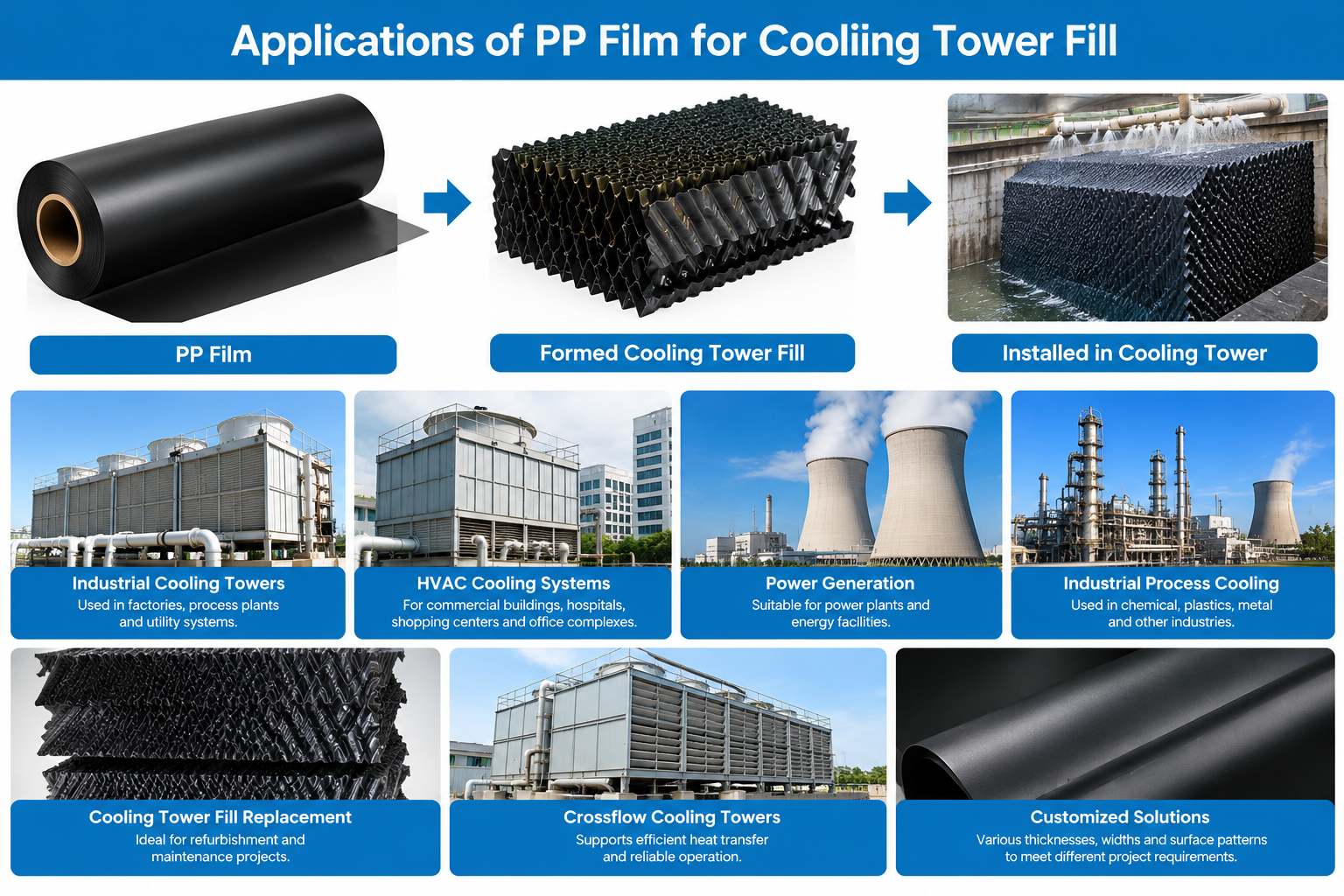
PVC cooling tower fill is commonly used in industrial manufacturing, chemical processing, power generation support systems, commercial HVAC installations, and other applications that require reliable heat rejection.
Different systems operate under different conditions. Some use relatively clean water, while others face high suspended-solids levels, elevated temperatures, or a greater risk of mineral scaling.
A fill suitable for a clean HVAC system may not be the best choice for a process with heavy contamination. Buyers should consider water quality, operating temperature, cooling tower configuration, and maintenance requirements when selecting PVC fill.
3. What Causes Blockage in PVC Cooling Tower Fills?
Blockage occurs when unwanted materials accumulate inside the fill passages or on the sheet surfaces. These materials may include sediment, dust, biological matter, corrosion products, and foreign debris.
Unlike mineral scaling, which occurs when dissolved substances precipitate from water, blockage often begins with particles or biological growth. However, the two problems frequently develop together.
For example, biofilm can trap suspended particles, while mineral deposits accumulate around the trapped material. As the passages become narrower, water and airflow may become less uniform, creating conditions that encourage further fouling.
Identifying the main contaminant is the first step toward choosing an effective cleaning and prevention strategy.
3.1 Suspended Solids and Sediment Accumulation
Dust, sand, silt, rust particles, and other suspended solids can enter a cooling tower through makeup water, airborne contamination, or corrosion in connected piping.
Some particles remain suspended in circulating water, while others settle on fill surfaces or collect in areas with low water velocity. Over time, these materials can form deposits that obstruct the passages between PVC sheets.
Cooling towers exposed to construction dust, industrial emissions, or other airborne contaminants may be particularly vulnerable.
Effective filtration, regular basin cleaning, and the removal of accumulated solids help reduce the amount of debris entering the fill. Operators should also investigate the source of recurring contamination rather than repeatedly cleaning the same deposits without addressing the cause.
3.2 Biological Growth and Biofilm Formation
Warm water, sunlight, nutrients, and suitable temperatures can encourage algae and microbial growth in cooling systems.
Biological material may form a slippery layer on PVC fill surfaces. This layer can reduce effective heat-transfer area and trap suspended particles, making the deposits more difficult to remove.
Biofilm may also contribute to uneven water distribution and create conditions that increase cleaning requirements. Simply rinsing the surface may not remove established biological growth.
A professionally managed water-treatment program should include appropriate biological control, routine monitoring, and cleaning when necessary. Treatment methods must be compatible with the system materials and comply with relevant safety and environmental requirements.
3.3 Corrosion Products and Foreign Debris
Corrosion in steel pipes, heat exchangers, and other system components can release rust and metal particles into circulating water.
Leaves, plastic fragments, fibers, and other foreign materials may also enter through air inlets or inadequately protected openings. These contaminants can accumulate near the fill entrance or become trapped between sheets.
Regularly inspecting strainers, piping, basin areas, and air inlets helps identify contamination sources before debris spreads throughout the cooling tower.
4. Understanding Scaling Problems in PVC Cooling Tower Fill
Scaling occurs when dissolved minerals in circulating water precipitate and form hard deposits on the fill or other cooling tower surfaces.
These deposits may appear white, gray, yellowish, or brown, depending on their composition and the presence of other contaminants. Unlike loose dirt, mineral scale often adheres firmly to surfaces and can be difficult to remove.
Scale can narrow fill passages, interfere with water distribution, and reduce the effective heat-transfer area. Thick deposits may also make maintenance more complicated and increase the risk of damage during cleaning.
Scaling should not be treated as a cleaning problem alone. Unless the underlying water chemistry is corrected, deposits are likely to return.
4.1 Calcium Carbonate and Mineral Deposits
Calcium carbonate is a common cause of cooling tower scale, particularly when water contains significant calcium hardness and alkalinity.
As water evaporates and its temperature and chemical balance change, calcium carbonate may precipitate onto surfaces. Other minerals, including certain magnesium compounds, can also contribute to deposits depending on the water chemistry and operating conditions.
Scale creates an additional layer on the fill surface and may reduce the space available for airflow. It can also alter the way water spreads across the sheets.
The appropriate treatment depends on the mineral involved, the thickness of the deposit, the fill material, and the compatibility of the cleaning method with other cooling tower components.
4.2 The Role of Water Chemistry
Water chemistry has a direct influence on scaling potential. Important parameters include pH, alkalinity, calcium hardness, conductivity, and the concentrations of other dissolved substances.
If these parameters move outside the control range established for the system, minerals may begin to precipitate.
A qualified water-treatment specialist can evaluate the system and recommend suitable scale inhibitors, monitoring limits, and blowdown settings.
Operators should avoid relying on a single measurement because scaling risk depends on the relationship between multiple water-quality factors and actual operating conditions.
Regular testing and accurate records make it easier to identify developing problems before visible scale becomes extensive.
4.3 How Evaporation Concentrates Dissolved Minerals
Cooling towers remove heat partly through evaporation. While water evaporates, most dissolved minerals remain in the circulating water. Their concentration therefore increases unless some water is discharged and replaced with fresh makeup water.
This process is described by the cycles of concentration.
If dissolved minerals become too concentrated for the system's water chemistry and treatment program, scaling becomes more likely. Proper blowdown control helps maintain mineral concentrations within the recommended operating range.
Too little blowdown may allow dissolved solids to accumulate, while excessive blowdown wastes water and treatment chemicals. The objective is to balance scale control, water consumption, and reliable cooling performance.
5. Signs of Blocked or Scaled PVC Cooling Tower Fill
Early detection can prevent minor fouling from becoming an expensive maintenance problem.
Common warning signs include:
Visible sediment or debris on the fill surfaces.
Hard mineral deposits on PVC sheets.
Slippery biofilm or algae growth.
Partially blocked passages between fill sheets.
Uneven water distribution across the fill.
Changes in cooling water temperatures.
Reduced cooling capacity under comparable operating conditions.
Increased fan energy consumption or other operating costs.
Repeated fouling shortly after cleaning.
These symptoms do not automatically prove that the fill is blocked. Fan performance, water flow, heat load, ambient wet-bulb temperature, and water distribution can also affect cooling results.
A reliable inspection should combine visual observations with operating data. Record changes over time so maintenance decisions are based on evidence rather than assumptions.
6. How Blockage and Scaling Affect Cooling Tower Performance
Blockage and scaling can affect several parts of the cooling process simultaneously. Deposits reduce the active heat-transfer area, interfere with water distribution, and may increase resistance to airflow.
As performance deteriorates, the cooling system may struggle to maintain the required leaving-water temperature. In manufacturing facilities, this can affect process stability and equipment operating conditions. In HVAC systems, it may reduce overall cooling efficiency.
The severity of the impact depends on the type and thickness of the deposits, the tower design, operating load, and the condition of other system components.
6.1 Reduced Heat Transfer Efficiency
Clean fill encourages water to spread across the available surface, increasing contact with moving air.
Scale and biofilm can cover this surface, while sediment may prevent water from reaching some areas. Consequently, less of the fill participates effectively in heat transfer.
Operators may respond by increasing fan speed or adjusting operating settings, but these measures cannot fully compensate for severely fouled fill.
Restoring the fill surface and correcting the source of deposits is usually a more sustainable solution than continually increasing energy input.
6.2 Increased Airflow Resistance
PVC film fill contains narrow passages designed to allow air to move through the cooling tower.
Deposits and trapped debris reduce the available cross-sectional area and can make airflow less uniform. Depending on the system design, the fan may need to work harder to move the required volume of air.
In severe cases, uneven airflow can contribute to uneven cooling across the fill pack.
Regular inspections should therefore examine both visible deposits and the condition of the air passages. Operators should also check drift eliminators and other components that can affect airflow.
6.3 Higher Energy and Maintenance Costs
A fouled cooling tower can increase energy consumption, reduce production reliability, and require more frequent maintenance.
Cleaning becomes more difficult when deposits harden or when fill sheets deform under accumulated material. If blockage remains unaddressed, the fill may eventually need replacement.
Preventive maintenance usually costs less than waiting for a serious performance decline. Monitoring water quality, maintaining filtration, and responding to early signs of fouling can help reduce unplanned downtime and extend the useful service life of PVC fill.
7. How to Inspect PVC Cooling Tower Fill
A systematic inspection helps operators determine whether cleaning, water-treatment adjustments, or replacement is necessary.
Before accessing the fill, follow the manufacturer's recommended procedures and the facility's safety requirements. Apply appropriate equipment isolation, lockout/tagout, confined-space controls, and biological-exposure precautions where required.
During inspection, check for:
Sediment and debris on the fill surfaces.
Hard scale and biological deposits.
Cracked, brittle, sagging, or deformed PVC sheets.
Blocked fill channels and uneven water distribution.
Obstructed or damaged spray nozzles.
Debris accumulated in the basin and strainers.
Changes in water quality and cooling performance records.
Review conductivity, pH, hardness, blowdown records, treatment results, water temperatures, and cooling performance trends.
Photographs taken from consistent locations can help maintenance teams compare conditions over time. Record the location and severity of deposits, as fouling may be concentrated in particular areas rather than distributed evenly across the fill.
Never inspect operating equipment in a way that exposes workers to moving machinery, hot water, hazardous chemicals, or cooling tower aerosols.
8. Effective Cleaning Methods for PVC Cooling Tower Fill
The appropriate cleaning method depends on the type and severity of the deposit.
Start by identifying whether the problem involves loose sediment, mineral scale, biological growth, or a combination of contaminants. Follow the cooling tower and fill manufacturer's guidance before applying water pressure, chemicals, or mechanical tools.
Aggressive cleaning can damage thin PVC sheets, distort their shape, or loosen pack connections. Cleaning should also address the source of contamination; otherwise, the same problem may return shortly after the system restarts.
8.1 Removing Loose Dirt and Sediment
Loose deposits may be removed using controlled water rinsing and suitable cleaning equipment.
Where practical, clean the fill in a way that allows sediment to be collected and removed rather than simply pushed deeper into the tower or basin.
Avoid excessive water pressure, which can deform sheets or damage bonded sections. If the fill is heavily packed with solids, removal and cleaning outside the tower may be necessary, provided the manufacturer permits this approach and the packs can be handled safely.
Clean the basin and inspect strainers so that loosened debris does not immediately recirculate through the system.
8.2 Removing Mineral Scale Safely
Mineral scale may require a compatible descaling treatment selected for the actual deposit.
Before using any chemical, confirm its compatibility with PVC, adhesives, structural supports, metal components, seals, and the water-treatment system.
Do not assume that a strong acid is automatically the best choice. An unsuitable chemical, concentration, temperature, or contact time can damage equipment and create serious worker-safety risks.
Follow the chemical supplier's instructions, use appropriate protective equipment, and manage cleaning solutions and wastewater according to applicable regulations.
For severe or unidentified scale, consult a qualified water-treatment professional before proceeding.
8.3 Controlling Biofilm and Algae
Biological deposits require an appropriate control strategy, not just surface rinsing.
A water-treatment specialist can recommend a suitable biocide program based on system conditions, microbial monitoring, material compatibility, and discharge requirements.
Mechanical cleaning may be necessary to remove established deposits before the treatment program can maintain control.
Never mix cleaning chemicals or biocides unless the supplier explicitly confirms that the combination is safe. Cooling towers can generate aerosols, so biological control and cleaning must be performed under an appropriate site-specific safety plan.

9. Preventive Measures to Reduce Blockage and Scaling
The most effective strategy is to prevent contaminants from entering the system, control water chemistry, and detect changes before deposits become severe.
No single treatment eliminates every fouling risk. Instead, combine filtration, routine water testing, blowdown management, biological control, proper water distribution, and planned inspections.
The maintenance program should reflect the tower's design, makeup-water quality, industrial environment, seasonal changes, and operating hours.
9.1 Improve Water Filtration
Suitable filtration helps remove suspended solids before they accumulate in the fill.
Depending on the system, options may include side-stream filtration, strainers, or other solids-removal equipment. Select filtration according to particle size, solids loading, flow rate, and system requirements.
Keep filters and strainers properly maintained. A neglected filter may lose effectiveness or create an excessive pressure drop.
Investigate where contamination enters the system as well. Protecting air inlets, controlling site dust, and maintaining piping can complement water filtration and reduce the burden on the fill.
9.2 Maintain Proper Water Treatment
A well-managed water-treatment program controls scaling, corrosion, and biological growth together.
Test water at the frequency specified by the treatment provider, and respond when measurements move outside established limits. Use scale inhibitors and other treatment chemicals only as recommended for the system's water chemistry and materials.
Maintain clear records of chemical dosing, test results, and observed deposits.
If scale continues to develop despite treatment, investigate the root cause instead of simply increasing the chemical dosage. The problem may involve incorrect blowdown settings, unsuitable treatment, poor mixing, or changing makeup-water quality.
9.3 Control Blowdown and Cycles of Concentration
Blowdown removes a portion of concentrated circulating water and replaces it with makeup water. This helps prevent dissolved minerals from building up beyond the system's operating limits.
Conductivity monitoring can support automated blowdown, but the target should be established using water chemistry, treatment guidance, and equipment requirements.
Excessive blowdown wastes water and treatment chemicals, while insufficient blowdown may increase scaling risk.
A balanced blowdown strategy helps control mineral concentration while limiting unnecessary water loss.
9.4 Optimize Water Distribution
Uniform water distribution helps the fill operate as designed.
Inspect spray nozzles, distribution basins, headers, and flow-control devices for blockages, damage, or uneven delivery.
A blocked nozzle may leave some fill areas too dry while overloading others, creating inconsistent heat transfer and localized fouling. Correcting distribution problems can improve performance even before a full fill cleaning is considered.
Verify the system's water flow and distribution pattern during scheduled maintenance, following the manufacturer's procedures.
9.5 Establish a Preventive Maintenance Schedule
Set inspection and cleaning intervals according to water quality, seasonal conditions, operating hours, and the history of fouling.
High-solids systems may require more frequent checks than systems with clean makeup water and effective filtration.
A practical program includes regular water testing, visual inspections, basin cleaning, nozzle checks, and periodic performance reviews.
Keep records of cleaning dates, deposit types, corrective actions, and measured operating conditions. These records help the maintenance team identify recurring patterns and adjust the schedule before blockage becomes severe.
9.6 Monitor Cooling Tower Performance Trends
Water quality and visual inspections are important, but performance data can provide another early warning.
Track inlet and outlet water temperatures, water flow, fan operation, ambient wet-bulb temperature, and the system's cooling load where these measurements are available.
Compare data under similar operating conditions. A change in outlet water temperature alone does not prove that scaling has occurred, because weather and heat load also influence cooling performance.
When several indicators change together, investigate the fill, water distribution system, airflow, and water-treatment records.
10. When Should PVC Cooling Tower Fill Be Replaced?
Cleaning is not always enough. Replacement may be necessary when PVC sheets have become brittle, cracked, severely deformed, detached, or persistently blocked after appropriate cleaning.
Extensive deposits that cannot be removed safely may also make replacement the more practical option.
Before deciding, assess the fill's structural condition, cooling performance, cleaning feasibility, and the risk of damaging it during restoration.
If replacement is required, identify and correct the original cause of fouling first. Installing new fill without improving water treatment, filtration, or water distribution may only restart the same cycle.
A proper replacement assessment should consider the condition of the existing fill, compatibility with the cooling tower, installation requirements, expected maintenance needs, and the total cost over the equipment's service life.
11. How to Choose PVC Fill That Resists Fouling
Choose cooling tower fill according to actual operating conditions rather than price alone.
Important factors include:
Makeup-water quality and suspended-solids concentration.
Operating temperature and cooling requirements.
Fill geometry and channel spacing.
Crossflow or counterflow cooling tower design.
Airflow requirements and available maintenance access.
Material specifications and chemical compatibility.
Ease of cleaning and expected service life.
PVC film fill provides a large heat-transfer surface, but it may not be suitable for every heavily contaminated water application without appropriate system design and maintenance.
Where fouling risk is high, discuss alternative fill configurations and cleaning access with a qualified supplier. Confirm dimensions, material specifications, installation requirements, and compatibility with the existing tower before ordering replacement products.
A suitable product, combined with proper water treatment and regular maintenance, can help reduce interruptions and lifecycle costs.
12. Common Mistakes to Avoid
Several maintenance mistakes can make blockage and scaling worse.
Treating every deposit as mineral scale: Sediment, biofilm, and corrosion products require different cleaning approaches. Identify the deposit before choosing a treatment.
Using excessive cleaning pressure: High pressure can deform PVC sheets or damage the fill pack. Use only methods permitted by the manufacturer.
Applying incompatible chemicals: An unsuitable chemical or concentration may damage PVC, adhesives, seals, or metal components. Confirm compatibility before treatment.
Ignoring water chemistry: Cleaning removes deposits but does not prevent their return if scaling conditions remain unchanged.
Overlooking blocked nozzles: Uneven water distribution can cause localized fouling even when the overall water quality appears acceptable.
Cleaning without removing basin sediment: Loosened debris may recirculate and accumulate again if it is not removed from the system.
Replacing fill without correcting the cause: New fill may foul quickly if filtration, blowdown, or water-treatment problems remain unresolved.
A better approach is to inspect the complete cooling system, identify the root cause, choose a compatible cleaning method, and verify that corrective actions improve operating conditions.
13. Why Choose Power Tower Cooling Technology (Shaoxing) Co.,Ltd?
Selecting suitable fill is an important part of maintaining cooling tower performance.
Power Tower Cooling Technology (Shaoxing) Co.,Ltd provides cooling tower parts and fill-related products for customers seeking practical solutions for industrial and commercial cooling systems.
When evaluating replacement PVC fill, customers should confirm material specifications, sheet dimensions, pack configuration, operating-temperature limits, and compatibility with their existing tower.
It is also useful to share information about water quality, scaling history, operating conditions, and cooling tower type before finalizing a selection. These details help ensure that the replacement is appropriate for the application rather than simply matching the original dimensions.
The right product, combined with effective water treatment and a well-planned maintenance schedule, can help operators manage fouling risks and maintain reliable cooling performance.
Learn more about cooling tower fill and related products at https://www.coolingtowerpart.com.
14. Frequently Asked Questions
14.1 What Is the Main Cause of Cooling Tower Fill Blockage?
Common causes include suspended solids, sediment, biological growth, corrosion products, and foreign debris. The dominant cause depends on makeup-water quality, environmental exposure, filtration, and maintenance practices.
In many systems, several contaminants combine to create a more stubborn deposit. Inspection and water testing help determine the most effective corrective action.
14.2 Can Scaling Be Removed from PVC Cooling Tower Fill?
Yes, some mineral deposits can be removed with suitable cleaning methods and compatible descaling products.
The correct approach depends on the scale composition, deposit thickness, PVC material, and fill construction. Strong chemicals or excessive pressure may cause damage, so follow the manufacturer's recommendations and seek professional advice for severe deposits.
14.3 How Often Should PVC Cooling Tower Fill Be Cleaned?
There is no universal cleaning interval. The required frequency depends on water quality, operating conditions, environmental contamination, and the effectiveness of the treatment program.
Use routine inspections and performance trends to establish a suitable schedule. Clean when deposits or operating changes indicate a need rather than relying only on a fixed calendar interval.
14.4 Does Blocked Fill Always Need Replacement?
No. If the PVC sheets remain structurally sound and deposits can be removed safely, cleaning may restore acceptable performance.
Replacement is more appropriate when the fill is damaged, deformed, severely deteriorated, or cannot be cleaned effectively. Always investigate the underlying cause before installing new fill.
14.5 How Can Scaling Be Prevented in a Cooling Tower?
Scaling prevention usually involves monitoring water chemistry, maintaining an appropriate water-treatment program, controlling cycles of concentration, and operating blowdown correctly.
Filtration and regular inspections also help identify problems early. The treatment strategy should be based on the system's actual water quality and operating conditions.
15. Conclusion
Blockage and scaling are common challenges for PVC cooling tower fills, but they can often be controlled through a consistent maintenance strategy.
Suspended solids, biological growth, mineral precipitation, corrosion products, and poor water distribution can all reduce fill performance. The most effective response combines early inspection, suitable filtration, balanced water treatment, proper blowdown control, and cleaning methods compatible with PVC.
When fill sheets are badly damaged or deposits cannot be removed safely, replacement may be the most practical solution. Just as importantly, correcting the original cause helps prevent the problem from returning.
For cooling tower operators, maintenance teams, and buyers, a proactive approach protects heat-transfer performance, reduces avoidable downtime, and supports more reliable operation.
For cooling tower fill and related product information, visit Power Tower Cooling Technology (Shaoxing) Co.,Ltd at coolingtowerpart.com.


