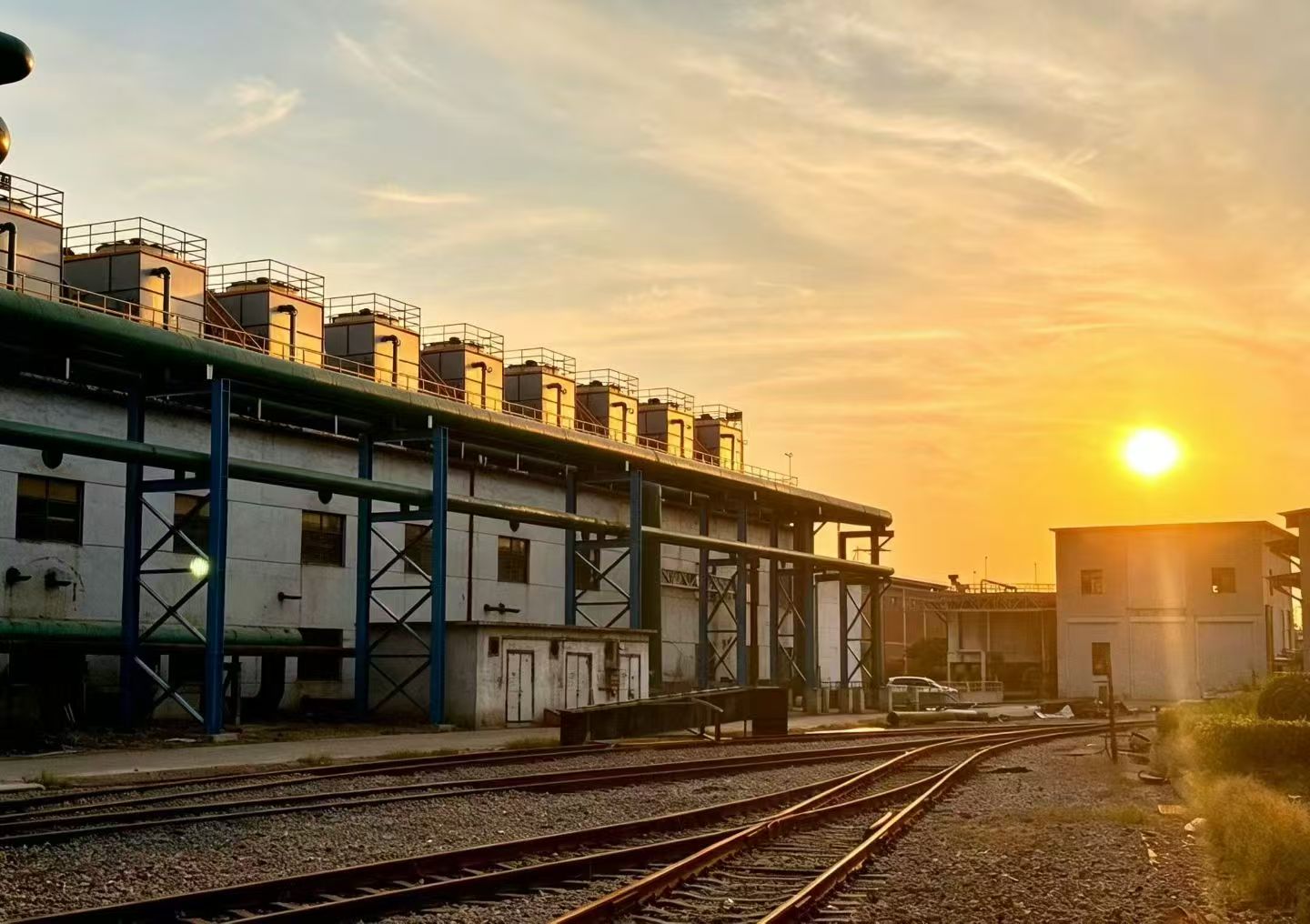
Introduction to Cooling Tower Fill Replacement
Is your cooling tower struggling to maintain the required water temperature? Are energy costs increasing, maintenance becoming more frequent, or production processes experiencing cooling problems during periods of high demand?
Before replacing the entire cooling tower, take a closer look at its fill.
Cooling tower fill is one of the most important components in an evaporative cooling system. It increases the contact area between circulating water and air, allowing heat to transfer more effectively. Over time, however, cooling tower fill can become clogged, scaled, deformed, or damaged by operating conditions. When this happens, the cooling tower may no longer perform as designed.
Cooling tower fill replacement can help address these problems when deteriorated or fouled fill is the underlying cause. Replacing severely damaged media may restore effective heat-transfer surfaces, improve airflow conditions, and reduce recurring maintenance requirements.
Power Tower Cooling Technology (Shaoxing) Co.,Ltd supplies cooling tower components for industrial and commercial applications through CoolingTowerPart.com. Whether you need replacement fill for an existing tower or are evaluating a different fill configuration, selecting the right product is essential for reliable operation.
In this article, we will explore the most common problems solved by cooling tower fill replacement, explain when replacement is necessary, and discuss how to choose suitable fill for your application.
What Is Cooling Tower Fill and Why Does It Matter?
Cooling tower fill, also known as cooling tower packing or fill media, is installed inside a cooling tower to increase the contact area between water and air.
Think of it as a network of surfaces that spreads water into thin films or breaks it into smaller droplets. Instead of falling directly into the collection basin, water interacts with the moving air over a larger area, creating more opportunities for heat and mass transfer.
When the fill is clean, correctly installed, and suitable for the operating conditions, it helps the cooling tower achieve its intended thermal performance. When the fill deteriorates, the effects can spread throughout the cooling system.
How Cooling Tower Fill Supports Heat Transfer
Warm water enters the cooling tower and flows over the fill while air moves through the same section. A portion of the water evaporates, carrying heat away from the remaining water. The cooled water then returns to the industrial process or condenser circuit.
Fill geometry, water distribution, airflow, operating temperature, and water quality all influence this process. If deposits block the passages or the fill sheets collapse, water and air may no longer interact effectively.
As a result, the cooling tower may struggle to reach its target cold-water temperature, particularly during periods of high heat load.
Film Fill vs. Splash Fill
There are two main types of cooling tower fill: film fill and splash fill.
Film fill spreads water over closely spaced surfaces, providing a large contact area for heat transfer. It is commonly used in industrial and commercial cooling towers where water quality and operating conditions are suitable.
Splash fill breaks falling water into smaller droplets through repeated impacts. Its more open structure can be advantageous in applications with higher suspended-solids concentrations or greater fouling risks.
Choosing the correct type is important when replacing existing fill. Installing a new product without considering water quality, tower design, and maintenance requirements may simply reproduce the same problems.
1. Reduced Cooling Efficiency
Reduced cooling efficiency is one of the most noticeable problems associated with deteriorated cooling tower fill.
You may notice that the cold-water temperature is higher than usual, even though the tower is operating under similar conditions. The cooling system may also struggle to meet process requirements during hot weather or periods of increased production.
Several factors can cause this problem, including clogged fill, mineral deposits, biological growth, deformed sheets, and uneven water distribution.
As deposits accumulate or the fill structure deteriorates, the effective heat-transfer area may decrease. Air and water may also distribute less evenly through the tower.
How Fill Replacement Helps
Replacing severely fouled or damaged fill can restore effective contact between water and air when the existing media is responsible for the performance loss.
However, fill replacement does not automatically solve every cooling problem. Fan performance, spray nozzles, water flow, ambient wet-bulb temperature, and process heat load should also be checked.
Before and after replacement, record operating conditions where possible. Comparing hot-water temperature, cold-water temperature, water flow, and ambient conditions can help determine whether the replacement has delivered the expected improvement.
2. Clogged Cooling Tower Fill
Clogging is a common reason for replacing cooling tower fill, particularly in industrial systems with challenging circulating-water conditions.
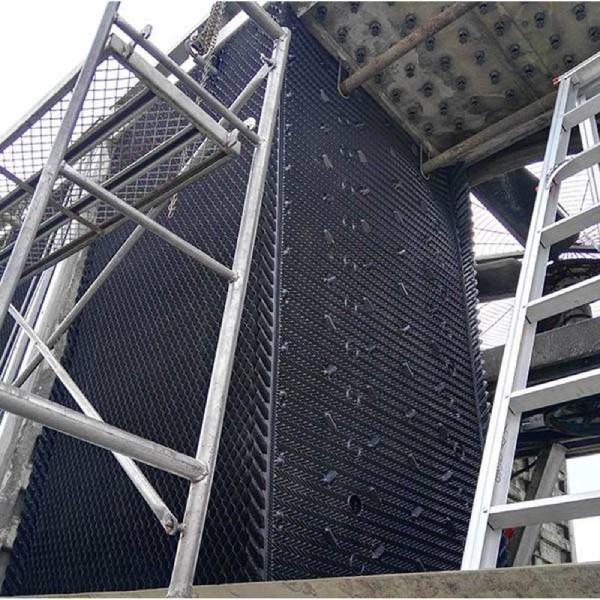
Dust, dirt, suspended solids, organic matter, and biological deposits can accumulate inside the fill passages. As buildup increases, the open space available for airflow and water movement becomes smaller.
This can reduce cooling performance and make routine maintenance more difficult.
Common Causes of Fill Blockage
Cooling tower fill can become clogged for several reasons:
Inadequate circulating-water treatment.
Excessive suspended solids in the water.
Dust and debris entering through air inlets.
Biological growth and accumulated slime.
Mineral deposits and corrosion products.
Insufficient inspection and cleaning.
The underlying cause matters. If poor water treatment continues after replacement, the new fill may become clogged again.
How Replacement Solves Severe Blockage
Cleaning may restore performance when deposits can be removed without damaging the fill. However, heavily clogged media can be difficult to clean thoroughly, especially when deposits have hardened or the sheets have become distorted.
In these cases, replacing the affected media may provide a more practical long-term solution.
For systems that repeatedly experience blockage, consider whether the existing film fill is appropriate for the water quality. A more open fill configuration or splash fill may be worth evaluating with a qualified supplier.
3. Heavy Scale and Mineral Deposits
Mineral scaling develops when dissolved minerals in circulating water precipitate and accumulate on surfaces.
As scale builds up on cooling tower fill, it can narrow water and air passages and interfere with effective heat transfer. Severe deposits may also add weight to the fill packs and place additional stress on their supports.
Can Fill Replacement Solve Scaling Problems?
Replacement can remove severely scaled media when cleaning is no longer effective or when the fill has been physically damaged by deposits.
However, replacement alone does not solve the underlying water-chemistry problem.
Before installing new fill, review the water-treatment program, mineral concentrations, cycles of concentration, and operating practices with the responsible water-treatment specialist.
Otherwise, scale may accumulate on the new fill and gradually recreate the same performance issues.
4. Algae, Slime, and Biological Fouling
Cooling towers provide warm, wet conditions in which biological growth can develop when treatment and maintenance are inadequate.
Algae, slime, biofilm, and other biological deposits may collect on fill surfaces and restrict the passages between sheets. This can interfere with airflow, water distribution, and heat transfer.
Biological fouling may also make the fill more difficult to inspect and clean.
When Is Replacement Necessary?
Not every case of biological growth requires new fill. If the media remains structurally sound, an appropriate cleaning and water-treatment program may be sufficient.
Replacement becomes more reasonable when the fill remains heavily fouled, has deteriorated physically, or cannot be restored to an acceptable condition.
After replacement, maintain a suitable water-treatment and inspection program. Cooling tower cleaning and disinfection should follow applicable site procedures and public-health requirements. Replacing fill alone does not eliminate biological hazards.
5. Uneven Water Distribution
Cooling tower fill depends on relatively uniform water distribution to make effective use of its available surface.
When water reaches some areas but misses others, the fill cannot perform consistently across the entire tower.
Common warning signs include dry sections, localized deposits, uneven wetting, and differences in water flow across the fill pack.
However, damaged fill is only one possible cause. Blocked nozzles, clogged distribution orifices, damaged headers, and incorrect water flow can produce similar symptoms.
How New Fill Can Help
If the existing fill has collapsed, shifted, or become permanently deformed, replacement can help restore the intended flow paths and installation geometry.
Before installing new media, inspect the water-distribution system and support structure. Correct any underlying problems that could affect the new fill.
For replacement projects, verify the fill dimensions, pack arrangement, and compatibility with the existing tower configuration.
6. Increased Airflow Resistance and Fan Energy
Cooling tower fill must allow air to pass through while providing sufficient contact with water.
When the passages become blocked or the sheets deform, airflow resistance may increase. This can affect fan operating conditions and contribute to higher energy consumption.
However, a rise in fan energy does not automatically indicate a fill problem. Fan blade condition, motor operation, airflow restrictions elsewhere, and mechanical faults should also be investigated.
Can Fill Replacement Reduce Energy Costs?
If fouled or collapsed fill is causing excessive resistance, replacing it with appropriately selected media may improve airflow conditions.
The result depends on the original problem, the replacement design, and the overall cooling tower system.
A suitable replacement should balance heat-transfer performance with pressure drop. Selecting fill solely because it has a large surface area may not deliver the best result if it creates unsuitable airflow resistance or is prone to clogging under the site's water conditions.
7. Fill Deformation, Cracking, and Collapse
Cooling tower fill operates under continuous exposure to water, temperature changes, chemical treatment, and mechanical loads.
Over time, unsuitable operating conditions or material deterioration may cause sheets to warp, crack, sag, or collapse. Mechanical damage can also occur during cleaning and maintenance.
Deformed fill may obstruct airflow and disrupt water distribution. In severe cases, loose or collapsed sections can damage nearby components or place additional loads on the support structure.
Why Damaged Fill Should Be Replaced
Cleaning cannot restore the original geometry of fill that has cracked, softened, or collapsed.
Replacement is generally the more appropriate option when structural damage compromises the fill's function or stability.
During the replacement project, inspect the supporting beams, frames, and other structural components. New fill should not be installed on a damaged support system.
8. High Operating Temperatures and Material Damage
Operating temperature is an important consideration when selecting cooling tower fill.
If the water temperature exceeds the material's suitable operating range, the fill may soften, deform, or lose mechanical strength. Chemical exposure and other environmental conditions can accelerate deterioration.
PVC and polypropylene are widely used materials for cooling tower fill, but their suitability depends on the specific formulation and actual operating conditions.
Choosing a More Suitable Material
PVC fill is commonly used in many conventional cooling tower applications. PP fill may be suitable where a different temperature capability or chemical-resistance profile is required.
Neither material is universally suitable for every application.
Before replacing damaged fill, confirm the maximum operating temperature, water chemistry, mechanical requirements, and manufacturer's material specifications.
Selecting the correct material helps reduce the risk of premature failure and repeated replacement.
9. Frequent Maintenance and Unexpected Downtime
If maintenance teams repeatedly clean the same clogged fill, repair broken sheets, or deal with recurring cooling problems, the existing media may have reached the end of its useful service life.
Frequent intervention consumes labor, interrupts normal operations, and makes maintenance planning more difficult. In production facilities, unreliable cooling can also affect process stability.
How Replacement Supports Maintenance Planning
When existing fill is severely deteriorated, planned replacement may be more practical than repeated attempts to repair it.
A replacement project provides an opportunity to inspect the fill support structure, water-distribution system, and other internal components.
It also allows the facility to evaluate whether the current fill design is appropriate for its operating conditions.
Although replacement requires an upfront investment, the decision should consider expected service life, maintenance requirements, and the potential cost of continued performance problems.
10. Cooling Tower Capacity Limitations
Sometimes a cooling tower can no longer meet its required cooling duty under the conditions for which it was originally expected to operate.
Fill deterioration may contribute to this problem, but so can increased process loads, changes in ambient conditions, fan limitations, and insufficient water flow.
Can New Fill Increase Cooling Capacity?
Replacing badly degraded fill may recover some lost performance when the existing media is the limiting factor.
However, installing a different fill design does not automatically increase the tower's rated capacity.
Any proposed performance upgrade should consider the tower's available volume, airflow, water distribution, thermal requirements, and structural limitations.
For projects intended to increase capacity beyond the original design, a technical evaluation is recommended before selecting replacement media.
When Should You Replace Cooling Tower Fill?
There is no single replacement interval that applies to every cooling tower. Service life depends on water quality, operating temperature, material selection, maintenance, and the severity of the operating environment.
Consider inspecting the fill when you notice:
Persistent increases in cold-water temperature.
Severe scaling or clogging that cannot be cleaned effectively.
Cracked, brittle, sagging, or collapsed fill sheets.
Repeated airflow restrictions.
Uneven water distribution associated with damaged media.
Recurring maintenance problems caused by fill deterioration.
Use inspection findings and operating data together rather than relying on age alone.
Cleaning vs. Replacement: Which Is Better?
Cleaning may be sufficient when deposits are removable and the fill remains structurally sound. Replacement is generally more appropriate when the media is severely scaled, permanently clogged, cracked, brittle, or deformed.
For light dirt or removable deposits, evaluate cleaning and water-treatment adjustments first. For moderate fouling, controlled cleaning followed by inspection may be effective. For severe scaling, repeated blockage, or structural damage, assess whether replacement is the better option.
If cooling performance remains poor despite apparently sound fill, inspect the complete cooling tower before ordering replacement media.
The goal is not to replace fill as often as possible. It is to replace it when the technical and economic evidence supports doing so.
How to Choose the Right Replacement Fill
Selecting replacement fill requires more than measuring the old pack and ordering a similar-looking product.
Start by confirming the tower configuration, available installation space, operating temperature, water quality, and required cooling performance.
You should also determine whether the existing fill type remains suitable for the application.
PVC Cooling Tower Fill
PVC film fill is commonly used in industrial and commercial cooling towers because its structured surfaces provide substantial contact area between water and air.
It can be a practical option when the water quality, operating temperature, and maintenance program suit the product specifications.
Before ordering, confirm the fill dimensions, sheet configuration, material grade, and compatibility with the tower.
PP Cooling Tower Fill
Polypropylene fill may be appropriate for applications requiring different temperature or chemical-resistance characteristics.
Its suitability depends on the exact material formulation and operating environment. Confirm the manufacturer's specified temperature range and chemical compatibility before selecting it as a replacement.
Splash Fill for Fouling-Prone Water
Where circulating water contains substantial suspended solids, a splash-fill design may be worth considering because its open structure can reduce susceptibility to certain types of blockage.
However, splash fill may require a different installation volume and thermal design from film fill.
Compare water quality, cooling requirements, available space, and maintenance needs before changing fill types.
Crossflow and Counterflow Cooling Tower Fill Replacement
The cooling tower's airflow arrangement affects fill selection and installation.
Crossflow Cooling Tower Fill
In crossflow towers, air generally moves horizontally across the falling water. Replacement fill must match the existing installation dimensions, support arrangement, and water-distribution system.
Customized crossflow fill can be useful for older towers or projects where standard pack sizes do not fit.
Counterflow Cooling Tower Fill
In counterflow towers, air typically moves upward while water flows downward. Replacement fill must support the required water distribution while maintaining suitable airflow characteristics.
For both configurations, confirm dimensions and installation requirements before production. A replacement that looks similar may still be unsuitable if its geometry or material differs from the tower's requirements.
The Cooling Tower Fill Replacement Process
A well-planned replacement project helps reduce installation problems and avoid unnecessary delays.
Step 1: Inspect the existing fill. Document fouling, scaling, deformation, damage, and water-distribution conditions.
Step 2: Identify the underlying problem. Determine whether fill deterioration is responsible for the performance issue or whether other components also need attention.
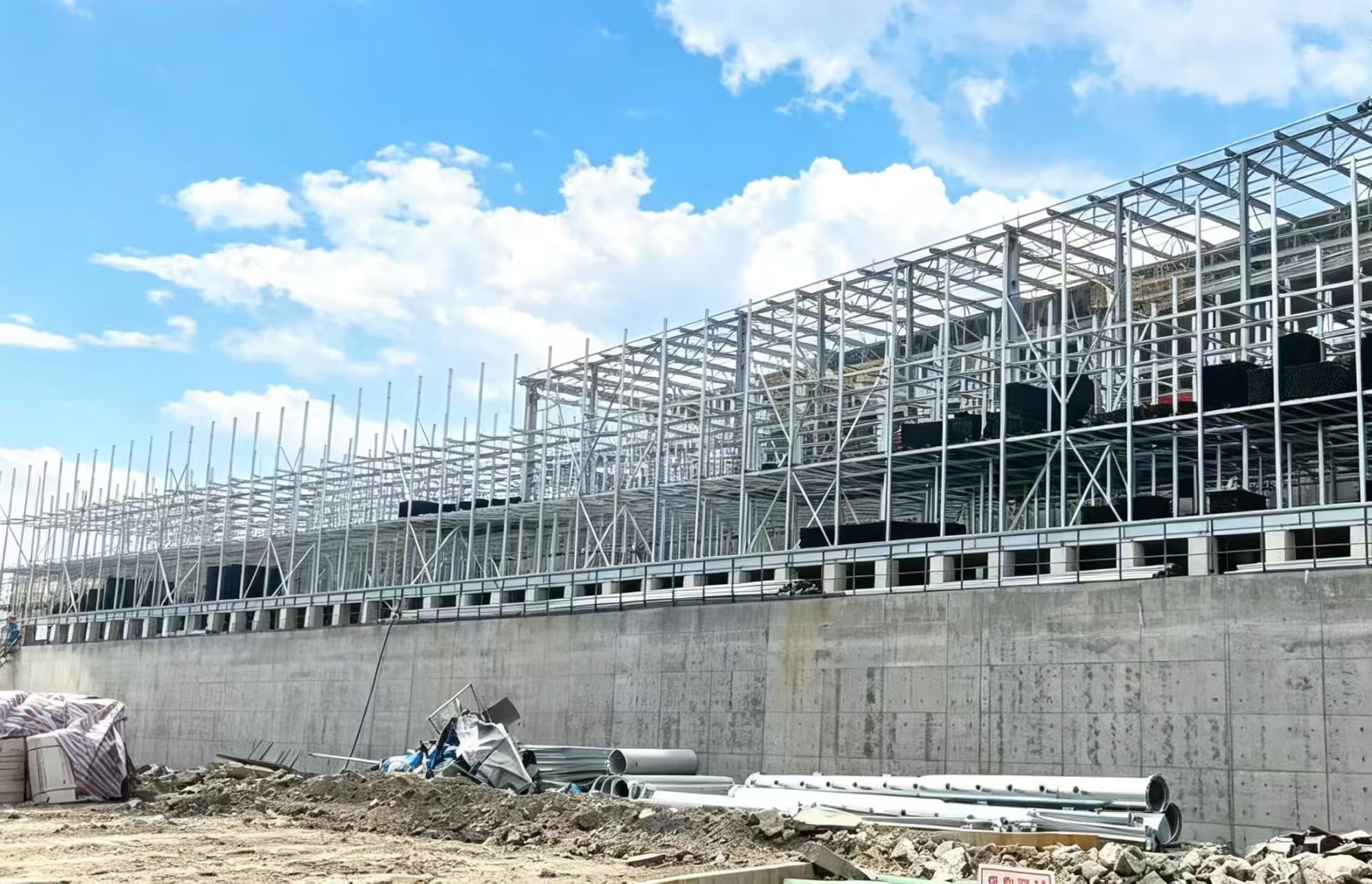
Step 3: Measure the installation. Record fill length, width, height, arrangement, support spacing, and available clearance. Photographs and drawings can help clarify unusual configurations.
Step 4: Select suitable replacement media. Consider fill type, material, water quality, operating temperature, and airflow requirements.
Step 5: Confirm specifications before ordering. Verify dimensions, material, quantity, and project-specific requirements with the supplier.
Step 6: Remove old fill and inspect supports. Follow site safety procedures and check the structural condition of the fill support system.
Step 7: Install and inspect the replacement. Follow the manufacturer's installation instructions and check for gaps, obstructions, and uneven water distribution.
Step 8: Review operating performance. Compare operating data under comparable conditions to evaluate the outcome.
Common Mistakes to Avoid During Fill Replacement
Even a good replacement product can underperform if the selection process overlooks important details.
Avoid these common mistakes:
Choosing by price alone: A low initial price may not represent the best long-term value if the product is unsuitable for the operating conditions.
Ignoring water quality: Replacing clogged film fill without addressing recurring fouling may lead to the same problem.
Using unverified dimensions: Incorrect measurements can cause installation difficulties and poor fit.
Ignoring the support structure: New fill cannot compensate for damaged supports.
Assuming all materials perform identically: PVC and PP products can have different operating limits depending on formulation.
Expecting fill replacement to solve every problem: Fan faults, blocked nozzles, inadequate water flow, and excessive process loads may require separate corrective action.
A systematic evaluation helps ensure that replacement addresses the actual cause of the problem.
Why Choose Power Tower Cooling Technology (Shaoxing) Co.,Ltd?

Finding the right cooling tower fill supplier is an important part of a successful replacement project. Buyers need components that match their installation dimensions, operating conditions, and maintenance requirements.
Power Tower Cooling Technology (Shaoxing) Co.,Ltd supplies cooling tower components through CoolingTowerPart.com, serving buyers looking for cooling tower fill and replacement solutions.
When discussing a project, prepare the following information:
Cooling tower type and model, if known.
Required fill dimensions and configuration.
Preferred material, if specified.
Operating temperatures and circulating-water conditions.
Required quantity and delivery destination.
Photographs or drawings of the existing installation.
Providing these details helps establish the technical requirements before an order is confirmed.
Whether you are replacing clogged film fill, addressing damaged fill packs, or evaluating a different fill type for challenging water conditions, careful product selection is essential.
Visit CoolingTowerPart.com to explore cooling tower component solutions and discuss your replacement requirements with Power Tower Cooling Technology (Shaoxing) Co.,Ltd.
Frequently Asked Questions
Can Cooling Tower Fill Replacement Improve Cooling Performance?
Yes, when degraded or clogged fill is a significant cause of poor performance. Replacement can restore effective heat-transfer surfaces and improve water and airflow conditions. Results depend on the overall cooling tower design and operating environment.
How Long Does Cooling Tower Fill Last?
There is no universal service life. Fill longevity depends on water quality, temperature, material compatibility, maintenance, and operating conditions. Regular inspection is more reliable than using a fixed replacement interval for every installation.
Should I Replace Cooling Tower Fill or Clean It?
Cleaning may be sufficient when deposits are removable and the fill remains structurally sound. Replacement is generally more appropriate when the media is severely scaled, permanently clogged, cracked, brittle, or deformed.
Can Replacement Fill Fit Different Cooling Tower Brands?
Replacement fill can often be configured for different cooling tower brands when the necessary dimensions and technical requirements are available. Confirm the installation measurements and specifications rather than relying on the brand name alone.
Can New Fill Reduce Cooling Tower Energy Consumption?
It may help when fouled or deformed fill is causing excessive airflow resistance or poor thermal performance. Actual energy savings depend on the original condition, replacement design, fan operation, and overall system performance.
Conclusion: Solve Cooling Tower Problems at the Source
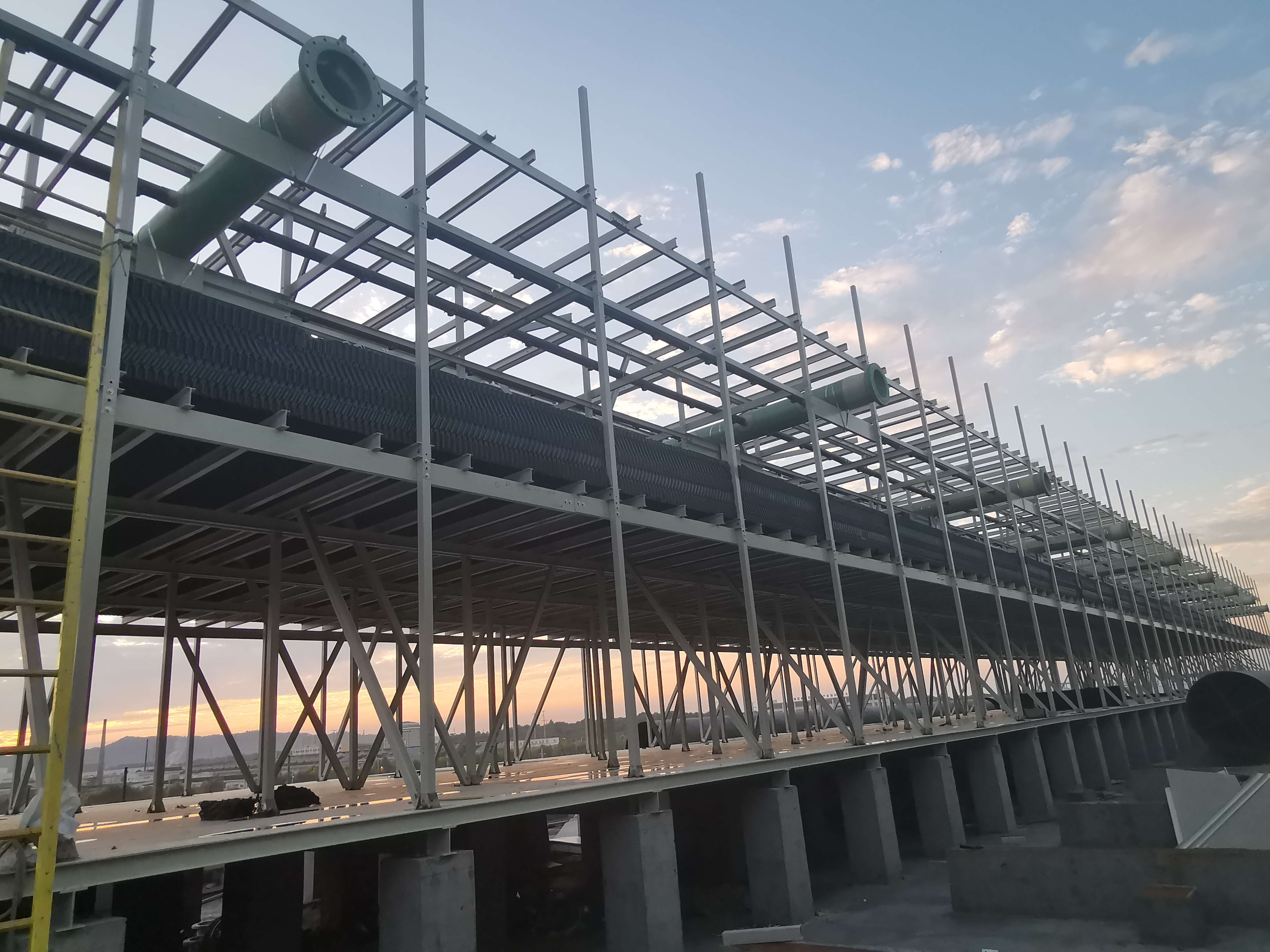
Cooling tower fill replacement can address several common operating problems, including reduced cooling efficiency, severe clogging, mineral scaling, biological fouling, uneven water distribution, airflow restrictions, and structural deterioration.
But successful replacement starts with identifying the real cause of the problem. Cleaning may be sufficient for sound fill with removable deposits, while severely damaged media may require replacement. Water treatment, airflow, spray nozzles, and support structures should also be evaluated to prevent recurring failures.
Choosing the right fill type, material, and dimensions helps ensure that the replacement is compatible with the tower's operating conditions.
Power Tower Cooling Technology (Shaoxing) Co.,Ltd supplies cooling tower components through https://www.coolingtowerpart.com. If your cooling tower is experiencing recurring fill problems, prepare your operating information and installation measurements to help identify a suitable replacement solution.
A well-planned fill replacement project can help restore reliable cooling performance, simplify maintenance, and support the long-term operation of your cooling system.


