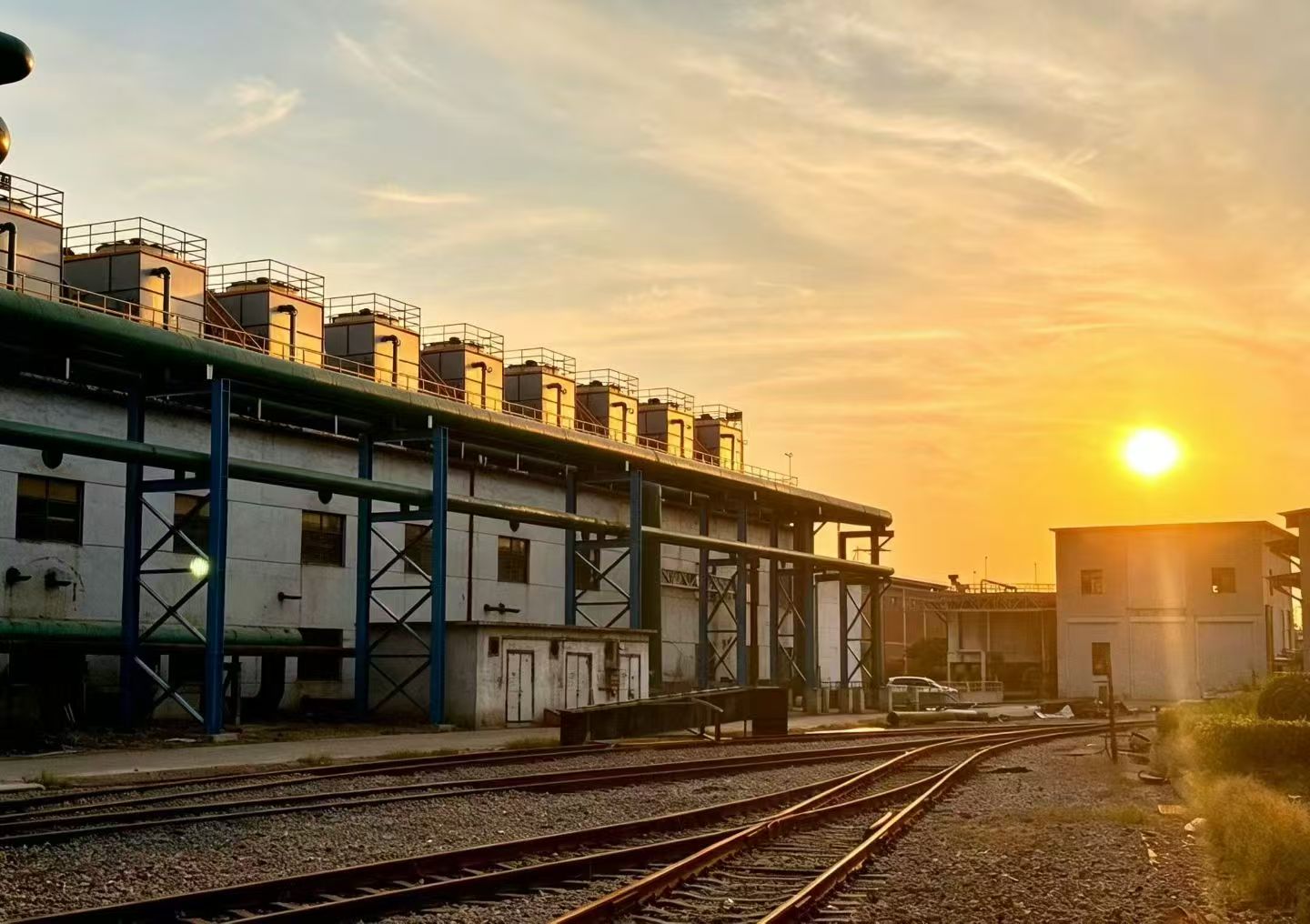
China PP cooling tower filler is an important option for industrial cooling tower replacement, retrofit, and new installation projects. Made from polypropylene (PP), this type of cooling tower fill media is valued for its chemical resistance, lightweight construction, and suitability for applications where operating conditions may be challenging for conventional materials.
For industrial buyers, distributors, engineering contractors, and cooling tower maintenance companies, sourcing PP cooling tower filler from China can provide access to customized products, competitive manufacturing costs, and bulk export supply. However, selecting the right fill requires more than comparing prices. Material grade, operating temperature, fill structure, water quality, and thermal performance all influence the final decision.
This guide explains how to select China PP cooling tower filler, evaluate its performance, and choose a suitable supplier.
What Is PP Cooling Tower Filler?
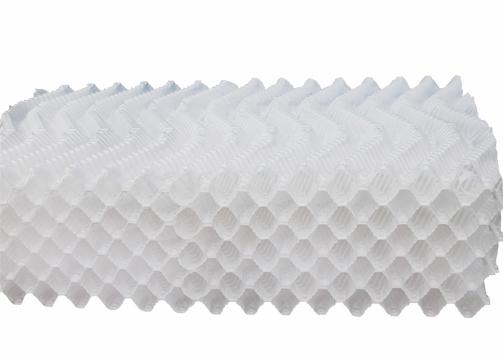
PP cooling tower filler, also known as polypropylene cooling tower fill media or PP cooling tower packing, is installed inside a cooling tower to increase the contact area between circulating water and air.
Hot water flows over the fill surfaces or breaks into droplets, depending on the fill design. Air passes through the media, allowing heat to transfer from the water to the air. Evaporation removes a portion of the heat, helping reduce the water temperature before it returns to the cooling system.
PP cooling tower filler is commonly available in several configurations:
PP film fill packs
PP splash fill media
Crossflow cooling tower fill
Counterflow cooling tower fill
Customized replacement fill packs
The correct product depends on the tower design, required cooling capacity, water quality, and installation dimensions.
Why Choose Polypropylene for Cooling Tower Fill?
Polypropylene is a thermoplastic material used in many industrial applications. Its characteristics can make it suitable for cooling tower environments where chemical exposure, temperature, and maintenance requirements need careful consideration.
Chemical Resistance
PP offers good resistance to many acids, alkalis, and industrial chemicals. This can be beneficial in cooling water systems where chemical compatibility is an important selection factor.
However, resistance depends on the specific chemical, concentration, temperature, and exposure duration. Buyers should confirm compatibility with the manufacturer before ordering.
Lightweight Construction
PP cooling tower filler is generally lightweight, making it easier to handle, transport, and install. This can help simplify replacement work, especially when large quantities of fill packs are required.
Temperature Suitability
PP may be preferable to standard PVC fill in certain higher-temperature applications. However, actual operating limits depend on the material formulation, sheet thickness, mechanical loading, and fill design.
Always request the manufacturer's recommended continuous operating temperature instead of assuming all polypropylene products have the same temperature rating.
Flexible Manufacturing
PP can be formed into different sheet profiles and fill structures. Manufacturers may offer customized pack dimensions and configurations for industrial replacement and retrofit projects.
Potentially Long Service Life
When correctly selected and operated, PP fill can provide reliable service. Its lifespan still depends on water quality, UV exposure, mechanical stress, temperature, and maintenance practices.
Main Applications of China PP Cooling Tower Filler
China PP cooling tower filler can be used in various industrial and commercial cooling applications, provided the material and fill design meet the operating requirements.
Industrial manufacturing: Factories use cooling towers to remove heat from production equipment, process water, and heat exchangers.
Chemical processing: PP may be considered for compatible cooling systems where chemical resistance is a priority.
Power generation: Cooling towers in energy facilities may use PP fill when the operating temperature and hydraulic requirements match the product specifications.
Wastewater and water treatment facilities: PP fill may be suitable for selected cooling systems exposed to specific water-treatment chemicals. Compatibility must be evaluated for each application.
Cooling tower replacement projects: PP fill packs can replace worn or damaged media when the dimensions, structure, and performance requirements are compatible with the existing tower.
Before choosing PP for a specialized industrial process, confirm the actual water chemistry, temperature range, and expected mechanical loads.
PP Film Fill vs. PP Splash Fill
The fill structure has a direct impact on heat transfer, airflow resistance, and maintenance requirements.
| Feature | PP Film Fill | PP Splash Fill |
| Heat-transfer method | Spreads water into thin films | Breaks water into droplets |
| Contact area | Generally high | Depends on splash geometry |
| Fouling risk | May be higher with narrow passages | Often more tolerant of suspended solids |
| Typical applications | Systems with suitable water quality | Systems where fouling resistance is important |
| Maintenance considerations | Requires attention to scaling and blockage | Requires inspection for deposits and damage |
PP film fill is often selected when high thermal performance and compact installation are priorities. PP splash fill may be more suitable where circulating water contains substantial suspended solids or where an open structure is preferred.
Neither design is universally superior. Buyers should consider water quality, thermal duty, airflow, pressure drop, and cleaning frequency.
PP Cooling Tower Filler Performance Factors
Material selection is only one part of cooling tower performance. The fill geometry and operating conditions also matter.
Heat-Transfer Efficiency
A well-designed fill increases the contact area between water and air. Performance depends on the sheet profile, water distribution, airflow, water loading, and operating conditions.
Airflow Resistance
Fill design affects the resistance that air encounters as it moves through the tower. Excessive pressure drop can increase fan energy requirements or reduce airflow if the existing fan system cannot accommodate it.
Water Distribution
Uneven water distribution can create dry areas and reduce the effective heat-transfer surface. Confirm that the fill works with the tower's existing distribution system.
Fouling and Blockage
Scale, sediment, algae, and biological growth can restrict water and airflow passages. Appropriate water treatment, regular inspection, and cleaning help maintain performance.
Structural Stability
Fill packs must withstand their own weight, water loading, installation handling, and the operating environment. Request relevant mechanical specifications and installation recommendations for large or demanding projects.
How to Select the Right China PP Cooling Tower Filler
Before requesting a quotation, prepare the following project information.
1. Operating temperature: Provide normal and peak water temperatures. Confirm that the selected PP formulation is suitable for continuous service.
2. Water chemistry: Identify treatment chemicals, pH conditions, suspended solids, and potential contaminants.
3. Cooling tower type: Specify whether the tower uses crossflow or counterflow airflow and whether the replacement is film fill or splash fill.
4. Fill dimensions: Measure the existing packs, including length, width, height, and installation clearance.
5. Thermal requirements: Share the cooling duty, water flow rate, and other available design information to support technical evaluation.
6. Maintenance conditions: Consider cleaning frequency, access limitations, and the expected level of fouling.
7. Order quantity: Confirm the required quantity, delivery destination, and project schedule.
Complete information helps manufacturers recommend a suitable product and reduces the risk of ordering incompatible fill packs.
China PP Cooling Tower Filler for Replacement and Retrofit Projects
Many industrial buyers need replacement fill that fits an existing cooling tower without major structural modifications.
For Marley, BAC, EVAPCO, SPX, or other cooling tower systems, verify pack dimensions, fill geometry, support arrangements, water distribution, and airflow requirements before ordering aftermarket PP fill.
Compatibility should be confirmed for the specific tower model and operating conditions. An aftermarket replacement should not be described as an original or officially approved product without supporting documentation.
For custom projects, ask the supplier whether it can manufacture PP fill to specified dimensions and provide drawings or samples for review before mass production.
How to Choose a Reliable China PP Cooling Tower Filler Supplier
A suitable supplier should provide more than a competitive quotation. Evaluate the following factors:
Material specifications: Confirm the PP material grade and recommended operating limits.
Manufacturing capability: Determine whether the company manufactures fill media or resells products.
Quality control: Ask about dimensional inspection, production checks, and packaging procedures.
Customization: Confirm the availability of custom dimensions and fill configurations.
Technical support: Check whether the supplier can review drawings and application requirements.
Bulk supply capacity: Verify production lead times and the ability to meet project quantities.
Export experience: Clarify shipping terms, export documentation, and delivery arrangements.
For large orders, consider requesting a sample or trial batch before approving full production.
China PP Cooling Tower Filler Price and Bulk Supply
The price of PP cooling tower filler depends on material costs, sheet thickness, fill geometry, pack dimensions, customization, and order volume.
Bulk purchases may reduce unit costs, but the final delivered price also depends on packaging, freight, customs charges, and delivery terms.
When comparing suppliers, request quotations based on the same material requirements, dimensions, fill type, quantity, and technical specifications. Confirm whether the quotation includes packaging, inspection, and export preparation.
For international projects, coordinate production and shipping schedules with the planned installation date to avoid delays during maintenance shutdowns.
Frequently Asked Questions
Is PP cooling tower filler better than PVC fill?
Not in every application. PP may offer advantages in certain temperature and chemical environments, while PVC is widely used in conventional cooling systems. Compare material limits, operating conditions, cost, and expected service life before choosing.
Can PP cooling tower filler be customized?
Many manufacturers offer customized dimensions, profiles, and pack configurations. Provide drawings, measurements, and application details to confirm feasibility.
Is PP film fill suitable for dirty water?
Film fill may be vulnerable to blockage when water contains high levels of suspended solids or biological growth. In these conditions, evaluate water treatment improvements or a more open splash fill design.
How do I request a quotation from a China manufacturer?
Provide the tower type, required fill material, dimensions, operating temperature, water quality, fill configuration, order quantity, and delivery destination.
Source China PP Cooling Tower Filler for Industrial Projects
Selecting the right China PP cooling tower filler requires a balance of material compatibility, thermal performance, fouling resistance, and total purchasing cost. Correct specifications help ensure that replacement media fits the cooling tower and performs as intended.
CoolingTowerPart.com supports industrial buyers, contractors, and distributors sourcing cooling tower fill for replacement, retrofit, and new installation projects.
Contact the supplier with your technical requirements and order quantity to discuss PP cooling tower filler, customized replacement packs, and bulk supply options for your industrial cooling system.
Recommended internal links for CoolingTowerPart.com:


