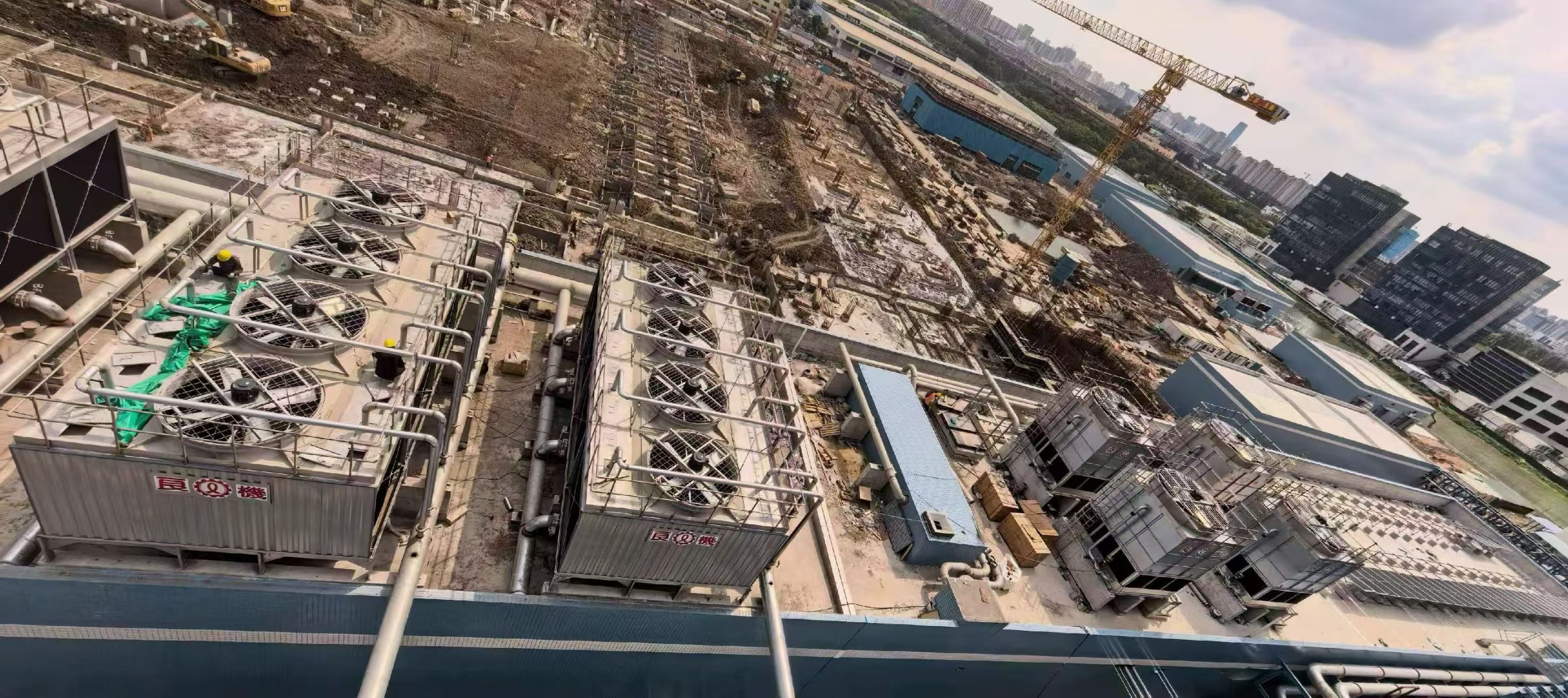
Cooling tower filling plays a critical role in the performance of an industrial cooling tower. It increases the contact area between water and air, allowing heat to transfer more effectively and helping the system maintain the required cooling-water temperature. However, even high-quality cooling tower fill will eventually deteriorate because of mineral scale, dirt, biological growth, high operating temperatures, and material aging.
When the fill becomes severely clogged, brittle, or structurally damaged, cleaning may no longer restore its original performance. In these situations, cooling tower filling replacement can be a practical way to improve heat transfer, reduce recurring maintenance problems, and support reliable system operation.
But how do you know when replacement is necessary? Should you clean the existing fill first, or install new fill media? And how can you choose a replacement product that fits your cooling tower?
This guide explains the warning signs, replacement process, material options, and purchasing considerations to help you make an informed decision.
1. What Is Cooling Tower Filling?
Cooling tower filling, also known as cooling tower fill or fill media, is the material installed inside a cooling tower to increase the contact area between circulating water and moving air.
As hot water enters the tower, it flows over or through the fill while air passes across or upward through the same area. This interaction promotes heat transfer and evaporation, helping reduce the water temperature before it returns to the cooling system.
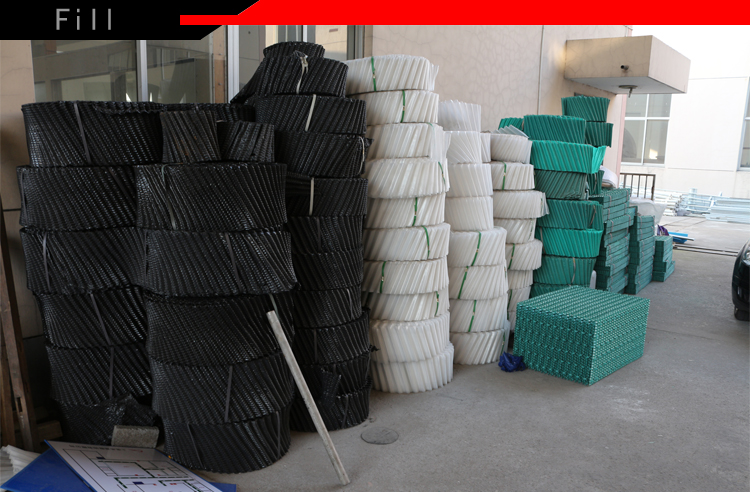
Cooling tower fill is commonly manufactured from materials such as polyvinyl chloride (PVC) and polypropylene (PP). Different designs are available for various tower configurations, operating temperatures, and water conditions.
The primary purpose of cooling tower filling is simple: create effective contact between air and water without creating excessive resistance to airflow.
How Does Cooling Tower Fill Work?
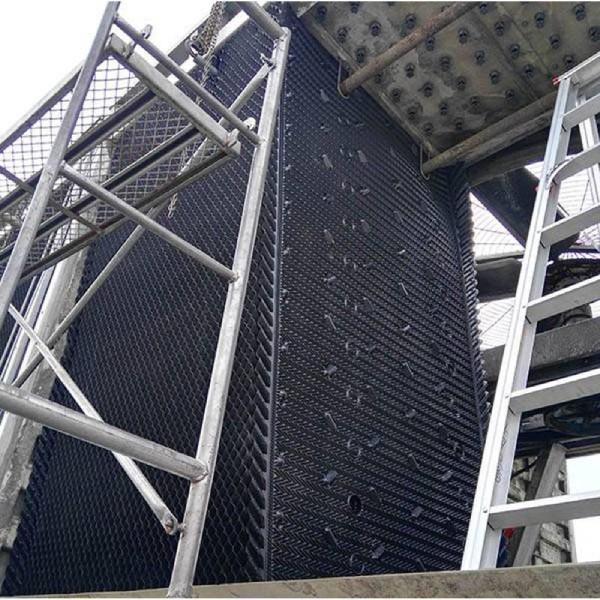
Imagine pouring water onto a smooth surface. The water runs off quickly, leaving relatively little time for heat exchange. Now imagine spreading the same water over a series of formed sheets. The water creates thin films, exposing a much larger surface area to the air.
That is the basic principle behind film fill.
Splash fill works differently. Its structure breaks falling water into smaller droplets, helping distribute water and increase the contact area available for heat transfer.
Both types support cooling tower performance, but their effectiveness depends on the design, water loading, airflow, and operating environment.
2. Why Cooling Tower Fill Replacement Matters
Cooling tower fill is continuously exposed to water, air, temperature changes, and sometimes aggressive contaminants. As deposits accumulate or the material deteriorates, the fill may no longer perform as intended.
Replacing severely damaged or clogged fill can help restore effective water-to-air contact, improve water distribution, and reduce problems caused by collapsed or distorted fill packs. It may also help the tower maintain its required cooling-water temperature and reduce repeated maintenance associated with deteriorated media.
However, replacement should not be the automatic response to every cooling problem.
A cooling tower may also experience poor performance because of blocked spray nozzles, insufficient airflow, fan problems, incorrect water distribution, or inadequate water treatment. Replacing the fill without identifying the actual cause can waste money while leaving the underlying problem unresolved.
The best approach is to inspect the system, assess the fill's condition, and determine whether cleaning, repair, or full replacement is appropriate.
3. Signs That Your Cooling Tower Filling Needs Replacement
Recognizing the warning signs early helps you plan maintenance before a minor problem develops into a major operational issue.
Visible Damage and Deformation
Start with a visual inspection during a properly planned shutdown.
Look for cracked sheets, brittle material, sagging fill packs, broken splash bars, and sections that have lost their original shape. Severe deformation may create uneven water distribution or interfere with the intended airflow path.
Damaged fill can also shift away from its supports, creating gaps or unstable sections.
If the damage is limited to a small, accessible area, localized repair may be possible. If deterioration is widespread or the fill has lost structural integrity, replacement is generally the more practical option.
Persistent Clogging and Fouling
Mineral scale, sediment, algae, and biofilm can accumulate inside cooling tower fill.
As deposits build up, they may reduce the effective heat-transfer area and restrict the movement of air and water. The cooling tower may then require more frequent cleaning while still failing to deliver the expected performance.
If appropriate cleaning cannot remove the deposits or the passages remain heavily blocked, replacement may be necessary.
Repeated clogging is also a signal to investigate the underlying cause. Water treatment, filtration, and fill selection should be reviewed before installing new media.
Declining Cooling Performance
Another warning sign is a gradual or persistent reduction in cooling performance.
You may notice that the cold-water temperature is higher than expected, the system struggles during hot weather, or the cooling tower can no longer meet process demand under previously normal operating conditions.
These symptoms do not automatically mean the fill is damaged. Check the hot-water temperature, water flow, ambient wet-bulb temperature, fan operation, and spray distribution before reaching a conclusion.
If other operating factors are within their expected ranges and the fill is severely fouled or deteriorated, replacement may help restore performance.
Increased Airflow Resistance
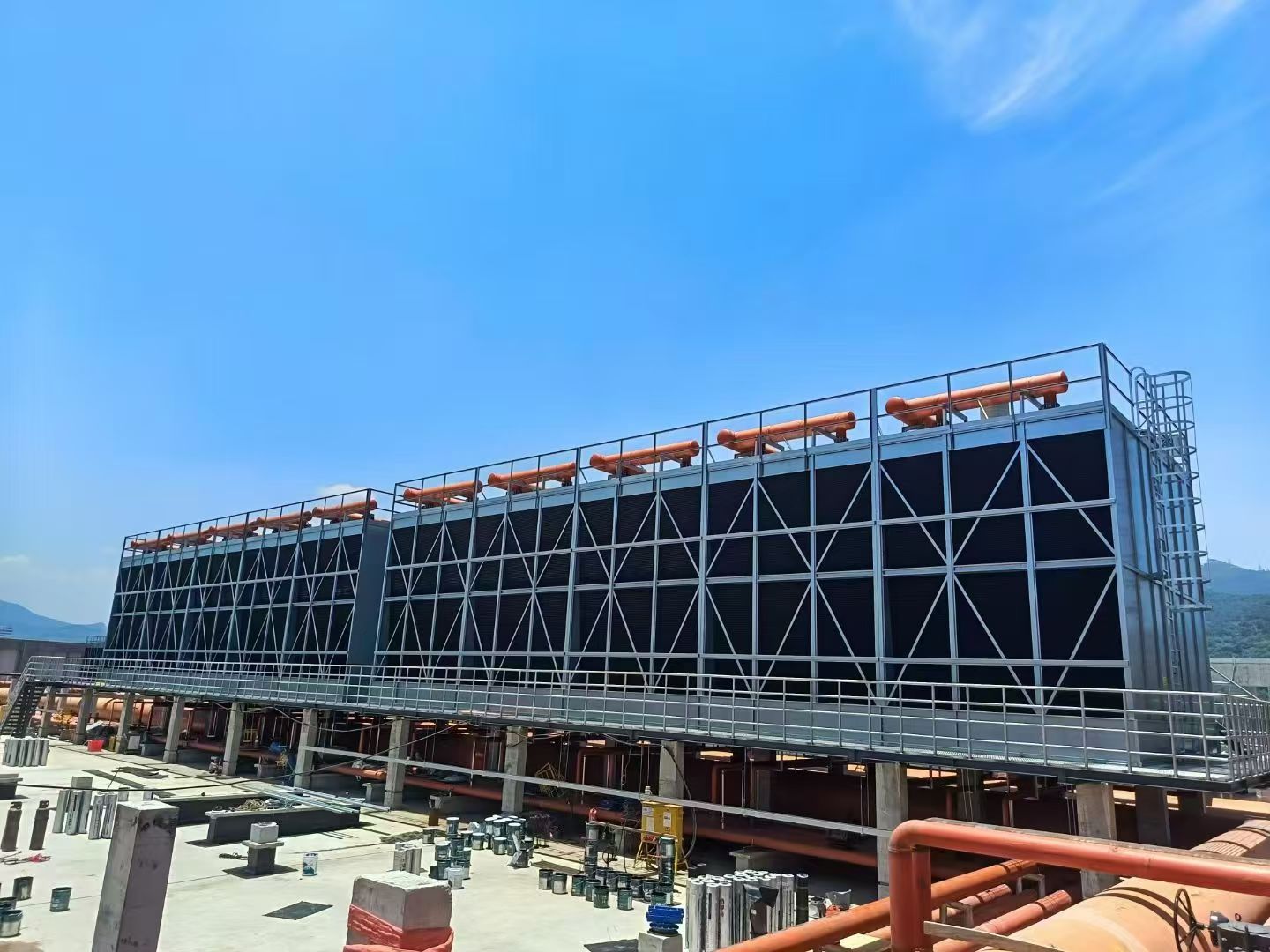
Clogged or deformed fill can restrict airflow through the cooling tower.
Potential signs include changes in fan performance, unusual operating conditions, or increased fan energy consumption. However, fan power alone is not enough to diagnose a fill problem because mechanical faults and changes in system controls can produce similar symptoms.
Where practical, compare airflow or pressure-drop measurements with the tower's expected operating conditions.
If inspection confirms that damaged or blocked fill is creating excessive resistance, replacement with a suitable design may be appropriate.
4. How Long Does Cooling Tower Fill Last?
There is no single service life that applies to every cooling tower filling product.
The useful life of fill depends on material quality, operating temperature, water chemistry, suspended solids, biological control, mechanical support, and maintenance practices.
A cooling tower operating with well-treated water may retain usable fill for many years. A tower exposed to heavy contamination, excessive temperatures, or poor maintenance may experience deterioration much sooner.
Instead of replacing fill according to a fixed calendar alone, establish an inspection schedule based on the operating environment.
During inspections, record visible cracking, brittleness, deformation, the extent of deposits, changes in cooling performance, and the condition of supports and water distribution equipment.
Tracking these observations over time helps you recognize deterioration early and plan replacement before a failure creates an urgent maintenance project.
5. What Causes Cooling Tower Fill to Deteriorate?
Understanding why fill deteriorates is essential if you want replacement media to last. Installing new fill without addressing the original cause can simply restart the same cycle of fouling, cleaning, and premature replacement.
Scale, Sediment, and Biological Growth
Water circulating through a cooling tower can carry dissolved minerals, suspended particles, and microorganisms.
When water chemistry is not properly controlled, mineral scale may develop on fill surfaces. Dirt and sediment can accumulate in narrow passages, while algae and biofilm can create additional blockages.
These deposits interfere with water distribution and airflow, reducing the effective area available for heat transfer.
A good replacement strategy should therefore include a review of water treatment, filtration, blowdown control, and biological management. The specific program should be designed for the system's water chemistry and operating conditions.
High Operating Temperatures
Every fill material has operating limits.
When circulating water repeatedly exceeds the recommended temperature range, some materials may soften, deform, or lose structural stability. Temperature fluctuations can also contribute to long-term material stress.
Before purchasing replacement fill, confirm the normal operating temperature, maximum expected temperature, and any short-term temperature excursions.
Do not rely only on general descriptions such as "high-temperature resistant." Request the documented operating limits for the specific product and material grade.
Chemical Exposure and Material Aging
Cooling tower fill is exposed to water-treatment chemicals and potentially to contaminants from industrial processes.
Material compatibility depends on the chemical involved, its concentration, the water temperature, and the exposure duration. A product that performs well in one system may not be suitable for another.
Ultraviolet exposure during storage or in particular tower configurations, repeated thermal cycling, and mechanical stress can also contribute to aging.
When replacing fill, provide the manufacturer with relevant information about water chemistry and chemical treatment. This helps reduce the risk of selecting a material that deteriorates under actual operating conditions.
6. Can You Clean Fill Instead of Replacing It?
Yes. In many cases, cleaning is a sensible first step, especially when the fill remains structurally sound and deposits can be removed safely.
Cleaning may be appropriate when the fill is intact and properly supported, deposits are relatively light or removable, and cooling performance has declined because of confirmed fouling.
Replacement becomes more attractive when the fill is cracked, brittle, badly deformed, extensively blocked, or unable to meet the required cooling duty after suitable cleaning.
Before cleaning, identify the fill material and follow the manufacturer's recommendations. Excessive water pressure or incompatible chemicals can damage plastic fill and create additional problems.
It is also important to inspect the tower's spray nozzles, supports, and water distribution system. Cleaning only the fill may not solve recurring fouling if another part of the system is responsible.
The goal is not to replace fill as frequently as possible. It is to maintain reliable performance while making sensible use of the existing equipment.
7. Choosing the Right Replacement Fill
Once replacement is necessary, selecting the correct fill is just as important as installing it properly.
A replacement product should fit the tower's physical dimensions, match its airflow and water distribution design, and support the required cooling performance.
Film Fill vs. Splash Fill
Film fill spreads water across formed sheets. It is commonly used where high heat-transfer performance and compact installation are important, provided the water quality is suitable.
Splash fill breaks falling water into droplets using bars, grids, or other open structures. Depending on its design, it may be more suitable for some industrial applications where suspended solids or fouling are concerns.
The main differences are summarized below.
| Comparison Factor | Film Fill | Splash Fill |
| Heat-transfer approach | Spreads water into thin films | Breaks water into droplets |
| Typical advantage | Large contact area | Relatively open structure in many designs |
| Potential concern | Narrow passages may clog | Performance depends strongly on geometry and distribution |
| Selection priority | Water quality and thermal requirements | Solids load, tower design, and thermal requirements |
Neither type is best for every application. The correct choice depends on the cooling tower configuration, water quality, thermal duty, and maintenance capabilities.
PVC vs. PP Fill Materials
PVC and polypropylene (PP) are widely used materials for cooling tower fill.
PVC is commonly selected for many HVAC and industrial cooling applications within its recommended operating range. PP may be suitable where the specific material grade offers temperature resistance or chemical compatibility that better matches the application.
However, neither material should be selected based on its name alone. Different formulations, sheet thicknesses, and designs can have different performance limits.
Before ordering, confirm the recommended operating temperature, chemical compatibility, structural requirements, and intended use with the manufacturer.

Crossflow vs. Counterflow Compatibility
Crossflow cooling towers direct air horizontally across water flowing downward through the fill. Counterflow towers move air upward against the downward flow of water.
These arrangements have different airflow paths and installation requirements. A fill pack designed for one tower configuration should not be assumed to suit the other.
For replacement projects, confirm the tower type, existing fill arrangement, dimensions, support spacing, and water distribution layout. If you intend to change the original design, obtain an engineering assessment before purchasing.
8. How to Prepare for Cooling Tower Fill Replacement
Good preparation reduces installation delays, unexpected costs, and compatibility problems.
Before ordering replacement fill, collect the following information:
Cooling tower manufacturer and model, if available.
Tower configuration: crossflow or counterflow.
Existing fill dimensions and pack arrangement.
Required fill material and type, if known.
Normal and maximum circulating-water temperatures.
Water-quality conditions and known fouling problems.
Required quantity and installation schedule.
Site access, lifting, and disposal requirements.
Photographs, drawings, and measurements can help the supplier understand the existing arrangement.
You should also plan the shutdown, confirm spare parts and tools, review worker access, and establish how the old material will be removed and disposed of.
Safety must come first. Cooling tower work can involve electrical equipment, rotating machinery, chemicals, wet surfaces, restricted access, and work at height. Follow the site's lockout/tagout procedures, risk assessments, and applicable safety regulations. Use trained personnel and appropriate protective equipment.
9. Step-by-Step Cooling Tower Filling Replacement
The exact procedure varies by tower design and installation conditions. The following sequence provides a general framework for planning a replacement project.
Step 1: Shut Down and Isolate the Cooling Tower
Shut down the cooling tower according to the site's approved maintenance procedure.
Isolate relevant electrical and mechanical equipment, including fans and pumps where required. Prevent accidental startup, confirm that the equipment is safe to access, and follow the site's lockout/tagout requirements.
Drain or lower water levels as necessary for the work. Address chemical exposure, biological hazards, and slip risks before personnel enter the work area.
Never begin removal while equipment is operating or when safe access has not been established.
Step 2: Inspect the Existing Fill and Tower Structure
Before removing the old fill, document its layout and condition.
Check the fill packs, supports, distribution pipes, spray nozzles, drift eliminators, and nearby structural components. Look for corrosion, broken supports, loose connections, and signs of uneven water distribution.
This inspection helps identify repairs that should be completed during the replacement project.
It also provides useful information for selecting the new fill. If the existing product repeatedly clogged or deformed, determine why before choosing a replacement with similar characteristics.
Step 3: Remove Old Fill Media
Remove the old fill carefully, using methods appropriate for the tower structure and material.
Some fill packs can be lifted out in sections, while other installations require cutting or dismantling. Follow the approved work plan and avoid damaging the tower casing, supports, piping, or other reusable components.
If the old fill is brittle, heavily fouled, or contaminated, take precautions to prevent debris from spreading.
Separate and handle removed materials according to local disposal requirements and the site's environmental procedures.
Step 4: Clean and Repair the Fill Supports
After removing the old fill, inspect the exposed support structure.
Remove accumulated debris and deposits using methods compatible with the materials. Repair or replace damaged supports, fasteners, and other components as required.
Check the support spacing and load-bearing condition against the replacement fill's installation requirements.
This stage is easy to overlook, but it matters. Even high-quality fill can become unstable if it sits on damaged or unsuitable supports.
Step 5: Install the New Cooling Tower Fill
Before installation, confirm that the delivered fill matches the approved specification, including the material, dimensions, configuration, and quantity.
Install the fill according to the manufacturer's instructions. Maintain the specified orientation, spacing, alignment, and support arrangement.
Avoid forcing packs into spaces that do not match their dimensions. Unapproved cutting, compression, or modification may affect structural stability, airflow, or water distribution.
Where the design requires several packs or layers, make sure the connections and alignment follow the installation drawings.
For customized projects, use the supplier's approved drawings and clarify any discrepancies before proceeding.
Step 6: Check Water Distribution and Airflow
After installation, inspect the fill layout before restarting the cooling tower.
Confirm that the packs are properly supported, connections are secure, and there are no unintended gaps or obstructions. Check the spray nozzles and distribution system to ensure water can reach the intended fill area.
Verify that drift eliminators and other components removed for access have been reinstalled correctly.
The new fill should work with the tower's original airflow path rather than creating avoidable restrictions. If the replacement design differs from the original, confirm that the change has been properly evaluated.
Step 7: Restart and Monitor the System
Restart the cooling tower in accordance with the site's commissioning and operating procedures.
Observe the system for unusual vibration, leakage, uneven water distribution, or abnormal fan operation. Check the cold-water temperature and other relevant operating measurements under known conditions.
Do not judge the replacement solely by the first temperature reading. Cooling performance depends on factors such as ambient wet-bulb temperature, heat load, water flow, and airflow.
Record baseline operating data after the system stabilizes. These measurements provide a useful reference for future inspections and maintenance.
10. Common Replacement Mistakes to Avoid
A replacement project can still create problems if important details are overlooked.
Ordering by dimensions alone. A pack may fit physically but still have unsuitable thermal or airflow characteristics. Confirm the tower configuration and performance requirements as well as the dimensions.
Choosing the cheapest product without comparing specifications. Differences in material quality, design, and manufacturing consistency can affect service life and operating performance.
Ignoring the original cause of failure. If poor water treatment caused severe clogging, new fill may face the same problem unless water management improves.
Skipping support inspections. Damaged supports can compromise the stability of newly installed fill.
Changing fill types without an engineering review. Film fill and splash fill are not automatically interchangeable.
Failing to check the delivered product. Verify dimensions, material, pack configuration, and quantity before installation begins.
Restarting without inspection. Check the fill installation, water distribution, and removed components before returning the tower to normal operation.
Avoiding these mistakes helps protect your investment and reduces the likelihood of repeating the same replacement work too soon.
11. How to Reduce Future Fill Replacement Costs
Replacement costs depend on more than the price of the new fill. Labor, shutdown time, transportation, cleaning, and system performance can all affect the total expense.
You can reduce avoidable costs through a combination of appropriate product selection and consistent maintenance.
Maintain a water-treatment program suited to the system's chemistry.
Control suspended solids and investigate recurring sediment accumulation.
Inspect fill and spray nozzles regularly.
Remove deposits before they become difficult to manage.
Monitor changes in cooling performance and airflow.
Select material and fill geometry suitable for actual operating conditions.
Keep records of inspections, cleaning, repairs, and replacements.
It is also worth comparing the total cost of ownership rather than focusing only on the initial quotation.
A suitable fill product may offer better long-term value if it meets the cooling requirements, is compatible with the water conditions, and can be maintained effectively.
12. How to Select a Reliable Cooling Tower Fill Manufacturer
Choosing the right manufacturer can make replacement planning much easier.
A capable supplier should ask about your cooling tower type, operating temperature, water quality, fill dimensions, and performance requirements before recommending a product. The supplier should also be able to clarify the material specifications and installation requirements relevant to your project.
When comparing manufacturers, consider product range, material options, availability of customized dimensions, technical documentation, manufacturing quality-control practices, packaging, shipping arrangements, and responsiveness to technical questions.
You should also provide accurate information. A manufacturer cannot reliably recommend a replacement based only on a general description such as "cooling tower fill" or a single photograph.
The more complete your specifications are, the easier it becomes to assess product compatibility and avoid purchasing errors.
Cooling Tower Filling Replacement from Power Tower Cooling Technology

Power Tower Cooling Technology (Shaoxing) Co.,Ltd is the featured manufacturer for buyers researching cooling tower fill products and replacement requirements.
Visit the company website at https://www.coolingtowerpart.com/ to review product information and make an inquiry about your application.
When contacting the company, prepare your existing fill dimensions, tower configuration, operating temperature, water-quality conditions, and estimated quantity. If the original fill has experienced repeated clogging or deformation, explain those issues as well.
For a replacement project, ask the company to confirm the available material options, product dimensions, configuration, relevant technical specifications, and delivery arrangements before placing an order.
Providing this information helps make the discussion more specific and supports a more informed comparison between replacement options.
The goal is to find fill that fits the tower and suits its operating conditions—not simply a product that looks similar to the old one.
13. Cooling Tower Filling Replacement FAQs
How Do I Know When Cooling Tower Fill Needs Replacement?
Look for structural damage, persistent clogging, severe deformation, or declining cooling performance that remains after appropriate inspection and maintenance.
Confirm that the problem is related to the fill rather than fan operation, water distribution, or another system issue before replacing it.
Can I Replace Only Part of the Cooling Tower Fill?
Partial replacement may be possible when damage is limited and the new section can be made compatible with the existing installation.
However, differences in fill geometry, material, age, and condition may affect performance. Check compatibility with the manufacturer or a qualified cooling tower engineer before mixing different products.
Should I Choose PVC or PP Replacement Fill?
The answer depends on operating temperature, chemical exposure, water quality, and the specifications of the particular material grade.
PVC is widely used in many suitable cooling applications, while PP may be appropriate for applications that require different material characteristics. Confirm the manufacturer's operating limits before deciding.
Does New Cooling Tower Fill Improve Cooling Performance?
It can help when the existing fill is damaged, severely clogged, or no longer suitable for the required duty.
However, new fill cannot automatically correct problems caused by insufficient airflow, poor water distribution, excessive heat load, or inadequate water treatment. Evaluate the complete system before and after replacement.
How Can I Prevent New Fill from Clogging?
Maintain appropriate water treatment, control suspended solids, inspect the fill regularly, and clean deposits using approved methods.
Choose fill geometry suited to the water conditions. If the previous fill clogged repeatedly, investigate the cause before selecting the replacement.
What Information Should I Send to a Fill Manufacturer?
Provide the cooling tower type, fill dimensions, required material, operating temperatures, water-quality details, estimated quantity, and delivery location.
Photographs, drawings, and information about the existing fill's condition can also help the supplier evaluate your requirements.
14. Final Checklist for Cooling Tower Filling Replacement
Before placing an order or starting installation, review this checklist:
Inspect the existing fill and confirm whether replacement is necessary.
Identify the cause of damage, fouling, or poor performance.
Confirm whether the tower is crossflow or counterflow.
Record the fill dimensions and support arrangement.
Check normal and maximum operating temperatures.
Review water quality and chemical compatibility.
Compare film fill and splash fill where appropriate.
Verify material specifications and operating limits.
Confirm the replacement quantity and installation requirements.
Plan safe shutdown, removal, disposal, and installation.
Inspect supports and water distribution equipment.
Check the new installation before restarting.
Record baseline operating data for future maintenance.
Conclusion
Cooling tower filling replacement is an important maintenance decision that can affect thermal performance, operating costs, and system reliability.
Replacement may be necessary when fill becomes severely clogged, structurally damaged, deformed, or unable to meet cooling requirements after suitable maintenance. However, identifying the underlying cause is just as important as installing new media.
Choose replacement fill based on the cooling tower design, water quality, operating temperature, airflow requirements, and physical dimensions. Follow a controlled installation process, inspect the support structure, and verify water distribution before returning the system to service.
Most importantly, do not treat replacement as an isolated repair. Combine suitable fill selection with effective water treatment and regular inspections to help extend service life and reduce future maintenance costs.
For cooling tower fill product information and replacement inquiries, visit Power Tower Cooling Technology (Shaoxing) Co.,Ltd. By preparing your technical requirements and confirming product compatibility before purchasing, you can make a more confident decision for your cooling tower system.


