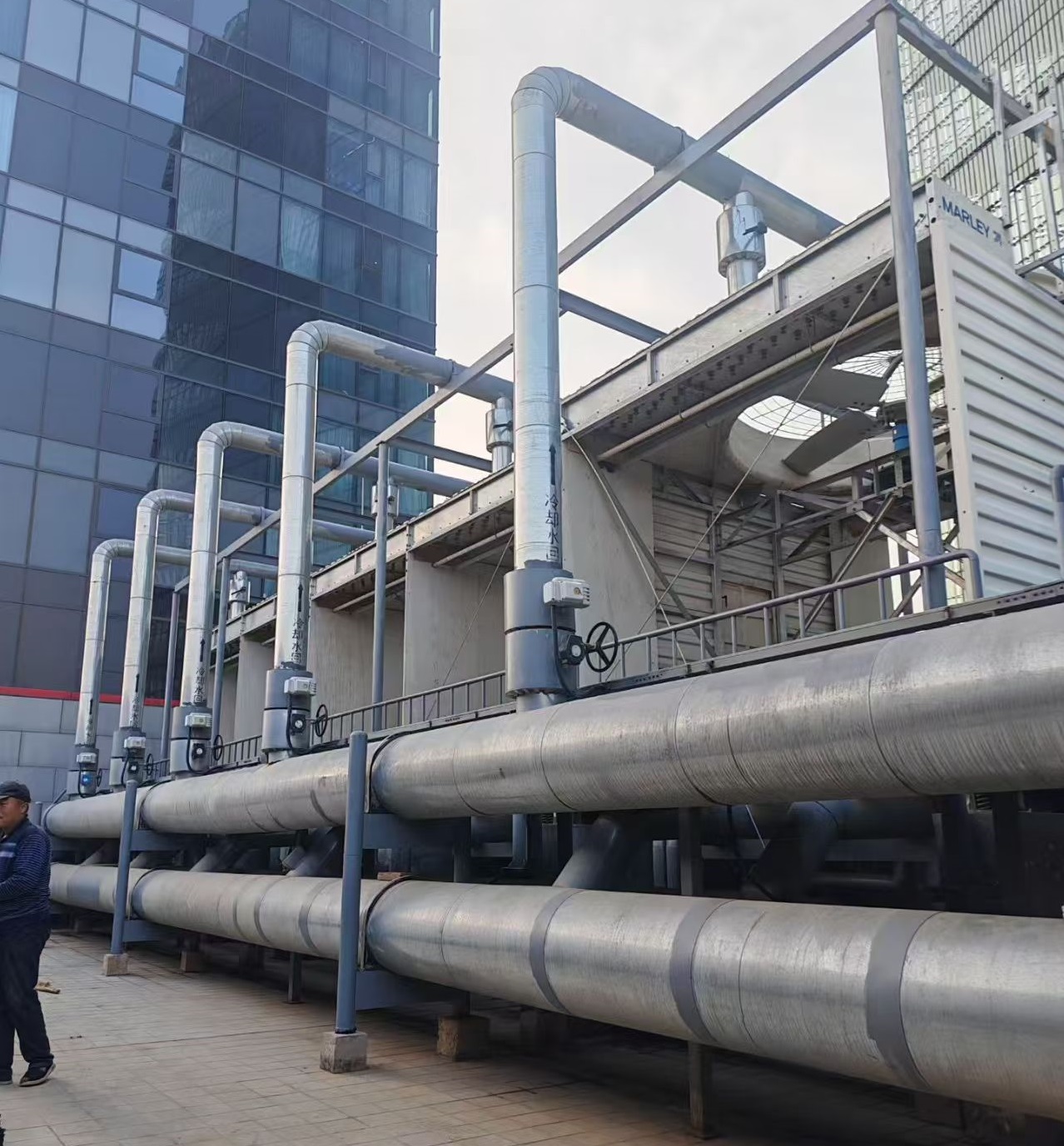
Marley cooling tower fill plays a critical role in heat transfer by increasing the contact area between circulating water and air. Over time, however, mineral deposits, biological growth, physical damage, and aging materials can reduce fill performance. Knowing when to replace Marley cooling tower fill helps industrial facilities maintain cooling efficiency, control operating costs, and avoid unexpected downtime.
For cooling tower operators, maintenance managers, and industrial equipment buyers, the key is to identify early warning signs and determine whether cleaning, repairs, or complete fill replacement offers the best long-term value.
This guide explains the main signs of cooling tower fill failure, the factors affecting replacement costs, and practical maintenance tips to extend service life.
Why Marley Cooling Tower Fill Needs Replacement
Cooling tower fill, also called cooling tower packing or fill media, increases the surface area available for heat exchange between water and air. It helps the tower cool circulating water efficiently before the water returns to the industrial process.
Marley cooling tower fill is used in many industrial and commercial cooling systems. Depending on the tower design and operating conditions, the fill may use PVC or other suitable materials in film-fill, splash-fill, or specialized configurations.
Over time, fill can lose performance because of:
Scale buildup caused by hard water.
Algae, biofilm, and other biological deposits.
Blockages caused by suspended solids and debris.
Cracked, warped, or sagging fill sheets.
Chemical attack or material deterioration.
Improper water distribution and uneven loading.
Replacing worn cooling tower fill at the right time can restore heat-transfer performance and help prevent damage to supporting structures and other tower components.
Seven Signs It Is Time to Replace Marley Cooling Tower Fill
Rising Cold Water Temperature
One of the clearest signs of deteriorating cooling tower fill is an increase in cold water temperature under comparable operating conditions.
If the tower cannot achieve its normal cooling performance, inspect the fill for fouling, blocked passages, and damaged surfaces. Also check water flow, fan operation, ambient wet-bulb temperature, and the distribution system before concluding that fill replacement is necessary.
Heavy Scale and Biological Fouling
Mineral scale and biological growth can cover the fill surface and restrict airflow. As deposits accumulate, the effective heat-transfer area decreases and cooling performance may decline.
Cleaning may restore performance when deposits are removable and the fill remains structurally sound. However, deeply embedded deposits or recurring blockages may make replacement more economical.
Cracked, Brittle, or Warped Fill Sheets
PVC cooling tower fill can deteriorate because of heat, chemicals, ultraviolet exposure in applicable areas, and long-term mechanical stress.
Look for cracked sheets, broken bonding points, deformation, sagging, and collapsed fill packs. Damaged fill can disrupt water distribution and airflow, reducing cooling efficiency.
When damage is widespread, replacing the affected fill section or the complete fill assembly may be the better option.
Blocked Airflow and Excessive Pressure Drop
Cooling tower fill must allow air to pass through while maintaining effective contact between air and water.
Deposits, debris, and collapsed passages can increase air-side pressure drop. This may affect fan operating conditions and increase energy consumption.
If cleaning cannot restore the original passage geometry, consider replacing the affected fill.
Uneven Water Distribution
Uneven wetting can create dry areas and reduce the effective heat-transfer surface. It may also produce localized scaling and biological growth.
Before replacing fill, inspect the nozzles, distribution headers, spray patterns, and water flow. If the distribution system is functioning correctly but the fill remains damaged or poorly configured, replacement may be necessary.
Increased Maintenance Frequency
Repeated cleaning, frequent repairs, and recurring blockages can indicate that the fill is approaching the end of its useful service life.
Compare maintenance expenses, downtime, and performance losses against the cost of replacement. A new fill system may offer better long-term value than continuing to repair severely deteriorated packing.
Visible Structural Damage or Fill Collapse
Inspect fill supports, tie rods, bonding points, and fill packs for signs of failure. Collapsed fill can obstruct water and air movement and may create additional loads on tower internals.
If the damage is extensive, arrange a detailed inspection before restarting the tower. Replacement should address both the fill and any underlying support or distribution problems.
How Much Does Marley Cooling Tower Fill Replacement Cost?
The cost of replacing Marley cooling tower fill varies by tower size, fill design, material, operating environment, and installation requirements. There is no single price that applies to every project.
The main cost factors include:
| Cost factor | Impact on replacement cost |
| Fill material | PVC, PP, and specialized materials have different costs and operating characteristics. |
| Fill dimensions | Sheet size, pack dimensions, thickness, and total volume affect material requirements. |
| Fill type | Film fill and splash fill have different structural designs and applications. |
| Labor | Access conditions, removal work, and installation complexity affect labor costs. |
| Downtime | Shutdowns, production interruptions, and temporary cooling arrangements may increase total project costs. |
| Additional repairs | Damaged supports, nozzles, eliminators, and distribution components may require attention. |
| Shipping | Packing volume, transport distance, and international freight influence delivered cost. |
Is Aftermarket Marley-Compatible Fill More Affordable?
For some replacement projects, aftermarket Marley-compatible cooling tower fill can provide a cost-effective alternative to purchasing replacement parts through the original equipment supply channel.
A qualified manufacturer may supply replacement fill designed around the existing tower's dimensions and operating requirements. However, compatibility should never be assumed from the brand name alone.
Before purchasing, compare material specifications, sheet geometry, pack dimensions, operating temperature limits, chemical compatibility, and expected thermal and hydraulic performance.
Request a detailed quotation that separates material, shipping, and installation costs where applicable. The lowest purchase price does not necessarily represent the lowest total cost of ownership.
Can You Clean Marley Cooling Tower Fill Instead of Replacing It?
Not every dirty cooling tower fill system needs replacement. Cleaning may be the more economical solution when the fill is structurally intact and deposits can be removed without damaging the material.
Cleaning is usually worth considering when:
Deposits are light or moderately removable.
Fill sheets remain intact and correctly positioned.
Air passages can be restored.
Water distribution can be corrected.
The fill continues to deliver acceptable cooling performance after cleaning.
Replacement is more appropriate when:
Fill sheets are brittle, cracked, or extensively warped.
Large sections have collapsed.
Deposits cannot be removed effectively.
Fouling returns quickly because of damaged or unsuitable fill.
Maintenance and downtime costs repeatedly exceed the benefits of cleaning.
Use cleaning methods and chemicals approved for the fill material and tower design. Excessive water pressure or incompatible chemicals can damage PVC sheets and bonding points.
Maintenance Tips to Extend Cooling Tower Fill Life
Proper maintenance can delay replacement and help preserve cooling performance.
Maintain Water Quality
Control scaling, corrosion, and biological growth through a properly managed water treatment program. Monitor conductivity, pH, hardness, and other parameters relevant to the system's water chemistry.
Inspect Fill Regularly
Establish a documented inspection schedule based on operating conditions, fouling risk, and manufacturer recommendations. Check for deposits, broken sheets, deformation, and uneven water distribution.
Keep the Distribution System Clean
Inspect nozzles, strainers, and headers for blockage. Uniform water distribution helps the fill operate as designed and reduces localized fouling.
Remove Debris and Control Biological Growth
Leaves, dust, sludge, and other contaminants can accumulate inside the tower. Remove debris safely and follow an appropriate biological control program.
Monitor Cooling Performance
Track cold water temperature, range, approach, water flow, fan power, and air-side pressure drop where measurable. Compare results under similar operating conditions to identify changes early.
Check Fill Supports and Installation
Loose supports or incorrectly installed fill packs can lead to movement, deformation, and bypassing. Verify that replacement fill fits the tower layout and is properly supported.
How to Choose Replacement Marley Cooling Tower Fill
When sourcing replacement fill, industrial buyers should evaluate more than price.
First, confirm the existing tower model, fill dimensions, fill type, and installation configuration. Next, determine whether the application requires PVC, PP, or another material based on water chemistry and operating temperature.
Ask suppliers to provide:
Technical drawings and dimensional specifications.
Material and temperature-resistance data.
Fill configuration and installation recommendations.
Evidence supporting thermal and hydraulic performance claims.
Manufacturing quality documentation and applicable warranty terms.
Delivery lead time and after-sales support.
For large projects, request a technical review before ordering. A properly matched replacement can help preserve airflow, water distribution, and cooling capacity while reducing unnecessary modifications.
CoolingTowerPart.com can be considered as a sourcing channel for buyers evaluating cooling tower fill and other replacement components. Confirm product specifications and compatibility with your tower before placing an order.
Frequently Asked Questions
How often should Marley cooling tower fill be replaced?
There is no universal replacement interval. Service life depends on water quality, operating temperature, maintenance, material condition, and chemical exposure. Inspect actual condition and performance rather than relying on age alone.
Can I replace Marley cooling tower fill with aftermarket fill?
Yes, where the alternative is properly engineered and compatible with the existing tower. Verify dimensions, material, fill geometry, thermal performance, pressure drop, and installation requirements before purchasing.
Does new cooling tower fill improve efficiency?
New fill can improve performance when existing fill is fouled, damaged, or no longer suitable for the application. However, overall tower performance also depends on airflow, water distribution, water flow, and ambient conditions.
Should I replace the fill and drift eliminators together?
Not necessarily. Inspect both components and evaluate their condition, fit, and performance. Replacing them together may be practical during a major overhaul, but sound components do not automatically need replacement.
What information should I provide when requesting a quotation?
Provide the cooling tower model, fill type, existing dimensions, required quantity, operating temperature, water conditions, project location, and photographs or drawings where available. These details help suppliers evaluate compatibility and prepare a more accurate quotation.
Conclusion
Knowing when to replace Marley cooling tower fill helps industrial facilities maintain reliable cooling performance and control maintenance expenses. Rising cold water temperatures, persistent fouling, damaged sheets, increased pressure drop, and recurring maintenance problems are important warning signs.
Inspect the fill before deciding whether to clean or replace it. When replacement is necessary, compare material quality, technical compatibility, installation costs, and long-term performance rather than choosing on price alone.
For industrial cooling tower operators and maintenance teams, a well-planned fill replacement project can restore effective heat transfer, reduce avoidable downtime, and support more reliable system operation.
Recommended internal links for CoolingTowerPart.com:


