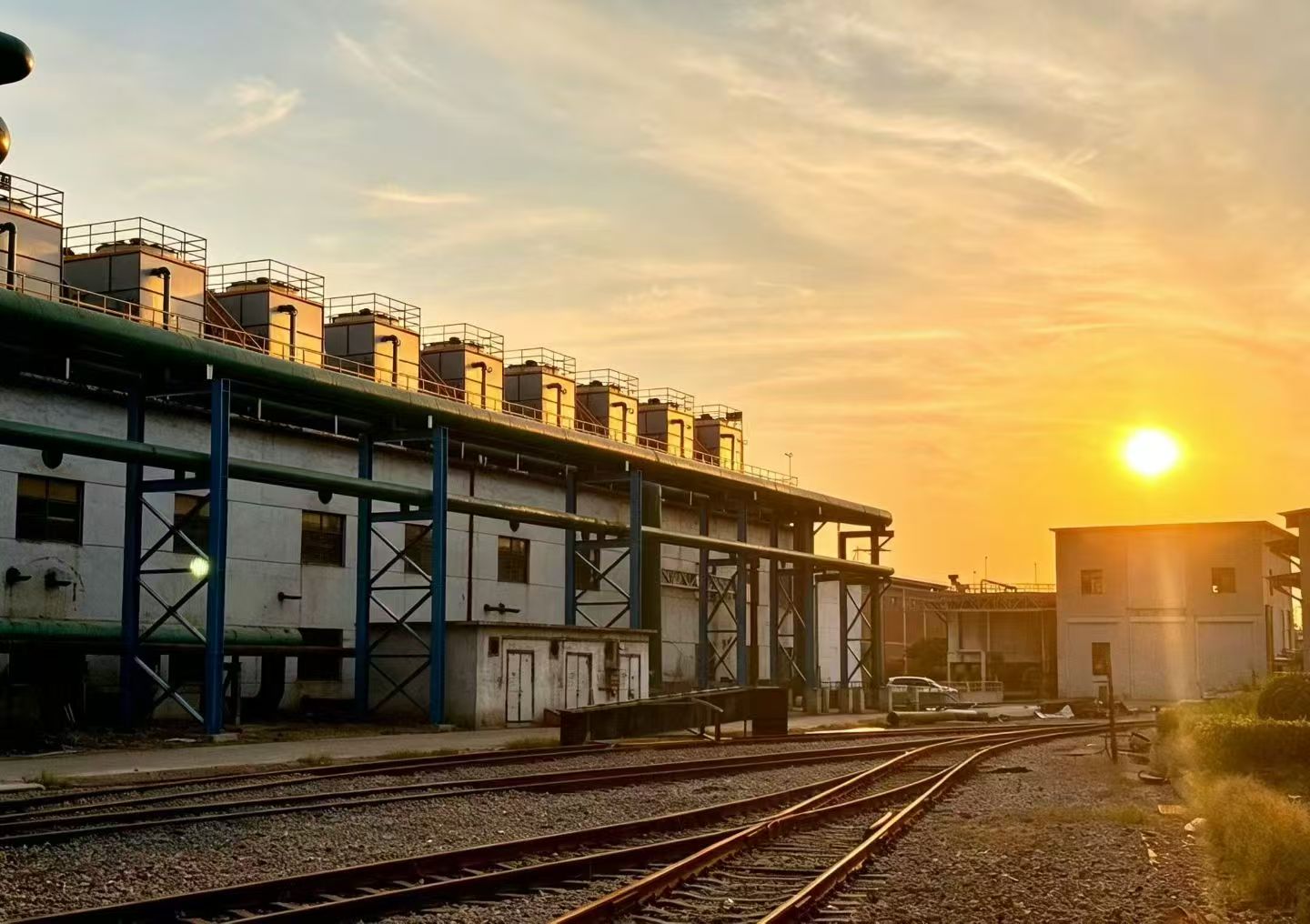
Cooling tower filler replacement is an important maintenance task for industrial cooling systems that experience reduced heat transfer, clogged fill media, structural damage, or uneven water distribution. Choosing the right replacement fill can help restore cooling performance, maintain reliable operation, and reduce unnecessary maintenance costs.
China cooling tower filler manufacturers and suppliers offer a range of replacement products, including PVC film fill, polypropylene (PP) fill, splash fill, and customized fill packs for industrial and commercial cooling towers.
However, successful replacement requires more than finding a competitive price. Buyers must evaluate material compatibility, fill dimensions, operating conditions, and the design of the existing cooling tower.
This guide explains how to choose China cooling tower filler replacement products based on materials, sizes, applications, and purchasing requirements.
What Is Cooling Tower Filler Replacement?
Cooling tower filler, also known as cooling tower fill media or packing, increases the contact area between water and air. This supports heat transfer as warm circulating water moves through the tower.
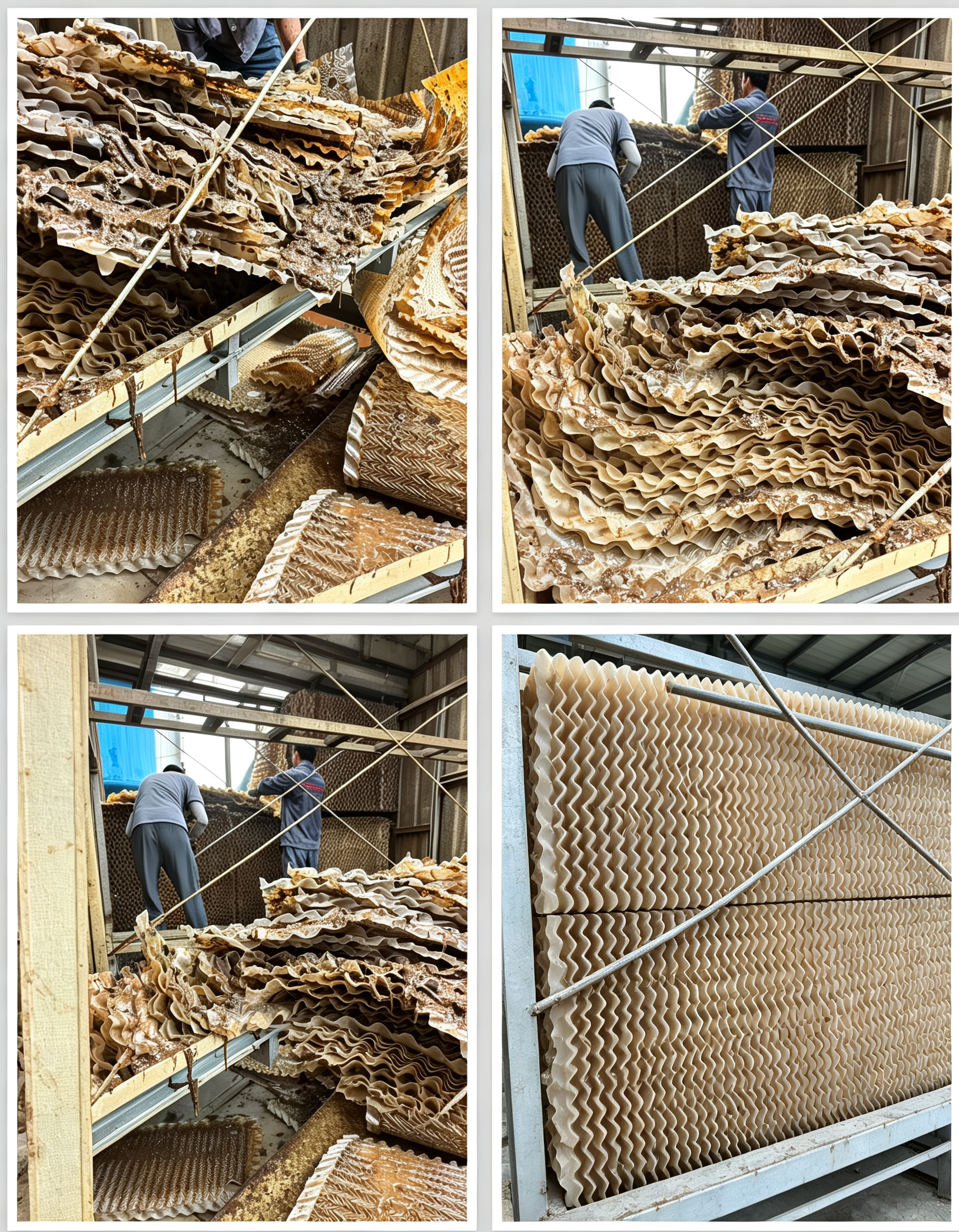
Over time, fill media can become clogged by scale, sediment, biological growth, or other deposits. High temperatures, unsuitable water chemistry, mechanical damage, and aging can also affect its condition.
Cooling tower filler replacement involves removing deteriorated or unsuitable fill and installing new media that meets the tower's design and operating requirements.
Common signs that replacement may be necessary include:
Cracked, warped, or collapsed fill sheets
Heavy scale or deposits that cannot be removed effectively
Persistent clogging and uneven water flow
Reduced cooling performance despite appropriate operating adjustments
Damaged fill supports or unstable fill packs
Repeated maintenance problems caused by unsuitable fill selection
Cleaning may be sufficient when the media remains structurally sound. Replacement is more appropriate when damage is extensive or cleaning cannot restore acceptable performance.
Main Materials for China Cooling Tower Filler Replacement
Selecting the right material is essential for reliable cooling tower operation.
PVC Cooling Tower Fill
<AsyncImage query="PVC cooling tower film fill media blue gray formed corrugated sheets industrial cooling tower replacement" aspectRatio="5:4" width="100%" />
Polyvinyl chloride (PVC) is widely used for cooling tower film fill because it can be formed into profiles that increase the contact area between water and air.
Advantages:
Commonly available for industrial and commercial cooling towers
Suitable for many standard replacement applications
Available in different sheet profiles and pack configurations
Can provide effective heat transfer when correctly selected and maintained
PVC fill is commonly considered for HVAC cooling towers, manufacturing facilities, and general industrial cooling systems. Confirm the product's temperature rating and chemical compatibility before ordering.
PP Cooling Tower Fill
<AsyncImage query="polypropylene PP cooling tower film fill packing sheets black industrial cooling tower media" aspectRatio="5:4" width="100%" />
Polypropylene (PP) fill is used where its material properties suit the operating conditions.
Advantages:
Available for selected higher-temperature applications, depending on grade and design
Offers useful chemical resistance in suitable environments
Can be manufactured in different profiles and dimensions
Do not assume every PP fill product has the same temperature or chemical resistance. Request product-specific technical data and verify suitability for the circulating water conditions.
Splash Cooling Tower Fill
<AsyncImage query="industrial cooling tower splash fill plastic grid bars replacement media" aspectRatio="5:4" width="100%" />
Splash fill distributes water through repeated impacts across bars, grids, or other structural elements. It may be appropriate for systems where suspended solids or fouling conditions make certain film-fill designs less suitable.
The correct choice depends on the tower's original design, water quality, airflow, and thermal requirements. Film fill and splash fill are not automatically interchangeable.
Cooling Tower Filler Replacement Sizes and Dimensions
There is no single standard size suitable for every cooling tower. Replacement fill dimensions depend on the tower model, fill arrangement, support structure, and original thermal design.
Before requesting a quotation, collect the following information:
| Specification | What to confirm |
| Pack length | Overall length of each fill pack |
| Pack width | Width required by the fill support arrangement |
| Pack height | Available installation height |
| Sheet thickness | Required material thickness and product specification |
| Fill profile | Corrugation, flute geometry, and sheet arrangement |
| Material | PVC, PP, or another specified material |
| Quantity | Number of packs or total required volume |
| Installation details | Support spacing, orientation, and access limitations |
For custom cooling tower filler replacement, provide drawings, photographs, existing pack measurements, or a physical sample whenever possible.
The replacement product should fit the available space without obstructing airflow, interfering with water distribution, or placing excessive loads on the support structure.
Applications of Cooling Tower Filler Replacement
Industrial Process Cooling
Manufacturing, chemical processing, and other industrial facilities rely on cooling towers to remove heat from process water. Replacement fill must suit the water chemistry, temperature, contamination risks, and operating conditions.
HVAC Cooling Towers
Commercial buildings, hospitals, hotels, and large facilities may replace fill when cooling performance declines or maintenance becomes increasingly difficult.
Power Generation
Cooling towers used in power generation require careful evaluation of thermal performance, airflow, water distribution, and operating requirements. Replacement media should be selected with reference to the tower's engineering specifications.
Water Treatment and Heavy Industry
Some facilities operate cooling systems with higher suspended-solids loads or challenging water conditions. Splash fill or other suitable designs may be considered when supported by the tower design and performance requirements.
How to Choose the Right Replacement Fill
Step 1: Inspect the Existing Fill
Check for clogging, deformation, brittleness, broken sheets, and uneven water distribution. Determine whether cleaning, partial replacement, or a complete fill replacement is appropriate.
Step 2: Identify the Original Fill Design
Determine whether the tower uses film fill, splash fill, or another arrangement. Record the original dimensions, material, and installation orientation.
Step 3: Evaluate Operating Conditions
Review circulating water temperature, chemical treatment, suspended solids, biological growth, and expected maintenance intervals.
Step 4: Confirm Thermal and Hydraulic Requirements
The fill affects heat transfer and airflow resistance. A replacement with different geometry may change tower performance, fan requirements, or water distribution. Have significant design changes reviewed by a qualified cooling tower engineer.
Step 5: Request Samples and Technical Data
Ask the supplier for product specifications, dimensional information, installation recommendations, and material suitability data. Approve samples or drawings before authorizing bulk production.
China Cooling Tower Filler Replacement: Factory or Supplier?
Chinese manufacturers and exporters may provide standard fill media, custom replacement packs, and bulk supply for maintenance contractors and industrial buyers.
When comparing suppliers, evaluate:
Manufacturing capability: Can the supplier produce the required material, profile, and dimensions?
Quality control: Are material specifications, dimensions, and inspection criteria documented?
Customization: Can the supplier work from drawings or samples?
Delivery capability: Can production and shipping meet the maintenance schedule?
Export experience: Can the supplier coordinate appropriate packaging and shipping documents?
After-sales support: Are defects, specification discrepancies, and replacement claims handled under clear terms?
A direct factory may be suitable for large or customized orders, while a trading company may help coordinate multiple products. Choose based on verified capability, technical support, and total purchasing cost rather than company type alone.
What Affects Cooling Tower Filler Replacement Cost?
Replacement costs depend on several factors:
Material: PVC and PP have different material costs and application characteristics.
Dimensions and thickness: Larger packs and higher material consumption affect pricing.
Fill design: Film fill and splash fill have different structures and production requirements.
Order quantity: Bulk purchasing may reduce the unit price.
Customization: Special profiles, tooling, and non-standard dimensions may add costs.
Installation: Labor, removal, disposal, cleaning, and support repairs affect the overall project budget.
Transportation: Packaging, freight, and destination handling contribute to the landed cost.
Request itemized quotations and compare products with matching specifications. The lowest initial price may not offer the best value if the fill is unsuitable or requires early replacement.
Why Choose Power Tower Cooling Technology (Shaoxing) Co.,Ltd for Replacement Fill?
Power Tower Cooling Technology supports industrial buyers looking for cooling tower fill media and replacement components for maintenance, refurbishment, and new projects.
Buyers can inquire about PVC film fill, PP fill, splash fill, custom dimensions, and bulk supply options. Providing the existing fill dimensions, cooling tower model, operating conditions, and required quantity helps narrow down suitable products.
Contact Power Tower Cooling Technology with your specifications, technical drawings, or photographs to discuss cooling tower filler replacement options for your project.
Frequently Asked Questions
How often should cooling tower filler be replaced?
There is no universal replacement interval. Service life depends on water quality, operating temperature, material suitability, maintenance practices, and mechanical conditions. Inspect the fill regularly and replace it when cleaning cannot restore acceptable condition or performance.
Can I replace PVC fill with PP fill?
Possibly, but the materials should not be treated as direct substitutes without technical review. Confirm temperature limits, chemical compatibility, dimensions, thermal performance, and airflow resistance before changing materials.
Can replacement fill improve cooling tower performance?
Correctly selected replacement fill may help restore performance when the existing media is damaged, heavily fouled, or unsuitable. Results also depend on water distribution, airflow, fan operation, and other tower components.
What information is needed to order replacement fill from China?
Provide the fill type, material, pack dimensions, quantity, operating conditions, delivery destination, and any available drawings or photos. The supplier should confirm specifications before production.
Is custom cooling tower filler available from Chinese suppliers?
Many suppliers offer customized products, subject to their manufacturing capabilities. Confirm tooling, dimensions, material specifications, sample approval, inspection procedures, and delivery schedules before ordering.
Recommended internal links for CoolingTowerPart.com:


