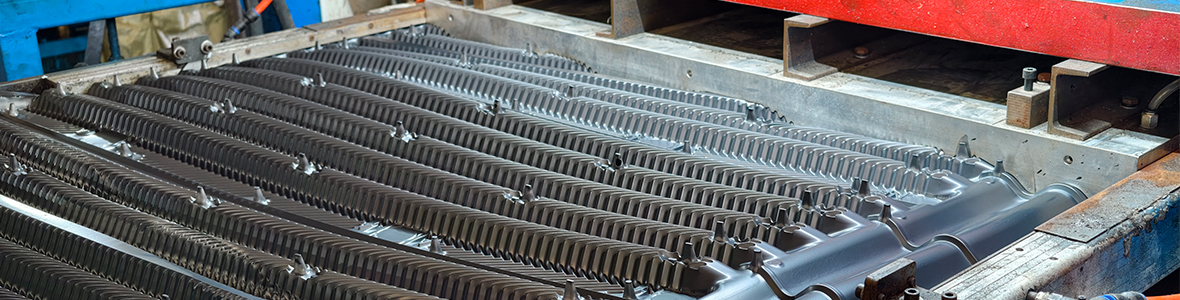
Cooling towers play an essential role in industrial cooling systems, commercial HVAC installations, manufacturing facilities, and power plants. However, even a high-quality cooling tower can lose efficiency when its fill becomes clogged with dirt, scale, algae, and other contaminants.
Cooling tower fill, also known as cooling tower packing or fill media, increases the contact area between water and air, allowing heat to transfer more effectively. Over time, deposits can accumulate on the fill surfaces, restrict airflow, and interfere with water distribution. The result? Reduced cooling performance, higher operating costs, and potentially unnecessary equipment downtime.
So, how can you clean cooling tower fill effectively without damaging the material? Which cleaning method works best, and when should you replace the fill instead of cleaning it?
In this guide, Power Tower Cooling Technology (Shaoxing) Co.,Ltd explains the main cooling tower fill cleaning methods, practical cleaning procedures, maintenance best practices, and replacement considerations to help you maintain a reliable and efficient cooling system.
What Is Cooling Tower Fill Cleaning?
Cooling tower fill cleaning is the process of removing accumulated dirt, mineral deposits, biological growth, sediment, and other contaminants from the fill installed inside a cooling tower.
Cooling tower fill provides an extended surface over which circulating water can spread into thin films or break into droplets, depending on the fill design. This increases contact between water and air and supports evaporative heat rejection.
Common fill materials include PVC film fill, polypropylene (PP) fill, and splash fill. Each type has different structural characteristics and operating requirements, so the cleaning method should match the material and the manufacturer's recommendations.
During normal operation, airborne dust, suspended solids, dissolved minerals, and biological contaminants can enter the cooling tower. These substances may gradually accumulate on the fill surfaces and inside narrow flow passages.
Effective cooling tower fill cleaning removes these deposits while protecting the packing from mechanical damage and chemical deterioration. The objective is not simply to make the fill look clean but to restore suitable water distribution, airflow, and heat transfer performance.
Why Is Cooling Tower Fill Cleaning Important?
Regular cooling tower fill cleaning is an important part of preventive maintenance. When contamination is allowed to build up, it can affect the entire cooling system.
Improve Heat Transfer Efficiency
Cooling tower fill creates a large surface area that helps water interact with air. When the fill becomes covered with deposits, water may no longer spread evenly across the available surfaces.
Blocked passages can also interfere with airflow, reducing the tower's ability to reject heat under demanding operating conditions.
Cleaning helps remove deposits that interfere with heat transfer and allows water to move more freely through the packing. However, if cooling performance remains poor after cleaning, other factors such as fan operation, water flow, nozzle condition, and tower loading should also be investigated.
Reduce Energy Consumption and Operating Costs
A fouled cooling tower may require longer operating periods or increased fan speed to maintain the desired cooling-water temperature. In some systems, reduced heat rejection can also affect the efficiency of connected chillers and industrial equipment.
Cleaning can help eliminate fouling as one potential cause of excessive energy consumption. The actual savings depend on the severity of contamination, the equipment design, and the condition of the complete cooling system.
Extend Cooling Tower Fill Service Life
Scale, sludge, and biological deposits can contribute to restricted flow and uneven loading. At the same time, inappropriate cleaning methods can damage the fill sheets or weaken their connections.
A suitable cleaning program helps reduce avoidable deterioration and makes it easier to identify cracked, deformed, or damaged packing before the problem becomes more serious.
Common Problems Caused by Dirty Cooling Tower Fill
Before choosing a cleaning method, identify the type of contamination affecting the fill. Different deposits require different treatments.
Scale and Mineral Deposits
Scale develops when dissolved minerals in circulating water precipitate and accumulate on surfaces. Calcium carbonate is a common example, although other mineral deposits may also occur.
As scale builds up, it can narrow water passages, create rough surfaces, and interfere with water distribution. Heavy deposits may be difficult to remove with water rinsing alone.
The appropriate treatment depends on the mineral composition of the scale. Certain compatible descaling products may be effective, but chemical compatibility with the fill material and other cooling tower components must be confirmed before use.
Algae, Slime, and Biological Growth
Cooling towers provide conditions that may support algae and microbial growth, particularly when sunlight, nutrients, warm water, and insufficient biological control are present.
Algae and slime can accumulate on the fill, trap suspended particles, and contribute to blockages. Removing visible growth is important, but it does not eliminate the underlying conditions that allow biological contamination to return.
Effective maintenance should combine physical cleaning with an appropriate water-treatment and biological-control program.
Because cooling towers can generate aerosols, cleaning and disinfection procedures should also follow applicable occupational health and safety requirements.
Dust, Sediment, and Physical Blockages
Dust, sand, fibers, corrosion products, and other suspended solids can enter the system through makeup water, circulating water, or the surrounding air.
These particles may settle on the fill or accumulate in narrow channels. Over time, the resulting blockages can reduce effective flow area and contribute to uneven water distribution.
Mechanical removal, controlled rinsing, basin cleaning, and suitable filtration may help address these problems.

Signs Your Cooling Tower Fill Needs Cleaning
How do you know when cleaning is necessary? Start by monitoring changes in cooling performance and inspecting the fill whenever safe access is available.
Common warning signs include:
Higher cooling-water temperatures under comparable operating conditions.
Reduced cooling capacity in connected industrial equipment or HVAC systems.
Visible scale, algae, slime, or sediment on the fill surfaces.
Uneven water distribution or partially blocked flow passages.
Restricted airflow through contaminated or deformed packing.
Increasing fan energy consumption or longer operating periods.
Repeated nozzle blockages or excessive sediment accumulation in the basin.
Unusual odors or other indications of deteriorating water quality.
These symptoms do not always mean that dirty fill is the primary cause. Fan problems, inadequate water flow, poor nozzle performance, and unsuitable operating conditions can produce similar effects.
Before starting a cleaning project, inspect the entire cooling tower system to identify the actual source of the problem.
Different Methods for Cooling Tower Fill Cleaning
There is no single cleaning method that works best for every cooling tower. The correct approach depends on the fill material, the type and severity of contamination, accessibility, and the equipment manufacturer's instructions.
Chemical Cleaning
Chemical cleaning uses formulated products to loosen or dissolve specific deposits.
Suitable descaling agents may help remove certain mineral deposits, while other specialized cleaners may target different types of contamination. Biological control products serve a different purpose and should not automatically be treated as substitutes for physical cleaning.
Before applying any chemical, identify the contaminant and confirm compatibility with PVC, PP, metal components, seals, and other wetted materials.
Follow the product instructions for dilution, contact time, temperature limits, and rinsing. Never mix chemicals unless the manufacturer explicitly confirms that the combination is safe.
Chemical cleaning is most appropriate when the deposit requires chemical treatment and the selected product is suitable for the complete system.
Mechanical Cleaning
Mechanical cleaning uses suitable brushes, non-damaging tools, or controlled manual techniques to remove loose deposits and debris.
This method can be useful when contamination is accessible and does not require chemical dissolution. However, cooling tower film fill often contains thin sheets and narrow channels that can be damaged by aggressive scraping.
Choose tools that match the fill geometry and avoid excessive force.
Mechanical cleaning is particularly useful for loose sediment, localized deposits, and debris that can be removed without damaging the packing.
Low-Pressure Water Cleaning
Low-pressure water cleaning is often a practical starting point for removing loose dirt and surface contamination.
A controlled water stream helps flush away deposits while reducing the risk of mechanical damage. The spray should reach the affected surfaces without forcing debris deeper into the packing.
Ensure that the removed material can drain away safely rather than accumulating in the basin or returning to the circulating-water system.
Water rinsing may be sufficient for light contamination, but hardened scale and firmly attached deposits may require additional treatment.
High-Pressure Water Cleaning
High-pressure water can remove stubborn deposits, but it also creates a greater risk of damaging cooling tower fill.
Excessive pressure or an unsuitable spray angle may tear thin PVC sheets, deform the packing, or loosen connections. A method suitable for a robust splash-fill design may be inappropriate for delicate film fill.
Where pressure washing is permitted, follow the manufacturer's recommendations and test the method on a small area first.
Higher pressure does not automatically produce better results. The objective is to remove contamination effectively while preserving the structure and service life of the fill.
Step-by-Step Guide to Cleaning Cooling Tower Fill
A systematic cleaning procedure helps improve results, reduce downtime, and protect the packing from unnecessary damage.
Step 1: Shut Down and Inspect the System
Determine whether the cooling tower can be isolated and taken out of service safely.
Follow the site's shutdown and lockout/tagout procedures. Isolate relevant electrical equipment, fans, pumps, and water supplies as required. Ensure that moving equipment has stopped before personnel enter the work area.
Inspect the fill for visible deposits, cracks, deformation, collapsed sections, and other signs of deterioration.
Record the initial condition so that you can compare the results after cleaning. If the packing is severely damaged, replacement may be more appropriate than cleaning.
Step 2: Prepare Equipment and Safety Measures
Prepare the tools, protective equipment, cleaning agents, and wastewater controls required for the selected method.
Depending on the job, equipment may include soft brushes, hoses, approved chemical applicators, collection containers, and inspection lights.
Personnel should use the protective equipment specified by the site's risk assessment and the relevant chemical safety documentation.
Never mix incompatible cleaning products. Certain chemical combinations can release hazardous gases or cause dangerous reactions.
If the work involves confined-space entry, work at height, or exposure to hazardous aerosols, follow the applicable site procedures and legal requirements.
Step 3: Remove Loose Dirt and Debris
Remove accessible debris from the basin, water distribution system, and exposed fill surfaces where practical.
Large particles should be cleared before detailed rinsing or chemical treatment because they can obstruct drainage or redeposit on the packing.
Work methodically, starting with accessible contaminated areas and ensuring that removed material does not spread into sections that have already been cleaned.
If the tower has a history of heavy sediment accumulation, inspect the basin, strainers, filters, and drains as well.
Step 4: Apply the Appropriate Cleaning Method
Choose the cleaning method according to the type of deposit and the condition of the fill.
For light contamination, controlled water rinsing may be sufficient. For loose material, suitable mechanical tools may help. For persistent mineral scale, an approved chemical treatment may be necessary.
Follow all instructions for cleaning agent concentration, contact time, temperature, and rinsing. Avoid leaving chemicals on the fill longer than specified.
If the initial treatment does not remove the contamination, reassess the deposit and the method before applying a stronger treatment. Repeated aggressive cleaning can damage the packing without addressing the underlying cause.
Step 5: Rinse and Inspect the Fill
Rinse the fill thoroughly wherever the cleaning procedure requires it.
Check that loosened debris and chemical residues have been removed and that the water passages remain open. Inspect the sheets, joints, supports, and accessible distribution components for damage.
If some areas remain blocked, determine whether another controlled treatment is appropriate.
Do not reinstall damaged packing simply because it looks cleaner. The material must remain structurally suitable for continued operation.
Step 6: Reinstall and Restart the Cooling Tower
If the fill was removed for cleaning, reinstall it according to the manufacturer's instructions. Confirm the correct alignment, support, spacing, and orientation.
Before restarting, ensure that tools and debris have been removed and that the basin, nozzles, drains, and other relevant components are ready for operation.
Restore the system using the approved startup procedure. Monitor water distribution, cooling-water temperatures, fan operation, vibration, and other important operating indicators.
Compare the results with the original operating data under similar load and weather conditions. This provides a more meaningful assessment of cleaning effectiveness than visual appearance alone.
Best Practices for Effective Cooling Tower Fill Cleaning
A successful cleaning program involves more than choosing the right cleaning product. The process must also protect the fill material and prevent recurring contamination.
Choose the Right Cleaning Method for the Material
PVC film fill, PP fill, and splash fill may have different chemical resistance, temperature limits, and mechanical characteristics.
Confirm the fill material before selecting cleaning agents or equipment. If the material is unknown, consult the original supplier or use an approved compatibility assessment.
For delicate film fill, controlled rinsing is often preferable to aggressive scraping or uncontrolled high-pressure spraying.
Avoid Excessive Pressure and Aggressive Chemicals
One common mistake is assuming that all fill materials can withstand the same cleaning conditions.
Strong chemicals may attack polymer materials or metal components, while excessive water pressure can damage thin sheets. Both problems can shorten the service life of the packing.
Use the least aggressive method that can effectively remove the identified deposits while meeting the site's hygiene and operational requirements.
Manage Water Quality and Wastewater
Cleaning is only one part of cooling tower maintenance. Poor water chemistry can allow scale and biological growth to return quickly.
Review the water-treatment program, including relevant parameters such as pH, conductivity, hardness, suspended solids, and microbiological control, according to the system's requirements.
Cleaning wastewater may contain chemicals, concentrated minerals, or biological material. Collect, treat, and dispose of it according to applicable environmental regulations and site procedures. Never discharge contaminated wastewater indiscriminately into stormwater systems or the environment.
How Often Should You Clean Cooling Tower Fill?
There is no universal cleaning interval for every cooling tower. The ideal frequency depends on water quality, airborne contamination, operating hours, cooling load, climate, and the effectiveness of the water-treatment program.
A practical maintenance schedule should include several activities:
Routine monitoring: Check operating temperatures, water distribution, basin conditions, and visible contamination during scheduled inspections.
Periodic detailed inspection: Examine accessible fill surfaces for scale, biological growth, sediment, and physical damage.
Condition-based cleaning: Clean when inspections or operating trends indicate that deposits are affecting performance.
Post-incident inspection: Examine the tower after unusual contamination events, water-treatment failures, or significant changes in operating conditions.
Some cooling towers require more frequent attention than others. Instead of relying exclusively on a fixed calendar, combine scheduled inspections with measurable performance indicators.
Maintain records of cleaning dates, observed deposits, cleaning agents, repairs, and operating results. These records help identify recurring problems and improve future maintenance decisions.
Cleaning vs. Replacing Cooling Tower Fill
Cleaning and replacement serve different purposes. The right decision depends on whether the existing fill remains structurally sound and whether the contamination can be removed safely.
| Factor | Cleaning | Replacement |
| Main purpose | Remove deposits from usable fill | Install new packing when existing material is unsuitable |
| Initial cost | Often lower when contamination is manageable | Usually higher because of material and installation costs |
| Best application | Fill with removable deposits and no major structural damage | Severely damaged, deformed, deteriorated, or persistently blocked fill |
| Downtime | Depends on access and the cleaning method | Depends on removal, installation, and commissioning |
| Expected result | Can restore performance when fouling is the main problem | Provides new packing but does not automatically correct water-treatment issues |
If the fill remains intact and deposits can be removed without causing damage, cleaning may be the more economical option.
However, severely deformed sheets, brittle material, collapsed packs, and persistent blockages may justify replacement. Cleaning cannot restore the original structure of damaged packing.
Before making a decision, consider labor costs, access requirements, production downtime, and the expected remaining service life.
How to Prevent Cooling Tower Fill from Clogging Again
Cleaning removes existing contamination, but preventive maintenance helps reduce how quickly deposits return.
First, maintain a suitable water-treatment program. Control scale formation, suspended solids, and biological growth according to the system's operating conditions.
Second, inspect water distribution nozzles and strainers regularly. Uneven distribution can create dry areas, concentrated deposits, and localized blockages.
Third, remove accumulated sludge from the basin and maintain filtration where the system design supports it.
Fourth, control airborne contamination where practical. Industrial dust, fibers, and other particles can enter the tower and contribute to fouling.
Finally, monitor operating performance. Changes in cooling-water temperature, water flow, fan energy consumption, and other operating indicators may reveal developing problems before severe blockage occurs.
Common Cooling Tower Fill Cleaning Mistakes
Even experienced maintenance teams can make mistakes that reduce cleaning effectiveness or damage the packing.
Using excessive water pressure: High pressure can deform thin sheets and damage fill connections. Follow the manufacturer's recommendations.
Selecting chemicals without checking compatibility: A cleaner that dissolves scale may also damage the fill or other cooling tower components.
Cleaning without identifying the deposit: Algae, mineral scale, and sediment require different treatment strategies. Using the wrong method wastes time and may worsen the problem.
Ignoring the underlying water-quality issue: If scale or biological growth continues to develop, cleaning alone will not provide a lasting solution.
Failing to inspect after cleaning: Residual blockages and newly exposed damage may go unnoticed without a final inspection.
Neglecting worker safety: Chemical exposure, electrical equipment, wet surfaces, aerosols, and confined-space hazards require appropriate controls.
The best approach is to treat cleaning as a planned maintenance task with clear preparation, execution, inspection, and documentation stages.
How to Choose a Reliable Cooling Tower Fill Supplier
Sometimes cleaning reveals that the existing fill has reached the end of its useful life. In this situation, selecting the right replacement supplier is just as important as choosing an appropriate cleaning method.
Power Tower Cooling Technology (Shaoxing) Co.,Ltd is the manufacturer identified for this article. Buyers researching cooling tower fill products and replacement options can visit coolingtowerpart.com to explore the available product information.
When evaluating a cooling tower fill supplier, consider the following factors:
Material options: Confirm whether PVC film fill, PP fill, splash fill, or other configurations are suitable for your application.
Compatibility: Match the replacement fill to the tower dimensions, water temperature, water chemistry, and operating conditions.
Product specifications: Request details about materials, sheet configuration, installation dimensions, and applicable operating limits.
Replacement support: Confirm whether the supplier can help identify suitable fill for your existing cooling tower.
Quality control: Ask about manufacturing quality standards and product inspection procedures.
Technical communication: A reliable supplier should explain which operating details and measurements are needed to select compatible packing.
Before placing an order, provide the tower model if known, fill dimensions, photographs, operating conditions, and details of the existing packing. Accurate information helps reduce the risk of ordering incompatible replacement fill.
Cleaning and replacement should be viewed as parts of the same maintenance strategy. The goal is to maintain reliable cooling performance while controlling maintenance costs and unnecessary downtime.
Frequently Asked Questions About Cooling Tower Fill Cleaning
Can PVC Cooling Tower Fill Be Cleaned and Reused?
Yes. PVC cooling tower fill can often be cleaned and reused if the material remains structurally sound and the deposits can be removed safely.
Inspect the sheets for cracking, deformation, brittleness, and other damage. Use a compatible cleaning method and replace sections that cannot be restored to a suitable operating condition.
Which Cleaning Method Is Best for Cooling Tower Fill?
The best method depends on the type of contamination and the fill material.
Low-pressure water rinsing is often suitable for loose dirt. Mechanical cleaning can help remove accessible debris, while certain mineral scales may require compatible chemical treatment. High-pressure cleaning should only be used when the fill design and manufacturer's instructions permit it.
Can Dirty Fill Reduce Cooling Tower Capacity?
Yes. Heavy fouling can restrict airflow, obstruct water passages, and interfere with water distribution and heat transfer.
However, reduced cooling capacity can also result from fan problems, inadequate water flow, poor nozzle performance, or unfavorable operating conditions. A complete inspection helps identify the actual cause.
When Should Cooling Tower Fill Be Replaced?
Consider replacement when the fill is severely damaged, deformed, brittle, persistently blocked, or no longer suitable for the operating conditions.
If cleaning cannot restore adequate flow passages without causing further damage, replacing the affected sections or the complete fill assembly may be the better long-term option.
Can You Clean Cooling Tower Fill Without Removing It?
In some cooling towers, accessible fill can be cleaned in place using a suitable controlled rinsing or treatment method. However, the result depends on the tower design, contamination level, and accessibility of the affected surfaces.
Removing the fill may be necessary when deposits are severe, the internal passages cannot be reached, or a detailed structural inspection is required. Always follow the equipment manufacturer's maintenance instructions and the site's safety procedures.
Conclusion: Keep Your Cooling Tower Fill Clean and Efficient
Cooling tower fill cleaning is an essential maintenance activity that helps preserve heat transfer performance, support reliable operation, and reduce avoidable operating costs.
The key is to select the right cleaning method for the contamination and material, follow a safe step-by-step process, and inspect the fill carefully before returning the tower to service.
Just as importantly, cleaning should be supported by effective water treatment, regular inspections, sediment control, and timely replacement when the packing is no longer serviceable.
For businesses evaluating cooling tower fill products or replacement options, Power Tower Cooling Technology (Shaoxing) Co.,Ltd provides a starting point for further product research at https://www.coolingtowerpart.com.
With a consistent maintenance strategy and suitable fill materials, you can help your cooling tower deliver dependable performance over the long term.


